Ultimate Guide to Electrical Fire Safety: Prevention, Detection, and Response
The sudden flash of light, the unsettling smell of burning plastic, the terrifying sight of smoke — these are often the precursors to one of the most devastating household disasters: an electrical fire. Often silent in their onset but catastrophic in their impact, electrical fires pose a significant threat to life, property, and peace of mind. Across the U.S., these fires are tragically responsible for hundreds of fatalities and billions of dollars in property damage annually. Understanding the inherent risks, diligently recognizing the warning signs, and knowing precisely how to respond and prevent these incidents is not just important—it is an absolutely critical responsibility for every homeowner.
Statistics from the National Fire Protection Association (NFPA) paint a stark and sobering picture: between 2015 and 2019, fires originating from electrical distribution or lighting systems claimed an average of 430 lives each year. Beyond the tragic and irreplaceable loss of life, these incidents resulted in an astonishing $1.3 billion in property damage annually. A significant portion of these devastating events, nearly three-quarters of deaths and total fires, along with 65% of the property damage, are directly attributed to a specific and insidious type of electrical malfunction known as electrical arcing. This dangerous phenomenon occurs when electric current “jumps” between conductors, often due to loose electrical connections, damaged insulation, or frayed cords, creating intense heat and brilliant sparks that can easily ignite nearby combustible materials. It’s a silent killer, often going unnoticed until it’s too late, underscoring the vital importance of proactive electrical safety measures in every home.
Recognizing the Warning Signs: What Does an Electrical Fire Smell Like?
Electrical fires frequently provide subtle yet crucial warnings before they erupt into full-blown emergencies. One of the most common and distinct indicators is a peculiar, often unforgettable odor. Many people describe the smell of an electrical fire as similar to burning rubber or plastic. This acrid, pungent smell is typically caused by the overheating or actual burning of the electrical insulation that encases wires, cables, and various electrical components. This insulation, while primarily designed to protect conductors and prevent short circuits, is not entirely fireproof and will emit a strong chemical odor when exposed to excessive heat or direct flame, signaling imminent danger.
Beyond the characteristic and alarming smell, there are several other critical sensory cues that demand your immediate and serious attention. Being attuned to these signs can provide an invaluable early warning:
- Smell: The most common olfactory warning is a strong, acrid odor resembling burning plastic or rubber. Some might also detect a metallic or sweet smell, often associated with ozone, indicating extreme heat or arcing within electrical components.
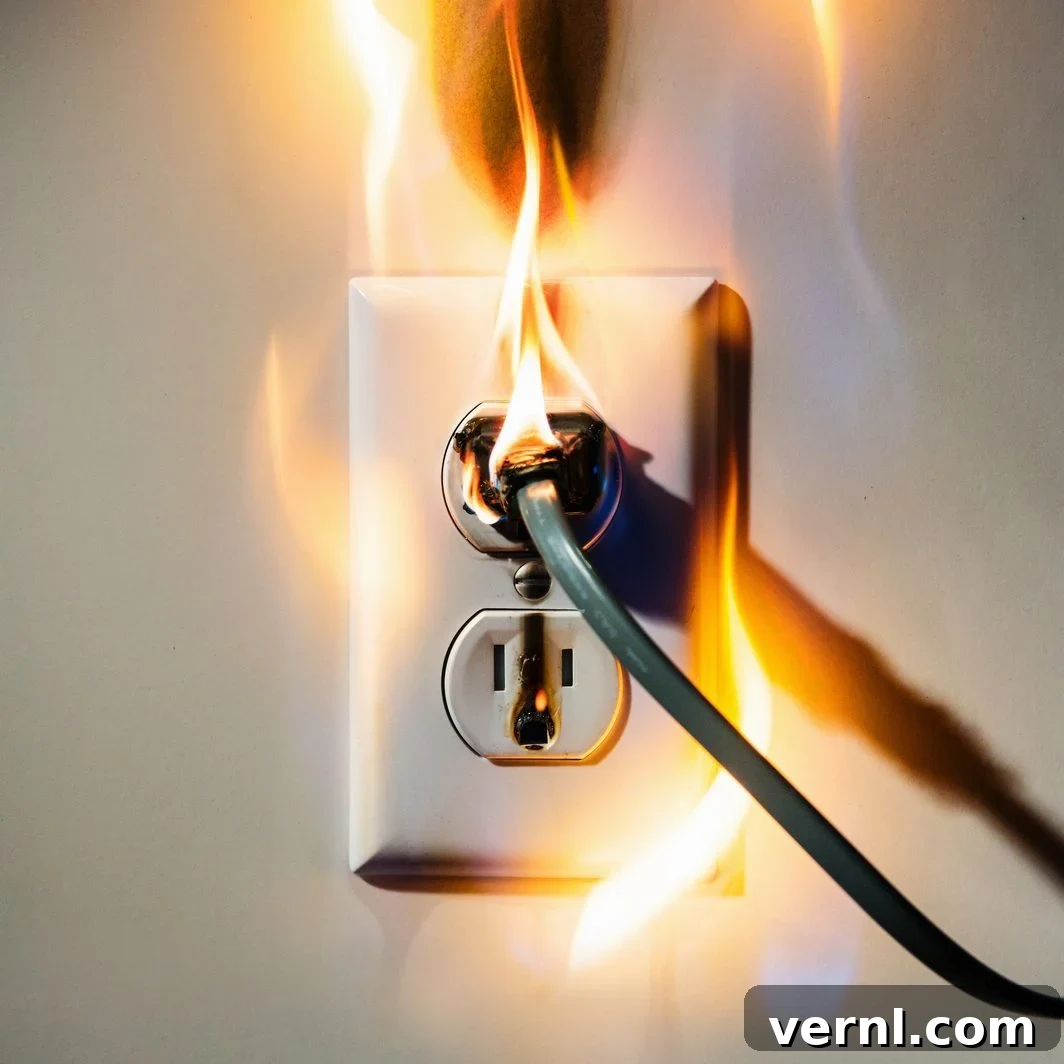
- Sight: Visual cues can range from subtle to overtly alarming. Look for flickering or dimming lights, especially when major appliances are plugged in or turned on, which can indicate an overloaded circuit or loose connection. Witnessing sparks or small flames emanating from outlets, switches, or appliances is an immediate and undeniable red flag. Darkened or scorched marks on outlets, wall plates, or electrical devices are undeniable signs of past overheating or arcing, demanding urgent inspection. In more advanced stages, you might observe smoke, which can appear as thin, wispy trails or thick, black plumes.
- Sound: Pay close attention to unusual sounds coming from your electrical system. Buzzing, sizzling, crackling, or humming noises originating from outlets, switches, circuit breakers, or even within the walls can indicate loose connections, overloaded circuits, or active arcing that could lead to a fire.
- Touch: Carefully and cautiously feel electrical outlets, switches, and appliance cords. If they are unusually warm or hot to the touch, it signifies excessive electrical resistance or an overload, both of which generate dangerous heat and can easily lead to a fire. Never ignore warm electrical components; they are a direct symptom of a problem.
Any combination of these signs warrants immediate investigation by a qualified professional. Ignoring them, even for a short period, can escalate a seemingly minor electrical issue into a catastrophic and life-threatening fire event, endangering your home and everyone in it.
Immediate Response: How to Safely Address an Electrical Fire
If you encounter an electrical fire in real-time, your primary and unwavering concern must always be safety. The appropriate response depends heavily on the size and scope of the fire, your personal safety, and your confidence and training in handling such a perilous situation. It’s crucial to differentiate clearly between a very small, contained fire and a larger, rapidly spreading blaze.
When to Call 911 and Evacuate Immediately:
- If the fire is large, rapidly spreading, involves major appliances (like a refrigerator, oven, or washing machine), or has already spread to surrounding combustible materials such as curtains, furniture, or walls, do not under any circumstances attempt to fight it.
- If you are unsure of the fire’s exact origin, its extent, or if you cannot safely turn off the power source without putting yourself at risk.
- If the smoke is heavy, dense, or rapidly accumulating, or if you feel your primary escape route might become compromised or blocked.
In any of these critical scenarios, your absolute priority must be warning everyone else in the building, evacuating immediately and calmly, and calling 911 or your local emergency number from a safe location outside the structure. Your life and the lives of your family are infinitely more valuable than any property.
How to Handle a Small, Contained Electrical Fire:
A homeowner may consider tackling a very small, truly contained electrical fire involving a single, minor appliance or tool, but only if they feel completely comfortable and safe doing so, and crucially, if an escape route is readily available, clear, and unobstructed. Before attempting to fight even the smallest fire, ensure you have a clear and unhindered path to exit the building. If at any point the fire spreads, intensifies, or you feel unsafe or overwhelmed, abort the attempt immediately and evacuate without hesitation.
If you observe flames coming from a single small appliance or tool and deem it safe to act, follow these precise steps:
- De-power the Appliance: This is the most critical and effective first step. If you can safely reach the appliance’s plug without putting yourself at risk (i.e., the fire is not at the outlet itself), unplug it immediately. This action cuts off the electrical current that is fueling the fire, effectively starving it of its energy source. If the plug itself is involved in the fire, if the fire is at the wall outlet, or if you cannot safely reach the plug, proceed quickly and cautiously to your home’s main electrical panel. Locate and turn off the main breaker for the entire house, or the specific breaker corresponding to the circuit where the fire is occurring. Interrupting the power supply will stop the source of the sparking, arcing, or overheating that initiated the fire.
-
Use a Class ABC Fire Extinguisher: Only attempt this if you are properly trained and intimately familiar with how to operate a fire extinguisher. Electrical fires are specifically categorized as Class “C” fires, involving energized electrical equipment. A multi-purpose Class ABC fire extinguisher is expertly designed to extinguish these types of fires by smothering the flames with a non-conductive, dry chemical agent. Class “A” fires involve ordinary combustibles like wood, paper, and cloth, while Class “B” fires involve flammable liquids and gases. A Class ABC extinguisher is versatile enough to tackle all three categories.
To effectively use a fire extinguisher, remember the easy-to-recall acronym PASS:
- Pull the pin, which breaks the tamper seal.
- Aim the nozzle directly at the base of the fire, not the visible flames themselves.
- Squeeze the handle fully to release the extinguishing agent.
- Sweep the nozzle from side to side at the base of the fire until it appears to be completely out.
Always familiarize yourself with your extinguisher’s instructions beforehand and ensure it is regularly inspected and maintained.
- Use Baking Soda for Very Small Fires: If you do not possess a fire extinguisher and the fire is exceptionally small (for example, a minor flare-up within a toaster or a small electrical component), baking soda can serve as a last-resort option. Pour a generous amount of baking soda directly and completely over the flames. Baking soda, or sodium bicarbonate, releases carbon dioxide when heated, which effectively helps to smother the fire by displacing the oxygen required for combustion. This method is only effective for extremely small, contained fires and should absolutely not be relied upon for anything larger or more widespread.
Critical DON’Ts: What You Must NEVER Do During an Electrical Fire
While knowing precisely what to do is immensely important, understanding what you absolutely must not do can be profoundly life-saving. There are two absolute rules you must adhere to without exception during an electrical fire:
- Never Use Water on an Electrical Fire: This is perhaps the single most crucial rule of electrical fire safety and cannot be overstated. Water is an excellent conductor of electricity. Attempting to extinguish an energized electrical fire with water can result in severe electrical shock, electrocution, or even death. The water will not effectively put out the fire if the electricity is still flowing, and will instead create a dangerous pathway for the electrical current to travel, potentially shocking you or others. Stick strictly to Class C or ABC fire extinguishers or baking soda for small, only after the power is de-energized. Water and electricity are a deadly, non-mixing combination.
- Do Not Fight Fires of Unknown Origin or Spreading Fires: If you cannot immediately identify the precise source of the fire, or if the fire has already spread beyond its initial point to surrounding combustible materials (such as within walls, in the attic, or behind multiple appliances), do not, under any circumstances, try to fight it. Electrical fires hidden within walls, ceilings, or other inaccessible areas can quickly and silently ignite structural framing or other combustible building components. These concealed fires are particularly insidious and dangerous because they can spread rapidly and extensively throughout your home before becoming visible. In such perilous cases, your only safe and responsible course of action is to evacuate everyone from the premises and call 911 or your emergency services immediately. Leave it to the trained fire professionals, who have the equipment and expertise to handle such complex emergencies.
Proactive Measures: How to Prevent Electrical Fires in Your Home
Prevention is undeniably the most effective and safest strategy against electrical fires. By adopting diligent electrical safety practices and regularly inspecting and maintaining your home’s electrical system, you can significantly reduce the risk of a devastating incident. Here are comprehensive and actionable steps to safeguard your home and, most importantly, your family:
Regular Maintenance and Professional Inspections:
- Inspect and Replace Damaged Cords: Make it a habit to routinely check all appliance cords, power strips, and extension cords for any visible signs of fraying, cracking, exposed wires, kinks, or crushing. Replace any damaged cords immediately; never attempt to repair them with electrical tape, as this is a temporary and highly unsafe fix that can lead to further issues.
- Monitor for Electrical Stress Signals: Be vigilant for common indicators of potential electrical problems. These include flickering or dimming lights, circuit breakers that frequently trip (a strong indication of an overloaded circuit), warm or hot electrical cords, switches, or outlets, visible sparks or arcs when plugging or unplugging devices, persistent buzzing or sizzling sounds from electrical components, and any discoloration or charring around outlets or switch plates. Any of these signs warrant immediate investigation by a licensed and qualified electrician.
- Schedule Professional Electrical Inspections: For older homes (especially those built before the 1970s), or homes where you suspect outdated or inadequate wiring (like aluminum or knob-and-tube wiring), schedule a professional electrical inspection every few years. A licensed electrician can thoroughly identify potential hazards, recommend necessary upgrades, and ensure your entire electrical system meets current safety codes and standards.
Safe Usage of Electrical Devices and Circuits:
- Avoid Overloading Circuits: Each electrical circuit in your home is meticulously designed to handle a specific amount of electrical current, measured in amperage. Plugging too many high-wattage appliances (such as space heaters, hair dryers, or toasters) into a single outlet or circuit can dangerously overload it, causing wires to overheat and potentially ignite surrounding materials. Avoid using “octopus outlets” or power strips to plug numerous devices into one wall receptacle. If you frequently experience tripping breakers, it’s a clear sign that you need additional circuits or outlets, not just more adapters or extensions.
- Use Extension Cords Safely and Temporarily: Extension cords are unequivocally intended for temporary use only, not as a permanent substitute for proper wiring. Never run extension cords under rugs, carpets, through doorways, or around sharp objects or corners, as this can severely damage the cord’s insulation and create a significant fire hazard. Always ensure that extension cords are appropriately rated for the power load of the appliances they are serving, and never daisy-chain multiple cords together. If you require a permanent wiring solution for an area, consult a licensed electrician to add dedicated circuits or receptacle outlets.
- Match Bulb Wattage to Fixture: Always use light bulbs that match or are below the maximum wattage specified for a particular light fixture. Using a bulb with too high a wattage can generate excessive heat within the fixture, potentially igniting the fixture’s internal wiring or nearby combustible materials.
- Practice Proper Appliance Usage: Always read and diligently follow the manufacturer’s instructions for all appliances. Never leave heat-producing appliances like space heaters, irons, curling irons, or electric blankets unattended while in use. Ensure all appliances have adequate ventilation and are not placed near curtains, paper, or other flammable materials.
Advanced Safety Installations and Professional Expertise:
- Install Arc Fault Circuit Interrupters (AFCIs): These advanced devices are a cornerstone of modern electrical safety, specifically designed to detect dangerous electrical arcs that standard circuit breakers cannot. AFCIs monitor the electrical current for irregular patterns that indicate arcing faults (like those caused by frayed wires, loose connections, or damaged insulation) and trip the circuit before a fire can even begin. They are highly recommended for bedroom circuits and other areas where combustible materials are prevalent, offering an extra layer of protection against a leading cause of electrical fires.
- Utilize Ground Fault Circuit Interrupters (GFCIs): While primarily designed to protect against severe electrical shock and electrocution, GFCIs are another essential safety device for any home. They detect imbalances in electrical current, indicating a ground fault, and quickly shut off power, preventing serious injury. Install GFCIs in all areas prone to moisture, such as bathrooms, kitchens, laundries, basements, garages, and all outdoor outlets.
- Install and Maintain Smoke Alarms: Crucial for early detection, smoke alarms should be strategically installed on every level of your home, inside and outside all sleeping areas. Test them monthly using the test button and replace batteries at least once a year, or replace the entire unit every 10 years (or as per manufacturer guidelines). For enhanced safety and quicker response, consider interconnected smoke alarms, so if one alarm detects smoke, all alarms throughout the house sound simultaneously.
- Ensure Professional Electrical Work: Any significant electrical work, including new installations, major repairs, upgrades, or additions to your home’s electrical system, should always be performed exclusively by a licensed and qualified electrician. Always ensure that the work is properly permitted and thoroughly inspected by local authorities, as required by building codes. This rigorous process ensures that the work is done safely, correctly, and adheres to all necessary national and local standards, significantly reducing fire risks.
By understanding the dangers, diligently recognizing the warning signs, and meticulously implementing these comprehensive prevention strategies, you can significantly reduce the risk of electrical fires, protecting your valuable property and, most importantly, the lives of those you love and cherish. Electrical safety is a continuous commitment and an ongoing responsibility, not merely a one-time task.