
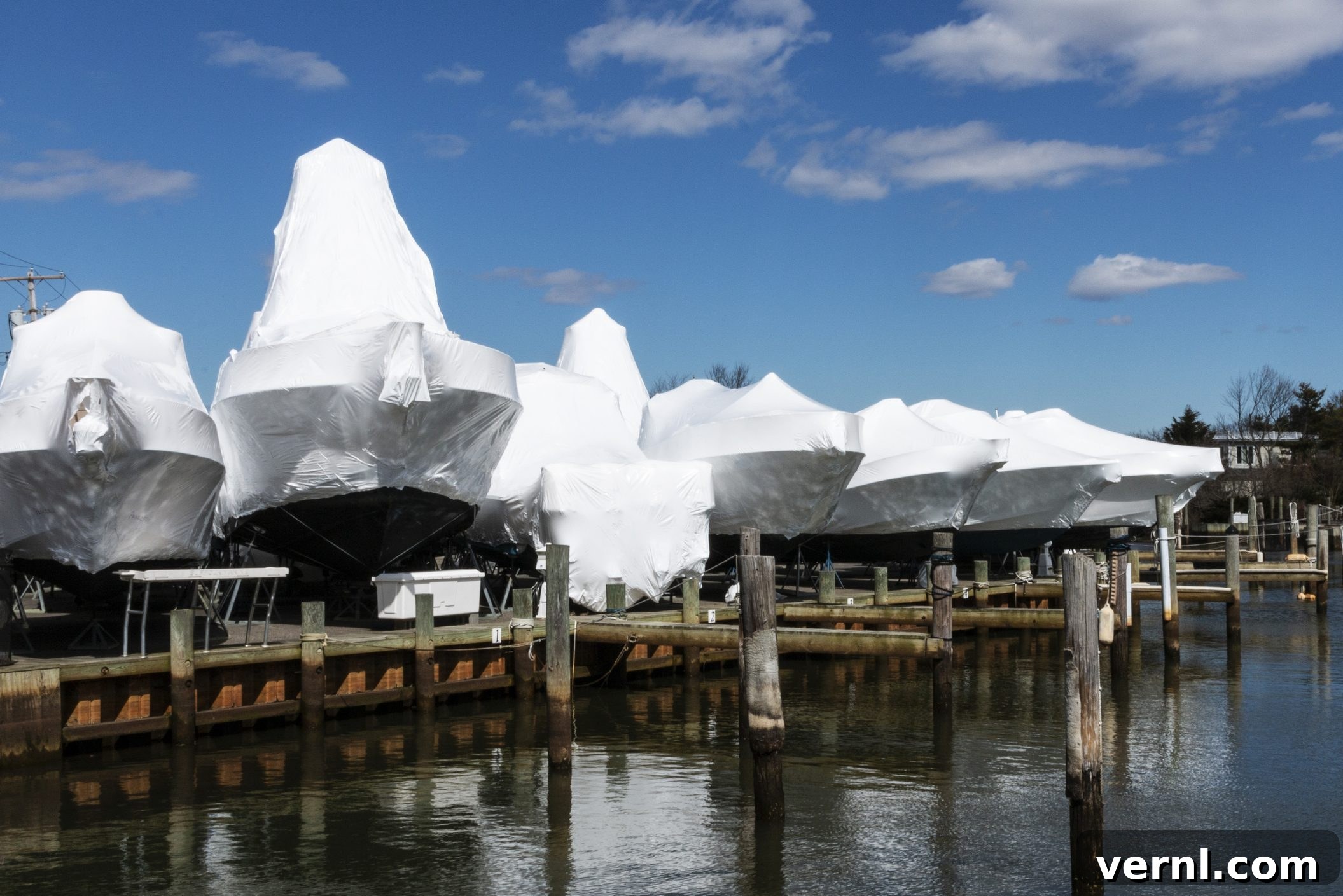
Boat ownership is a unique joy, offering unparalleled freedom and adventure on the open water. However, it often comes with a humorous, yet accurate, reputation for being a significant financial commitment. As the common adage goes, “Boats are holes in the water into which you throw money.” Or, as many seasoned boat owners might quip, “Don’t buy a boat, make a friend who has a boat.” While owning a boat certainly has its costs, particularly when it’s time to put it away for the colder months, proper winterization and storage are crucial investments that protect your vessel and ensure countless seasons of enjoyment.
Successfully navigating the off-season storage of your boat isn’t just about finding a spot to park it; it’s about meticulous preparation that safeguards your investment from the elements, prevents costly repairs, and ensures a smooth launch come springtime. The ideal storage solution for your boat will largely depend on factors such as your geographical location, the type and size of your vessel, and your personal budget. Whether you opt for dry dock storage, a boat lift, or even keeping it in a slip all winter, the golden rule remains: plan your boat winterization well in advance of the first frost.
While the specific needs of inboard and outboard motors may differ slightly, necessitating a close consultation of your boat and motor manuals, many aspects of winter storage are universally applicable. By dedicating the time and effort to do it right, you’ll not only preserve your boat’s condition but also guarantee that you’ll be back on the water in no time next spring, ready for new adventures without unexpected delays or expenses.
Choosing the Right Winter Boat Storage Option
Selecting the optimal storage solution for your boat during the winter months is a decision influenced by several key factors. Your geographical location plays a significant role; for instance, boat storage options in a perpetually warm climate like South Florida will differ vastly from those available or necessary in colder regions such as Minnesota or Michigan. Beyond climate, considerations like cost, convenience, accessibility, and the specific type of boat you own (e.g., sailboat, pontoon, fishing boat) will heavily impact your choice.
Larger vessels, particularly sailboats, present unique challenges. Storing a sailboat indoors often necessitates the arduous process of dismantling its mast, adding to the complexity and cost. Pontoon boat owners must also be mindful of their covers; proper support in the middle is essential to prevent water or heavy snowmelt from pooling and potentially damaging the deck, turning it into an unintended winter swimming pool.
Regardless of whether your boat is stored indoors or out, winterizing your boat’s engine remains a non-negotiable step. Many marinas and storage facilities offer comprehensive winterization packages, which can be a convenient and often cost-effective solution for ensuring your engine is properly prepared for the cold. Here’s a detailed look at the most common winter boat storage options:
- Leaving It in the Water: This option is primarily viable in warmer climates with consistently calm waters, where many boat owners choose to keep their vessels in their slips year-round. While convenient, it carries inherent risks. Without regular monitoring, a developing leak, an unexpected storm, or even heavy ice formation in frigid zones could lead to significant damage or, in extreme cases, finding your boat at the bottom of the lake or ocean come spring. Weekly checks are paramount to mitigate these risks.
- Keeping It on a Boat Lift: A boat lift offers an excellent solution for preventing your craft from being constantly battered by waves and keeps the hull clean and barnacle-free throughout the winter. It protects the hull from fouling and osmotic blistering. While incredibly beneficial for long-term protection and convenience, boat lifts represent a significant initial investment in terms of installation costs, making them a more expensive option upfront.
- Trailering Your Boat: If you’re fortunate enough to own a boat trailer, this can be one of the most economical and accessible storage methods. You can cover your boat and store it in your garage, backyard, or a dedicated self-storage facility. This option provides you with easy access to your boat throughout the winter for maintenance or minor projects, offering flexibility and cost savings. Ensure your trailer is also in good condition for storage.
- Storing Your Boat Outside at a Boatyard: A popular and often more affordable alternative to indoor storage, especially for larger vessels and sailboats, is storing your boat on dry land without a trailer, a process commonly known as “blocking.” Your boat is typically lifted out of the water and placed on specialized stands or blocks. While more exposed to the elements than indoor storage, boatyards offer security and specialized handling. Proper covering and securing are critical to protect it from weather and pests.
- Dry Stack Storage: Considered the most premium and often the most expensive option, dry stack storage involves marinas using specialized forklifts to pick up your boat and stack it with other vessels in a climate-controlled, secure facility. This option eliminates the need for a trailer, protects your boat from weather exposure, and often includes launch and retrieval services. It offers superior protection and convenience but comes at a higher price point.
Thoroughly Clean Your Boat
One of the most critical, yet often overlooked, steps in winterizing your boat is a comprehensive cleaning. The temptation might be to postpone this chore until spring, but dirt, grime, salt residue, and leftover organic matter from the boating season can quickly turn into tenacious mold, mildew, unpleasant odors, or even attract unwelcome pests like rodents and insects during the off-season. A thorough cleaning now will save you immense effort and potential repair costs later.
Before you close up your boat for the winter, devote ample time to scrubbing all decks, cleaning the hull, and treating all seats, vinyl, and wood trim. Use appropriate marine-grade cleaners to prevent moisture intrusion, staining, and deterioration. Pay special attention to hard-to-reach areas where dirt and moisture can accumulate. Furthermore, remove all porous materials such as life jackets, towels, cushions, fishing nets, and any food items from under seats, storage compartments, and the cabin. These items can absorb moisture, develop mold, or attract pests if left unattended. After cleaning, consider applying a protective wax coat to the hull; here’s how to wax a boat and get it shining like new, adding an extra layer of defense against the elements.
Preparing Your Fuel System: Fill the Tank and Stabilize
The fuel system of your boat requires careful attention before winter storage to prevent issues that can arise from prolonged inactivity. Leaving your fuel tank partially empty creates air space, which expands and contracts with temperature fluctuations. This process can draw in moisture from the air through tank vents, leading to condensation inside the tank. Water contamination in fuel can cause significant problems, including rust in metal tanks and fuel system corrosion.
Modern gasoline, particularly formulations containing ethanol, is especially susceptible to degradation and moisture absorption. Ethanol is hygroscopic, meaning it readily absorbs water, which can lead to phase separation – where the ethanol and water mixture separates from the gasoline, sinking to the bottom of the tank as a sludgy, corrosive mess. Come springtime, this can result in clogged fuel filters, carburetor problems, and potential engine damage. To combat these issues, it’s essential to top off your fuel tank, leaving just a tiny bit of space for expansion, but not enough for significant moisture accumulation. Crucially, add a high-quality fuel stabilizer before doing so.
Adding a Marine-Grade Fuel Stabilizer
A fuel stabilizer is a vital additive for any boat being stored for extended periods, especially over winter. Its primary function is to prevent the oxidation and degradation of gasoline. Gasoline is a volatile mixture of various chemicals, and over time, it naturally breaks down when exposed to air and moisture. This breakdown forms gums and varnishes that can clog fuel lines, filters, and injectors. As mentioned, today’s ethanol-based fuels are particularly vulnerable to this process and the detrimental effects of moisture.
When preparing your boat for winter storage, it’s imperative to add a fuel stabilizer specifically designed for marine applications. Products like Sta-Bil Storage are formulated to keep fuel fresh for up to two years, ensuring your engine receives clean, potent fuel when you restart it. Always consult the instructions on the stabilizer’s package and add the correct amount based on the size of your fuel tank. After adding the stabilizer, run the engine for a few minutes to ensure the treated fuel circulates throughout the entire fuel system, including the carburetor or fuel injectors, providing complete protection.
Changing the Engine Oil and Filter
Changing your engine oil and filter before winter storage is a non-negotiable step for long-term engine health. Motor oil serves several critical functions: it lubricates engine parts, reduces friction, helps cool the engine, and collects byproducts of combustion. During operation, the oil accumulates corrosive acids, moisture, and metallic particles, which can settle and cause significant damage if left in the engine over several months.
Before putting your boat away for winter, draining the old, contaminated oil and replacing it with fresh, clean oil and a new filter prevents these corrosive elements from attacking vital engine components, such as bearings and cylinder walls, during the extended period of inactivity. This proactive measure significantly reduces the risk of rust and corrosion settling in. It’s crucial to use a high-quality marine oil, as marine oils contain special anti-corrosion and anti-foaming ingredients that regular automotive motor oils typically lack, offering superior protection in the harsh marine environment.
Protecting the Engine Block with Antifreeze
Just like car engines, boat motors have a “block,” which is the core metal housing containing the internal components. A critical winterization step for water-cooled boat engines is to completely drain the raw water from the engine block and cooling passages. If water is left in the block, freezing temperatures will cause it to expand, leading to catastrophic cracks in the block and effectively ruining the motor. This is one of the most common and expensive winterization mistakes.
In addition to thorough draining, it is highly advisable to protect the boat motor with antifreeze, particularly for engines that use a raw-water cooling system (drawing water directly from the lake or ocean). However, never use regular automotive antifreeze (ethylene glycol) for this purpose, as it is highly toxic to marine life and harmful to the environment. Instead, specifically look for marine antifreeze made from propylene glycol. This type of antifreeze is non-toxic and specifically formulated for marine and RV applications, providing essential freeze protection without harming aquatic ecosystems. Follow your engine manual’s instructions for the correct procedure to flush and fill the cooling system with marine antifreeze.
Removing and Charging the Boat Battery
Few things are as frustrating as eagerly anticipating your first boating trip of the spring season, only to be met with a dead battery. This scenario often means precious hours wasted pulling out a stubborn battery for charging, or worse, an unplanned trip to the marina to purchase an expensive replacement. Preventing this nuisance is a simple yet crucial step in winter boat storage.
Before storing your boat for the winter, always remove the battery. Store it in a cool, dry place away from freezing temperatures, which can severely diminish its charge capacity and lifespan. Give the battery a full charge before placing it in storage. To maintain its health over the long off-season, charge it again once a month, or even better, connect the battery to a trickle charger or battery maintainer for the entire winter. These devices intelligently monitor and provide a low, continuous charge, preventing self-discharge and ensuring your battery remains at peak performance, ready to power your adventures the moment spring arrives.
Changing the Gear Lube
For boats with outboard or sterndrive motors, the lower unit, which houses the gears that transfer power from the engine to the propeller, contains a specialized lubricant known as gear lube. This lubricant is vital for protecting the gears from wear and corrosion. Before storing your boat for winter, it is essential to drain the old gear lube and refill it with fresh lubricant.
The process of changing the gear lube is relatively straightforward but requires a few specific steps. Have a drain pan handy before you begin to catch the old lubricant. Remove the drain plug and the vent screw (usually located higher up on the lower unit) to allow the old lube to drain completely. While draining, inspect the old lube for any signs of water intrusion; milky or foamy gear lube indicates that water has seeped into the lower unit, often through a compromised seal, which would require further inspection and repair. Also, carefully check the O-rings on both the drain plug and the vent screw. These O-rings create a watertight seal, and if they appear cracked, worn, or flattened, they should be replaced before refilling to prevent water from entering the lower unit during storage or future use.
Some gear lubes, such as this one by Mercury Marine, come with a convenient pump for easy refilling after draining. Alternatively, you can purchase a pump separately, which greatly simplifies the refilling process, ensuring all air is purged and the lower unit is properly lubricated for the off-season.
Cover Your Boat Adequately
Regardless of where your boat is stored – be it in a garage, a boatyard, or a dry stack facility – covering it properly is an essential step in its winterization. A good boat cover serves multiple purposes: it keeps out unwanted pests like mice, insects, and other vermin looking for shelter; it protects your vessel from the elements like rain, snow, UV rays, and wind; and even in indoor storage facilities, it guards against dust, dirt, and potential damage from sprinkler systems.
Cover options vary widely to suit different needs and budgets. Simple tarps with grommets can offer basic protection, though they require careful rigging to prevent pooling. Custom covers, designed to fit the specific dimensions and contours of your boat, provide the best protection and aesthetics. Shrink wrapping is another highly popular option, offering a tight, weatherproof seal that effectively encases your boat, protecting it from moisture and debris. When considering any cover, ensure it has adequate ventilation to prevent the buildup of condensation, which can lead to unsightly and damaging mold and mildew. Many covers incorporate vents, or you can use support poles to create peaks and airflow. If your boat is covered and easily accessible, it’s beneficial to open it up occasionally during the winter, weather permitting, to allow for fresh air circulation and inspection. Beyond physical protection, don’t forget the financial safeguard: find out why you should have boat insurance, ensuring peace of mind throughout the year.
Additional Essential Winterization Steps
Beyond the primary tasks, a few more steps are vital to comprehensively winterize your boat and protect all its systems:
- Water Systems: Drain all fresh water tanks, water heaters, and shower sumps. Flush out toilet systems and add non-toxic propylene glycol antifreeze to all plumbing lines, including sinks, showers, and head systems, to prevent freezing and cracking.
- Electronics: Remove any sensitive or portable electronics, such as GPS units, fish finders, and radios, and store them indoors in a dry, temperate environment. This protects them from extreme cold, moisture, and potential theft.
- Safety Gear: Inspect all safety gear, including life jackets, flares, first-aid kits, and fire extinguishers. Clean, dry, and store life jackets and other fabric items indoors to prevent mildew. Replace any expired flares or components of your first-aid kit.
- Lines and Fenders: Clean all dock lines and fenders to remove salt and grime. Coil ropes neatly and store them in a dry place. Inspect fenders for any damage and store them to prevent them from becoming brittle or deteriorating.
- Trailer Maintenance: If you’re storing your boat on a trailer, don’t neglect the trailer itself. Check tire pressure, inspect wheel bearings for grease, ensure all lights are working, and consider covering the tires to protect them from UV degradation. Chock the wheels to prevent accidental movement.
Thorough boat winterization is an investment in the longevity and reliability of your vessel. By following these comprehensive steps, you not only protect your boat from the harsh realities of winter but also save yourself considerable time, effort, and money on unexpected repairs. Come spring, your boat will be in prime condition, allowing you to quickly transition from winter storage to enjoying the water, confident in the knowledge that your marine investment is well-protected and ready for a new season of adventure.