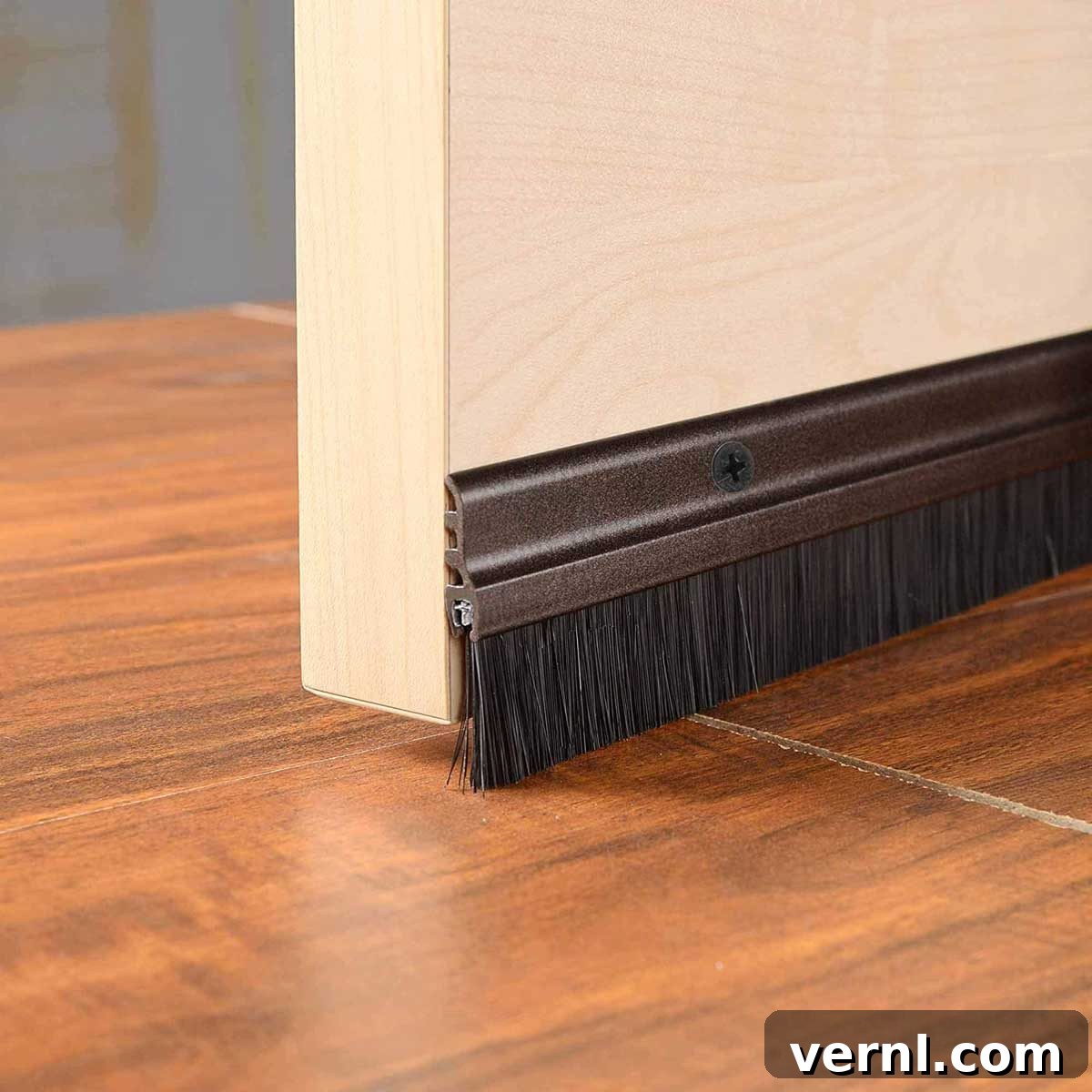
Maximize Home Comfort and Energy Efficiency with Door Sweeps
Every home deserves to be a sanctuary, free from unwanted drafts, persistent pests, and external disturbances. Yet, a common culprit often undermines this comfort: the subtle gap beneath your exterior doors. While a door cannot physically drag on the floor and remain functional, this necessary clearance leaves an opening for various nuisances. This is precisely where the unsung hero of home insulation, the door sweep, comes into play.
A door sweep is a simple yet incredibly effective device designed to bridge the gap between the bottom of your door and the threshold or floor. Also widely known as draft stoppers, these narrow barriers are crafted from a variety of materials such as durable rubber, flexible plastic, brush-like bristles, or soft foam. Their primary mission is singular: to create a comprehensive seal that keeps cold air, hot air, blowing snow, rain, dirt, dust, and unwelcome pests from infiltrating your living space. Far from being a luxury, a properly installed door sweep is a foundational element of any truly energy-efficient and comfortable home.
The Essential Role of Door Sweeps in Home Comfort and Efficiency
Door sweeps are much more than just a piece of weatherstripping; they are a vital component in creating a comfortable, cost-effective, and pest-free living environment. The benefits they offer extend far beyond merely blocking a draft.
Significant Energy Savings
One of the most compelling reasons to install door sweeps is their direct impact on your energy bills. Gaps under exterior doors act as direct conduits for conditioned air to escape and unconditioned air to enter. In winter, warm air seeps out, forcing your heating system to work harder and longer to maintain a comfortable temperature. Conversely, in summer, cool, air-conditioned air escapes while hot, humid air infiltrates, increasing the load on your cooling system. By sealing these gaps, door sweeps significantly reduce heat loss and gain, leading to a noticeable decrease in energy consumption and, consequently, lower utility bills. This small investment pays for itself multiple times over through savings on your heating and cooling costs.
Effective Pest Control
Even the smallest gap under a door can be a welcome mat for various critters. Insects like ants, spiders, and cockroaches, along with rodents such as mice, can squeeze through surprisingly tight spaces. A door sweep creates a physical barrier that prevents these unwelcome guests from finding their way into your home. This is especially crucial in areas prone to specific pests or during changing seasons when outdoor temperatures drive creatures indoors in search of shelter.
Enhanced Home Comfort
Drafts are notorious for making a room feel much colder than the thermostat indicates. A persistent stream of cold air across the floor can create uncomfortable hot and cold spots, forcing you to crank up the heat. Door sweeps eliminate these drafts, ensuring a more consistent and comfortable temperature throughout your home. This improved thermal comfort means you can enjoy your living spaces without feeling chilly near doors or experiencing sudden temperature fluctuations.
Noise Reduction
Beyond air and pests, door gaps also allow sound to travel freely. If your home is situated in a noisy area, or if you simply prefer a quieter indoor environment, door sweeps can contribute to significant noise reduction. By creating a tighter seal, they help to block out external street noise, barking dogs, construction sounds, or even just the sounds of the neighborhood, enhancing the tranquility within your home.
Dust and Debris Management
Wind-blown dust, pollen, leaves, and other outdoor debris can easily make their way under an unsealed door, leading to a constantly dusty entryway and more frequent cleaning. Door sweeps act as a protective barrier, drastically reducing the amount of dirt and particulate matter that enters your home. This not only keeps your floors cleaner but can also improve indoor air quality, which is particularly beneficial for individuals with allergies or respiratory sensitivities.
Moisture Protection
During heavy rains or snow, water can sometimes seep under doors, potentially damaging flooring, rugs, and creating damp conditions that can lead to mold or mildew. A well-installed door sweep provides a crucial line of defense against moisture ingress, protecting your home’s interior from water damage and maintaining a healthier indoor environment.
Understanding the Different Types of Door Sweeps
Not all door sweeps are created equal, and understanding the distinct characteristics of each type is key to selecting the most effective solution for your specific needs. They primarily come in three main styles: strip, bristle, and under-door.
Strip Door Sweeps
Strip door sweeps, often considered the most common and versatile type, offer an excellent combination of effectiveness and convenience. They typically feature a rigid metal or plastic frame that houses a flexible sealing strip made of rubber, vinyl, or silicone. These sweeps are lauded for their straightforward installation and robust performance in creating a tight seal against environmental elements.
Installation methods vary for strip-style door sweeps. Some come equipped with a strong adhesive backing, designed for direct application to the bottom of your door. This peel-and-stick design makes them incredibly easy to install, often without the need for tools beyond a measuring tape and possibly a utility knife for trimming. Other strip sweeps feature an installation guide, usually a channel of aluminum or durable plastic, which is fastened securely to the bottom edge of the door with screws. Regardless of the mounting method, the core principle remains the same: the strip should make gentle, consistent contact with the floor or threshold. This ensures an effective seal without generating excessive friction that could impede the smooth opening and closing of the door or cause premature wear.
Advantages of strip sweeps include their excellent sealing capabilities against drafts, dust, and moisture, as well as their general durability. They are relatively low-profile and come in various colors to blend with your door’s aesthetic. However, proper installation is crucial to avoid friction, and the flexible strip may eventually wear out or crack, necessitating replacement.
Bristle Door Sweeps
Bristle door sweeps operate on a similar concept to strip-style sweeps but utilize a different sealing mechanism. Instead of a solid piece of rubber or plastic, they plug the space beneath your door with a dense row of fine, brush-like bristles, often made from nylon or polypropylene. These bristles extend down to touch the floor, creating a barrier.
The primary advantage of bristle sweeps is their significantly reduced friction when opening and closing the door. This makes them an excellent choice for doors that are frequently used or for homes where minimal resistance is desired. The flexible nature of the bristles also allows them to conform better to slightly uneven surfaces, providing a more consistent seal where a rigid strip might leave small gaps. They are particularly effective at keeping out dust, debris, and smaller pests, while also offering some degree of draft reduction.
However, bristle sweeps generally don’t perform as well as solid strip sweeps when it comes to blocking strong drafts or preventing moisture ingress. The individual bristles, while dense, still allow some air and water to pass through, especially under windy or rainy conditions. Therefore, while great for dusty environments or high-traffic doors, they might not be the top choice for an exterior door exposed to harsh weather where maximum thermal sealing is paramount.
Under-Door Sweeps (Twin Draft Guards)
Under-door sweeps, often referred to as twin draft guards, offer a unique and often the tightest possible seal between the bottom of your door and the surrounding floor without permanent installation. Their design is distinctive, typically resembling an uppercase “B” or two cylindrical rolls joined by a connecting fabric flap. These two round pieces are positioned on either side of the door, effectively “straddling” its bottom edge.
Most under-door sweeps are made of soft foam or fabric-covered foam cylinders, providing a plush barrier. Some advanced models may include a hook-and-loop strip for optional application to the bottom of your door, preventing the sweep from sliding out of place with door movement. The non-permanent nature of these sweeps is a major advantage, making them ideal for renters or individuals who prefer not to alter their doors. They are incredibly effective at blocking drafts, light, and noise, creating a snug fit that conforms to the floor.
While highly effective at sealing, under-door sweeps can sometimes be bulky and might require manual adjustment if they shift. For doors with very little clearance, it might be necessary to temporarily take the door off its hinges to slide the sweep into place, especially if the hook-and-loop reinforcement is used. Despite this, their superior sealing capability and ease of removal make them a popular choice for immediate and impactful draft control.
Selecting the Ideal Door Sweep for Your Needs
Choosing the perfect door sweep involves considering several factors to ensure optimal performance and satisfaction. A thoughtful selection process will prevent frustration and maximize the benefits for your home.
Door Type and Location
First and foremost, consider whether the door is an exterior or interior door. Exterior doors demand robust protection against weather, pests, and significant drafts, often requiring more durable materials like rubber or silicone strips. Interior doors, while less exposed to the elements, can still benefit from sweeps to reduce noise or drafts between rooms, and here, bristle or under-door sweeps might be more suitable due to their lower friction and ease of use.
Gap Size and Floor Surface
Accurately measure the gap between the bottom of your door and the threshold or floor. This measurement is critical, as a sweep that is too short will be ineffective, and one that is too thick will create excessive friction. Also, evaluate your floor surface. Smooth, even surfaces like tile or hardwood are generally compatible with all sweep types. However, for carpeted floors, especially thick pile, or uneven surfaces, bristle sweeps or under-door sweeps (which can conform better) might be preferable to avoid catching or creating too much drag.
Climate and Exposure
Your local climate plays a significant role. If you live in an area with extreme cold, high winds, heavy rain, or frequent snow, prioritize door sweeps known for their superior sealing properties against moisture and drafts, such as high-quality rubber or silicone strip sweeps. In milder climates, or where the primary concern is dust or pests, a bristle sweep might suffice.
Aesthetics and Installation Preference
Consider how the door sweep will look once installed. Many strip sweeps come in various colors (white, brown, black, clear) to match your door or trim. Under-door sweeps are often more visible. Also, think about your comfort level with installation. Adhesive-backed strips and slide-on under-door sweeps are perfect for DIY beginners, while screw-on types might require basic tool skills. For renters, non-permanent options are usually a must.
Budget and Durability
While door sweeps are generally affordable, there’s a range in price reflecting material quality and design. Investing a little more in a durable, high-quality sweep, especially for high-traffic exterior doors, can lead to longer life and better performance, ultimately saving you money in the long run by reducing replacements and energy waste. Evaluate the expected lifespan and warranty, if any, to ensure you’re making a cost-effective choice.
Seamless Installation and Essential Maintenance for Your Door Sweep
Once you’ve chosen the ideal door sweep, proper installation is paramount to achieving its full potential. While methods vary slightly by type, some fundamental principles apply across the board. Regular maintenance, though minimal, will also ensure your investment continues to pay dividends in comfort and energy savings.
General Installation Principles
For exterior doors, door sweeps should almost always be applied on the outside face of the door. This strategic placement prevents snow, dirt, and various pests from collecting underneath the door and acts as the primary barrier against external elements. Before installation, ensure the bottom of your door and the threshold are clean and dry for optimal adhesion or a smooth fit. Accurate measurement of the door’s width and the gap beneath it is crucial for a snug and effective fit.
Installing Strip-Style Door Sweeps
Adhesive-Backed Strips:
These are arguably the easiest to install. Begin by thoroughly cleaning the bottom edge of your door where the sweep will adhere. Measure the width of your door and trim the sweep to size if necessary, ensuring a neat fit from edge to edge. With the door closed, gently peel off the adhesive backing. With a helper, or carefully on your own, align the top edge of the sweep with the bottom of the door. Press it firmly into place, ensuring it’s level and makes light, consistent contact with the floor or threshold. A handy tip is to draw a faint pencil line on the door where the top of the sweep should go; this guide ensures a straight application. Apply firm pressure along the entire sweep to secure the adhesive bond.
Screw-On Strips:
For sweeps with a rigid guide that holds a strip of plastic, rubber, or bristled material, the process involves a few more steps. Again, measure and cut the sweep to fit your door’s width. Position the sweep against the bottom of the door, ensuring light contact with the floor. Mark the pilot hole locations for the screws on the door. It’s often beneficial to pre-drill these holes, especially for solid wood or metal doors, to prevent splitting or damage. Fasten the sweep securely with the provided screws. Test the door’s operation, making any minor adjustments to the sweep’s height if there’s too much friction or still a noticeable gap. The goal is a smooth opening and closing motion with effective sealing.
Installing Bristle-Style Door Sweeps
Installation for bristle sweeps is generally similar to screw-on strip sweeps. The key difference is ensuring the bristles make very light contact with the floor. The flexibility of the bristles means less precision is needed compared to solid strips, but still aim for full coverage without excessive compression, which can flatten the bristles prematurely.
Installing Under-Door Sweeps
Under-door sweeps are typically the simplest to “install.” For most models, you merely slide them beneath your door until the two cylindrical pieces straddle the bottom edge. Ensure the sweep is centered and can move freely with the door. If your under-door sweep comes with a hook-and-loop strip for reinforcement, you might need to take the door off its hinges to apply the adhesive strip to the door’s underside for a secure, non-sliding fit. This ensures the sweep stays perfectly in place during operation.
Essential Maintenance for Longevity
Door sweeps, while durable, are subject to wear and tear due to constant friction and exposure to the elements. Regular, albeit minimal, maintenance can significantly extend their lifespan and effectiveness.
- Regular Cleaning: Periodically clean your door sweep to remove accumulated dust, dirt, leaves, or pet hair. A simple wipe with a damp cloth or a quick vacuum can prevent debris buildup that might hinder its sealing ability or cause excessive friction.
- Inspect for Wear: Every few months, especially before winter and summer, inspect the sweep for signs of damage. Look for cracks in rubber or plastic strips, bends in metal components, or flattened/missing bristles.
- Check for Gaps: Ensure the sweep still makes continuous, light contact with the floor across the entire width of the door. If gaps have appeared, the sweep might have shifted, worn down, or the door/threshold might have settled. Adjustments or replacement might be necessary.
- Timely Replacement: When a door sweep cracks, bends, becomes brittle, or loses its effectiveness, replacement is often the most straightforward solution. Removing the old sweep and installing a new one is usually a quick and easy task, restoring your door’s seal to optimal performance.
Troubleshooting Common Door Sweep Issues
Even with proper installation, you might encounter minor issues with your door sweep. Knowing how to troubleshoot these common problems can save you time and ensure continuous performance.
Excessive Friction or Difficulty Closing the Door
If your door sweep causes the door to drag heavily or makes it difficult to close, it’s likely installed too low or is too thick for the available gap. For screw-on types, gently loosen the screws and adjust the sweep slightly upward, then re-tighten. For adhesive strips, if repositioning isn’t possible, you might need to replace it with a thinner profile or a different type, such as a bristle sweep, which offers less resistance. Ensure your threshold isn’t unusually high, which could also contribute to this issue.
Still Feeling Drafts or Seeing Light
If you’ve installed a door sweep but still feel cold air or see light peeking through, first re-evaluate the sweep’s contact with the floor. Is it consistent across the entire width of the door? An uneven floor or a warped door can create small gaps. If the sweep itself is worn, cracked, or the bristles are flattened, it’s time for a replacement. Also, remember that a door sweep addresses only the bottom gap; ensure your door frame also has adequate weatherstripping around the top and sides for a complete seal.
Door Sweep Detaching or Falling Off
For adhesive-backed sweeps, detachment usually points to insufficient surface preparation (the door wasn’t clean or dry enough), or the adhesive itself has failed due to age or extreme temperature fluctuations. Thoroughly clean the door and apply a new, high-quality adhesive sweep. For screw-on types, loose screws or damaged pilot holes might be the culprit. Use longer screws or apply a wood filler in the holes before re-drilling and re-fastening for a more secure hold.
Premature Wear and Tear
If your door sweep wears out much faster than expected, it could be due to excessive friction (it’s set too low), poor material quality for the application (e.g., a flimsy sweep on a high-traffic door), or extreme weather conditions. Consider upgrading to a more durable material, such as heavy-duty rubber or silicone, and ensure the installation allows for minimal, gentle contact with the floor.
Final Thoughts on Enhancing Your Home with Door Sweeps
In the grand scheme of home improvement, installing a door sweep might seem like a minor detail, but its impact on your home’s comfort, efficiency, and overall well-being is anything but small. These unassuming devices are champions of home insulation, standing as the first line of defense against the relentless intrusion of drafts, pests, noise, and moisture.
By understanding the different types available – from the reliable sealing of strip sweeps to the low-friction elegance of bristle sweeps and the easy versatility of under-door guards – you can make an informed decision tailored to your specific needs. Coupled with straightforward installation and minimal maintenance, a door sweep offers a remarkably high return on a relatively small investment.
Embrace the simplicity and effectiveness of door sweeps. Take a moment to inspect the gaps beneath your exterior doors, identify areas for improvement, and choose the right solution. The result will be a home that is noticeably warmer in winter, cooler in summer, quieter, cleaner, and ultimately, a more comfortable and energy-efficient haven for you and your family. Don’t let those tiny gaps undermine your home’s potential; seal them up and enjoy the lasting benefits of a well-insulated space.