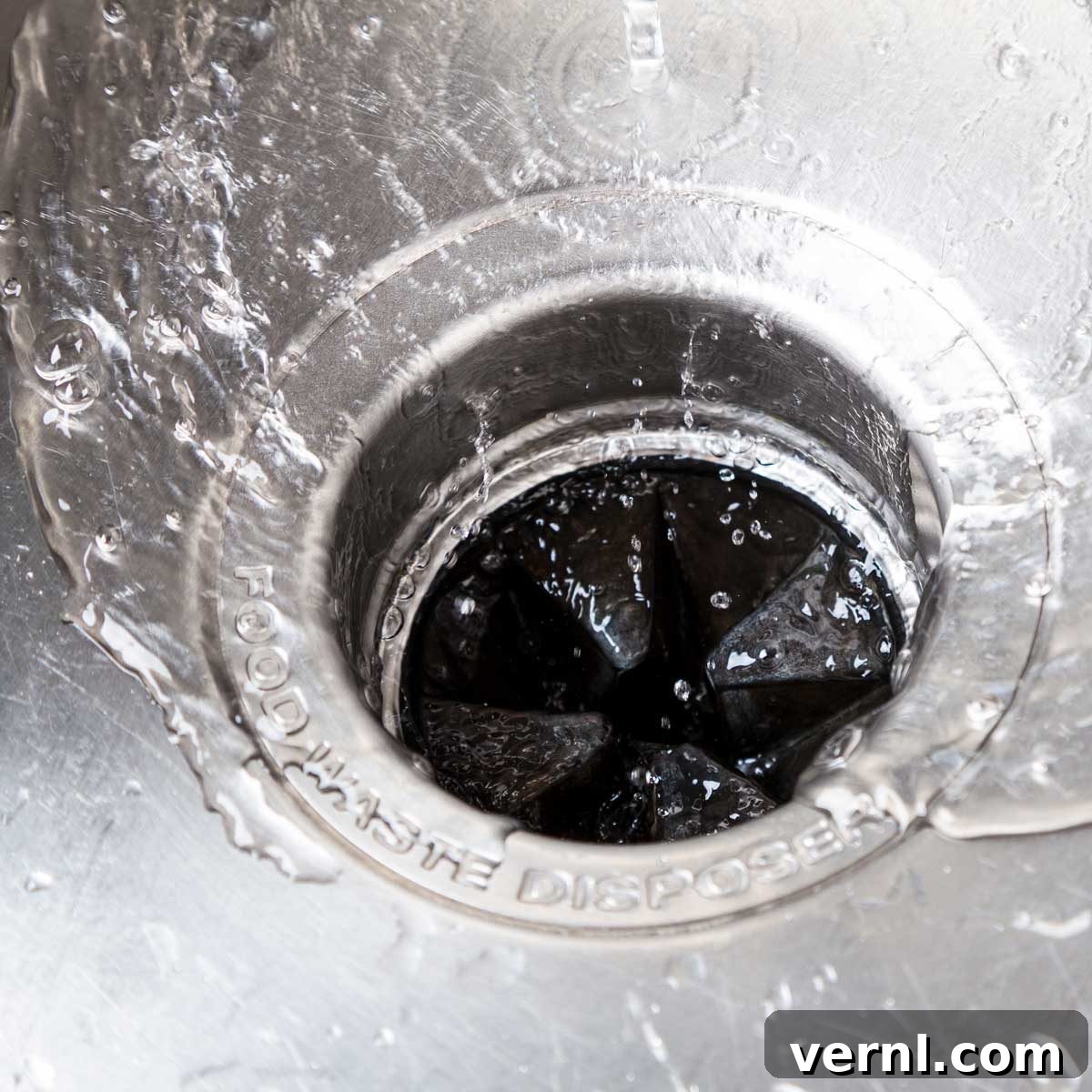
Should You Run Water While Using Your Garbage Disposal? The Ultimate Guide
We all have habits in our homes, routines we follow without much thought. Some are built on solid reasoning, while others… well, we just do them because we’ve always done them. One common practice falls into the latter category: running water when operating your garbage disposal. It seems logical, but is it truly necessary? The answer is a resounding yes, and understanding why can save you headaches (and potentially a plumber’s visit) down the line.
If your disposal is working well but the splash guard is looking a bit worse for wear, consider replacing it. Here’s a guide on how to replace a garbage disposal splash guard.
Why Running Water is Crucial for Your Garbage Disposal
The mechanics behind this practice are straightforward. Running water acts as a crucial lubricant and transport mechanism for food particles. Think of it as a helpful assistant, diligently flushing food waste through the grinding mechanism, into the drain trap, and ultimately down your waste pipes. This prevents the buildup of food debris that can clog moving parts and create unpleasant odors. It’s akin to taking a pill with a glass of water – not technically mandatory, but it significantly streamlines the process!
Without adequate water flow, food particles can linger, stick to the disposal’s blades and interior, and decompose. This not only impairs the disposal’s efficiency but can also foster bacterial growth, leading to foul smells emanating from your kitchen sink. The inside of your garbage disposal, often unseen, can quickly become a breeding ground for these issues.
Debunking the Pasta Myth: Cold Water is Your Ally
You might have stumbled upon online advice suggesting against running water while using your disposal. This is often linked to the concern that excess water could cause items like pasta and rice to swell, potentially creating a clog. While it’s true that pasta and rice absorb water and expand, the solution lies in a simple yet vital detail: cold water.
Cold water is absorbed more slowly than hot water. By running cold water while your disposal grinds, you give the waste items ample time to be pulverized and flushed through the pipes before they can significantly expand. This ensures they’re efficiently carried away, minimizing the risk of a blockage.
So, when operating your disposal, remember the golden rule: cold water is your best friend. It acts as both a lubricant and a preventative measure, protecting your plumbing from potential issues.
The Exception to the Rule: Grease and Fat
As with most things in life, there’s an exception to the rule. In this case, it pertains to liquid grease and fat. While cold water is generally recommended, it can cause these substances to congeal and solidify, potentially leading to a blockage within the drain trap or nearby pipes. Imagine a solid mass forming, restricting water flow – not a desirable scenario.
Instead of cold water, you should flush grease and fat through with hot water and a small amount of dish soap. The heat helps to break down the grease, and the soap acts as an emulsifier, spreading the fat and minimizing the chance of it solidifying in concentrated areas within your pipes. This, however, is not a license to pour copious amounts of grease down the drain. Even with hot water and soap, some residue will remain.
The ideal approach to handling grease and fat is to avoid putting them down the drain altogether. Consider this alternative.
The Best Approach: Preventing Grease Buildup
While flushing grease with hot water and soap can mitigate some of the risks, it’s not a foolproof solution. The best practice is to dispose of grease and fat responsibly, preventing them from entering your plumbing system in the first place.
Let the grease cool and solidify in a container, such as a can or jar. Once solidified, you can easily discard it in the trash. This simple step can significantly reduce the likelihood of clogs and plumbing problems in the long run. Even better, consider alternative uses for your grease, such as making bird feeders or composting.
By making this a habit, you are actively preserving your home’s plumbing and preventing those undesirable plumbing issues.
Final Thoughts: Run the Water, Protect Your Home
In conclusion, the practice of running water while using your garbage disposal is not just a suggestion; it’s a vital part of maintaining a healthy and efficient kitchen plumbing system. It helps to clear debris and prevents clogs and odors.
Remember these key takeaways:
- Always run cold water while operating your garbage disposal.
- Avoid putting liquid grease or fat down the drain.
- Dispose of grease and fat responsibly in the trash.
By following these simple steps, you can ensure your garbage disposal operates at its best and protect your home from potential plumbing problems. So, before you hit that disposal switch, turn on the water, and be confident you’re contributing to a smoothly running kitchen and a happy home!