
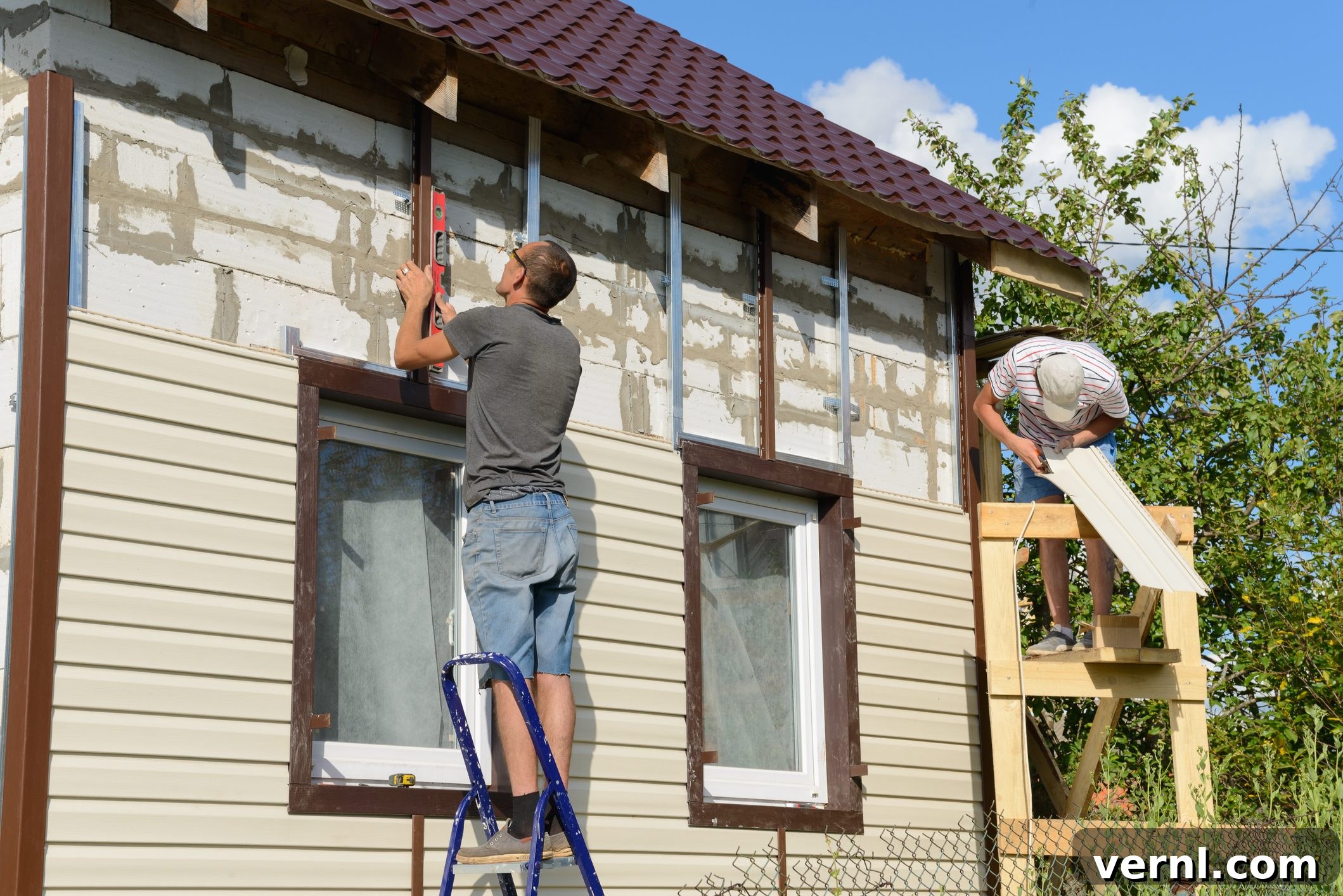
The exterior siding of your home serves a dual purpose: it acts as the primary shield against the elements and significantly contributes to your property’s aesthetic appeal. While older siding might exude a certain charm, particularly if it’s a classic material like natural cedar, there comes a critical juncture where “worn” transitions into “worn-out.” At this point, your home’s siding becomes more than just an aesthetic concern; it becomes a functional liability, compromising the integrity of your entire dwelling.
Deciding when to replace your home’s siding is a crucial decision for any homeowner. It’s an investment that not only revitalizes your home’s appearance but also enhances its protection, energy efficiency, and long-term value. This comprehensive guide will walk you through the tell-tale signs that indicate it’s time for new siding, delve into the various factors influencing replacement costs, explore the benefits of an upgrade, and provide essential tips for navigating the project, whether you choose to DIY or hire professionals.
How Do I Know When I Should Replace Siding?
Recognizing the signs of failing siding is the first step toward protecting your home. While some issues are purely cosmetic, many point to underlying problems that can lead to significant structural damage if left unaddressed. Here are the key indicators that suggest your siding has reached the end of its lifespan:
- Visible Damage and Deterioration: Look for obvious signs of wear, such as widespread gaps, cracks, or holes in the siding panels. These openings are not just eyesores; they create pathways for moisture, pests, and drafts to penetrate your home’s exterior, potentially compromising the sheathing and framing underneath.
- Fading and Discoloration: Over time, exposure to sunlight and harsh weather can cause siding to fade unevenly or change color. While this might seem like a minor cosmetic issue, extensive fading often indicates that the material is deteriorating and losing its protective properties.
- Missing Sections or Panels: Strong winds or impact can dislodge sections of siding, leaving your home’s underlying structure exposed. Even a small missing piece can lead to substantial water damage and pest infestations.
- Mold, Mildew, and Rot: The presence of mold or mildew on your siding isn’t just unsightly; it can indicate moisture entrapment. If you notice discoloration or a fuzzy texture, especially in seams or behind panels, it’s a strong sign that moisture is trapped and promoting organic growth. Rot, particularly in wood siding, is a clear indicator that the material is failing and needs immediate attention.
- Increased Energy Bills: Old, damaged, or poorly installed siding can allow conditioned air to escape and unconditioned air to enter, forcing your HVAC system to work harder. If you’ve observed a noticeable spike in your heating or cooling costs without other clear explanations, compromised siding could be the culprit.
- Pest Infestations: Gaps and cracks in your siding provide perfect entry points for pests like insects (termites, carpenter ants) and rodents. If you discover signs of pest activity within your walls, your siding may not be offering adequate protection.
- Warping, Buckling, or Swelling: Siding materials, especially vinyl and wood, can warp, buckle, or swell due to extreme temperature fluctuations or moisture absorption. This not only looks bad but also compromises the integrity of the siding, making it less effective at protecting your home.
- Frequent Repairs and High Maintenance: If you find yourself constantly patching holes, repainting, or dealing with recurring issues, it might be more cost-effective in the long run to invest in a complete replacement rather than continuing with endless repairs.
- Preparing for Other Major Renovations: Sometimes, the decision to replace siding is driven by other structural repairs or a desire to completely transform your home’s exterior aesthetic. If you’re undertaking a significant remodel, it can be an opportune time to upgrade your siding simultaneously.
While some homeowners might proactively replace siding for a fresh look or to prevent future issues, addressing any of the above warning signs is crucial for maintaining your home’s structural integrity and protecting your investment.
How Much Does It Cost to Replace Siding?
Siding replacement is a significant home improvement project, and its cost can vary widely depending on numerous factors. While a national average provides a general benchmark, obtaining localized estimates from reputable contractors is essential for an accurate budget. Across the United States, the average cost for siding replacement typically hovers around $10,000, but this can range considerably, from as low as $5,400 for smaller projects or less expensive materials to upwards of $15,500 or more for larger homes or premium materials. Understanding the key cost-determining factors will help you prepare financially.
Factors That Determine the Cost of Siding Replacement
Several variables contribute to the final price tag of a siding replacement project. Being aware of these elements will empower you to make informed decisions and manage your budget effectively:
1. House Size and Layout
The most fundamental factor is the total square footage of your home’s exterior walls that require siding. The larger the house, the more material and labor will be needed. The average cost per square foot for siding installation can range from $2 to $50, depending heavily on the chosen material. You can often estimate the square footage by taking photographs and using specialized apps like Hover, which can provide precise measurements, though these services typically come with a fee. Alternatively, a contractor will perform this measurement as part of their estimate.
Beyond simple square footage, the architectural complexity of your home significantly impacts costs. Houses with multiple stories, intricate designs, numerous dormers, gables, bay windows, and complex wall angles require more meticulous cutting, specialized tools, and additional labor. This complexity often leads to more material waste and longer installation times compared to a straightforward, box-shaped house.
2. Siding Materials
The choice of siding material is perhaps the most influential factor in determining overall cost. Each material offers a unique balance of aesthetics, durability, maintenance requirements, and price point. Here’s a detailed look at common siding materials and their typical cost ranges per square foot (material only, unless specified):
| Material | Cost/Square foot |
| Vinyl Siding | $2 – $7 |
| Wood (Cedar, Pine, Redwood) | $2 – $21 |
| Metal (Steel, Aluminum) | $2 – $4 |
| Stucco | $3-$12 (Includes Labor) |
| Brick | $6 – $54 |
| Stone (Natural or Manufactured like Versetta) | $10 – $18 |
| Fiber Cement (e.g., Hardie Board) | $3 – $5 |
- Vinyl Siding: Known for its affordability and low maintenance, vinyl is a popular choice. It comes in various colors and styles but can sometimes appear less premium than other options.
- Wood Siding: Offers natural beauty and excellent insulation properties. Options like cedar, pine, or redwood are beautiful but require regular maintenance (painting, staining) and are susceptible to rot and pests if not properly cared for.
- Metal Siding (Aluminum, Steel): Durable, fire-resistant, and eco-friendly. Aluminum is lighter and rust-proof but can dent. Steel is stronger but heavier and can rust if its coating is compromised.
- Stucco: A highly durable and fire-resistant material, stucco provides a distinct, classic aesthetic. Its installation is labor-intensive and requires specialized skills, often leading to a higher installed cost.
- Brick Siding: A timeless and incredibly durable option that offers superior weather resistance and low maintenance. However, it is one of the more expensive materials and can be challenging to install.
- Stone Siding: Whether natural stone veneers or manufactured stone products, this option offers unparalleled curb appeal and durability but comes at a premium price point due to material cost and complex installation.
- Fiber Cement Siding: A robust and versatile material (like Hardie Board) that can mimic the look of wood, stucco, or masonry. It’s highly durable, fire-resistant, pest-resistant, and requires less maintenance than natural wood, making it a popular mid-range option.
3. Labor Costs
Labor rates constitute a significant portion of the total project cost. These rates fluctuate based on geographical location, with large metropolitan areas typically having higher hourly or per-square-foot charges. Expect to pay between $35 and $60 per worker per hour, or roughly $1 to $4 per square foot for labor. The complexity of the installation, the type of siding chosen, and the specific contractor’s experience will all influence labor pricing.
4. Repair Work and Underlayment
Removing old siding can often reveal hidden issues beneath, such as rotted sheathing, damaged framing, compromised insulation, or outdated electrical wiring. These underlying problems must be addressed and repaired before new siding can be installed, adding to the overall cost. If your home is older, this presents an excellent opportunity to upgrade insulation, which can improve energy efficiency but will also add to the expense. A thorough inspection by the contractor can help anticipate some of these potential repair costs.
5. Old Siding Removal and Disposal
The process of tearing off and disposing of existing siding requires labor and often dumpster rental fees. Most contractors include this in their quote, but it’s worth clarifying. Improper disposal can lead to additional charges or environmental fines.
6. Permits and Inspections
Most siding replacement projects require a building permit from your local municipality. This ensures the work meets local building codes and safety standards. Permit fees vary by location and project scope. Your contractor should handle the permit application process.
7. Scaffolding and Equipment Rental
For multi-story homes or homes with difficult access, scaffolding or lifts may be necessary, adding to the equipment rental costs. Specialized tools for cutting and installing certain types of siding also contribute to the project’s overhead.
8. Additional Features and Trim
Don’t forget the cost of accessories like trim, soffits, fascia, and decorative elements. These components are essential for a complete, watertight, and aesthetically pleasing finish and will add to the material and labor costs.
Siding Replacement vs. Siding Repair
A complete siding replacement is a substantial investment, and it’s not always necessary. Sometimes, a targeted repair can resolve the issue effectively and economically. However, understanding when a repair is merely a temporary fix versus when a full replacement is the only viable solution is key.
If your siding is generally in good condition, and only a small section has suffered localized damage (e.g., from impact, a small area of rot, or a couple of missing panels), a repair might be sufficient. While matching new siding perfectly to aged, weathered existing siding can be challenging due to fading, a skilled contractor can often minimize the visual discrepancy, sometimes with a fresh coat of paint over the entire repaired section or home.
However, certain circumstances unequivocally necessitate a complete siding replacement:
- Severe Leaking and Moisture Damage: If moisture has permeated beyond the siding and reached the sheathing or structural framing, simply patching the exterior won’t suffice. The siding must be removed to allow for thorough inspection, drying, and repair of the underlying water damage. Signs like peeling paint, damp spots, or a musty odor inside your home are strong indicators of significant moisture infiltration. Leaving this unchecked can lead to extensive rot, mold growth, and compromised structural integrity.
- Widespread Pest Infestation: Discovering a widespread infestation of termites, carpenter ants, or even bees living within your walls or behind your siding leaves little alternative to full replacement. These pests can cause significant structural damage, and accessing and eradicating them effectively often requires removing large sections, if not all, of the siding.
- Extensive Mold and Mildew Growth: While surface mold and mildew can often be cleaned from siding with soap and water, persistent discoloration or the appearance of mold within the seams between panels suggests a more serious problem: mold growing behind the siding. This indicates chronic moisture issues and requires removing the siding to properly treat and eliminate the mold and address its source. This protects not only your home’s structure but also the health of its occupants.
- Consistently High Energy Bills: If your energy bills remain stubbornly high despite other efficiency upgrades, widespread gaps, cracks, or compromised insulation behind old siding could be the culprit. Rather than chasing individual patches, a full replacement with new, well-insulated siding provides a comprehensive solution for improved thermal performance and substantial long-term savings on utility costs.
- Major Design Upgrade or Aesthetic Overhaul: Beyond functional necessity, many homeowners choose to replace their siding simply to give their house a completely new look. Outdated siding can detract from curb appeal, and a fresh, modern siding material can dramatically transform a home’s aesthetic, boosting its attractiveness and market value.
Benefits of Installing New Siding
Investing in new siding offers a multitude of advantages that extend far beyond a refreshed exterior. It’s an upgrade that enhances nearly every aspect of your home:
- Dramatic Improvement in Curb Appeal: This is arguably the most immediate and noticeable benefit. New siding instantly boosts your home’s aesthetic appeal, making it stand out in the neighborhood and creating a positive first impression. This significantly contributes to increased property value, a crucial factor if you ever plan to sell.
- Superior Energy Efficiency: Modern siding materials, often combined with new insulation or house wrap, create a much tighter building envelope. This means your home will be better insulated, retaining heat in the winter and cool air in the summer. The result is a more comfortable indoor environment and substantial reductions in your monthly energy bills.
- Significantly Reduced Maintenance: Outdated siding often requires frequent painting, sealing, or repair. New siding, especially materials like vinyl, fiber cement, or metal, is designed for durability and low maintenance. This translates to fewer hours spent on exterior upkeep, saving you time and money on recurring repairs and repainting for many years.
- Enhanced Structural Integrity and Protection: Siding is your home’s first line of defense against harsh weather conditions, including rain, snow, wind, and UV radiation. New siding provides robust protection, preventing moisture infiltration that can lead to rot, mold, and structural damage. It helps stabilize your home’s framing and protects underlying components, contributing to the overall longevity of your house.
- Increased Home Value and Return on Investment (ROI): Siding replacement consistently ranks as one of the home improvement projects with the highest return on investment. The enhanced curb appeal, improved energy efficiency, and structural integrity make your home more attractive to potential buyers, commanding a higher resale value.
- Improved Pest and Moisture Resistance: Properly installed new siding eliminates gaps and cracks that serve as entry points for pests and moisture. This creates a more secure barrier, protecting your home from wood-destroying insects and water-related damage.
- Greater Comfort and Peace of Mind: A well-sealed, insulated home is a more comfortable home. Reduced drafts, consistent indoor temperatures, and the knowledge that your home is well-protected against the elements bring significant peace of mind.
Questions To Ask Siding Contractors
Choosing the right siding contractor is paramount to the success of your project. A reputable and experienced professional can guide you through material selection, ensure proper installation, and stand behind their work. Beyond asking about the best siding material for your home and budget, here are critical questions to ask prospective contractors:
- Are you licensed, insured, and bonded? This is non-negotiable. A licensed contractor signifies they meet professional standards. Insurance (general liability and worker’s compensation) protects you from financial responsibility in case of accidents or damage on your property. Bonding offers financial protection if the contractor fails to complete the job or meet contractual obligations. Request proof of all three.
- How long have you been in business? A contractor with a long-standing history often indicates stability, experience, and a track record of successful projects.
- Do you have references, and can I see examples of your previous work? Ask for contact information for past clients and take the time to call them. Also, request to see photos or, if possible, visit homes where the contractor has completed similar siding projects.
- What is your project timeline? When can you start, and how long will the project take? Understand the expected start and completion dates to manage your expectations and coordinate other home activities. Be wary of contractors who promise unusually fast completion times.
- How many workers are typically in your crew? A larger, well-coordinated crew can often complete the job more efficiently, minimizing the time your home’s exterior is exposed.
- Do you hire subcontractors? If so, are they also licensed and insured? If subcontractors are involved, ensure they meet the same licensing and insurance requirements as the primary contractor for your protection.
- What type of warranty do you offer on your labor and the materials? Understand the duration and terms of both the manufacturer’s warranty on the siding materials and the contractor’s warranty on their workmanship.
- How do you handle project clean-up and waste disposal? A professional contractor should have a clear plan for managing debris, protecting your landscaping, and leaving your property tidy each day and upon completion.
- Do you provide a detailed, written contract? Insist on a comprehensive contract that outlines the scope of work, materials to be used (including specific brands and colors), project timeline, payment schedule, warranty details, and any clauses regarding unforeseen repairs.
- What is your payment schedule? Be wary of contractors who demand a large upfront payment. A typical payment schedule involves an initial deposit, progress payments, and a final payment upon satisfactory completion.
- How do you protect my property during the project? Ask about measures they take to protect windows, landscaping, and other parts of your home from damage during the removal and installation process.
DIY vs. Hiring Professionals
Undertaking a siding replacement project yourself can be an appealing prospect, primarily due to the potential cost savings. DIY efforts can save you anywhere from 25% to 40% of the total project cost by eliminating labor expenses. However, this is a complex and demanding job, and there are compelling reasons why hiring professionals is often the wiser choice:
Reasons to Consider DIY:
- Cost Savings: The most significant advantage is saving on labor costs, which can be a substantial portion of the overall project budget.
- Personal Satisfaction: Successfully completing a major home improvement project can be incredibly rewarding.
- Control: You have complete control over every aspect of the project, from material selection to the pace of work.
Reasons to Hire Professionals:
- Speed and Efficiency: A contractor with an experienced crew can complete the job much faster than an individual homeowner. This is crucial, as removing old siding leaves your home’s sheathing and interior exposed to the elements, making quick completion a priority.
- Expertise and Skill: Siding installation requires precision and specific techniques to ensure proper weatherproofing, longevity, and adherence to manufacturer specifications. Professionals have the necessary skills to handle complex architectural features, ensure proper flashing around windows and doors, and manage material waste efficiently. Improper installation can lead to water damage, energy loss, and voided warranties.
- Safety: Working on ladders, especially at heights, with power tools, and handling heavy materials poses significant safety risks. Professional contractors are trained in safety protocols, equipped with appropriate gear, and carry insurance to cover potential accidents.
- Permits and Regulations: Siding replacement often requires building permits. Contractors are familiar with local building codes and regulations, handling the entire permit application and inspection process, ensuring your project complies with all legal requirements.
- Manufacturer Warranties: Many siding manufacturers stipulate that their products must be installed by licensed professionals for the warranty to remain valid. DIY installation, if not done precisely to specifications, could void this valuable protection.
- Tools and Equipment: Professional contractors own specialized tools and equipment (e.g., scaffolding, siding brakes, specific saws) that would be expensive for a homeowner to purchase or rent for a single project.
- Disposal: Professionals handle the proper removal and disposal of old siding, which can be cumbersome and require specific waste management solutions.
Ultimately, the decision between DIY and professional installation depends on your skill level, available time, budget, and comfort with complex, high-stakes home renovation. For most homeowners, especially for larger or more intricate projects, the benefits of hiring an experienced siding contractor far outweigh the potential savings of a DIY approach.
Replacing your home’s siding is a significant undertaking, but it’s an investment that pays dividends in protection, aesthetics, and long-term value. By understanding the signs of wear, the factors influencing costs, and the benefits of an upgrade, you can make an informed decision that enhances your home for years to come.