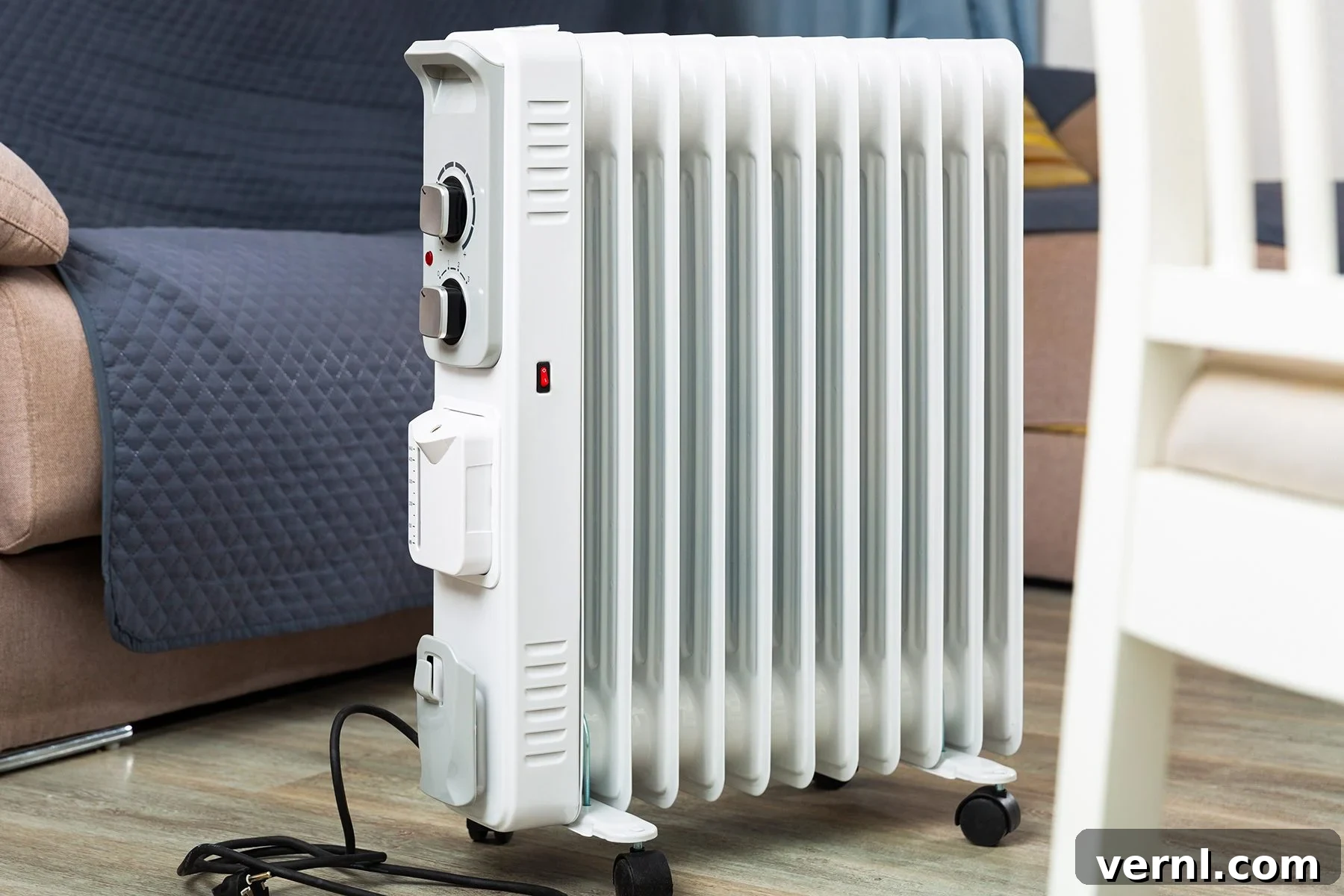
Ultimate Guide to Space Heater Safety: Essential Tips for a Warm and Secure Home
As colder temperatures settle in, a portable space heater often becomes a go-to solution for adding supplemental warmth to your home. They offer a convenient way to banish chill from drafty rooms or provide extra comfort without turning up the thermostat for the entire house. However, the convenience comes with a critical caveat: are space heaters dangerous? The unequivocal answer is yes, they can be, especially if not used with utmost care and knowledge. To help you navigate the world of portable heating safely, we’ve gathered essential tips and insights, with invaluable input from Ryan Moore, the seasoned Fire Chief of Fire District No. 2 in South Hadley, Massachusetts.
This comprehensive guide will walk you through everything you need to know about space heater safety, from understanding their basic functions and potential risks to implementing crucial operational guidelines that protect your home and loved ones. Our goal is to empower you with the knowledge to enjoy the warmth of a space heater without compromising safety.
Understanding Space Heaters: Functionality and Benefits
What Exactly Is a Space Heater?
A space heater, at its core, is a portable heating device designed to warm a specific, smaller area within a larger space. They are particularly popular for targeting “cold spots” in a home, such as a basement office, a chilly bedroom, or a drafty living room corner, effectively providing zone heating. While the majority of models available today are electric, drawing power from a standard wall outlet, it’s important to remember that fuel-burning alternatives also exist. These can include units powered by kerosene, propane, or natural gas, each with its own set of operational requirements and safety considerations.
The primary role of a space heater is to supplement your home’s existing heating system. Instead of raising the temperature of your entire house to warm one specific area, a space heater allows you to concentrate heat where and when you need it most. This targeted approach can be more energy-efficient for specific scenarios compared to significantly increasing your central heating system’s output.
Why Choose a Space Heater? The Appeal of Supplemental Heat
Space heaters offer several compelling advantages that make them a popular choice for many homeowners:
- Targeted Warmth: They excel at providing immediate, localized heat, making uncomfortable areas pleasant without affecting the temperature of other rooms.
- Cost Efficiency: For individuals working from home or spending most of their time in one room, using a space heater can be more economical than heating the entire house, potentially saving on utility bills.
- Portability: Their compact size and lightweight design mean they can be easily moved from one room to another, offering flexible heating solutions wherever needed.
- Quick Heat: Many models are designed to warm up quickly, providing almost instant relief from the cold.
However, these benefits underscore the importance of understanding and mitigating the inherent risks. “Space heaters are a great option for that stubborn corner of your home that just won’t get warm,” Moore explains, “and as long as they’re properly used, shouldn’t pose a safety issue.” This highlights the crucial distinction: the safety of a space heater rests almost entirely on how it is operated.
The Critical Question: Are Space Heaters Truly Safe?
While space heaters offer undeniable comfort, their safety is not inherent; it’s conditional. When used incorrectly, these devices can transform from a source of warmth into a significant household hazard. Space heater safety is a serious concern, and neglecting proper usage guidelines can lead to devastating consequences. Before even purchasing a unit, conducting thorough research on safe space heaters and understanding their features is paramount.
Unpacking the Dangers of Space Heaters
To fully appreciate the importance of safety measures, it’s essential to be aware of the specific risks associated with space heaters. These dangers are not abstract; they are real and can have severe implications:
- Fire Hazard: This is arguably the most significant risk. Space heaters operate at high temperatures and can easily ignite flammable materials if placed too close. Common culprits include curtains, bedding, rugs, upholstered furniture, paper, and clothing. A heater that is left unattended, particularly if it tips over, can rapidly escalate into a full-blown house fire. Even a properly functioning heater can pose a risk if combustible items are within its radiant heat zone.
- Electric Shock Risk: Given that most space heaters are electric, the risk of electric shock is ever-present if electrical integrity is compromised. Damaged cords, frayed wires, exposed elements, or improperly grounded plugs can all lead to severe electric shocks or even electrocution. Faulty wiring within the heater itself or an overloaded circuit can also contribute to this danger.
- Carbon Monoxide Poisoning: This danger specifically applies to fuel-burning space heaters (kerosene, propane, natural gas). These devices release carbon monoxide (CO), an insidious, odorless, and colorless gas that is highly poisonous. Carbon monoxide poisoning can cause flu-like symptoms, dizziness, nausea, and can quickly become fatal without immediate intervention. Fuel-burning heaters absolutely require adequate ventilation to dissipate CO, making them unsuitable for sealed indoor spaces.
- Burn Risk: The very nature of a heater is to generate heat, and its surfaces can become extremely hot during operation. Direct contact with these hot surfaces, especially by curious children or unsuspecting pets, can lead to severe thermal burns. Even some “cool-touch” models may have grilles or vents that reach high temperatures.
Understanding these dangers is the first step toward preventing them. Awareness fosters caution, which is the cornerstone of safe space heater operation.
Essential Safety Tips for Operating Space Heaters
Minimizing the risks associated with space heaters requires diligent adherence to a set of proven safety practices. These aren’t just suggestions; they are critical guidelines designed to protect your home and family. Always practice these tips for optimum space heater safety:
1. Pre-Use Preparations and Inspections
- Read and Understand Manufacturer’s Instructions: Your space heater should bear a label indicating it was tested by a recognized laboratory (e.g., UL, ETL, CSA). Before plugging in your heater for the first time, or even after a period of disuse, take the time to thoroughly read and understand the manufacturer’s instructions and all warning labels. These documents contain vital information specific to your model, including safe operating distances, recommended run times, and proper maintenance. Skipping this step is a common mistake that can lead to misuse.
- Check the Cord and Plug for Damage: Before each use, visually inspect the space heater’s power cord for any signs of damage. Look for cracks, frays, exposed wires, kinks, or any discoloration. Also, examine the plug for bent prongs, scorching, or loose connections. A damaged cord or plug is a serious fire and electric shock hazard. If you find any damage, discontinue use immediately and have the heater professionally repaired or replaced. When plugging in, ensure the connection feels secure and snug in the outlet. Loose connections can generate heat, leading to fire.
- Verify Smoke and Carbon Monoxide Alarms are Functional: “Always check that your smoke and carbon monoxide detectors are operating,” emphasizes Fire Chief Moore. This vital step is non-negotiable for overall home safety, whether you’re using a space heater or not. However, given the heightened risk of fire and carbon monoxide associated with portable heaters, ensuring these alarms are tested monthly and have fresh batteries is especially critical. They provide the earliest warning in case of an incident, giving you precious time to react.
2. Strategic Placement and Proximity Guidelines
- Implement the “Three-Foot Rule”: This is perhaps the most fundamental rule of space heater safety. Always keep your space heater at least three feet (about one meter) away from anything that can burn. This includes, but is not limited to, rugs, curtains, bedding, clothing, paper, furniture, decorative items, and even holiday decorations. The radiant heat from a space heater can ignite combustibles even without direct contact. Maintaining this clear perimeter in all directions (front, sides, and top) is absolutely essential.
- Optimal Placement on Flat, Stable Surfaces: Space heaters are best used on a flat, stable, hard, and uncovered floor. Avoid placing them on carpets or rugs, as these materials can impede ventilation around the unit and may heat up. Never place a space heater on elevated surfaces like tables, shelves, or furniture, where they could easily be knocked over by children, pets, or accidental bumps.
- Keep it Out of High-Traffic Areas: Position your space heater in a corner or an area of the room where people aren’t regularly walking. This prevents anyone from accidentally tripping over the unit or its cord, which could result in injury, damage to the heater, or cause it to fall too close to flammable materials.
- Avoid Blocking Airflow: Ensure that the heater’s air intake and outlet vents are never blocked. Blocking these vents can cause the unit to overheat, potentially leading to malfunction or fire. Don’t place anything on top of the heater.
3. Powering Your Heater Safely
- Plug Directly Into a Wall Outlet: “Always plug your space heater directly into an outlet, never an extension cord or power strip,” advises Chief Moore. Space heaters draw a significant amount of electrical current, often exceeding the capacity of standard extension cords or power strips. Overloading these devices can cause them to overheat, melt, or even catch fire. Using an appropriate, dedicated wall outlet minimizes this risk. If an outlet feels loose or warm to the touch, do not use it; have it inspected by an electrician.
- Avoid Overloading Circuits: Be mindful of other appliances running on the same circuit. Plugging a space heater into an already heavily loaded circuit can trip circuit breakers or, more dangerously, lead to overheating of the electrical wiring within your walls. If your lights dim or flicker when the heater turns on, it’s a sign that the circuit may be overloaded.
- Never Run the Cord Under Rugs: Running the power cord under a rug or carpet is extremely hazardous. This can cause the cord to overheat due to lack of ventilation and friction, or it can become damaged and frayed without visible warning, creating a serious fire risk. It also presents a tripping hazard.
4. Responsible Operation and Supervision
- Never Leave a Space Heater Unattended: This rule is paramount. When you leave a room, turn the space heater off. More critically, never run a space heater while you are sleeping. “Running a space heater while you’re asleep is the same as leaving it unattended,” Moore explains, “I don’t recommend it.” Unforeseen events, like the heater tipping over or a malfunction, can quickly turn disastrous if no one is present to intervene. This also applies to leaving the house – always turn off and unplug the heater before you depart.
- Use for Supplemental Heat Only: A space heater is designed solely to provide supplemental heat. They should never be used for purposes they weren’t intended for, such as warming linens, drying clothing, or cooking food. These activities can easily lead to overheating, fire, or damage to the unit. While they may warm up smaller rooms, remember they are generally not very energy-efficient appliances for continuous, whole-house heating.
- Supervise Children and Pets: Children, especially toddlers, and pets are often curious and unaware of the dangers posed by a hot space heater. Never let them play too close to the heater to avoid direct contact burns or prevent them from accidentally tipping it over. Consider using a safety gate or barrier to keep them at a safe distance.
5. Choosing a Safer Space Heater
- Look for Built-in Safety Features: An easy and effective way to increase space heater safety is to select a model equipped with modern safety features. Key features to look for include:
- Tip-Over Switch: Automatically shuts off the heater if it’s knocked over.
- Overheat Sensor/Protection: Automatically turns off the heater if its internal components reach an unsafe temperature, preventing overheating and potential fires.
- Cool-Touch Exterior: While not entirely “cool,” these models significantly reduce the risk of burns from accidental contact with the exterior casing.
- Ceramic Heating Elements: Often considered safer than older coil elements as they typically operate at lower surface temperatures.
Investing in a space heater with these features can significantly mitigate risks.
- Ensure Proper Certification: Always purchase space heaters that have been tested and certified by a recognized independent testing laboratory, such as Underwriters Laboratories (UL), Intertek (ETL), or the Canadian Standards Association (CSA). These certifications ensure the product meets specific safety standards.
- Match Heater Size to Room Size: Choosing a heater that is appropriately sized for the room it will occupy is important for both efficiency and safety. An undersized heater might be run continuously, increasing wear and tear, while an oversized heater could generate excessive heat, requiring more caution.
Common Questions About Space Heater Usage
Even with comprehensive guidelines, specific questions often arise regarding the practicalities of space heater operation. Here are answers to some of the most frequently asked questions:
Can You Run a Space Heater All Night?
Unless you are awake and actively in the same room as the space heater, the answer is a resounding no. Running a space heater all night while you are asleep or otherwise unable to supervise it is extremely dangerous. Chief Moore reiterates, “Nothing happens when you’re watching the heater; it’s always when it’s unattended that bad things happen.” The risks of fire from tipping over, overheating, or electrical malfunction are substantially higher when supervision is absent for extended periods, such as during sleep. Prioritize safety by turning off and unplugging your space heater before going to bed.
How Long Can You Run a Space Heater?
The duration for which you can safely run a space heater largely depends on the specific model and its manufacturer’s recommendations. Moore strongly advises reading the manufacturer’s instructions for guidance on how long a particular space heater can be continuously operated. Some models are designed for intermittent use, while others might safely run for several hours. Generally, it’s best practice to give any electrical appliance, including space heaters, breaks to prevent overheating and prolong its lifespan. Always prioritize the manufacturer’s guidelines over general assumptions.
What Is the Safest Spot for a Space Heater?
The safest spot for a space heater adheres to several key criteria: it should be at least three feet (one meter) away from any flammable materials in all directions, preferably on a flat, stable, uncarpeted floor, and ideally in a corner of a room where it is out of the main path of foot traffic. Ensure there’s ample clear space around the unit for proper airflow and that its cord is not presenting a tripping hazard or being run under rugs. Avoiding areas near water sources, such as bathrooms, is also crucial unless the heater is specifically rated and designed for damp environments.
What Certifications Should I Look For?
When purchasing a space heater, always check for safety certifications from nationally recognized testing laboratories. The most common certifications to look for in North America include:
- UL (Underwriters Laboratories): A globally recognized safety science company that tests products for electrical safety and fire hazards.
- ETL (Intertek): Another trusted product testing, inspection, and certification company.
- CSA (Canadian Standards Association): Certifies products for safety standards primarily in Canada, but often recognized in the U.S. as well.
These marks indicate that the heater has undergone rigorous testing and meets essential safety standards.
What Are the Signs of a Faulty Space Heater?
Even with proper use, space heaters can develop faults over time. Be vigilant for these warning signs that indicate your heater may be faulty and should be immediately unplugged and discontinued from use:
- Burning Smell: A burning plastic or electrical smell indicates overheating or melting components.
- Sparks or Flickering: Any visible sparks, especially from the cord, plug, or inside the unit, are a serious hazard.
- Unusual Noises: Grinding, buzzing, or rattling sounds that are new or excessively loud could indicate internal damage.
- Warm or Discolored Outlets/Cords: If the wall outlet or power cord feels warm to the touch or shows signs of discoloration, it signifies overheating.
- Frequent Tripping of Breakers: If your circuit breaker trips frequently when the heater is in use, it suggests an electrical overload or an internal fault.
Meet Our Expert
The invaluable insights and safety recommendations in this guide are brought to you with the expertise of Ryan Moore. Mr. Moore serves as the esteemed Fire Chief for the District No. 2 Fire Department in South Hadley, Massachusetts. With a dedicated career spanning 18 years in fire safety and emergency response, Chief Moore brings extensive practical knowledge and experience in preventing and managing household fire hazards. His guidance underscores the critical importance of vigilance and proper practice when utilizing portable heating devices.