In colder climates, the convenience of a space heater often makes it an indispensable tool for warming up a chilly office or ensuring comfort on drafty film sets. While these portable heating devices offer immediate relief, their seemingly innocuous nature belies significant electrical and fire safety risks that every user must understand.
“Using space heaters requires a little bit of understanding of electricity so you don’t overload the outlet,” advises Todd Tripp, a licensed general contractor and home improvement expert with JustAnswer. He cautions that while a small space heater might resemble a lamp or cell phone charger in size, its power demands are far greater. “A space heater uses all of the current at an outlet, so nothing else should be plugged in.” This fundamental principle is often overlooked, leading to hazardous situations.
The high power draw of space heaters also makes them incompatible with standard power strips and extension cords, which are not designed to handle such sustained loads. Furthermore, many older models lack crucial modern safety features like automatic shut-offs, tip-over protection, and overheat sensors, increasing their inherent risk profile.
Whether you’re retrieving a familiar unit from storage for the winter season or contemplating the purchase of a new one, prioritizing safety is paramount. This comprehensive guide will illuminate the dangers and provide essential practices to ensure your home remains safe and warm while operating a space heater.
Understanding the Risks Involved With Space Heaters
While contemporary space heaters boast advanced built-in fire-prevention features, they still represent a significant hazard if misused. According to the National Fire Protection Association (NFPA), space heaters are responsible for nearly half of all home heating-related fires annually, resulting in thousands of injuries, hundreds of deaths, and millions of dollars in property damage. The risks extend beyond just overheating and electrical malfunctions. Certain types of space heaters, particularly unvented combustion models, can also pose threats such as carbon monoxide poisoning and the depletion of indoor oxygen levels, especially in poorly ventilated spaces. Carbon monoxide is an invisible, odorless, and tasteless gas that can be deadly, producing symptoms like headaches, dizziness, nausea, and confusion, often mistaken for flu-like illness.
Beyond the immediate dangers of fire and harmful gases, there are less obvious risks that impact indoor air quality. Jon Gilbertson, President and CEO at Chris Heating & Cooling, points out that models featuring exposed heating elements can burn dust, pet dander, and other airborne particles. This process releases irritants into the air, potentially triggering or exacerbating allergies, asthma, and other respiratory issues for sensitive individuals. Moreover, prolonged use of space heaters can significantly dry out indoor air. This reduction in humidity can lead to uncomfortable physical symptoms like dry skin, irritated nasal passages, nosebleeds, and even damage to household items such as fine art, delicate musical instruments, and hardwood flooring, which can warp or crack under sustained dry conditions.
To mitigate these diverse risks, always adhere to the golden rule: plug space heaters directly into a dedicated wall outlet. This outlet must be rated to handle the heater’s substantial power draw. Crucially, no other high-draw appliances or devices should be connected to the same outlet. Standard power strips and inexpensive extension cords are simply not engineered to safely manage the significant electrical current required by space heaters and can easily overheat, melt, or ignite, leading to a devastating electrical fire.
Why You Shouldn’t Use Space Heaters with Power Strips
The primary reason space heaters should never be plugged into power strips is their exceptionally high power consumption. Joel Worthington, President of Mr. Electric, explains, “Space heaters draw a lot of power, which most power strips can’t handle. This can overload the power strip, causing melting, overheating and sparking, which can lead to a fire.”
The danger might not manifest immediately, making the hazard less apparent over time, as Gilbertson highlights. He notes, “Their internal wiring often uses thinner gauge material than wall outlets, which degrades faster under high heat.” This continuous stress from high current can lead to cumulative “micro-damages” within the power strip’s wiring, creating insidious fire hazards even when the strip appears to be functioning normally. The insulation around these thinner wires can degrade, leading to exposed conductors and short circuits.
The risks are compounded when multiple devices are plugged into a single power strip. Each additional device increases the electrical load on the strip, pushing it further beyond its safe operating limits. Compounding this, power strips are frequently placed on floors, where they are more susceptible to accumulating dust, lint, and carpet fibers. These combustible materials can easily ignite under the overheated conditions created by an overloaded power strip, transforming a minor electrical fault into a full-blown house fire. It’s an unseen threat that underscores the critical importance of proper electrical connections for high-wattage appliances.
(It never hurts to take extra measures to learn how to prevent home fires, and understanding space heater risks is a major component.)
Why You Shouldn’t Use Space Heaters With Extension Cords
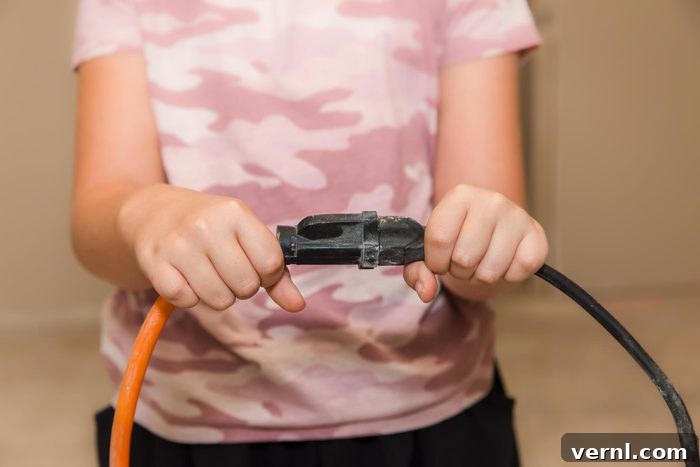
Much like power strips, most conventional extension cords are not designed to safely handle the substantial electrical load drawn by space heaters. This mismatch invariably leads to the cord overheating, melting, or sparking, creating a significant fire risk.
Gilbertson further explains the technical repercussions: “Additionally, the resistance in the cord can cause a voltage drop, reducing the heater’s efficiency and potentially damaging its components.” A voltage drop means the heater isn’t receiving enough power to operate optimally, forcing it to work harder and increasing the risk of internal component failure. Moreover, “using extension cords with space heaters potentially can cause micro-arcing,” a phenomenon that is particularly insidious.
Micro-arcing refers to small, localized electrical arcs that can occur when an extension cord’s plug has a slightly loose connection, or its prongs don’t fit snugly into the space heater’s receptacle. These miniature electrical discharges generate intense localized heat, which, over time, gradually degrades both the insulation and conductive material of the cord and the heater’s plug. This hidden damage accumulates, creating weak points that can lead to severe overheating or even electrical fires. Gilbertson warns, “This risk is heightened because these arcs are often undetectable without specific tools, making the danger invisible until it’s too late.” The gradual deterioration means a cord that appears fine on the surface might be a ticking time bomb, underscoring the severe hazards of using inappropriate extension cords with space heaters.
What to Do When You Run Out of Plugs
When faced with a lack of available wall outlets, Joel Worthington emphasizes that the safest course of action is to temporarily unplug non-essential electrical items or those not currently in use. This strategy allows you to free up a dedicated wall outlet specifically for your space heater, ensuring it operates safely without overloading the circuit. When you must use multiple devices, prioritize them by plugging high-draw items directly into the wall and using power strips only for low-electrical-draw devices like phone chargers or lamps.
For situations where a dedicated outlet isn’t an immediate option, and you absolutely require an alternative, you can consider purchasing a heavy-duty power strip. These specialized power strips are engineered for high-wattage appliances, featuring thicker gauge wiring, robust construction, a built-in surge protector, and an automatic shut-off feature designed to prevent dangerous overloading. “But still, be very careful with that!” warns Gilbertson, stressing that even these enhanced strips have limits and should not be seen as a perfect substitute for a direct wall connection. Another innovative solution, particularly for short-term, portable heating needs, is to use rechargeable battery-operated heaters, which eliminate the need for an electrical outlet entirely.
Similarly, if an extension cord is absolutely necessary, it must be a heavy-gauge model specifically rated for high-draw appliances like space heaters. When selecting one, look for an amperage and wattage rating that significantly exceeds that of your heater to provide a safety margin. Always ensure the cord is UL-listed (Underwriters Laboratories) or certified by another recognized testing laboratory. Regularly inspect the cord during use to ensure it remains cool to the touch. Any warmth or heat emanating from the cord is a critical danger sign indicating it is likely overloaded and should be immediately disconnected. Investing in the correct, heavy-duty electrical accessories, and using them judiciously, can help mitigate risks when direct wall connections are limited, though direct connection remains the gold standard for safety.
Comprehensive Tips for Using a Space Heater Safely
Ensuring your safety and warmth while operating a space heater requires adherence to a set of stringent guidelines. These practices are designed to minimize the inherent risks associated with these powerful appliances:
- Plug Directly into Wall Outlets: This is the most crucial rule. Space heaters demand a significant electrical current that only a dedicated wall outlet is designed to safely supply. Avoid the temptation to use power strips or standard extension cords, as detailed above.
- Dedicate the Outlet: When your space heater is plugged in, do not plug anything else into the same wall outlet. Overloading a single outlet can lead to overheating and potential electrical fires.
- Maintain a Three-Foot Safety Zone: Always ensure at least three feet (about one meter) of clear space around the space heater, free from all combustible materials. This includes furniture, bedding, drapes, clothing, rugs, books, and even walls. This distance prevents heat transfer that could ignite flammable items.
- Strategic Placement: Position space heaters away from high-traffic areas where they could be easily bumped into or tripped over. A fall can damage the heater, break electrical connections, or spread heat to unintended surfaces.
- Use on Flat, Stable Surfaces: Always place space heaters on a firm, level, and non-combustible surface. This prevents accidental tipping, which can lead to fires or contact with flammable materials.
- Protect Carpets and Rugs: If using a space heater on a carpeted floor or rug, place it on a protective, non-combustible base such as a ceramic tile or a metal sheet. Carpets can overheat and ignite if directly exposed to the heater’s underside or radiant heat.
- Direct Heat Safely: Position the heater so its front and sides are clear of anything that can heat up and cause a fire, including walls. The heat should radiate into open space, not be blocked or trapped.
- Invest in Safety Features: Prioritize purchasing models equipped with modern safety features. These include automatic shut-off mechanisms in case of overheating, tip-over switches that cut power if the unit is knocked over, and a thermostat. “It’s also very important to have a space heater that has a thermostat that will shut it off automatically when it reaches temperature in the area,” says Tripp, preventing continuous operation and energy waste.
- Turn Off When Unattended: Always turn off space heaters when you leave the room, when no one is present, and especially when you go to sleep. An unattended heater poses a significant fire risk.
- Avoid Wet Areas: Never use space heaters in bathrooms, laundry rooms, or any areas where they might come into contact with water. The combination of electricity and water creates a severe risk of electrocution.
- Maintain Smoke and Carbon Monoxide Alarms: Ensure your home’s smoke detectors and carbon monoxide (CO) alarms are in working order, with fresh batteries. These devices provide critical early warning in case of fire or CO leaks, saving lives.
- Choose the Safest Models: Research and select one of the safest space heater models available, which typically include oil-filled radiant heaters or ceramic heaters known for stable heat output and advanced safety features.
- Follow Manufacturer Recommendations: Always read and adhere to all operating instructions and safety guidelines provided by the space heater’s manufacturer.
- Keep Cords Uncoiled: Ensure the heater’s power cord is fully uncoiled and extended while in use. Coiled cords can trap heat, leading to overheating and potential fire hazards.
- Regular Cord Inspection: Periodically inspect the power cord for any signs of wear, fraying, cracks, discoloration, or other damage. A damaged cord should be replaced immediately.
- Combat Dry Air: Be aware that space heaters dry out the air, which can increase the risk of static sparks and discomfort. “A humidifier can balance moisture levels, improving safety and comfort simultaneously,” suggests Gilbertson, also helping protect sensitive household items.
In summary, the most critical safety measure is to avoid plugging the heater into any power strip or extension cord that is not explicitly rated for its high power demands. “Always use a dedicated wall outlet to prevent electrical fires, or even better, use a smart outlet that cuts power if the heater runs for too long or exceeds a set wattage,” Gilbertson recommends. Informed usage and vigilance are your best defense against the dangers associated with space heaters.
About the Experts
- Jon Gilbertson is president and CEO at Chris Heating & Cooling, a family-owned company based in Chicago. He began his career as a technician, gaining hands-on experience in the field.
- Joel Worthington is President of Mr. Electric, a Neighborly company. He is a seasoned electrician with decades of extensive experience in electrical services and safety.
- Todd Tripp has been a licensed general contractor and property maintenance manager for more than 30 years. As a home improvement expert with JustAnswer, he provides valuable advice to hundreds of homeowners.
Sources
- Steve Leasure is vice president of operations at Rainbow Restoration, a Neighborly company, specializing in property restoration and safety.