
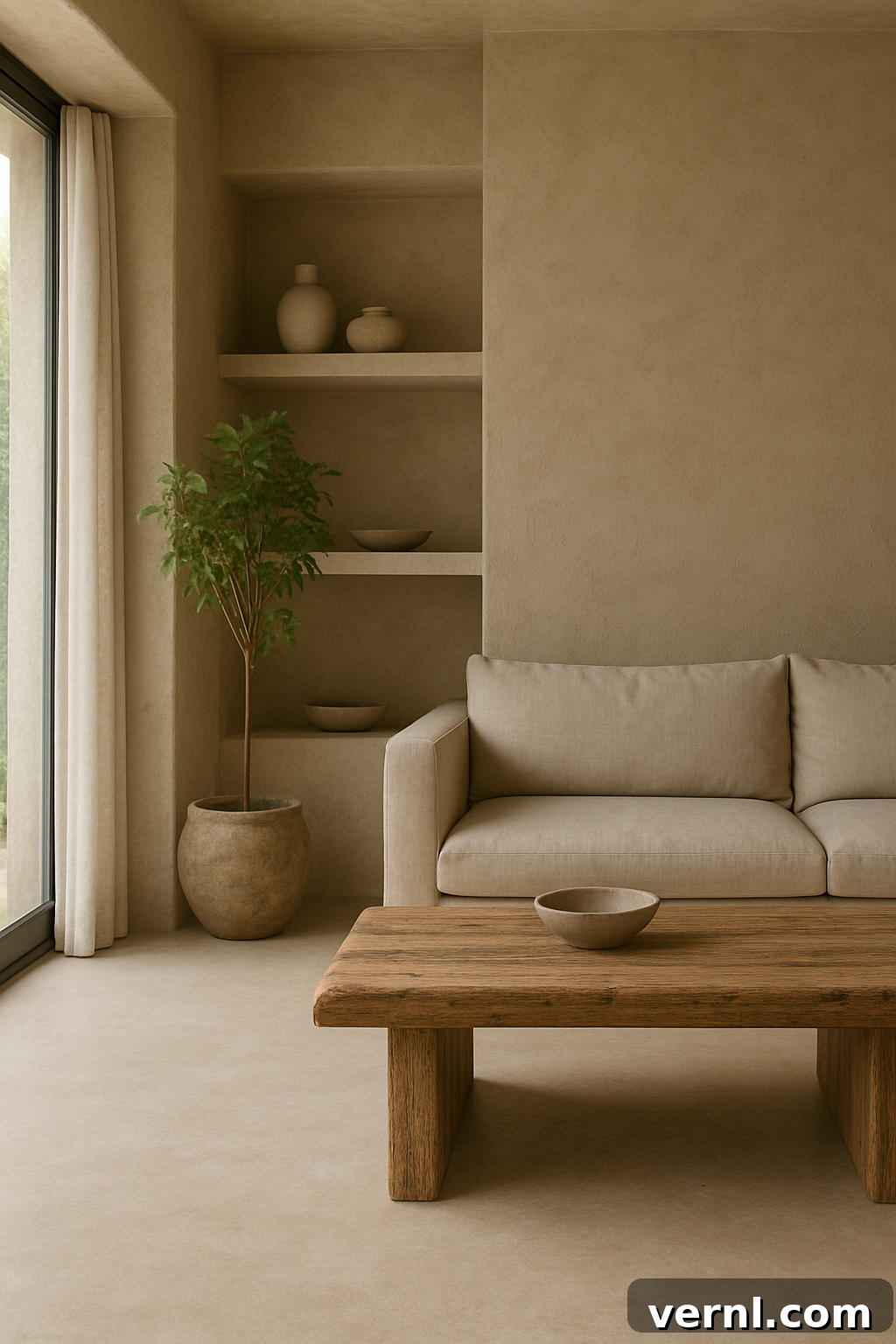
Protecting the environment is no longer a remote issue for others to solve; it has become a shared responsibility for governments, businesses, and individuals. Sustainability now shapes everyday choices—from the clothes we wear to the way we furnish and design our homes. In 2025, the growing demand for healthier living spaces, lower carbon footprints, and ethically sourced materials is fundamentally influencing how interiors are planned and built.
Both consumers and industry professionals increasingly prioritize eco-conscious decisions, leaving behind short-lived trends in favor of durable, responsible design. At the same time, innovation accelerates the sustainability transition: advances in recycled materials, energy-efficient technologies, and circular design principles are redefining how interiors are conceived and executed.
Sustainability is no longer an afterthought; it is central to contemporary design. Below are key ways sustainability is transforming homes and interior design today.
Sustainable Materials Lead the Way
The rise of recycled, reclaimed, and biodegradable materials has reshaped interior design. Conscious designers draw inspiration from sustainable options such as bamboo, cork, recycled metals, and eco-friendly textiles to create stylish, functional, and environmentally responsible spaces. These materials reduce waste and contribute to energy efficiency in both products and interiors.
Emerging materials expand creative possibilities: mycelium-based furniture, crafted from fungus roots, offers light, durable alternatives; bio-glass and other low-impact substitutes provide new options for glazing and decorative elements. These innovations allow designers to produce attractive, long-lasting furniture and decor while minimizing environmental harm, demonstrating that sustainability and design innovation can coexist.
A Shift Toward Circular Design
Circular design emphasizes longevity, repairability, and modularity. Designers who embrace this approach create pieces that can be maintained, upgraded, or repurposed instead of discarded. Modular furniture can be reconfigured as needs change, extending its useful life and reducing the need for replacement.
Choosing second-hand or vintage furniture is another effective circular strategy. Quality pre-owned pieces reduce demand for new production and often bring unique character and superior craftsmanship to a home. Upcycling and DIY projects also play a vital role in minimizing waste and encouraging creativity. This circular mindset fosters thoughtful consumption and keeps well-made items in use longer, benefiting both homeowners and the environment.
Modern Homes are Smart and Energy Efficient
The future of sustainable interiors includes advanced lighting systems, energy-efficient appliances, and home automation. These technologies help homeowners lower energy use without sacrificing comfort. Smart thermostats, for example, adjust heating and cooling based on occupancy, ensuring energy is used only when needed. Energy-efficient refrigerators, washers, and dishwashers further reduce power consumption and household bills.
Beyond appliances, renewable energy features such as solar panels and green roofs are increasingly common. Solar installations allow homes to generate electricity from sunlight, while green roofs add insulation, support biodiversity, and improve local air quality. Together, these features turn homes into more resilient, self-sufficient spaces.
Biophilic Design and Homes Inspired by Nature
Biophilic design, which integrates natural elements into the built environment, is gaining traction. Incorporating indoor plants, living walls, and ample natural light creates calming interiors that support wellbeing. Natural materials, textures, and views to the outdoors reinforce a connection to nature that many urban dwellers lack.
The psychological and physical benefits of biophilic design are significant: exposure to natural elements can reduce stress, improve mood, and enhance productivity. Improving indoor air quality with plants and ventilation, and prioritizing natural daylight, contributes to healthier living environments that nurture both body and mind.
Modern Design Inspires Conscious Consumerism
Minimalism and mindful consumption are central to current interior trends. Rather than chasing fast furniture and fleeting styles, many people now invest in high-quality, timeless pieces designed to last. This “buy less, choose well” approach reduces waste and encourages thoughtful curation of a home’s contents.
Selecting durable, well-made furniture and decor brings lasting value and personality to a space. For example, a single carefully chosen piece of canvas wall art or a handcrafted chair can define a room for years without needing replacement. Prioritizing craftsmanship and longevity supports sustainability by lowering overall consumption and promoting repair over disposal.
Embracing a Sustainable Future with Interior Design
Sustainability in interior design is not a passing trend but a fundamental shift. Designers now place functionality, durability, and environmental responsibility at the core of their work. Homes are expected to be beautiful and to contribute to a healthier planet through resource-efficient materials, energy-conscious systems, and thoughtful layouts.
The outlook for sustainable interiors is optimistic: new materials, smarter technologies, and circular practices create more opportunities to design spaces that are attractive, healthy, and environmentally responsible. Embracing sustainable design is an investment in a better future—for both people and the planet—encouraging choices that benefit wellbeing, resilience, and long-term value.
Discover how thoughtful design choices can enhance both your home and wellbeing by exploring guides on wellness-focused interiors and sustainable practices.