
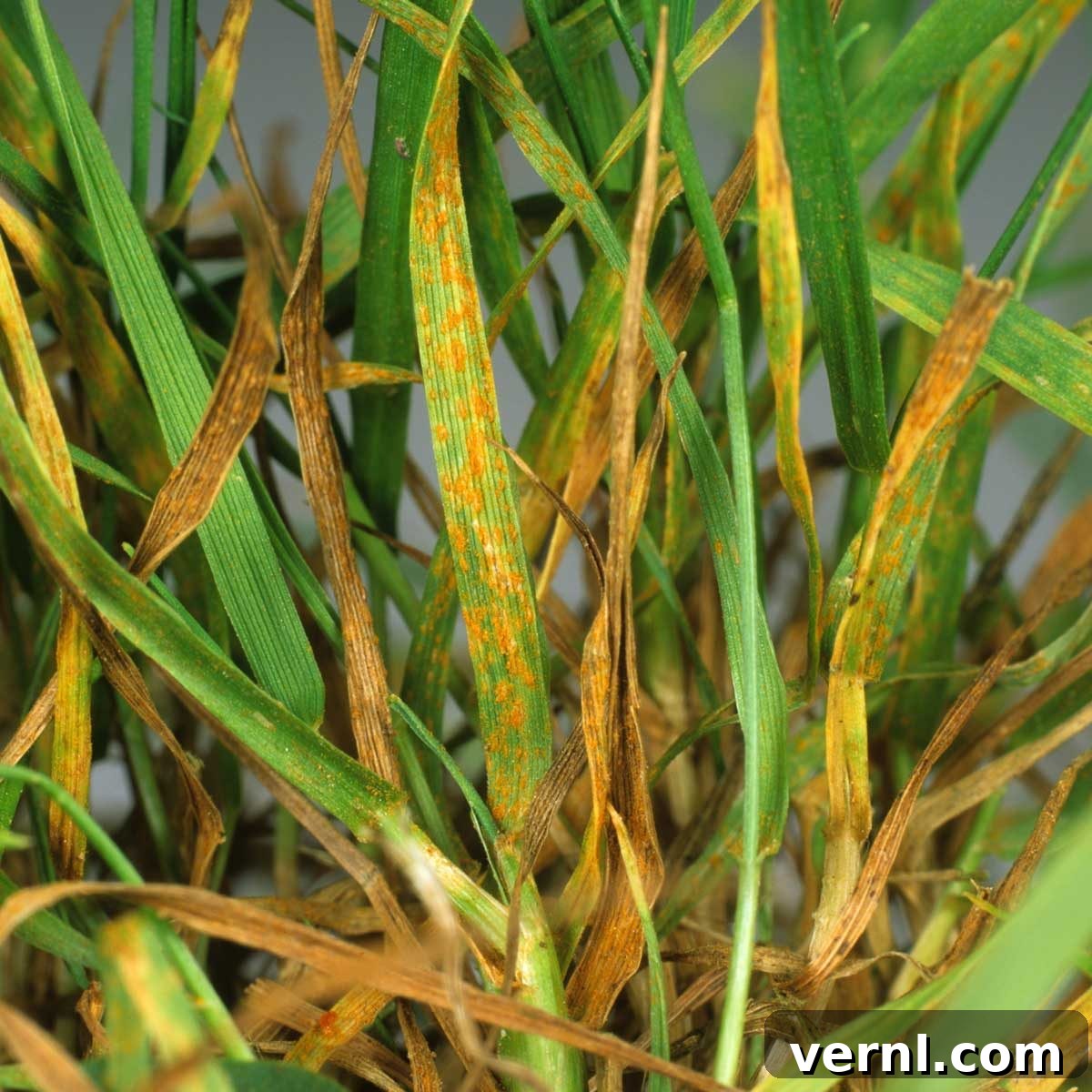
Lawn rust, scientifically known as Puccinia sp., is a common and often unwelcome guest in residential lawns, typically making its appearance from late summer through the fall months. This fungal disease thrives on stressed turfgrass varieties like Kentucky bluegrass and perennial ryegrass in northern climates, and tall fescue and zoysiagrass in the mid-South. While its vibrant, often alarming orange or reddish-brown color can cause concern, lawn rust is generally more of a cosmetic nuisance than a serious threat, rarely causing lasting damage to your lawn’s health or vitality.
However, understanding how to identify, effectively treat, and proactively prevent lawn rust is key to maintaining a lush, green, and vibrant yard year-round. This comprehensive guide will equip you with the knowledge to combat this common lawn ailment, ensuring your turf remains robust and beautiful.
Understanding Lawn Rust: What Causes This Common Fungus?
Lawn rust is a fungal disease, and like all plant diseases, it emerges when environmental conditions align perfectly for its development and spread. The culprit, Puccinia sp., is a parasitic fungus that specifically targets grass plants, drawing nutrients from their leaves. You’re most likely to spot lawn rust in your turf during late summer or early fall, a period when many lawns are already experiencing a degree of stress after a long and active growing season.
Several factors contribute to the ideal environment for lawn rust to flourish:
- Temperature and Humidity: Daytime temperatures consistently in the 70s F (approximately 21-26°C), combined with high dew points and prolonged periods of leaf wetness, create a perfect breeding ground for rust spores. This moist, mild environment allows the spores to germinate and infect grass blades efficiently.
- Low Light Conditions: Reduced light intensity, whether due to increased shade from mature trees and shrubs or the natural shortening of day lengths as seasons change, can trigger and exacerbate lawn rust activity. Less sunlight means less photosynthesis, weakening the grass and making it more susceptible to fungal attacks.
- Prolonged Wetness: Extended periods of cool, wet weather, particularly when grass blades remain damp for 6-8 hours or more, significantly foster fungal growth. This can be due to excessive rainfall, heavy dew, or improper watering practices.
- Stressed and Slow-Growing Lawns: Of all the contributing factors, a slow-growing lawn that is deficient in essential nutrients, especially nitrogen, and struggling with inconsistent watering is the easiest target for lawn rust. Stressed grass has a weakened immune system, making it less capable of fending off diseases. Drought stress followed by periods of moisture can also be a significant trigger.
- Susceptible Grass Types: Certain turfgrass varieties are more prone to rust infections. These include Kentucky bluegrass and perennial ryegrass common in cooler climates, and tall fescue and zoysiagrass prevalent in the mid-South.
Identifying Lawn Rust: Signs and Symptoms to Look For
Recognizing the early signs of lawn rust is crucial for prompt treatment and effective prevention. The symptoms are quite distinctive and, once seen, are hard to mistake for other lawn ailments.
- Distinctive Discoloration: The most obvious sign of lawn rust is the appearance of widespread yellowish-orange to reddish-brown patches across your lawn. In severe cases, these patches can make your entire lawn look dull, discolored, and unhealthy, significantly detracting from its aesthetic appeal. The color can range from a bright orange akin to iron rust to a deeper reddish-brown, depending on the specific Puccinia species and the stage of infection.
- Tiny Pustules on Grass Blades: Upon closer inspection, you’ll observe tiny, raised pustules (also called uredinia or sori) on individual grass leaves and stems. These are the spore-producing structures of the fungus. They are typically oval-shaped and can be numerous, giving the grass a speckled or bumpy texture.
- Orange Residue: A tell-tale sign that confirms a lawn rust infection is the orange or reddish-brown residue left behind. If you walk across an infected lawn, you’ll often find your shoes, clothing, or even pet’s fur covered in a powdery, rust-colored substance. These are millions of microscopic spores, which easily dislodge from the pustules and spread the disease to other parts of your lawn or even neighboring properties.
- Thinning and Weakened Grass: As the rust disease progresses, it siphons nutrients from the grass blades, inhibiting photosynthesis and overall plant vigor. This can lead to a general thinning of your grass, making it appear less dense and more sparse. While rarely fatal to established lawns, a severe and prolonged infection can weaken the turf, making it more vulnerable to other stresses, pests, or diseases. In newly seeded areas or lawns under extreme stress, it could potentially hinder growth or cause localized die-back.
Distinguishing lawn rust from other issues like nutrient deficiencies (e.g., iron chlorosis which causes yellowing but no pustules) or other fungal diseases is important. The presence of the characteristic orange pustules and residue is the definitive indicator of lawn rust.
Effective Strategies for Treating Rust on Grass
Fortunately, lawn rust is one of the easier lawn diseases to manage and eradicate, especially when caught early. Unlike some more aggressive fungal infections, it rarely necessitates drastic measures. The most effective treatments focus on improving lawn health and promoting vigorous growth.
Rapid Recovery with Nitrogen Fertilization
The simplest and most effective treatment for lawn rust involves applying a high-nitrogen, quick-release fertilizer as soon as the rust appears. Here’s why this works so well:
- Stimulates New Growth: Nitrogen is a primary nutrient responsible for robust leaf growth. When your lawn receives a boost of nitrogen, it triggers a surge of new blade production. This rapid growth allows the grass to effectively “grow out” of the rust infection. The newly formed, healthy blades replace the infected ones, which are then either mowed off or naturally shed.
- Overcoming Stress: Lawn rust often attacks stressed, slow-growing grass. Nitrogen fertilization helps to reverse this stress, revitalizing the turf and enhancing its natural defenses. Choose a quick-release nitrogen fertilizer for immediate impact, providing the rapid response needed to outpace the fungus. Follow the manufacturer’s recommendations for application rates to avoid over-fertilization, which can lead to other issues.
Optimizing Watering Practices
While moisture can contribute to rust development, proper watering is crucial for stimulating growth and helping your lawn recover from stress:
- Deep, Infrequent Watering: If your lawn is dry and showing signs of drought stress, supplemental watering will stimulate growth and aid recovery. However, it’s vital to water deeply and infrequently, rather than shallowly and often. This encourages grass roots to grow deeper, making the turf more resilient. Aim for 1 inch of water per week, applied in one or two sessions.
- Timing is Key: Always water in the early morning hours (before 10 AM). This allows the grass blades to dry completely before nightfall, minimizing the period of leaf wetness that fungi like rust thrive on. Avoid evening watering, as it can leave grass damp overnight, creating ideal conditions for fungal proliferation.
Mowing to Remove Infected Material
Proper mowing practices can significantly aid in treating an active rust infection:
- Bag Clippings: When you mow a lawn affected by rust, it’s advisable to bag the clippings instead of mulching them back into the lawn. This removes a significant portion of the infected leaf tissue, effectively reducing the spore load and preventing further spread of the disease across your turf.
- Clean Your Mower: After mowing an infected area, thoroughly clean your mower deck and blades. Rust spores can easily cling to equipment and be inadvertently spread to other healthy parts of your lawn or even to neighboring yards if you share equipment or have a lawn care service.
- Maintain Mowing Height: Continue to mow at your grass’s recommended height (typically 2.5-3 inches for most cool-season grasses). This encourages a dense canopy, which can help shade the soil and reduce surface moisture, while also ensuring enough leaf surface for photosynthesis.
Fungicides: Generally Not Recommended
It’s important to note that applying a fungicide is seldom necessary for lawn rust and is generally not recommended for homeowners. Rust is typically a cosmetic issue that responds well to cultural practices like fertilization and proper watering. Fungicides can be costly, may have environmental impacts, and are often overkill for a problem that can be resolved with simpler, more sustainable methods. Reserve fungicides for severe, persistent infections that do not respond to cultural controls, and consult with a lawn care professional if you believe it’s necessary.
Preventing Lawn Rust: Proactive Lawn Care for a Healthy Turf
The best defense against lawn rust is a strong offense—a healthy, well-maintained lawn. By adopting proactive lawn care practices, you can create an environment where rust struggles to take hold, keeping your turf vibrant and disease-free.
Strategic Fertilization Program
A consistent and well-planned fertilization schedule is your primary tool for preventing lawn rust. A well-fed lawn is a resilient lawn:
- Balanced Feeding: Implement a year-round fertilization program tailored to your grass type and climate. While nitrogen is key for treating active rust, a balanced approach with phosphorus and potassium ensures overall plant health and vigor, bolstering the grass’s natural defenses.
- Autumn Applications: Pay particular attention to your fall fertilization. Two timely applications of nitrogen-based lawn food after August 1st are often recommended (e.g., around August 1st and September 15th, though these dates can vary based on your specific location and growing zone). These late-season feedings provide the necessary nutrients for cool-season grasses to recover from summer stress and build reserves for winter, making them less susceptible to rust as temperatures begin to drop and moisture increases.
- Soil Testing: Consider a soil test every few years to understand your soil’s specific nutrient deficiencies and pH levels. This allows for precise fertilization, ensuring your lawn gets exactly what it needs without waste or imbalance.
Optimized Watering Practices
Maintaining appropriate soil moisture is critical for both preventing and managing lawn rust:
- Deep and Infrequent: Continue the practice of deep, infrequent watering. This encourages deep root growth, which improves the grass’s resilience to drought and disease.
- Morning Irrigation: Always water in the early morning to allow grass blades to dry completely during the day. Avoid late afternoon or evening watering, as prolonged leaf wetness overnight creates perfect conditions for fungal development.
Effective Shade Management
Low light conditions contribute to rust, so managing shade can be beneficial:
- Pruning Trees and Shrubs: If excessive shade is an issue, consider selectively pruning lower branches of trees and shrubs to improve light penetration and air circulation to your lawn.
- Shade-Tolerant Varieties: In areas with persistent shade, consider overseeding with grass varieties specifically bred for shade tolerance, as they will be less stressed by the lack of direct sunlight.
Improve Air Circulation and Soil Health
- Core Aeration: Practices like core aeration can significantly improve your lawn’s health. Aeration alleviates soil compaction, allowing for better water infiltration, nutrient absorption, and air circulation around grass roots. This leads to a stronger, more robust root system and a healthier lawn overall, less prone to disease.
- Proper Mowing: Maintain a consistent mowing schedule and optimal mowing height. A sharp mower blade makes clean cuts, reducing stress on the grass. Avoid cutting more than one-third of the blade height at any one time.
Selecting Rust-Resistant Grass Varieties
When reseeding your lawn or establishing a new one, choosing rust-resistant grass varieties is a powerful preventative measure. Many modern grass seed mixtures incorporate species and cultivars specifically bred for improved disease resistance, including rust.
- Reading Labels: Carefully examine grass seed labels for indications of rust resistance. Look for varieties explicitly noted as resistant to Puccinia sp. or various rust diseases.
-
Professional Guidance: Because grass seed mixtures can be complex, you may need assistance in selecting the best options for your specific climate and lawn conditions.
- Pro Tip: For personalized advice, refer to your local university extension service for lawn and garden information. These resources often provide cultivar recommendations that perform well in your specific region. Reputable retailers who specialize in grass seed and turf products can also be excellent sources of information.
Hygiene and Sanitation
- Compost Pile Caution: Never add clippings from rust-infested grass to your compost pile. The spores can survive the composting process if temperatures aren’t consistently high enough, potentially spreading the disease when the compost is later used. Dispose of infected clippings in municipal yard waste or trash.
- Mower Cleaning: If you hire out lawn care, inquire about their equipment cleaning practices. Commercial mowers can inadvertently spread rust spores from one lawn to the next, so ensuring they clean their equipment between jobs is a good practice.
Frequently Asked Questions About Lawn Rust
Is lawn rust harmful to pets or people?
Thankfully, lawn rust poses no health hazard to humans or pets. The spores are non-toxic and non-poisonous. While they might temporarily stain shoes or clothing, they will not cause illness or allergic reactions in the vast majority of cases. So, you can rest assured that your family and furry friends are safe to enjoy the lawn, even if it has a mild case of rust.
Can lawn rust kill my grass?
For established, healthy lawns, lawn rust is rarely fatal. It primarily causes cosmetic damage, leading to discoloration and a thinning appearance. However, severe and prolonged infections on already stressed or newly seeded lawns can weaken the grass significantly, making it more vulnerable to other environmental stresses, pests, or more aggressive diseases. In very extreme cases, it could potentially hinder new growth or cause localized die-back if the grass is unable to recover.
When is lawn rust most active?
Lawn rust typically becomes most active in late summer and early fall. This period is characterized by daytime temperatures in the 70s F (21-26°C), coupled with high humidity, ample dew, and often cooler nights. These conditions, combined with reduced sunlight and lawns potentially stressed from summer heat, create the perfect environment for the fungal spores to germinate and spread.
What grass types are most susceptible to lawn rust?
While lawn rust can affect various turfgrasses, certain types are more prone to infection. These include:
- Cool-season grasses: Kentucky bluegrass and perennial ryegrass are particularly susceptible in northern regions.
- Warm-season grasses: Tall fescue and zoysiagrass in the mid-South and transition zones are also common targets.
Opting for rust-resistant cultivars of these grass types when seeding can significantly reduce the risk of future outbreaks.
How quickly can I expect to see results after treatment?
With proper treatment, particularly the application of a quick-release nitrogen fertilizer, you can often see signs of improvement within 7-10 days. As the grass responds with a flush of new growth, the infected blades will be outgrown and eventually removed through mowing, leading to a noticeable reduction in rust symptoms and a return to a greener, healthier appearance. Consistent follow-up with good cultural practices will ensure long-term prevention.
Sources:
- Trugreen: “Lawn Diseases: Identification, Prevention and Treatment”
- Scotts: “How to prevent Grass and Lawn diseases”
- IOWA State University: “Extension and Outreach- Turf Grass Rust”