
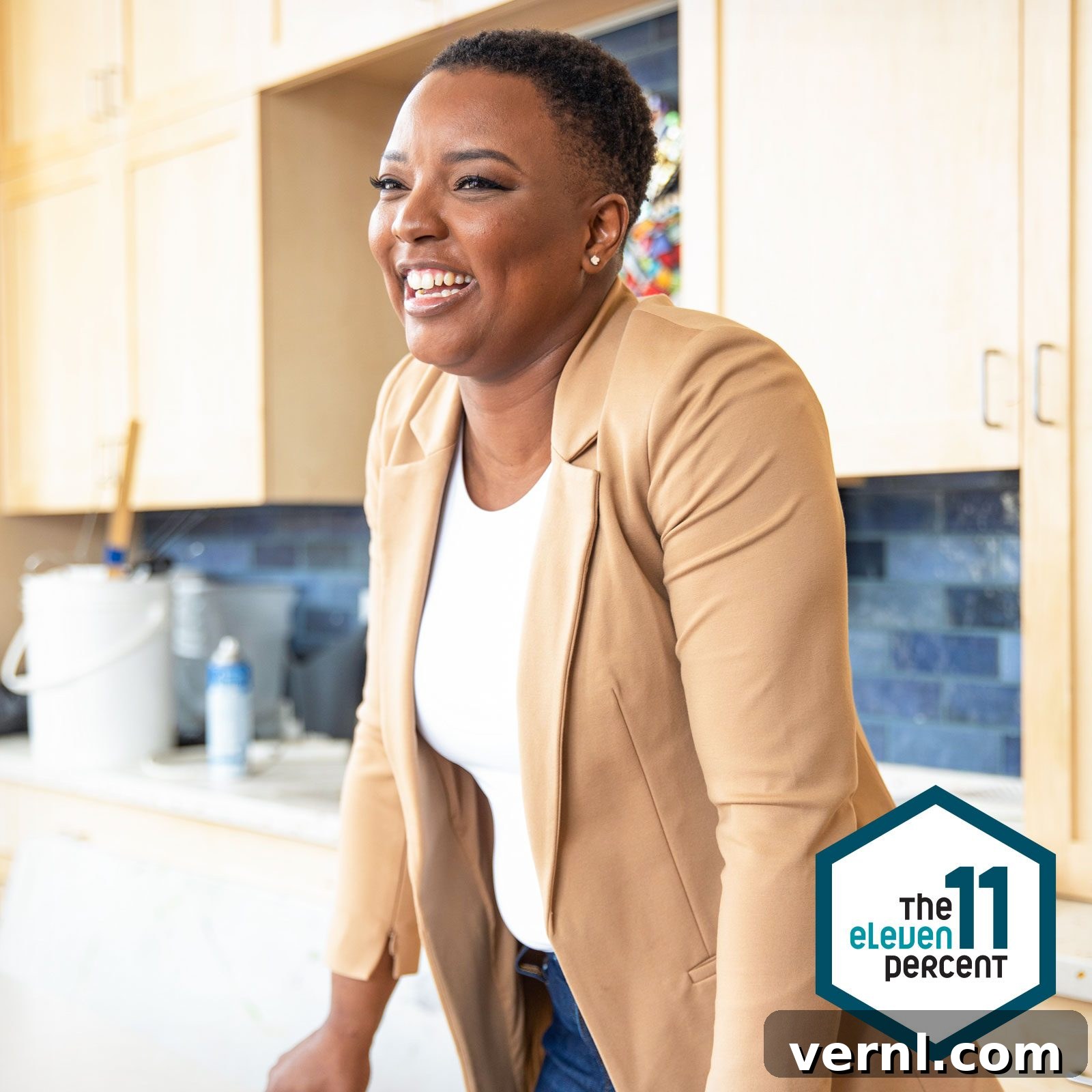
This exclusive series shines a spotlight on the remarkable women who are actively shaping the construction workforce in the U.S., a group that currently makes up 11 percent of the industry. We delve into their inspiring career paths, challenges overcome, and the profound impact they have on their communities. Do you know someone whose story deserves to be heard? Share their story with us.
Meet Tonda Thompson, a formidable woodworker, general contractor, and visionary community leader based in Milwaukee. Her multifaceted work extends far beyond the traditional scope of construction; it’s a testament to her lifelong commitment to turning adversity into powerful opportunities for personal and communal advancement.
Thompson’s journey is marked by profound transformation. After experiencing the tragic loss of her infant firstborn, she pivoted from a flourishing career as a runway model to becoming a fierce advocate for improved healthcare for Black mothers and infants. This pivotal moment ignited a passion for social change that continues to drive her endeavors today.
More recently, Thompson founded She Slangs Wood, a bespoke furniture business that carries a crucial secondary mission: to equip women with invaluable woodworking skills. She passionately exhibits her custom creations and the impressive work of her students on Instagram via @sheslangswood. Through her classes, she actively fosters a sense of community and collective empowerment. Below, Thompson shares more intimate details about her life and the impactful work she leads.
Q: What inspired your initial foray into the world of woodworking?
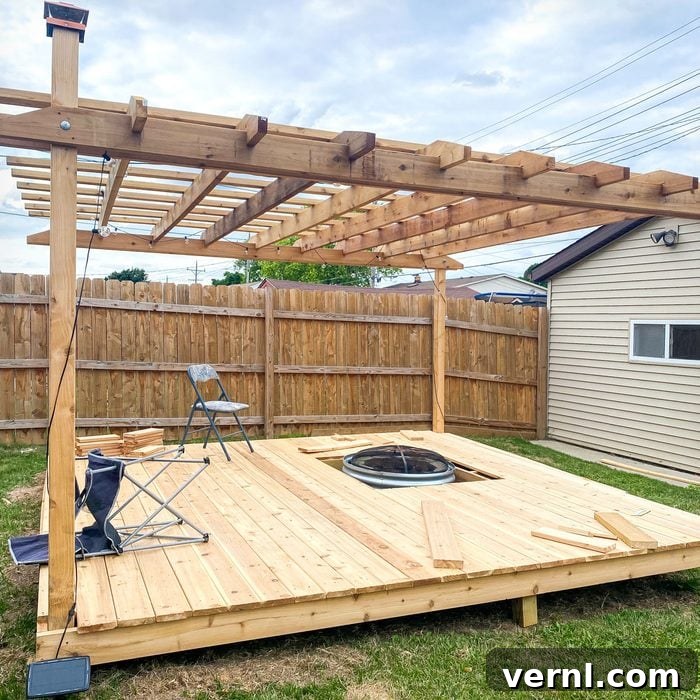
A: The catalyst for my woodworking journey was quite personal, rooted in a mother’s concern for her child’s safety. When my son was three, he possessed the boundless energy and theatrical flair of Mickey Mouse, constantly attempting to dance atop our delicate glass coffee table. The constant fear of it shattering, coupled with our financial limitations to purchase sturdy alternatives, spurred me to action. I resolved to learn how to build one myself. Armed with YouTube tutorials and sheer determination, I successfully constructed a robust table. The unexpected part was sharing it on social media, where it garnered an astonishing viral response.
This newfound skill emerged at a critical time. The onset of the COVID-19 pandemic brought my videographer business to an abrupt halt. With a surge of interest in my custom furniture, I transitioned into making pieces for others. As I delved deeper into building, crafting everything from tables to intricate porches, expansive decks, and sturdy fences, I discovered the profoundly therapeutic nature of this art form. It wasn’t just about creating objects; it was about building something meaningful, one piece at a time.
Later that year, amidst the social unrest of 2020, I made a conscious decision. While I had historically been at the forefront of racial justice movements, I felt a different calling. I decided to empower the younger generation to march and lead in the streets while I retreated to my garage, channeling my energy into construction. It was during this period that the sales from my custom tables generated enough capital to purchase a commercial building, a pivotal step in expanding my vision.
Q: Could you elaborate on the purpose and vision behind your commercial building?
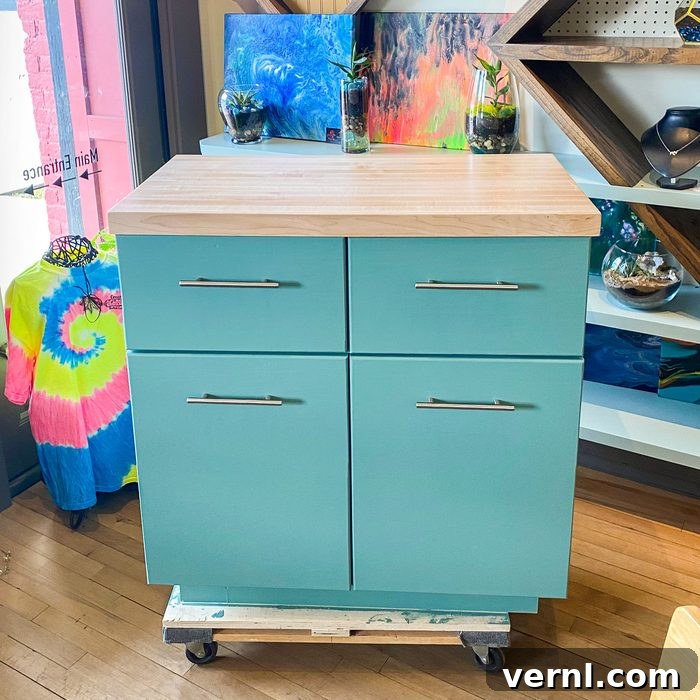
A: My commercial building is the vibrant home of the Valor Creative Collective. It’s not merely a workspace; it’s a dynamic hub designed to foster skill development and provide essential resources to the community, bringing together several of my interconnected ventures under one roof.
Within Valor Creative Collective, my business Vogue Dreams operates, offering comprehensive video and photography services while also teaching these invaluable skills. She Slangs Wood hosts its popular classes, teaching finish and construction carpentry, and also offers these services commercially. Furthermore, the building’s retail storefront proudly showcases and sells the unique home furnishings crafted by She Slangs Wood, providing a tangible platform for artistry and entrepreneurship.
Crucially, the building also serves as the headquarters for my nonprofit organization, the National Coalition for Healthy Black Families. It provides crucial meeting spaces and facilitates access to vital resources, including job opportunities and connections to mental and physical health services. This central location has been instrumental in allowing me to seamlessly integrate all my businesses and, most importantly, to amplify my enduring mission: to actively work towards eliminating the social determinants of health that tragically contribute to infant mortality rates.
Q: How do you perceive the relationship between skilled trades and community advocacy?
A: The connection between skilled trades and community advocacy is profoundly powerful and often underestimated. When you teach an individual, especially a woman, how to competently wield an impact drill, you’re not just providing them with a tool to earn money. You’re igniting a profound sense of confidence that is truly unparalleled. I’ve witnessed countless times how simply putting a drill into a woman’s hands transforms her demeanor; she suddenly realizes, “Oh my God, I have the power to change my world, to build, to create!”
This newfound confidence extends far beyond personal empowerment. In terms of community impact, that very same drill equips her with the ability to challenge and change perceptions, both within herself and in her environment. Consider a scenario where someone lives in a food desert, a neighborhood deprived of fresh, affordable food options, or a community grappling with systemic poverty. Learning a trade, mastering a tool, instills a tangible skill set. It empowers them to think differently, to take action. It shifts the mindset from passive acceptance to active problem-solving, enabling them to build a community garden, repair dilapidated structures, or create micro-businesses. It fosters the belief that if you learn how to use this tool, this skill, properly, you can indeed be an agent of change, transforming your immediate surroundings and ultimately, the trajectory of your life and community.
Q: Can you share a particularly memorable project from your She Slangs Wood experience?
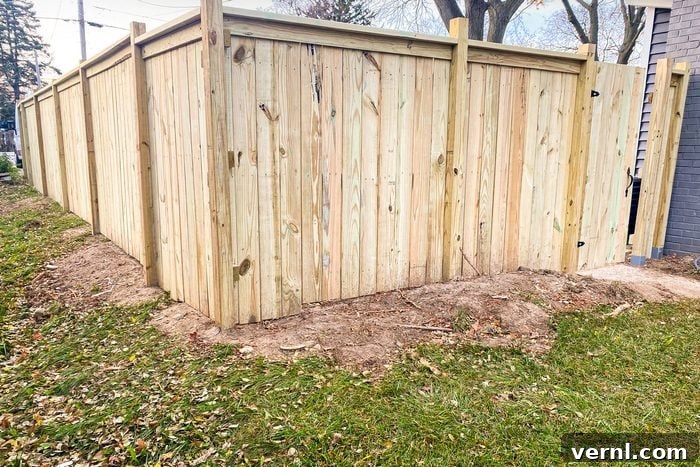
A: One of the most memorable projects involved building a privacy fence for a client, a project that quickly became a test of perseverance and diplomacy. Unbeknownst to us initially, the neighbor had also bid on the job, and when we were awarded the contract, it generated a palpable tension. He frequently approached our worksite, offering unsolicited criticisms and insisting we weren’t performing the work correctly.
The situation became quite challenging, requiring me to call upon a group of supportive men from the community to join us on site. Their presence was invaluable, not only offering protection from the escalating backlash but also, quite unexpectedly, providing expert advice. It turned out they were skilled fence builders themselves and graciously shared several practical tricks and techniques that significantly improved our workflow and the final product. What began as a conflict transformed into a collaborative learning experience.
In a wonderful turn of events, I still frequently encounter the neighbor at the lumberyard. He has since apologized for his initial behavior, and we’ve become friends, often laughing about the initial confrontation. This experience taught me a profound lesson: the importance of unwavering persistence and commitment to excellence, regardless of external scrutiny or conflict. I could have easily succumbed to the pressure and abandoned the project, but I chose to push through, determined to build the best fence in the neighborhood. And, in the end, that’s exactly what we achieved. It was a powerful reminder not to get discouraged in the face of adversity, but rather to use it as fuel to create something truly exceptional.
Q: What significant shifts or changes have you observed within the trades over time?
A: My personal experience offers a unique vantage point on the evolving landscape of skilled trades in the U.S. I attended a technical high school in the early 2000s, a period marked by a crucial policy shift. When the No Child Left Behind Act was enacted in 2001, it had a profound and, in my view, detrimental impact on vocational education. I witnessed firsthand the removal of vital trade programs from school curricula; our machinery was systematically replaced by textbooks, and there was an overwhelming institutional push for all students to pursue traditional four-year college degrees.
This shift, however, overlooked a fundamental truth: not every student thrives in an academic-only environment, nor does every student aspire to a university education. Many lacked the “tenacity,” as I observed, for a purely academic path and, without the alternative of robust vocational training, found themselves funneled into paths that ultimately didn’t serve them well. This policy has heavily impacted Millennials, including myself, over the past two decades, contributing significantly to the current skills gap. We now face a scenario where Baby Boomers, a generation rich with trade expertise, are retiring en masse, and there’s a critical shortage of skilled professionals ready and able to fill their shoes.
This observation fuels my current efforts to reverse this trend. Through She Slangs Wood and other initiatives, I actively work to teach high school girls essential carpentry skills and connect them with promising apprenticeship opportunities. My goal is two-fold: to instill in them the confidence that they are more than capable of excelling in the trades, and to help them understand the deeply therapeutic and empowering nature of this work. Why wait for someone else to build or fix something when you possess the knowledge and ability to do it yourself? This independence is not just practical; it’s transformative.
Q: What changes do you envision and hope to see for the trades in the coming years?
A: Currently, we are witnessing an exciting surge of women embracing DIY culture. Platforms like YouTube and TikTok are brimming with inspiring content showcasing women confidently undertaking a wide array of handy projects in their workshops and homes. This burgeoning movement is incredibly encouraging, but my deepest hope is that it transcends being a mere fad.
I aspire for this momentum to solidify into a sustainable cultural shift, allowing us to cultivate and maintain this newfound confidence and skill set for generations to come. The implications of women confidently engaging in the trades are far-reaching. It has the power to fundamentally transform neighborhoods by empowering residents to improve their homes and communities. It strengthens households by fostering self-sufficiency and resourcefulness. It impacts the schools our children attend by demonstrating the value of vocational skills and diverse career paths. This ripple effect then extends to change entire cities, states, and ultimately, the entire nation. Sustained engagement in the trades by women is not just about tools and timber; it’s about building a more resilient, equitable, and empowered society.
Tonda Thompson: A Bio of Impact and Empowerment
Tonda Thompson is a vibrant force of nature, seamlessly balancing her roles as a masterful woodworker, dedicated community developer, insightful teacher, captivating model, and nurturing mother. Her commitment to civic engagement has even seen her dabble in politics.
As the CEO of J.R. Creative Holdings, Tonda oversees a dynamic portfolio that includes She Slangs Wood Co., Valor Creative Collective, and Vogue Dreams Productions. Her life’s overarching mission is a powerful one: to inspire and encourage others to embrace their capabilities and walk with unwavering authority in every endeavor they undertake.
Following the profound tragedy of losing her first son, Terrell, Thompson transformed her grief into purposeful action, emerging as a serial entrepreneur and passionate community advocate. She is relentlessly dedicated to identifying and implementing solutions that reduce the pervasive social determinants of health, which disproportionately and negatively affect Black maternal, infant, and fetal health outcomes across the U.S.
Tonda is also the visionary founder of The National Coalition for Healthy Black Families, Inc. (NCHBF), an organization through which she has orchestrated impactful events, including the widely recognized HaRUNbee 5K, all aimed at fostering healthier communities.
Karuna Eberl: The Storyteller Behind the Stories
Karuna Eberl is a valued and regular contributor to Family Handyman, bringing a wealth of experience and a keen journalistic eye to her work. For the past 25 years, as a freelance journalist and filmmaker, Karuna has dedicated herself to crafting compelling narratives about people, the natural world, travel, scientific discoveries, and historical events.
Her exceptional talent has been recognized with numerous awards for her evocative writing, her comprehensive Florida Keys Travel Guide, and her thought-provoking documentary, The Guerrero Project. To delve deeper into her adventures and insights, follow Karuna on Instagram @QuixoticTravelers.