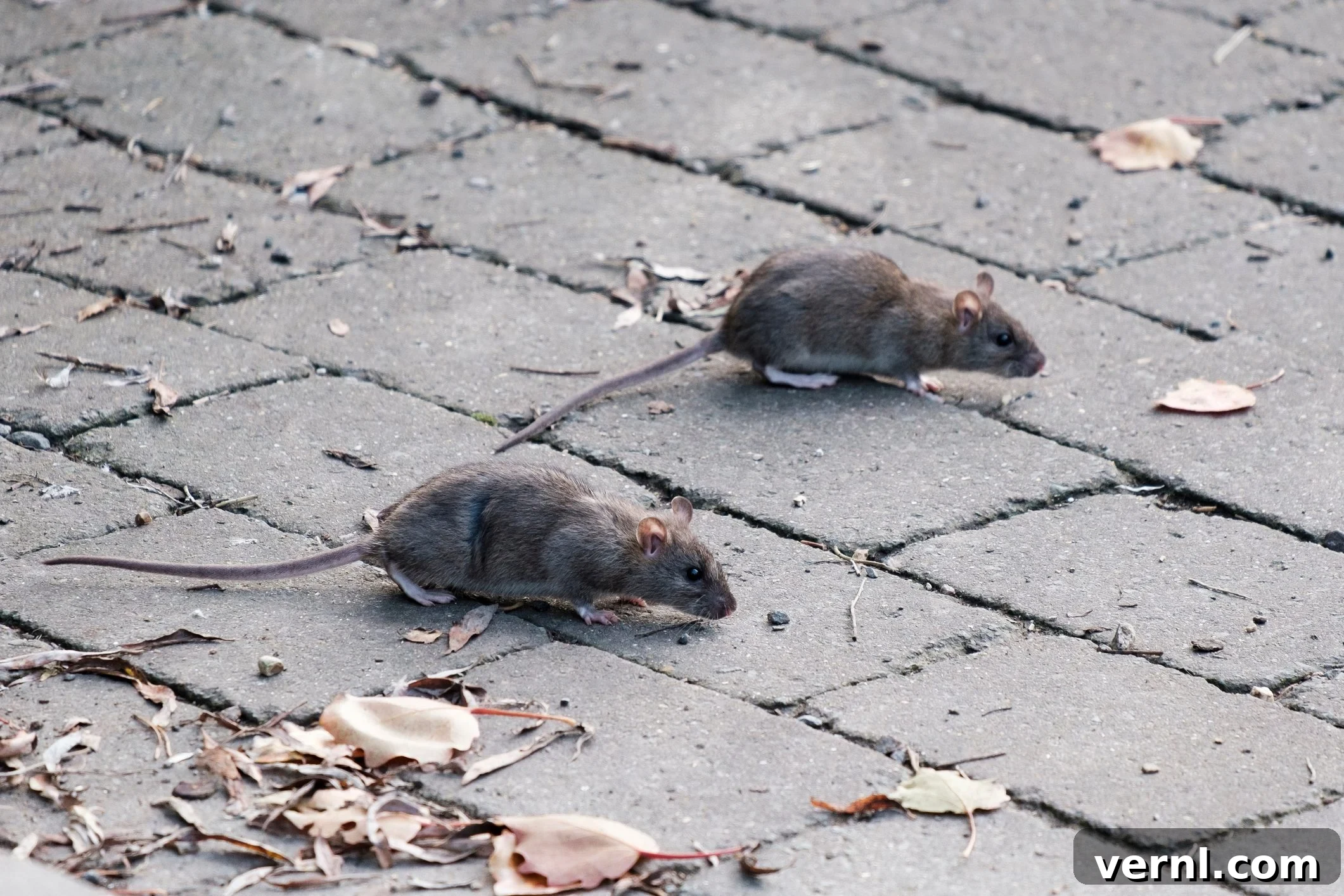
For millennia, humans and rats have shared an uneasy coexistence within urban landscapes. From ancient settlements to bustling modern metropolises, these tenacious rodents have consistently found ways to thrive alongside human populations. While the specter of plague doctors is largely a historical footnote, the challenges posed by rats in our cities remain a significant and persistent concern. Beyond mere nuisance, rat infestations present genuine threats to public health, property integrity, and overall quality of life, making effective rodent control a critical aspect of urban management.
The problem is particularly acute in major urban centers across the globe, and cities in the United States are certainly no exception. Understanding the scale of this ongoing battle, Orkin, a leading name in pest control, has diligently tracked and ranked the “Rattiest Cities in America” for the past ten years. This annual report, eagerly anticipated by city planners and homeowners alike, identifies the American cities where calls for rodent treatment are most prevalent, offering valuable insights into the dynamics of urban rat populations and the varying degrees of success in their containment.
What Is the Rattiest City in the U.S.?
The top spot on Orkin’s infamous list has been a consistent fixture since its inception a decade ago, a testament to the formidable challenges faced by one particular American city. For the tenth consecutive year, Chicago, Illinois, has unfortunately claimed the title of the Rattiest City in America. This unbroken streak underscores a complex and deeply entrenched issue, highlighting how specific urban characteristics can inadvertently create ideal breeding grounds for rodent populations, despite concerted efforts from residents and city officials.
Orkin’s analysis sheds light on several key factors contributing to Chicago’s unenviable distinction. The city’s unique urban planning, particularly its extensive network of alleys, provides rodents with abundant hidden havens. These often-overlooked thoroughfares offer vast, discreet spaces for rats to conceal themselves, establish nests, and feast readily on discarded trash and food waste. Beyond the alleys, Chicago’s sprawling subterranean infrastructure—including subway tracks and a labyrinth of underground pipes—offers additional layers of shelter and protection. These hidden, often undisturbed environments allow rat populations to flourish and multiply unchecked, making effective long-term control an arduous task. The sheer density of human activity, coupled with significant food waste from restaurants, households, and public events, further exacerbates the problem, ensuring a continuous and accessible food supply for these adaptable pests.
The consistent ranking of Chicago at the top serves as a stark reminder of the intricate relationship between urban design, human habits, and pest proliferation. It highlights that tackling a widespread rat problem requires more than just reactive measures; it demands a comprehensive, integrated pest management approach that addresses structural vulnerabilities, waste management practices, and ongoing public education. For residents and businesses in Chicago, understanding these contributing factors is the first step toward collaborative efforts to mitigate the challenges posed by their numerous four-legged neighbors.
Top Fifteen Rattiest Cities In the U.S.
While Chicago consistently holds the top position, the remainder of Orkin’s annual “Rattiest Cities” list reveals a broader landscape of urban rodent challenges across the United States. This ranking is not merely a curiosity; it reflects the intensity of rodent activity as measured by the volume of new pest control treatments initiated by Orkin professionals in residential and commercial areas. The cities on this list, representing diverse geographical regions and population densities, share common underlying issues that contribute to their high rankings, from aging infrastructure and dense urban living to prevalent food service industries and waste management complexities. Examining this list offers a snapshot of where the battle against urban rats is most actively being fought.
- Chicago, Ill.
- Los Angeles, Calif.
- New York, N.Y.
- San Francisco, Cali.
- Washington, D.C.
- Denver, Colo.
- Philadelphia, Pa.
- Detroit, Mich.
- Baltimore, Md.
- Cleveland, Ohio
- Minneapolis, Minn.
- Boston, Mass.
- Hartford, Conn.
- Seattle, Wash.
- Indianapolis, Ind
The consistent appearance of these major metropolitan hubs on the “Rattiest Cities” list highlights a shared struggle with urban pest management. Cities like New York and Los Angeles, with their immense populations and sprawling infrastructure, face monumental tasks in controlling rodent populations. Factors such as a high density of residential and commercial properties, extensive sewer systems, and large-scale food service operations contribute significantly to these cities becoming prime environments for rats. Furthermore, many of these urban centers possess older buildings and infrastructure, which often feature more access points and hidden spaces that rats can exploit for shelter and nesting.
While the top position may be held by Chicago, the presence of cities like San Francisco, Washington D.C., and Boston underscores that no major urban area is immune to significant rodent challenges. The rankings often fluctuate slightly year-to-year for positions below the top, indicating dynamic shifts in population and control efforts. Ultimately, this list serves as a crucial reminder for residents and city officials in these areas to remain vigilant, implement robust pest prevention strategies, and address the systemic issues that make their communities attractive to these pervasive urban dwellers.
How To Prevent Rats
As the vibrant colors of summer fade and autumn’s chill ushers in dropping temperatures, rodents, particularly rats, begin their annual quest for warm shelter and readily available food sources. This seasonal shift marks a critical period when homes and businesses become increasingly vulnerable to rat infestations. Understanding this fundamental motivation is the cornerstone of effective rat prevention. By strategically limiting access to these two primary necessities—warmth and sustenance—homeowners and property managers can significantly reduce their chances of experiencing a costly and unsanitary rodent problem.
One of the most critical steps in rodent proofing your home is a thorough exterior inspection. Rats can squeeze through surprisingly small openings; even a crack as tiny as half an inch can be sufficient for a determined rodent to infiltrate your walls, attic, or basement. Pay close attention to your foundation for any gaps, cracks, or holes. Inspect around utility lines (water, gas, electricity, cable) where they enter your home, as these are common points of entry if not properly sealed. Check doors and windows for tight seals; consider installing sweeps on exterior doors and repairing any damaged screens. Don’t forget the roofline: ensure vents are screened, chimneys are capped, and any overhanging tree branches are trimmed back to prevent easy access.
Beyond sealing entry points, meticulous sanitation is paramount. Rats are constantly searching for food. Secure all trash cans, both indoors and out, with tight-fitting lids. Store dry foods, including pet food, in sturdy, airtight containers made of plastic or metal, not just original bags or cardboard boxes which rats can easily chew through. Clean up food spills and crumbs immediately, and avoid leaving dirty dishes out overnight. If you have fruit trees or a garden, promptly pick up fallen produce and remove any decaying vegetation, which can attract rodents. Eliminating easy access to water, such as fixing leaky pipes and ensuring proper drainage around your foundation, also removes a vital resource for rats.
Being able to recognize the early signs of a rat infestation is crucial for prompt action. Common indicators include droppings—small, dark, pellet-like feces typically found near food sources or nesting areas. You might hear scratching or scurrying sounds within walls, ceilings, or attics, particularly at night when rats are most active. Gnaw marks on food packaging, wooden structures, electrical wires, or pipes are also clear evidence. Sometimes, a distinct musky odor may be noticeable, especially in enclosed spaces. If you discover any of these signs, immediate action is necessary.
For initial infestations, setting traps is often the first line of defense. Traditional snap traps can be highly effective when placed strategically along walls where rats travel. For those uncomfortable with snap traps, bait stations with rodenticides can also be used, though extreme caution is advised, especially in homes with children or pets. Always read and follow product instructions carefully. Concurrently with trapping, redouble your efforts to identify and seal any potential entry points you may have missed. Even if you catch one rat, others may still be finding their way in.
However, if the problem persists despite your best efforts, or if you suspect a large-scale infestation, do not hesitate to call in professional pest control experts. Professionals possess an in-depth understanding of rodent behavior, advanced tools, and effective treatment methods that are often unavailable to the average homeowner. They can accurately identify all entry points, assess the extent of the infestation, and implement a comprehensive strategy for removal and long-term prevention, ensuring the problem is dealt with quickly, effectively, and safely. Investing in professional services can save you significant time, stress, and potential property damage in the long run.
Source:
PR Newswire, “This Year Marks a Decade of Chicago as the Rattiest City in America”, 2024