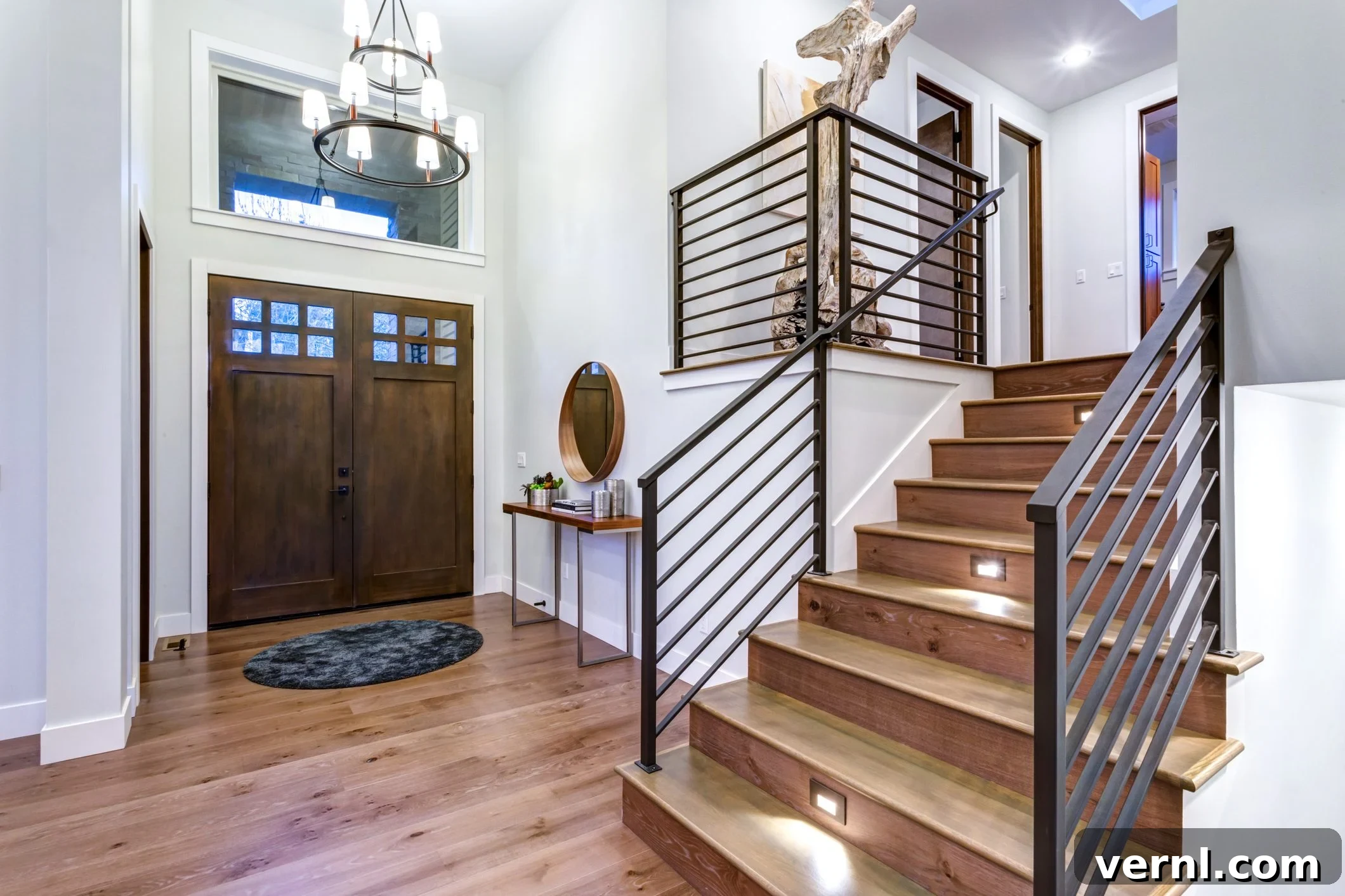
Stepping into a new home or simply re-evaluating your current living space often brings with it a fascinating journey of discovery. One particular area that frequently sparks curiosity is the foyer. If you’ve ever found yourself pondering, “What exactly is a foyer?” or “Does my home even have one, and how can I make it truly shine?” then you’re in the right place. Far from being an intimidating concept, the foyer is a key component of your home’s character, acting as its welcoming embrace. Understanding its purpose and potential can transform this often-overlooked space into a functional and stylish introduction to your personal sanctuary.
What Exactly is a Foyer? Unpacking the Definition
At its heart, a foyer serves as the transitional space between the outside world and the private haven of your home. It’s the very first area your guests experience, setting the stage for everything that lies beyond. Traditionally, a foyer is more than just a simple doorway; it’s a dedicated room or a distinct area designed for receiving visitors and allowing occupants to transition comfortably. Merriam-Webster accurately defines it as “an anteroom or lobby … or entrance hallway,” a concise description that perfectly encapsulates its role as a preliminary space.
In practical terms, this means the foyer is where coats are shed, shoes are removed, and first impressions are made. It’s often characterized by architectural features that distinguish it from the main living areas, such as different flooring, distinct lighting, or even a slight recess from adjacent rooms. While every home has an entrance, not all entrances possess the deliberate design and spatial separation that defines a true foyer. It’s about creating a sense of arrival, providing convenience, and offering a glimpse into the style and personality of the home it introduces.
Foyer vs. Entryway: Understanding the Nuance
The terms “foyer” and “entryway” are often used interchangeably, leading to confusion. However, a subtle yet significant distinction lies primarily in their level of formality, scale, and architectural intent. While both serve as points of entry, a foyer typically implies a more grand, dedicated, and often larger space compared to a general entryway.
Consider the grand scale: a foyer might be the impressive entrance to a historic museum, an opera house, or a luxurious hotel. It’s an expansive area designed to accommodate numerous people, offer a sense of anticipation, and provide amenities like coat checks before one proceeds into the main performance hall or exhibit. In a residential context, this formality translates to a more pronounced, often separate, room or a clearly defined open space just inside the main door. It’s designed to provide ample room for guests to shed outerwear, gather themselves, and feel a distinct transition from the external environment to the intimate atmosphere of the home.
An entryway, on the other hand, can be much simpler. It might be a small landing directly inside the door that immediately opens into the living room, or a short, narrow hall with no distinct architectural separation. While it fulfills the basic function of entry, it may lack the dedicated space, architectural flourish, or formal reception qualities of a true foyer. The presence of a coat closet, a built-in bench, or a console table within a designated area often signals a foyer, whereas a tight space with minimal amenities might be better described as an entryway. Ultimately, the difference is less about strict rules and more about the deliberate design and spatial generosity afforded to the welcoming area.
The Essential Elements of a Functional Foyer
Regardless of its size, a well-appointed foyer is one that balances aesthetics with practicality. It must address the immediate needs of anyone entering or exiting the home, providing convenience and organization from the moment they step inside. Incorporating key functional items can dramatically improve the usability and overall appeal of your foyer.
Smart Storage Solutions
One of the primary functions of any entrance space is to manage outerwear and accessories. A cluttered foyer can immediately create a sense of disarray, so effective storage is paramount.
- Coat and Accessory Management: It’s imperative to have a designated spot for coats, hats, scarves, and bags. Many homes are fortunate enough to have a built-in closet in the foyer, offering a neat and hidden storage solution. If your home lacks this feature, don’t despair! A stylish freestanding coat rack, a series of wall-mounted hooks, or even a hall tree with multiple functions can keep the area organized and prevent outerwear from accumulating on chairs or banisters. For smaller items like gloves or keys, consider a small decorative bowl or a wall-mounted organizer near the door.
- Shoe Storage: Especially if yours is a “shoes off” household, a dedicated shoe storage solution is a game-changer. This prevents mud, dirt, and clutter from tracking into your living spaces. Options range from simple tiered shelves or shoe racks tucked beneath a bench, to more elaborate closed cabinets that conceal footwear entirely. A shoe storage bench is particularly ingenious, offering both a place to sit while putting on or taking off shoes and a discreet spot to store them. This is especially practical in areas with severe winters where boots need a place to dry and prevent puddles.
- Umbrella Stand: Often overlooked, a sleek umbrella stand can be incredibly useful, especially on rainy days. It keeps wet umbrellas contained and prevents water from dripping onto your floors, contributing to both cleanliness and safety.
The All-Important Drop Zone
Beyond outerwear, everyone needs a place to set down everyday essentials upon entering the home. This “drop spot” is crucial for preventing lost keys, misplaced mail, and forgotten essentials.
- Console Table or Shelf: A narrow console table, a floating shelf, or even a small accent table provides the perfect surface for creating this vital drop zone. This is the ideal spot for keys, wallets, and incoming mail. Consider adding a small decorative tray or a catch-all bowl to contain smaller items.
- Charging Station: In today’s digital age, many people appreciate a convenient spot to charge their phones or other devices immediately upon entering the home. A small charging station integrated into a console table can be a modern and highly functional addition.
- Guest Item Placement: When guests arrive, your foyer’s drop zone can serve as a thoughtful place for them to temporarily set down their phones, purses, or even hostess gifts, keeping their hands free and their belongings secure.
Elevating Your Foyer’s Aesthetic: Decor and Design Ideas
Beyond its functional aspects, your foyer is a powerful design tool. It’s the first glimpse into your personal style and sets the mood for the entire home. Thoughtful decoration can transform a simple entrance into a captivating and inviting space that truly reflects who you are.
Setting the Tone
Your foyer offers a unique opportunity to make a lasting first impression. The decor you choose can instantly communicate the aesthetic and ambiance of your home, whether it’s classic, modern, rustic, or eclectic. This space acts as a prelude, hinting at the design elements and color palettes that will unfold in the subsequent rooms. It’s about creating a cohesive flow and an immediate sense of belonging for anyone stepping across your threshold.
Illuminating the Space
Proper lighting is paramount in a foyer. It enhances visibility, creates an inviting atmosphere, and can highlight architectural features or decor. Consider a striking pendant light or chandelier if you have high ceilings to draw the eye upward and add a touch of drama. Wall sconces can provide ambient light and a sense of elegance, while a small table lamp on a console can add warmth and intimacy. Natural light should also be maximized; if possible, avoid heavy window treatments that block sunlight.
The Power of Mirrors
Mirrors are a design staple for foyers for several excellent reasons. They are invaluable for making the space look significantly bigger and brighter by reflecting light, especially in smaller or darker entryways. Practically, a mirror is also incredibly handy for a quick, last-minute check of your appearance before heading out the door. When choosing a mirror, consider its size and frame: a large, statement mirror can become a focal point, while an ornate frame can add a touch of sophistication or match your existing decor. Properly hanging a heavy mirror ensures safety and longevity.
Adding Life with Greenery
Bringing natural elements into your foyer can instantly liven up the space and make it feel fresh and welcoming. Houseplants and fresh flowers add color, texture, and a touch of organic beauty.
- Houseplants: If you’re a plant enthusiast, hardy varieties like snake plants, ZZ plants, or Pothos are excellent choices as they require minimal care and can thrive in varying light conditions, ensuring your home always looks vibrant and pulled together. You can find inspiration from invincible houseplants that require little maintenance. For those who love the look of greenery but prefer zero maintenance, high-quality leafy fake plants are a fantastic alternative, offering all the aesthetic benefits without the watering schedule or fuss.
- Vases and Seasonal Flowers: A beautifully arranged vase of fresh flowers is a classic way to add elegance and fragrance to your foyer. Changing out the blooms regularly allows you to keep the colors and arrangements in tune with the current season, providing a dynamic and ever-fresh greeting. Decorating your foyer table with such elements can truly elevate the space.
Art and Wall Decor
The walls of your foyer present a blank canvas for personal expression. A single, captivating piece of art can serve as a focal point, drawing the eye and sparking conversation. Alternatively, a curated gallery wall featuring a collection of photographs, prints, or mirrors can add depth and tell a story about your personality and experiences. Remember to choose pieces that resonate with you and complement the overall aesthetic you wish to convey.
Flooring and Rugs
The flooring in your foyer should be both durable and visually appealing. Materials like tile, hardwood, or laminate are practical choices that can withstand heavy foot traffic and are easy to clean. An area rug or a runner can further define the space, add warmth, and introduce color or pattern. Choose a rug that can withstand dirt and moisture, and consider a darker color or a pattern that helps conceal minor imperfections.
Maximizing a Small Foyer Space
Not every home boasts a grand, sprawling foyer, but even the most compact entrance can be transformed into a functional and inviting area with smart design choices. The key is to think vertically, utilize multi-functional pieces, and employ visual tricks to create a sense of spaciousness.
- Vertical Storage: Instead of bulky furniture, opt for floating shelves, wall-mounted hooks, or a narrow console table that doesn’t protrude too much into the walkway. A tall, slim coat rack can offer ample hanging space without occupying significant floor area.
- Mirror Power: As mentioned, a large mirror is your best friend in a small foyer. It reflects light, making the space feel instantly larger and brighter. Position it strategically to reflect an interesting view or another well-lit area.
- Light Colors: Lighter paint colors on walls and ceilings can make a small foyer feel more open and airy. If you want to add color, consider it in accents rather than overwhelming the main surfaces.
- Clever Furniture: Look for narrow benches with built-in storage or ottomans that can be tucked away when not in use. Furniture with legs, rather than solid bases, can also make a space feel less cluttered by allowing the eye to see the floor beneath.
- Declutter Ruthlessly: In a small space, every item counts. Be mindful of what you keep in your foyer, ensuring only essential and decorative items are present to avoid visual chaos.
Foyer Maintenance: Keeping Your Welcome Pristine
A well-designed foyer is only as effective as its upkeep. Regular maintenance ensures this critical entry point remains an inviting and organized space, making a positive impression every single time someone enters your home.
- Daily Tidy-Up: Make it a habit to quickly declutter the foyer each day. This involves hanging up coats, arranging shoes neatly, sorting mail, and wiping down any visible dust or dirt. This quick routine prevents clutter from accumulating and becoming overwhelming.
- Seasonal Adjustments: As seasons change, so too should your foyer’s needs. In winter, ensure there’s ample space for heavy coats, boots, and perhaps a tray to catch melting snow. In summer, lighter jackets and a fresh vase of seasonal flowers might be more appropriate. Adapting your decor and storage helps keep the space functional and aesthetically pleasing year-round.
- Regular Cleaning: Given its high traffic, the foyer requires frequent cleaning. Vacuum or sweep the floor regularly, wipe down surfaces of tables and shelves, and clean any mirrors or glass. This not only maintains hygiene but also keeps the space looking sharp and welcoming.
The foyer, far from being just a transitional area, is a powerful statement of your home’s personality and an indispensable hub for daily organization. By understanding its purpose, distinguishing it from a simple entryway, and implementing thoughtful design and storage solutions, you can transform this space into a true asset. Whether you’re furnishing a grand entrance or maximizing a compact corner, investing time and creativity in your foyer will undoubtedly enhance both the aesthetics and functionality of your entire home, offering a warm and stylish welcome to all who enter.