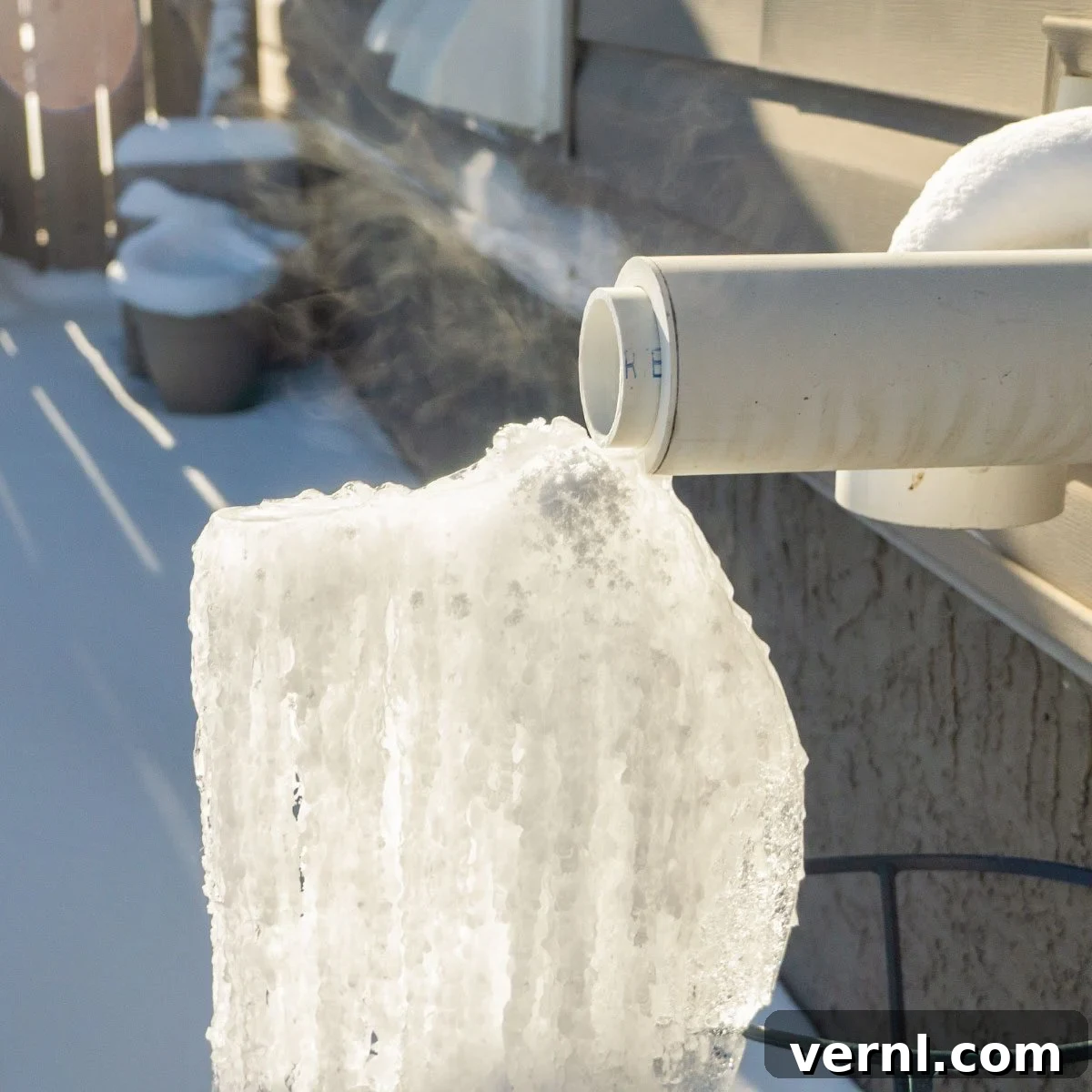
The Unseen Danger of Snow: Protecting Your Home by Clearing Furnace Vents
When the winter season arrives, and snowflakes begin to blanket the landscape, our immediate instinct is to grab a shovel and clear pathways around our homes, especially the driveway. Ensuring safe passage and preventing slips and falls are priorities. However, there’s another critical area outside your home that demands just as much attention during heavy snowfall: your furnace vents.
Often overlooked, these vents are essential for the proper functioning of your home’s heating system and overall air quality. Understanding their role and the potential dangers of snow accumulation around them is crucial for maintaining a safe and comfortable living environment throughout the winter months.
The Vital Role of Furnace Vents: Your Home’s Breathing System
Think of your furnace vents as the lungs of your home. These intake and exhaust vents, usually located on the exterior walls of your house, facilitate the crucial exchange of air needed for your furnace to operate efficiently. The intake vent draws in fresh air from outside, which is necessary for the combustion process within the furnace. The exhaust vent, on the other hand, expels harmful gases, including carbon monoxide, away from your living space.
When these vents become obstructed, the entire system is compromised. A blocked intake vent can starve the furnace of the oxygen it needs, leading to inefficient combustion, reduced heating performance, and even complete shutdown. More critically, a blocked exhaust vent can prevent the proper venting of dangerous gases, potentially leading to a buildup of carbon monoxide inside your home.
The Threat of Heavy Snowfall: A Silent Hazard
Under normal circumstances, the height of your furnace vents usually keeps them clear of light to moderate snowfall. However, during significant winter storms, when snow accumulates rapidly and drifts into deep piles, these vents become vulnerable. Several feet of snow can quickly bury the vents, creating a significant blockage and disrupting the crucial airflow necessary for safe and efficient furnace operation.
Imagine a scenario where a blizzard dumps several feet of snow overnight. The strong winds create drifts that pile up against the side of your house, completely covering your furnace vents. This seemingly innocuous situation can quickly turn into a dangerous one if left unaddressed.
The Consequences of Blocked Furnace Vents: Beyond a Cold House
The consequences of neglecting to clear snow from your furnace vents extend far beyond simply having a cold house. While a malfunctioning furnace is certainly an inconvenience during the winter, the potential health risks associated with blocked vents are far more serious.
- Furnace Shutdown: As mentioned earlier, a blocked intake vent can lead to the furnace shutting down completely. Without a sufficient supply of fresh air, the furnace struggles to operate, eventually triggering a safety mechanism that shuts it off to prevent damage.
- Reduced Heating Efficiency: Even if the furnace doesn’t shut down entirely, a partially blocked intake vent can significantly reduce its efficiency. The furnace has to work harder to draw in the required air, consuming more energy and increasing your heating bills.
- Carbon Monoxide Buildup: This is perhaps the most dangerous consequence of blocked furnace vents. Carbon monoxide (CO) is a colorless, odorless gas that is produced during the incomplete combustion of fuels like natural gas, propane, and oil. Furnaces are designed to safely vent this gas outside your home through the exhaust vent. However, if the vent is blocked, the CO can seep back into your living space, posing a serious health risk.
- Health Risks of Carbon Monoxide Poisoning: Carbon monoxide poisoning can cause a range of symptoms, from mild headaches and nausea to dizziness, confusion, and even death. Infants, young children, pregnant women, and individuals with pre-existing respiratory or cardiovascular conditions are particularly vulnerable to the effects of CO poisoning.
Preventing Disaster: A Simple Solution
Fortunately, preventing these problems is relatively simple and requires minimal effort. The solution is to regularly clear snow from around your furnace vents during and after significant snowfalls.
Here’s a step-by-step guide:
- Gather your tools: You’ll need a small, lightweight shovel – a hand shovel or garden trowel works well. Avoid using a large snow shovel, as it can be difficult to maneuver in tight spaces and may damage the vents.
- Locate your furnace vents: Identify the intake and exhaust vents on the exterior walls of your home. They are typically located close to the ground and may be covered with a protective grate.
- Clear the snow: Carefully shovel away the snow around the vents, creating a clear space of at least 2-3 feet in all directions. Be gentle to avoid damaging the vents or surrounding structures.
- Check for ice: Inspect the vents for any ice buildup. If you find any ice, carefully chip it away using a blunt tool. Avoid using sharp objects that could damage the vents.
- Repeat regularly: Make it a habit to check and clear your furnace vents after every significant snowfall. This will ensure that they remain free of obstructions and that your furnace operates safely and efficiently.
Additional Tips for Winter Home Safety
In addition to clearing snow from your furnace vents, consider these other winter home safety tips:
- Install carbon monoxide detectors: Ensure that you have working carbon monoxide detectors installed on every level of your home, especially near sleeping areas. Test the detectors regularly and replace the batteries as needed.
- Schedule regular furnace maintenance: Have your furnace professionally inspected and maintained at least once a year. A qualified technician can identify and address potential problems before they become serious.
- Keep flammable materials away from the furnace: Store flammable materials, such as paint, gasoline, and cleaning supplies, away from the furnace and other heating appliances.
- Never use a gas oven or stove to heat your home: These appliances are not designed for heating and can produce dangerous levels of carbon monoxide.
- Ensure proper ventilation: When using fireplaces or wood-burning stoves, make sure the chimney is properly vented and the room is well-ventilated.
Conclusion: Prioritizing Safety and Comfort
Clearing snow from your furnace vents is a simple yet crucial task that can significantly impact the safety and comfort of your home during the winter months. By taking a few minutes to clear away the snow, you can prevent furnace shutdowns, reduce the risk of carbon monoxide poisoning, and ensure that your heating system operates efficiently. So, the next time you’re shoveling your driveway, remember to give your furnace vents some attention as well. Your family’s health and well-being are worth the effort.
Stay safe and warm this winter!