
Mastering the Scroll Saw: Precision Cutting and Avoiding Burn Marks |
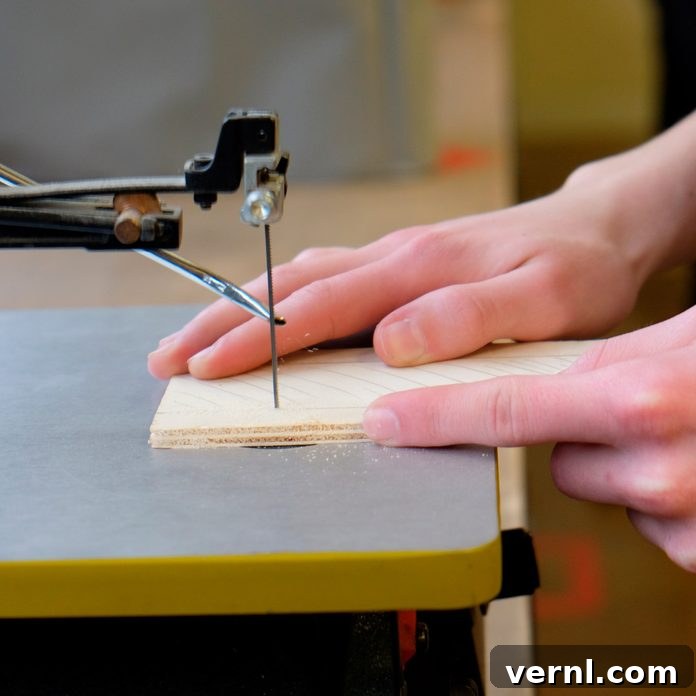
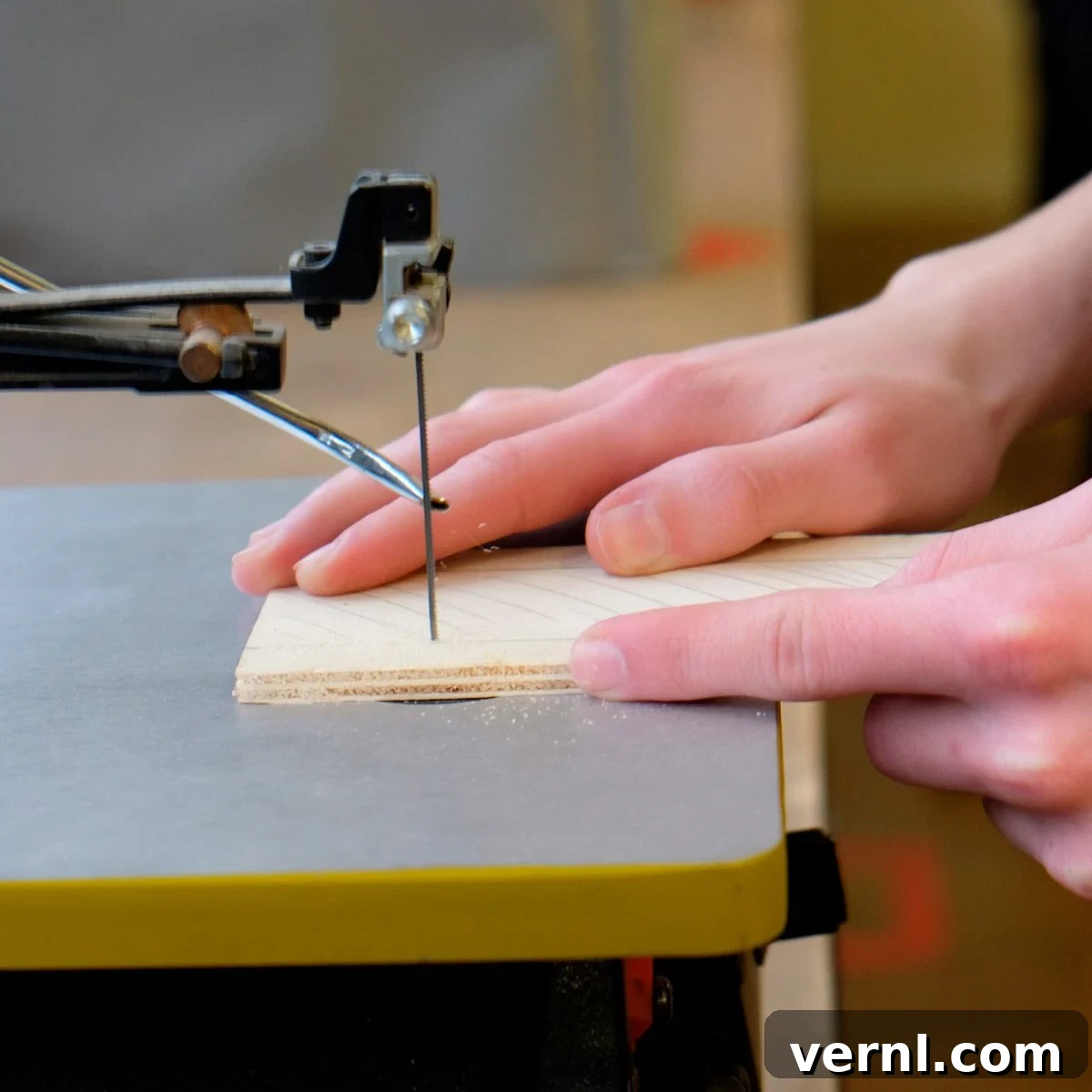
For hobbyists and professional woodworkers alike, the pursuit of precision and artistic detail often leads to a specialized tool that stands in a class of its own: the scroll saw. This remarkable piece of equipment, often likened to a powered, benchtop coping saw, is designed for the most delicate and intricate cutting tasks that other power saws simply cannot accomplish. With its fine, reciprocating blade and often hands-free, adjustable speed control via a foot pedal, a scroll saw opens up a world of creative possibilities, from crafting elaborate joinery to producing beautiful decorative pieces. If you’re a casual DIY enthusiast, you’ve likely encountered images of its capabilities, and many woodworking hobbyists have already experienced its unique advantages. But should a scroll saw find a permanent place in your workshop? This comprehensive guide will delve into what makes a scroll saw indispensable for certain projects, explore its various types, and provide essential tips for achieving flawless cuts – including the crucial technique of how to cut without burning your precious materials. Read on to uncover whether this specialty tool is the missing link in your crafting arsenal.
What Does a Scroll Saw Do? The Art of Precision Cutting
While not typically the first purchase for most general DIYers or even many woodworkers, the scroll saw holds a distinct and invaluable niche in the workshop. It truly shines as a specialty tool, unparalleled when it comes to making intricate cuts in small, delicate parts. Its most defining feature is its ability to perform fully enclosed cuts. This means you can drill a small pilot hole within your workpiece, thread the blade through it, and then proceed to cut internal designs without ever cutting through the outer edges of the material. This capability is simply indispensable for projects like fretwork, intarsia, and creating custom wooden puzzles.
Unlike a band saw, which uses a continuous loop blade, the scroll saw employs a short, very thin blade that reciprocates rapidly up and down. This vertical motion, combined with the incredibly fine gauge of the blade, allows for astonishingly tight turns and detailed contours that would be impossible with larger, more rigid saw blades. Scroll saw blades are available in a vast array of sizes, tooth counts, and configurations, making them incredibly versatile. While primarily celebrated for its work with wood – from softwoods to hardwoods – with the proper blade, a scroll saw can also precisely cut through a variety of other materials including plastics, composite materials, non-ferrous metals like brass and aluminum, and even glass, given the right diamond-coated blade.
Operating a scroll saw typically involves guiding the material with both hands while controlling the blade speed with a foot pedal, freeing your hands to manipulate the workpiece with unparalleled accuracy. Modern scroll saws also feature advancements like tool-less blade changes, variable speed controls, and integrated dust blowers, all designed to enhance the user experience and the quality of the finished product. Understanding these capabilities is the first step in appreciating the true potential of this specialized tool.
Exploring Different Types of Scroll Saws and Key Features
When considering a scroll saw, one of the primary distinctions you’ll encounter is its size, which is determined by its “throat.” The throat size refers to the distance from the blade to the rear frame or support of the saw, where the blade mechanism is housed and connected to the table. Essentially, the larger the throat, the wider the piece of material you can comfortably cut without hitting the back of the machine. Scroll saws typically range from compact 12-inch beginner models, which are perfect for smaller projects and cost-effective entry into the hobby (often a little over $100), to expansive 30-inch professional machines. These larger, industrial-grade scroll saws are frequently found in commercial workshops and manufacturing facilities, reflecting their robust construction and higher capacities, often carrying price tags well into the thousands of dollars.
Beyond throat size, scroll saws also come with different arm styles, each offering distinct advantages in terms of vibration, precision, and ease of use:
- Parallel Arm: This is the most common and recognizable design, often seen in local hardware stores. In a parallel arm saw, two arms (upper and lower) are connected at the rear of the saw, and they move up and down in unison, parallel to each other. They are generally reliable and a great choice for general-purpose scrolling, offering a good balance of performance and affordability.
- C-Arm (or Parallel-Gram Arm): Similar in function to the parallel arm, the C-arm design features arms that are integrated into a single, continuous “C” shape. This monolithic construction often results in a more rigid frame, which can translate to slightly reduced vibration and enhanced cutting accuracy compared to some parallel arm designs.
- Parallel Link (or Double Parallel Link): Often considered the pinnacle of scroll saw design, the parallel link system utilizes a more complex mechanism, often involving multiple pivot points and a pulley system. The key benefit of this intricate design is a significantly reduced vibration level during operation. Less vibration directly translates to greater accuracy, smoother cuts, and reduced user fatigue, making parallel link scroll saws ideal for the most demanding, intricate work and professional applications. While these are typically the most expensive and complex tools on the market, their superior performance justifies the investment for serious enthusiasts and commercial users.
When choosing a scroll saw, consider additional features that can significantly impact your experience: variable speed control is crucial for adapting to different materials and cutting requirements; a tool-less blade change system vastly speeds up blade swaps; a dust blower keeps your cutting line clear; an adjustable work light improves visibility; and a tilting table allows for angled cuts, expanding your project versatility. These considerations will help you select the best scroll saw for your specific needs and projects.
Do You Need a Scroll Saw? Making the Right Investment
For many general DIY tasks, there aren’t a vast number of applications for a scroll saw that another, more common tool couldn’t handle, perhaps even more efficiently. As previously highlighted, the scroll saw truly is a specialty tool – it excels at one thing better than any other machine: intricate, delicate cuts, especially those involving internal designs. So, the question isn’t whether you *can* use it for every project, but rather, when does its unique precision become an absolute necessity?
If your current or future projects involve detailed work such as creating intricate intarsia (a type of wood mosaic where different wood pieces are fitted together to form a picture), crafting elaborate fretwork, producing custom wooden children’s toys and puzzles with interlocking pieces, or designing delicate decorative inlays for furniture, then a scroll saw moves from a luxury to an essential tool. These types of projects demand the fine control and precise cutting capabilities that only a scroll saw can deliver. Its ability to pivot sharply and make incredibly tight turns allows for artistic expressions that are simply out of reach for band saws, jigsaws, or coping saws.
However, if your typical woodworking projects lean more towards basic joinery, rough cutting of lumber, or constructing large furniture pieces, a scroll saw might remain on your “nice-to-have” list rather than your “must-have” list. It’s a significant investment for a specific range of tasks. That said, for the dedicated tool junkie, the experimental woodworker, or anyone looking to expand their creative horizons into detailed artistry, a scroll saw is often already a coveted item on their wish list. For those already convinced, or those who own one and wish to master it, delving into proper techniques is key. (If you’re still deciding, here’s our list of the best scroll saws to help you choose.)
Mastering Your Scroll Saw: Tips for Flawless Cuts and Avoiding Burn Marks
Once you’ve made the decision to acquire a scroll saw, or if you already own one, mastering its operation is crucial for producing professional-quality results and extending the life of your blades and materials. One of the most common challenges scroll saw users face, particularly with wood, is scorching or “burning” the edges of their cuts. This not only detracts from the aesthetic appeal of your project but can also weaken the material and indicates an inefficient cutting process. Here’s how to ensure smooth, clean cuts every time and effectively cut without burning:
1. Choose the Right Blade for the Job:
- Material Match: Blades are specifically designed for different materials (wood, plastic, metal, etc.). Ensure your blade is appropriate for the workpiece.
- Tooth Count and Type: For intricate cuts and thinner materials, use finer blades with more teeth per inch (TPI). Coarser blades with fewer TPI are better for thicker stock and faster cuts. Reverse tooth blades can help reduce tear-out on the underside of the workpiece.
- Sharpness: A dull blade is the primary culprit for burning. Change blades frequently. If you notice smoke, excessive heat, or discolored sawdust, it’s time for a new blade.
2. Optimize Blade Tension:
- Proper blade tension is paramount. Too loose, and the blade will wander, leading to imprecise cuts and breakage. Too tight, and the blade is under excessive stress, prone to snapping, and can cause vibration.
- A common test for tension is to pluck the blade like a guitar string; it should produce a clear, medium-high pitched tone. Refer to your saw’s manual for specific tensioning guidelines.
3. Adjust Your Cutting Speed (RPM):
- Most scroll saws offer variable speed control, a feature you should actively utilize.
- Slower Speeds: Ideal for hard, dense materials (like hardwoods or metals), intricate details, or when you need maximum control.
- Faster Speeds: Suitable for softer woods, plastics, and general cutting where precision is less critical.
- Experiment to find the optimal speed for your specific material and blade combination. Too slow on some materials can also cause burning as the blade dwells longer in one spot.
4. Maintain an Appropriate Feed Rate:
- This refers to how quickly you push the material into the blade.
- Avoid Forcing: Let the blade do the work. Pushing too hard will strain the motor, deflect the blade, and generate excessive heat, leading to burning and blade breakage.
- Consistent, Steady Pressure: A smooth, consistent feed rate allows the blade to clear sawdust efficiently and prevents heat buildup. If you slow down too much, the blade can rub against the wood, causing burn marks.
5. Ensure Proper Dust Management and Work Area Clearance:
- A clear cutting line is essential for accuracy. Many scroll saws have an integrated dust blower to clear sawdust from the cutting path. Ensure it’s working effectively.
- Accumulated sawdust can increase friction and obscure your line, contributing to burning and inaccurate cuts. Consider connecting a shop vacuum to your saw’s dust port if available.
6. Utilize Support and Workpiece Stability:
- Always ensure your workpiece is flat and fully supported on the scroll saw’s table. This prevents vibration and allows for smoother feeding.
- For very thin or delicate materials, using a sacrificial backer board (a piece of scrap wood beneath your workpiece) can provide additional support, reduce tear-out, and help dissipate heat.
By diligently applying these techniques, you’ll not only achieve cleaner, more precise cuts but also significantly reduce the occurrence of unsightly burn marks, elevating the quality of your scroll saw projects. Practice, patience, and attention to detail are your best allies in mastering this versatile tool.
Conclusion: Unlock Your Creative Potential with a Scroll Saw
The scroll saw, while a specialized tool, is an unparalleled asset for anyone passionate about precision woodworking and intricate craftsmanship. From the delicate curves of fretwork to the complex interlocking pieces of custom puzzles and the artistic layering of intarsia, its unique capabilities allow creators to bring visions to life that would be impossible with other cutting tools. Understanding the various types, from basic parallel arm models to advanced parallel link systems, and recognizing the features that enhance performance, are key steps in choosing the right machine for your ambitions.
More importantly, mastering the scroll saw involves more than just selecting the right tool; it requires an understanding of proper technique – from choosing the correct blade and setting optimal tension to controlling your speed and feed rate. By applying tips like maintaining blade sharpness and ensuring proper dust management, you can confidently navigate your projects, ensuring clean cuts and effectively preventing burn marks. If your projects call for unparalleled detail and artistry, or if you simply wish to expand your woodworking repertoire, the scroll saw is a truly rewarding investment that promises to unlock a new level of creative potential in your workshop.