
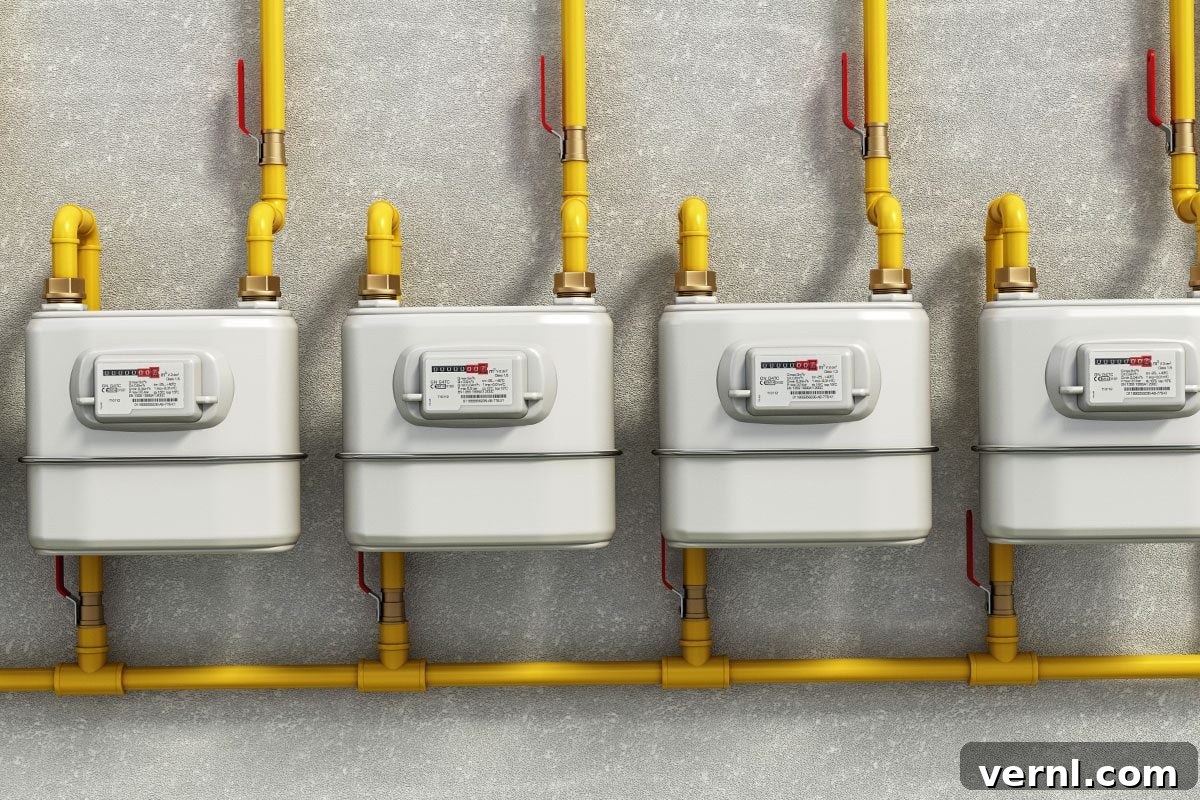
Understanding Your Natural Gas Bill: A State-by-State Guide to Prices and Savings
As utility bills continue their upward trend, it’s increasingly valuable for homeowners to understand what constitutes their natural gas costs. Comparing your monthly statement against state averages can offer crucial insights. If your bill consistently falls below the average for your state, you’re likely excelling at energy conservation and efficient home heating. However, if your costs are noticeably higher, there’s often significant room for improvement. By delving into the factors that influence natural gas prices and monthly bills, and by adopting smart energy-saving strategies, you can take control of your energy expenses and significantly reduce your household budget.
This comprehensive guide aims to shed light on natural gas pricing across the United States, providing a detailed look at average unit prices and typical winter heating costs in each state. We’ll explore the underlying elements that drive these numbers and offer actionable advice on how to optimize your home’s energy efficiency, ultimately helping you lower your gas bill.
Decoding Natural Gas Pricing: Average Unit Costs by State
Unlike gasoline, which is measured and priced by the gallon, natural gas has its own specific units of measurement. The most common unit for pricing natural gas in the U.S. is “one thousand cubic feet,” often abbreviated as MCF or Mcf. Understanding this unit is the first step in deciphering your gas bill. The price per MCF can vary widely, influenced by a complex interplay of supply and demand, transportation costs, regional infrastructure, regulatory policies, and even global energy markets.
The U.S. Energy Information Administration (EIA) regularly compiles and releases data on these average prices, offering a snapshot of the economic landscape of natural gas. According to the EIA’s data, as of December 2025, the average price of one thousand cubic feet of natural gas for residential consumers across the states was as follows:
- Alabama: $16.97
- Alaska: $12.80
- Arizona: $17.90
- Arkansas: $19.69
- California: $23.78
- Colorado: $10.41
- Connecticut: $16.18
- Delaware: $17.07
- District of Columbia: $15.29
- Florida: $23.62
- Georgia: $16.56
- Hawaii: $51.74
- Idaho: $6.80
- Illinois: $9.48
- Indiana: $11.31
- Iowa: $8.79
- Kansas: $12.56
- Kentucky: $12.52
- Louisiana: $16.62
- Maine: $40.85 (as of August 2025; the most recent data for this state)
- Maryland: $15.87
- Massachusetts: $25.73
- Michigan: $10.24
- Minnesota: $9.43
- Mississippi: $14.51
- Missouri: $14.63
- Montana: $8.84
- Nebraska: $10.25
- Nevada: $9.96
- New Hampshire: $19.21
- New Jersey: $14.40
- New Mexico: $11.11
- New York: $16.06
- North Carolina: $17.87
- North Dakota: $8.49
- Ohio: $11.25
- Oklahoma: $11.08
- Oregon: $17.66
- Pennsylvania: $13.91
- Rhode Island: $24.35
- South Carolina: $16.34
- South Dakota: $8.78
- Tennessee: $11.31
- Texas: $19.31
- Utah: $10.82
- Vermont: $16.67
- Virginia: $15.45
- Washington: $15.51
- West Virginia: $12.48
- Wisconsin: $10.96
- Wyoming: $10.92
A quick glance at this data reveals significant disparities across the nation. The state boasting the cheapest unit price for natural gas is Idaho, where one thousand cubic feet costs a remarkably low $6.80. This stands in stark contrast to Hawaii, which holds the unfortunate distinction of having the highest unit price at $51.74 per MCF. The difference is staggering, with Hawaii’s natural gas costing nearly eight times more than Idaho’s, primarily due to transportation costs to the isolated island state and a smaller, less developed natural gas infrastructure. These variations highlight the importance of geographical factors and supply chain logistics in determining local energy costs.
Beyond the Unit Price: What Shapes Your Monthly Gas Bill?
While the average price per thousand cubic feet provides a foundational understanding, it’s crucial to recognize that this unit price is just one component of your overall monthly gas bill. Many other factors coalesce to determine the final amount you pay. These include your geographical location, the prevailing climate, the time of year, your home’s energy efficiency, the number and type of gas appliances you use versus electric alternatives, and even your personal consumption habits. For instance, it’s common to observe significantly higher gas bills during the colder winter months due to increased heating demands.
Key Factors Influencing Your Natural Gas Bill:
- Local Climate and Weather Patterns: States with colder, longer winters naturally incur higher heating costs.
- Home Insulation and Efficiency: A well-insulated home with energy-efficient windows and doors will retain heat better, requiring less gas to maintain comfort. Older homes with poor insulation often leak heat, leading to higher consumption.
- Type and Age of Appliances: The efficiency of your furnace, water heater, and other gas-powered appliances plays a crucial role. Older models are often less efficient and consume more gas.
- Household Size and Habits: The number of occupants, preferred indoor temperature, length of showers, and frequency of cooking all contribute to overall gas usage.
- Delivery and Service Charges: Your bill isn’t just for the gas itself; it also includes fixed charges for pipeline maintenance, meter reading, and administrative costs.
- Market Fluctuations: While average prices are provided, the actual cost of gas can fluctuate based on daily market changes, supply disruptions, or seasonal demand.
- State-Specific Regulations and Taxes: Local and state governments may impose taxes or surcharges that add to the final bill.
To provide a more practical perspective on actual household expenses, Moneygeek conducted a detailed study on average winter heating costs across the U.S. for 2025. This study offers a realistic look at how the various factors above translate into real-world costs for consumers:
- Alabama: $60
- Alaska: $152
- Arizona: $40
- Arkansas: $47
- California: $57
- Colorado: $84
- Connecticut: $132
- Delaware: $102
- Florida: $28
- Georgia: $108
- Hawaii: $26
- Idaho: $80
- Illinois: $110
- Indiana: $84
- Iowa: $62
- Kansas: $102
- Kentucky: $61
- Louisiana: $57
- Maine: $56
- Maryland: $93
- Massachusetts: $129
- Michigan: $143
- Minnesota: $84
- Mississippi: $69
- Missouri: $140
- Montana: $67
- Nebraska: $77
- Nevada: $81
- New Hampshire: $70
- New Jersey: $116
- New Mexico: $61
- New York: $128
- North Carolina: $84
- North Dakota: $60
- Ohio: $120
- Oklahoma: $75
- Oregon: $103
- Pennsylvania: $109
- Rhode Island: $189
- South Carolina: $60
- South Dakota: $46
- Tennessee: $101
- Texas: $59
- Utah: $131
- Vermont: $92
- Virginia: $81
- Washington: $118
- West Virginia: $89
- Wisconsin: $81
- Wyoming: $101
Analyzing these average winter heating costs reveals another set of interesting dynamics. Surprisingly, Hawaii, despite having the highest unit price for natural gas, reports the cheapest average winter heating bill at just $26. This can be attributed to its consistently warm climate, which significantly minimizes the need for extensive home heating. On the opposite end of the spectrum is Rhode Island, with the highest average winter heating bill at $189. This substantial cost difference of $163 between Hawaii and Rhode Island underscores how drastically climate and heating demand impact the final bill, even more so than the raw unit price of gas in some cases. States with severe winters and potentially older housing stock often see higher heating expenses, regardless of their gas unit price.
Smart Strategies to Reduce Your Natural Gas Consumption and Costs
Understanding the average costs is a great starting point, but the real power comes from taking action to lower your own bill. Many effective strategies exist, ranging from simple behavioral changes to more significant home improvements. Implementing even a few of these tips can lead to noticeable savings.
Home Improvements for Enhanced Efficiency:
- Improve Insulation: Adequate insulation in attics, walls, and crawl spaces is paramount. It acts as a barrier against heat loss in winter and heat gain in summer. Consider adding insulation to meet recommended R-values for your climate zone.
- Seal Air Leaks: Drafts around windows, doors, electrical outlets, and plumbing penetrations can account for a significant amount of heat loss. Use caulk and weatherstripping to seal these gaps. An energy audit can help identify major culprits.
- Upgrade Windows and Doors: If your budget allows, replacing old, single-pane windows with energy-efficient, double- or triple-pane models can drastically reduce heat transfer. Similarly, ensure exterior doors are well-sealed and insulated.
- Install a Programmable or Smart Thermostat: These devices allow you to set different temperatures for various times of day, automatically lowering the heat when you’re away or asleep and raising it before you wake up or return home. Smart thermostats can even learn your habits and be controlled remotely.
- Maintain Your HVAC System: Schedule annual professional furnace tune-ups to ensure it operates at peak efficiency. Clean or replace air filters monthly during heating seasons to maintain good airflow and reduce strain on the system.
Behavioral Changes for Everyday Savings:
- Adjust Thermostat Settings: Even lowering your thermostat by a few degrees (e.g., from 72°F to 68°F) can result in significant savings over the heating season. Wear warmer clothes indoors to stay comfortable at a lower setting.
- Utilize Natural Light and Heat: Open curtains and blinds on south-facing windows during sunny winter days to allow natural sunlight to warm your home. Close them at night to trap heat inside.
- Optimize Water Heater Usage: Lower your water heater’s thermostat to 120°F (from the common factory setting of 140°F). Take shorter showers and consider installing low-flow showerheads. Insulating your water heater tank and hot water pipes can also reduce heat loss.
- Efficient Cooking Habits: Use lids on pots and pans to cook food faster, reducing the amount of gas needed. Turn off burners a few minutes before food is fully cooked; residual heat will finish the job.
- Close Vents in Unused Rooms: If you have rooms that are rarely used, close the heating vents and shut the doors to prevent heating unnecessary spaces. However, do not close too many vents as this can negatively impact the HVAC system.
Additional Tips:
- Consider an Energy Audit: Many utility companies offer free or low-cost home energy audits. Professionals can pinpoint specific areas of heat loss and suggest targeted improvements.
- Compare Energy Providers: In some deregulated states, you might have the option to choose your natural gas supplier, potentially allowing you to find more competitive rates.
- Understand Your Bill: Regularly review your natural gas statements. Pay attention to your consumption patterns (often shown in graphs) to identify peak usage times and understand the impact of your energy-saving efforts.
Conclusion
Managing your natural gas bill doesn’t have to be a mystery. By understanding the average unit prices across different states and recognizing the multitude of factors that influence your monthly costs, you gain a powerful perspective. Whether your state has high average unit prices like Hawaii or steep winter heating bills like Rhode Island, there are always steps you can take. From making simple adjustments to your daily habits to investing in strategic home improvements, every effort contributes to a more energy-efficient and cost-effective home. Take the initiative to compare, analyze, and implement changes, and you’ll be well on your way to a lower gas bill and greater peace of mind.
Sources
Natural Gas Prices, U.S. Energy Information Administration, 2026.
Winter Heating Costs by State: Where Home Heating Will Cost More in 2026, Moneygeek, 2026.
RELATED:
- Do You Know What That Little Button on Your Seat Belt Is For?
- What Those Lines on Your Backup Camera Really Tell You
- Here’s What The Small Panel On Your Car’s Front Bumper Is For