
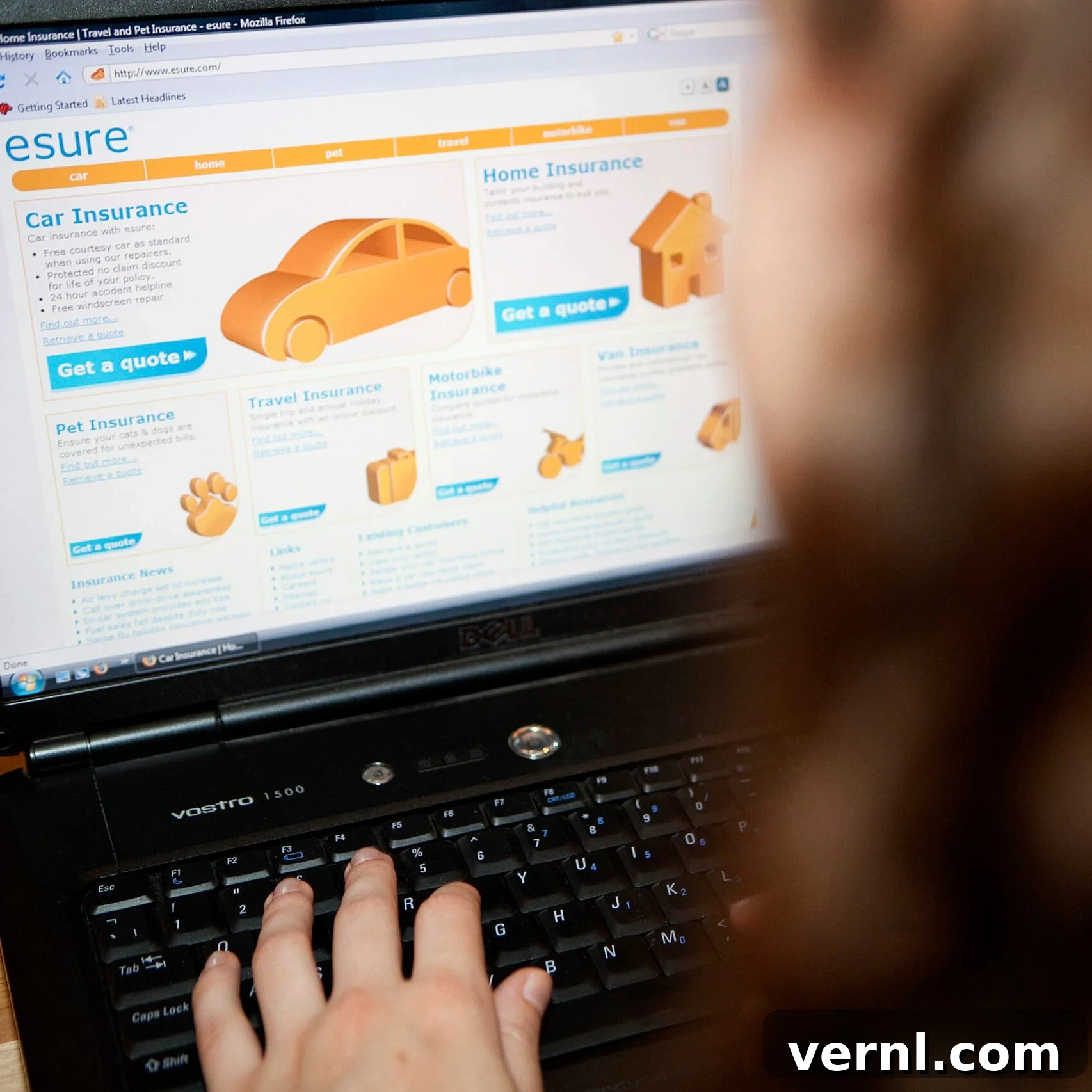
Navigating the complex world of insurance can be challenging, particularly in regions facing escalating risks. My business partner and I, homeowners in California, have first-hand experience with these challenges. We insure our shared home, as well as both our vehicles, through the same provider. Initially, this decision was driven by the allure of convenience and potential discounts. However, a far more compelling reason has emerged for maintaining this arrangement: our ability to secure home insurance in a region where many other policies have been dropped due to mounting wildfire risks. This critical advantage stems directly from the fact that we provide all our insurance business to a single company by bundling our policies.
While our home insurance premium has unfortunately surged by over 400 percent since a devastating wildfire impacted our neighborhood in 2020, the crucial point is that we can still obtain coverage without resorting to the significantly more expensive state-run insurance plan. Given the alarming projected expenses associated with recent fires across California, including those in Los Angeles, the upward trajectory of our premiums is almost certainly bound to continue. Yet, for now, we are able to satisfy the essential insurance requirements of our mortgage, a significant relief in an increasingly difficult market.
If you reside in a low-risk region, the threat of losing your insurance coverage might not be as immediate. However, the concept of bundling extends beyond risk mitigation and still holds potential benefits for you. Or, perhaps, it might not be the optimal strategy. The decision to bundle is not always clear-cut, involving a careful balance of cost, coverage, and convenience.
To help you determine whether bundling is the right choice for your unique situation, we’ve consulted a group of esteemed financial and insurance experts who provide invaluable insights into this increasingly relevant topic.
What Is Bundled Insurance?
In its simplest form, bundled insurance refers to the practice of purchasing multiple insurance policies from a single provider. Instead of obtaining your home insurance from one company, your auto insurance from another, and perhaps renters or life insurance from a third, you consolidate these policies under one insurer. This holistic approach can encompass a wide range of coverages, including home, auto, renters, condominium, motorcycle, RV, boat, and even specialty policies like pet insurance or life insurance, depending on the provider.
“Bundling…often comes with a discount,” explains financial expert Timothy Chase. “These discounts can range anywhere from 10% to 25%, depending on the company and the specific policies included in the bundle.” These bundling discounts are typically applied on top of other qualifying discounts you might receive, such as those for a good driving record, maintaining a home security system, or being a loyal customer. The underlying rationale for these discounts from the insurer’s perspective is often rooted in administrative efficiency and customer retention. By consolidating your policies, the insurance company benefits from reduced administrative overhead and a more comprehensive understanding of your overall risk profile, leading to a potentially more stable and profitable customer relationship.
Does Bundling Insurance Actually Save You Money?
While the promise of discounts is appealing, bundling insurance doesn’t always translate into the most significant savings. The true financial benefit hinges on several critical factors, including the specific insurance provider and the types of coverage you require.
“On paper,” says Chase, “the discount sounds like an easy win. But what many people overlook is that savings aren’t just about the percentage—they’re about the bigger financial picture.” This “bigger financial picture” demands a meticulous evaluation of individual policy rates versus the bundled rate. It’s not enough to simply see a 15% discount on a bundled premium; you must compare that bundled premium to the sum of the best individual rates you could secure from different carriers.
For instance, Chase points out that you wouldn’t realize much of a financial benefit if you bundle with a company that offers exceptionally competitive auto insurance rates but has significantly higher home insurance premiums. “In this case,” he says, “bundling might wipe out the potential savings. It’s like paying more for one thing just to get a discount on another.” This scenario highlights a common pitfall: one high-priced policy within the bundle can effectively negate the percentage discount, potentially leading to a higher overall cost than if you had purchased each policy separately from the most competitive providers.
In essence, choosing to bundle often locks you into a single company for all your insurance needs. This can inherently limit your flexibility and make it harder to customize coverage precisely for your specific situation. “For example, if one company excels in auto insurance but falls short on offering comprehensive home coverage, you’re stuck with a compromise,” Chase explains. This compromise could manifest as inadequate coverage limits, higher deductibles, or specific exclusions that might not be present with a specialized home insurer. Ultimately, this could lead to paying more for less suitable coverage, or facing significant out-of-pocket expenses should an underinsured claim arise.
What Insurance Providers Say About Bundling Insurance
The perspective from within the insurance industry often reinforces the need for careful comparison. “Bundling does save money,” advises Leslie Kasperowicz of Insurance.com, “but that doesn’t mean it’s the cheapest option. It’s possible, and in fact not uncommon, for two separate companies to offer home and auto insurance rates that add up to less than the bundled rate with a single company.” This crucial insight underscores that while most insurers offer a bundling discount, their baseline rates for individual policies can vary significantly. Therefore, a bundled discount from a company with high base rates might still be more expensive than individual policies from two different companies with lower base rates.
Beyond potential cost savings, bundling can offer another significant, albeit less tangible, benefit, as noted by insurance specialist Carlos Gonzalez-Avila. It might open the door for a carrier to offer an umbrella policy that enhances your liability coverage well beyond the limits typically offered on standard home and auto policies. An umbrella policy acts as an extra layer of liability protection, kicking in when the liability limits on your primary policies (like home or auto) are exhausted. If you have such an arrangement and you exceed the coverage limits on one policy due to a major claim, the provider can supplement it by drawing from the comprehensive protection of your umbrella policy within the bundle. “It’s important to note,” says Gonzalez-Avila, “that carriers typically will not write an umbrella policy over another carrier’s policies.” This means that if you want the robust protection of an umbrella policy, bundling your primary coverages with a single insurer is almost always a prerequisite, making it a powerful reason for many high-net-worth individuals or those with significant assets to consider bundling.
The bottom line, as echoed by all the insurance experts interviewed for this article, is that cost-conscious consumers must actively shop around for the best rates before making a decision to bundle. As Melanie Musson of Clearsurance.com succinctly puts it, “The only way to know how things will work out for an individual is to compare quotes for both home and auto insurance and compare the best rates separately to the best rates bundled.” This diligent comparison involves obtaining quotes for individual policies from multiple reputable insurers, then obtaining bundled quotes from those same insurers, and meticulously comparing the total costs and coverage details for each scenario.
What the Data Shows About Bundling Insurance
Recent years have seen a significant escalation in insurance premiums across the board. Home insurance premiums, in particular, have been spiking dramatically in response to an increase in natural disasters, such as wildfires, hurricanes, and severe storms, fueled by climate change. These events lead to massive payouts for insurers, which are then passed on to consumers through higher rates. Auto insurance premiums are also experiencing a notable upward trend. According to CBS News, auto insurance rates surged by an average of 12.7 percent from 2023 to 2024. This increase is driven by factors such as rising repair costs, supply chain issues for parts, increased accident frequency, and medical inflation.
It’s within this context of rising costs that the perceived value of bundling becomes even more apparent. A 2015 study by J.D. Power, despite being several years old, revealed that 80 percent of homeowners bundled their home and auto insurance. Furthermore, the study indicated that customer satisfaction among bundlers was higher than it was among non-bundlers. This satisfaction could stem from several factors: the perceived savings, the convenience of managing fewer policies and a single billing statement, or simply the psychological comfort of having all their coverage under one roof, especially with a familiar provider.
One primary reason insurance providers offer substantial discounts for bundled policies is that they often regard bundled customers as lower risk. From an insurer’s perspective, a customer who entrusts them with multiple policies typically demonstrates a higher level of commitment and stability. These customers are often less likely to switch carriers, reducing churn and administrative costs for the insurer. Furthermore, having a comprehensive view of a customer’s insurance needs across different lines allows for better risk assessment and potentially more favorable underwriting. This is likely one of the key reasons why our provider, despite the high wildfire risk in our area, continues to cover our home; our entire insurance portfolio with them makes us a more valuable and, in their eyes, likely more stable client.
Alternatives To Bundling Insurance To Save Money
While bundling home and auto insurance can offer benefits, it’s certainly not the only path to securing savings on your insurance premiums. A proactive approach to insurance management can unlock various alternatives that might be better suited to your financial goals and risk profile. Here are some effective strategies to consider:
Shop Around Diligently
This is arguably the most crucial step for any cost-conscious consumer. “Get quotes for bundled policies and compare them to individual policies from other providers,” advises Chase. The market is dynamic, and rates can vary significantly between companies, even for identical coverage. It’s not enough to get a few quick online quotes; truly diligent shopping involves a methodical process. Obtain at least three to five quotes for both individual and bundled policies from various insurers. “Take the time to understand what’s included, what’s excluded, and what your total costs will look like over time,” Chase emphasizes. This means carefully reviewing policy documents, understanding deductibles, liability limits, and any endorsements or exclusions. Don’t just compare the premium; compare the actual coverage. Utilize independent insurance agents who can provide quotes from multiple carriers, or leverage online comparison tools to streamline the process. Make this an annual or biennial habit to ensure you’re always getting the best value.
Explore Group Insurance Options
Many individuals overlook the potential savings available through group insurance plans. These plans often offer cheaper rates because they insure a collective pool of people in similar situations, spreading the risk and leveraging collective bargaining power. Investigate private exchanges or affinity programs that might be available to you. Alumni of certain universities, members of professional associations (e.g., medical, legal, engineering), employees of specific companies, or even members of homeowners associations are all examples of people who could potentially qualify for exclusive, discounted group rates on various types of insurance. Even credit unions or large employers sometimes negotiate special rates for their members or employees. Always inquire about any group affiliations you might have and check their potential for insurance savings.
Strategically Adjust Your Coverage and Deductibles
Reviewing and adjusting your coverage levels and deductibles can lead to significant premium reductions, but it requires careful consideration of your personal risk tolerance and financial situation.
- Reduce Your Coverage to Essential Levels: Ensure you meet the minimum liability and damage coverage required by your lender for home insurance. For auto insurance, while state minimums might be low, always assess what you truly need. If you own an older car with a low market value, you might consider dropping comprehensive and collision insurance altogether, as the cost of the premium might outweigh the potential payout in the event of a total loss. However, for newer, financed, or more valuable vehicles, comprehensive and collision coverage is often essential. Balance the risk of a potential accident with the annual cost of the premium.
- Raise Your Deductible: Your deductible is the amount you have to pay out-of-pocket on a claim before your insurance company starts to pay. Opting for a higher deductible—for example, increasing it from $500 to $1,000 or even $2,500—can significantly lower your annual premium. However, it’s crucial that you have an emergency fund readily available to cover this higher deductible should you need to file a claim. A higher deductible is only a money-saving strategy if you can comfortably afford the out-of-pocket expense when it arises.
Beyond these primary alternatives, consider other factors that can influence your premiums: installing home security systems, maintaining a good credit score (where permissible by law), taking defensive driving courses, utilizing telematics programs that monitor driving habits, and asking about specific discounts like good student discounts or low mileage discounts. A comprehensive review of all these elements can help you optimize your insurance strategy and find genuine savings without necessarily bundling.
About the Experts
- Timothy Chase is a financial expert and mortgage broker with over 20 years of professional experience. He is the Owner of 719 Lending Inc. in Colorado Springs, Colorado.
- Leslie Kasperowicz, a managing editor at Insurance.com, has four years of direct agency experience and over a decade of creating educational content to help insurance shoppers make confident, informed decisions.
- Carlos Gonzalez-Avila is the Small Commercial Insurance Specialist at Bold Penguin. In this role, Gonzalez-Avila provides support for commercial insurance agents.
- Melanie Musson, a published insurance and finance expert, specializes in the auto industry, real estate, home security, consumer analyses, investing, and finance. She is affiliated with Clearsurance.com.
Sources
- CBS News: Should You Bundle Home and Auto Insurance? (2024).
- J.D. Power: Gen Y Consumers More Likely to Split Their Policies across Multiple Insurers than Any Other Generation; (2015).