In recent years, home renovation experts and interior designers have enthusiastically embraced innovative bathroom layouts featuring curtain-less showers. This contemporary design choice has captivated homeowners and professionals alike, transforming bathrooms into sleek, functional, and visually expansive spaces. Throughout 2023, leading design authorities such as Houzz, Soul & Lane, Marble Systems, and Design Ideas Guide consistently highlighted their favorite curtain-less shower designs, praising their inherent modern elegance, minimalist appeal, and perceived ease of maintenance.
However, while the allure of a curtain-less shower is undeniable, it’s crucial to recognize that this design may not be the optimal choice for every household or every bathroom space. If not planned and installed with meticulous attention to detail, these showers can introduce unforeseen challenges, including potential cleaning difficulties related to water splashing and, most significantly, considerable renovation expenses. These costs often extend beyond initial installation to include specialized waterproofing, drainage systems, and structural modifications.
Before you commit to a major bathroom overhaul and contact your contractor, a thorough understanding of the various aspects of curtain-less showers is essential. This comprehensive guide will delve into the distinct advantages and disadvantages of these modern shower solutions, helping you navigate the design landscape to determine which type, if any, aligns perfectly with your lifestyle, budget, and aesthetic aspirations.
What Exactly Defines a Curtain-Less Shower?
At its core, a curtain-less shower is precisely what its name implies: a showering area designed without the traditional fabric curtain. However, this simple definition encompasses a wide array of styles and configurations, each offering unique benefits and considerations. The term “curtain-less” broadly applies to several types of contemporary shower enclosures.
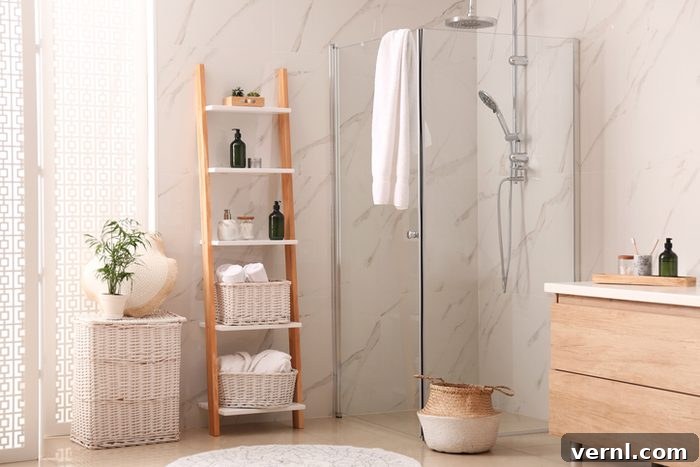
One common form is a shower or bath enclosure equipped with a sleek sliding glass door. These offer a clean aesthetic while still providing a complete barrier against water spray. Another, and currently the most sought-after, interpretation refers to a doorless or “walk-in” shower. These designs are characterized by an open entry, often without any door or even a full glass enclosure, creating a seamless transition into the showering space. This particular style has surged in popularity, exemplified by the search phrase “doorless walk in showers” garnering over 30.5 million views on TikTok, underscoring its significant trend status in home design circles.
Enthusiasts of doorless walk-in showers frequently champion their superior aesthetic appeal, attributing it to their minimalist design and uncluttered lines that contribute to a sense of spaciousness. They also often claim these showers are easier to maintain than their predecessors, eliminating the need to deal with mildew-prone shower liners or the intricate cleaning required for framed glass doors. The appeal lies in their ability to transform a functional space into a luxurious, open sanctuary.
The Traditional Choice: Advantages and Disadvantages of Curtained Showers
For generations, showers featuring curtains have been the quintessential fixture in countless homes, offering a blend of practicality and personal expression. Despite the rise of modern alternatives, they remain a viable and often preferred option for many homeowners due to their distinct characteristics.
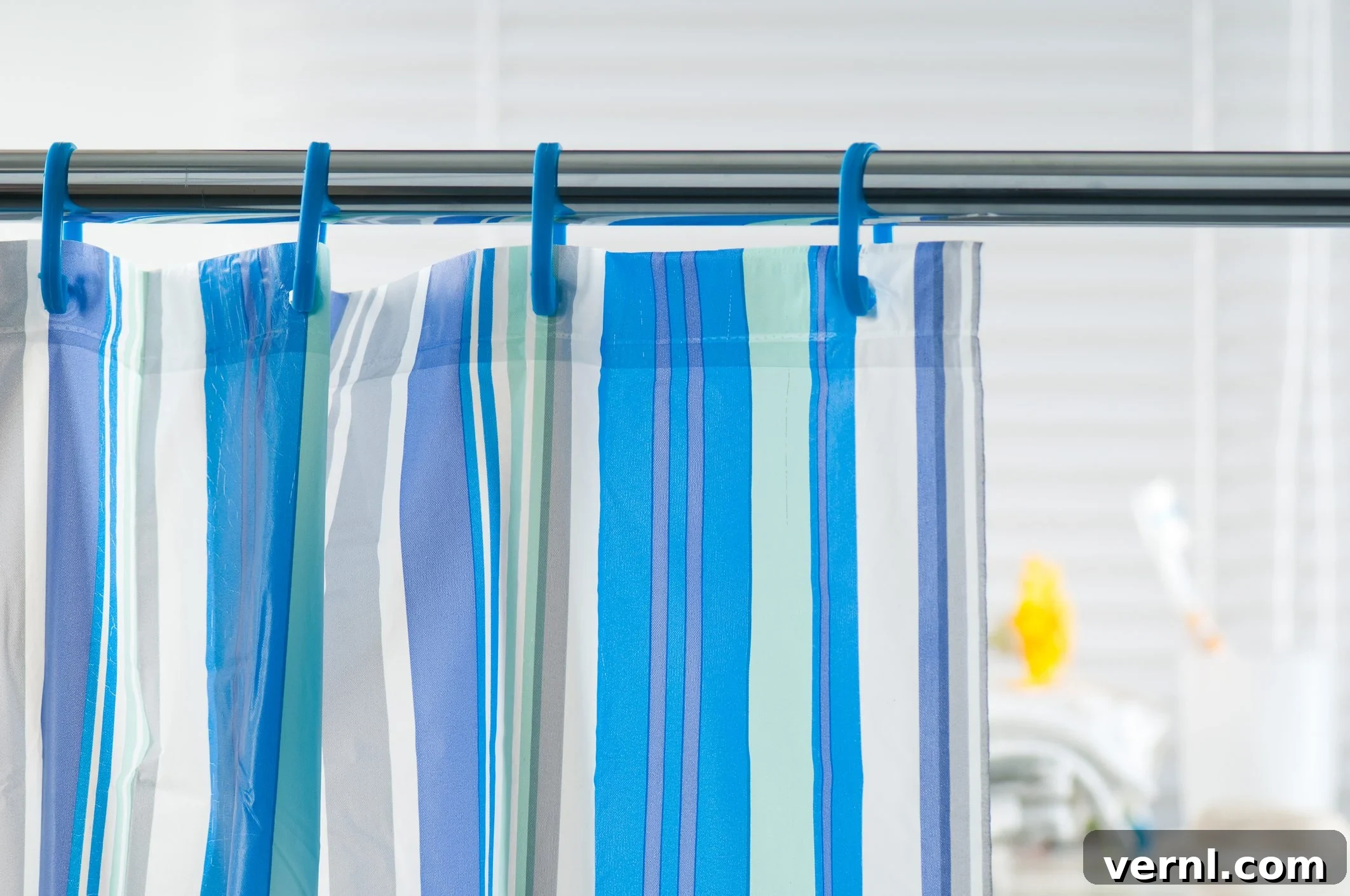
Beyond their potential for aesthetic intrigue, shower curtains deliver a significant degree of privacy, a crucial factor for many individuals sharing a bathroom. They are also remarkably affordable, offering an accessible solution for enclosing a shower space. The market boasts an unparalleled variety of shower curtains, available in thousands of different patterns, textures, and colors. This vast selection ensures that virtually anyone can find a shower curtain that perfectly complements their personal style and budget, making it one of the easiest and most cost-effective bathroom upgrades for a quick refresh or minor update. Furthermore, shower curtains are ideal for rental properties or temporary living situations where permanent fixtures are not an option.
However, the traditional shower curtain is not without its drawbacks. One of the most common complaints centers on maintenance: shower curtain liners, particularly, are prone to developing mold and mildew, necessitating regular cleaning. Experts often recommend that liners be washed every three months or even more frequently, depending on usage and ventilation, to prevent unsanitary buildup. Moreover, the visual presence of a shower curtain can often make a bathroom feel significantly smaller and more enclosed, especially in compact spaces. A dated or poorly chosen curtain can instantly detract from the overall aesthetic, causing the entire bathroom to appear antiquated. When envisioning a luxury hotel suite or a serene home spa, the image of a grubby, clingy shower curtain rarely comes to mind, highlighting their aesthetic limitations in high-end design.
Embracing Modernity: Advantages and Disadvantages of Showers Without Curtains
Walk-in showers and those enclosed by glass doors offer a compelling array of aesthetic and practical benefits that align with contemporary design trends. These designs fundamentally alter the perception and functionality of a bathroom, transforming it into a more sophisticated and spacious environment. According to the reputable bathroom renovation company, the Bath Shop, opting for these modern solutions not only “decreases upkeep” but also imparts a luxurious “look and feel of a minimalist’s haven or a designer spa,” elevating the entire bathroom experience.
One of the primary advantages of foregoing a shower curtain is the opportunity to proudly showcase intricate and beautiful shower tiles, transforming the shower area into a focal point of design. The unobstructed view creates a seamless flow within the bathroom, making the entire space appear considerably larger and brighter, especially beneficial in smaller bathrooms where every visual trick counts. Furthermore, the absence of a fabric curtain eliminates the ongoing chore of washing or replacing mildew-prone liners, simplifying daily maintenance and contributing to a cleaner, healthier bathroom environment. For individuals with mobility challenges, walk-in showers, particularly those without a curb or door, offer unparalleled accessibility, allowing for easier entry and exit without stepping over a barrier.
However, these contemporary shower solutions also present their own unique set of challenges and considerations. While they eliminate the fabric curtain, glass shower doors, whether sliding or pivot, still require regular cleaning to prevent unsightly water spots, soap scum, and mineral deposits, which can be just as demanding as cleaning a liner. For truly doorless varieties, proper installation is paramount, requiring a specialized shower base with a precisely engineered slope to ensure efficient drainage and prevent water from escaping into the main bathroom area. Any requisite bases and glass panels demand professional installation, which can significantly escalate overall renovation costs. Even the seemingly simple addition of a single pane of glass, intended to control excess water spray in an open shower, can quickly accumulate expenses due to the cost of tempered glass, specialized hardware, and expert labor.
Making the Right Choice: How to Decide If a Curtain-Less Shower Is for You
Deciding to transition to a curtain-less, glass door, or walk-in shower is a significant decision that should be approached with careful consideration of various factors. This section will guide you through the decision-making process, breaking down key elements by shower type to help you make an informed choice that best suits your home and lifestyle.
General Considerations Before You Start
- Bathroom Size and Layout: Measure your space carefully. Doorless and walk-in showers typically require more floor area to prevent splashing.
- Budget: Be realistic about the costs involved. Glass, custom tiling, and professional installation are often more expensive than a simple curtain.
- Lifestyle and Maintenance Tolerance: Are you willing to regularly clean glass for a pristine look, or do you prefer the lower visual maintenance of a curtain?
- Desired Aesthetic: Do you prioritize a sleek, modern, spa-like feel, or a more traditional and cozy bathroom?
- Privacy Needs: Curtain-less designs offer less visual privacy, which might be a concern in shared bathrooms.
- Accessibility: For those with mobility issues, a curbless walk-in shower can be a life-changing improvement.
- Ventilation: Proper ventilation is critical in all bathrooms but especially important in open showers to manage humidity and prevent mold.
Option 1: Simply Removing Your Shower Curtain (Open Bath or Shower)
The simplest and most budget-friendly way to achieve a “no-curtain” look is to merely remove your existing shower curtain, along with its liner and rod. This immediate change can visually open up your bathroom space, making it feel larger and less cluttered without any renovation costs. However, this approach demands careful consideration of your splash zone. Before making a permanent change, try showering or taking a bath without the curtain. Does water consistently spray beyond the tub or shower pan, drenching your bathroom floor, towels, and vanity? If excessive splashing occurs, necessitating constant cleanup, keeping a curtain or exploring other options might be more practical. This method works best in bathrooms where the showerhead directs water downward effectively and the bath/shower area is somewhat enclosed on three sides.
Option 2: Upgrading to a Glass Door Shower
A popular middle-ground solution is to replace your existing shower curtain and rod with a modern sliding or pivot glass door. This option offers the clean, upscale look of glass while still providing an effective barrier against water. When considering this upgrade, meticulously evaluate your renovation budget, as the cost of glass, hardware, and professional installation can vary widely depending on the type of glass (clear, frosted, textured), frame style (frameless, semi-frameless, framed), and door configuration. Keep in mind that glass doors, especially frameless ones, will still require regular cleaning to maintain their sparkling appearance. Cleaning shower door tracks, particularly in framed or semi-frameless designs, can be notoriously difficult due to accumulating grime and mildew. Ensure you are prepared for this ongoing maintenance commitment before engaging a contractor for installation.
Option 3: The Ultimate Transformation – A Walk-In Shower
For those seeking the pinnacle of modern bathroom design and functionality, going “all in” by removing your entire current setup and replacing it with an open, doorless walk-in shower is the most impactful, albeit the most complex and costly, option. This design is particularly excellent for individuals with mobility concerns, as it eliminates the need to step over a basin or curb, offering unparalleled ease of access. However, achieving a functional and aesthetically pleasing doorless shower requires substantial floor space. The shower area typically needs to be set deep into an alcove or designed with strategically placed walls, like these inspiring showers featured on Decor Snob, to provide adequate privacy and effectively shield the rest of the bathroom floor from water spray. Furthermore, meticulous attention must be paid to proper floor sloping, waterproofing of walls and floors, and the choice of non-slip tile materials.
The installation of a true walk-in shower involves extensive plumbing work, tiling, and potentially structural modifications, meaning the project will not be fast, nor will it be cheap. Expect a significant investment in both time and resources. However, the reward for this commitment is a sleek, clean, elegant, and highly functional bathroom of your dreams – a true sanctuary that enhances both daily living and your home’s overall value and appeal. This option often involves custom design, allowing for integrated benches, multiple showerheads, and recessed niches for toiletries, creating a truly bespoke showering experience.
Design Elements to Consider for Curtain-Less Showers
- Tiles: The absence of a curtain means your tiles will be a prominent design feature. Choose high-quality, non-slip floor tiles and visually appealing wall tiles that complement your bathroom’s aesthetic. Large format tiles can minimize grout lines, making cleaning easier.
- Fixtures: Select modern showerheads, body jets, and faucets that match your overall design. Rain showers are popular in walk-in designs for their luxurious feel and wider water dispersion, helping to contain splash.
- Lighting: Adequate, often recessed, lighting within the shower area enhances visibility and creates a luxurious ambiance.
- Niches and Benches: Built-in niches provide convenient storage for toiletries, keeping the space clutter-free. A built-in bench can offer comfort and accessibility.
- Ventilation: Ensure excellent ventilation to manage humidity, which is crucial in preventing mold and mildew, particularly in open concept showers where steam can dissipate throughout the bathroom.
Maintaining Your Curtain-Less Shower
While curtain-less showers eliminate fabric maintenance, they introduce new cleaning routines. For glass enclosures, regular squeegeeing after each use can significantly reduce water spots and soap scum buildup. Weekly cleaning with a glass cleaner designed for showers will keep the glass sparkling. For tiled surfaces, regular cleaning with a mild bathroom cleaner and a grout brush will prevent mildew and maintain their appearance. Adequate ventilation is key to minimizing moisture and making cleaning easier in the long run.
Conclusion: A Modern Upgrade Worth Considering
The move towards curtain-less showers, encompassing both glass-enclosed and open walk-in designs, is more than just a passing trend; it reflects a desire for cleaner lines, more spacious environments, and enhanced accessibility in modern homes. While the initial investment and planning can be more substantial than traditional shower setups, the long-term benefits in terms of aesthetics, perceived space, and potential ease of maintenance (for the right design) are significant. By carefully weighing the advantages and disadvantages, assessing your specific needs, and considering the design implications for each type, you can make an informed decision that transforms your bathroom into a stylish, functional, and refreshing retreat that truly fits your vision.