Toll Text Scam Alert: Protecting Yourself from Toll Payment Scams
In an era dominated by digital communication, text message scams have become increasingly prevalent and sophisticated. Criminals continuously develop new tactics to deceive unsuspecting individuals. While awareness of common scams, like USPS text scams, is crucial, new schemes are constantly emerging. One particularly concerning trend involves toll fees text scams, designed to exploit drivers’ reliance on electronic toll payment systems.
This guide aims to help you recognize and avoid these scams, safeguarding your personal and financial information. Whether you regularly navigate toll roads or rarely encounter them, understanding the strategies employed by scammers is essential for your protection.
Understanding the Threat: What are Toll Text Message Scams?
Toll text message scams, often referred to as “smishing” (SMS phishing), are fraudulent messages sent via text, designed to trick recipients into providing personal or financial information. These scams are particularly effective because they leverage the urgency and convenience of modern payment systems, creating a sense of immediacy that can pressure individuals into acting without careful consideration.
Scammers often impersonate legitimate toll authorities, such as EZDriveMA, to gain your trust. The messages typically claim that you have failed to pay a toll and threaten penalties, such as fines or even the suspension of your driver’s license, if you don’t take immediate action. This sense of alarm is a key tactic to bypass your defenses.
Identifying a Toll Text Scam: Key Red Flags
Knowing how to identify a fraudulent text message is crucial to protecting yourself. Here are some key indicators that a toll payment text is a scam:
- Unfamiliar or Suspicious Links: A primary characteristic of these scams is the inclusion of a shortened or unidentifiable URL. Be extremely cautious of any link that doesn’t clearly point to the official website of your toll authority (e.g., EZDriveMA).
- Urgent Tone and Threats: Scammers frequently create a sense of urgency, threatening fines or account suspension to pressure you into immediate action. Legitimate authorities rarely use aggressive language in their communications.
- Requests for Personal Information: Official toll agencies will never request sensitive personal details, such as your credit card number, Social Security number, or bank account details, via text message.
- Inconsistencies in Sender Information: Verify the sender’s phone number or contact information. If it seems suspicious or doesn’t match the expected contact from your toll authority, be wary.
Remember that legitimate toll agencies will usually provide clear and verifiable information in their text messages. If anything feels off or inconsistent, it is better to err on the side of caution.
Real-World Examples: Recognizing the Scam
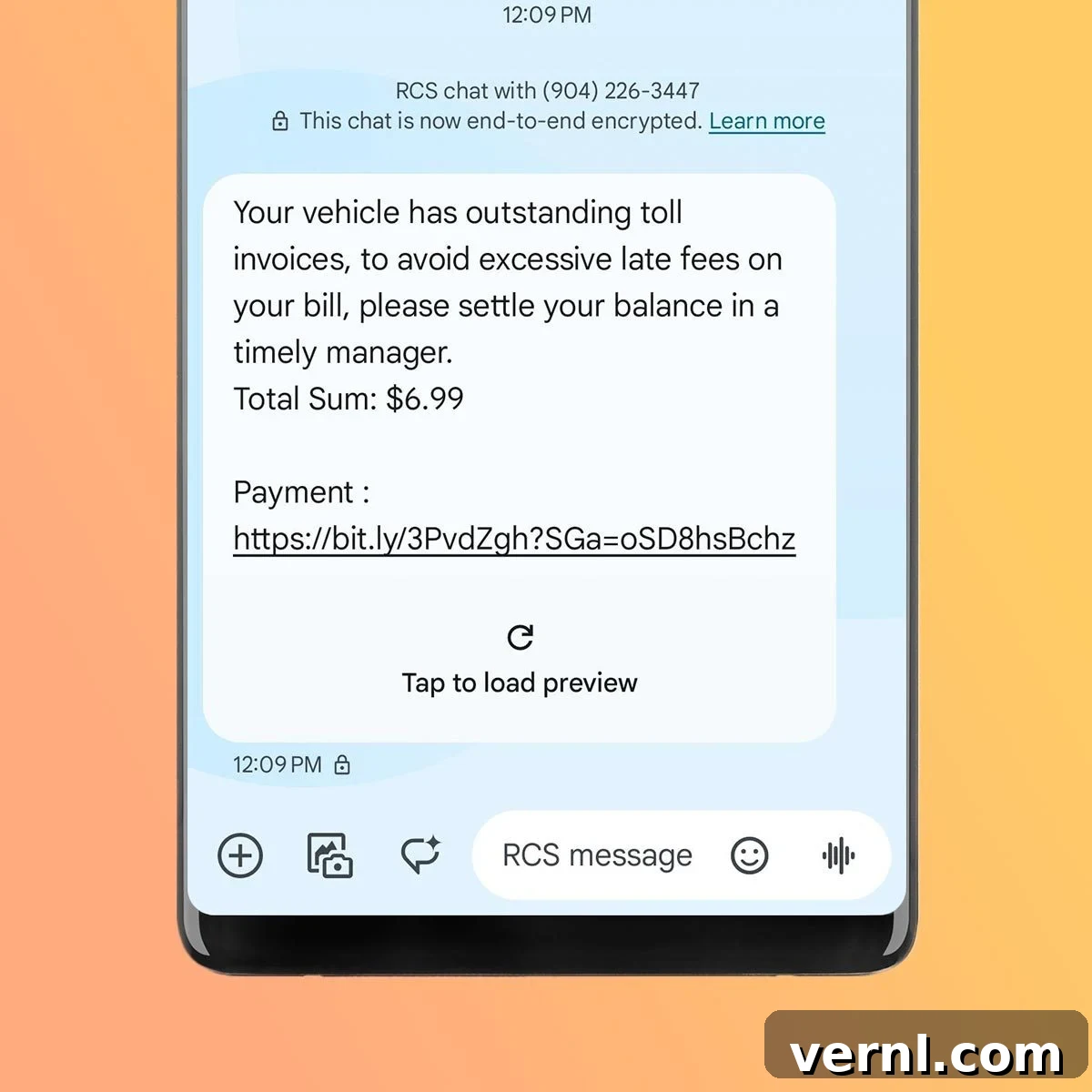
Let’s examine a common example to better understand how these scams work. A fraudulent text message might read something similar to this:
“Pay your FastTrak Lane toll before January 8, 2025. To avoid fines and retain your driver’s license, you can click on the link to make payment,” followed by a link generated by a URL shortener service, such as bit.ly.
The urgency and threat of losing your license are designed to compel you to click the link without thinking. The shortened link conceals the final destination, making it impossible to determine whether it leads to a legitimate payment portal or a phishing site designed to steal your credentials.
The Massachusetts Department of Transportation Highway Division (MassDOT) has issued warnings about such scams targeting EZDriveMA customers, emphasizing that “EZDriveMA will never request payment by text” and all legitimate links will direct users to www.EZDriveMA.com.
What to Do if You Receive a Toll Text Scam
If you suspect you’ve received a toll text scam, take the following steps to protect yourself and help prevent others from falling victim:
- Do Not Click the Link: Resist the urge to click any link within the suspicious text message. Clicking a malicious link could install malware on your device or direct you to a phishing website.
- Report the Scam: Report the scam to the appropriate authorities. The IC3 (Internet Crime Complaint Center) is the primary avenue for reporting internet-related crimes. Provide the text message’s content, the sender’s phone number, and any associated URLs.
- Check Your Account Independently: Instead of using any links from the suspicious text, log in to your EZDriveMA or other relevant account directly through their official website. This allows you to verify your account status and check for any outstanding toll charges.
- Contact Customer Service: If you have any doubts, contact your toll authority’s customer service line directly, using the official phone number found on their website. They can confirm the legitimacy of any charges or communications.
- Delete the Message: Once you’ve reported the scam and verified your account, delete the fraudulent text message from your device to prevent accidental clicks or future confusion.
By taking these steps, you not only protect yourself but also assist law enforcement in combating these scams.
What to Do If You’ve Engaged with a Toll Text Scam
Even the most vigilant individuals can sometimes fall prey to sophisticated scams. If you have clicked a link, entered information on a suspicious website, or shared any personal or financial data, it’s essential to take immediate action:
- Secure Your Accounts: Immediately change the passwords for all accounts that may be compromised, especially your EZDriveMA account, your bank accounts, and any email accounts associated with those accounts. Use strong, unique passwords for each account.
- Monitor Your Accounts: Closely monitor your bank and credit card statements for any unauthorized transactions. Report any suspicious activity to your financial institutions immediately.
- Contact Your Financial Institutions: Inform your bank and credit card companies about the potential compromise. They can help you dispute fraudulent charges and take steps to protect your accounts. Consider requesting new credit cards if you’ve shared your card details.
- Consider Credit Monitoring: Enroll in a credit monitoring service to keep track of your credit report for any signs of identity theft, such as new accounts being opened in your name. Many services offer free trials or basic monitoring.
Acting quickly and decisively is crucial to minimize the damage and prevent further exploitation of your information.
Staying Safe: Proactive Steps for Protection
Prevention is always the best defense. Here are some proactive measures you can take to reduce your risk of falling victim to toll text scams:
- Be Skeptical: Approach unsolicited text messages with a healthy dose of skepticism. If something seems too good to be true or creates a sense of urgency, it probably is.
- Verify Information: Always verify information from text messages by contacting the organization directly through official channels (website or phone). Never rely solely on the information provided in the text.
- Update Your Software: Keep your mobile device’s operating system and security software up to date. Updates often include critical security patches that protect against malware and other threats.
- Use Strong Passwords: Employ strong, unique passwords for all your online accounts, and consider using a password manager to securely store and generate complex passwords.
- Educate Yourself: Stay informed about the latest scams and phishing techniques. Awareness is your most powerful tool in the fight against fraud. Regularly check websites such as the Federal Trade Commission (FTC) and the IC3 for the newest scam alerts.
By implementing these practices, you can significantly enhance your online security and reduce your vulnerability to toll text scams and other fraudulent schemes.
Conclusion
Toll text message scams are a growing threat, but by staying informed, remaining vigilant, and taking proactive steps, you can protect yourself and your finances. Remember to be skeptical of unsolicited text messages, verify information through official channels, and report any suspicious activity to the appropriate authorities. By working together, we can combat these scams and create a safer digital environment for everyone.
Source
MassDOT Alerts Customers of EZDriveMA Scam, Massachusetts Department of Transportation Highway Division, 2024.