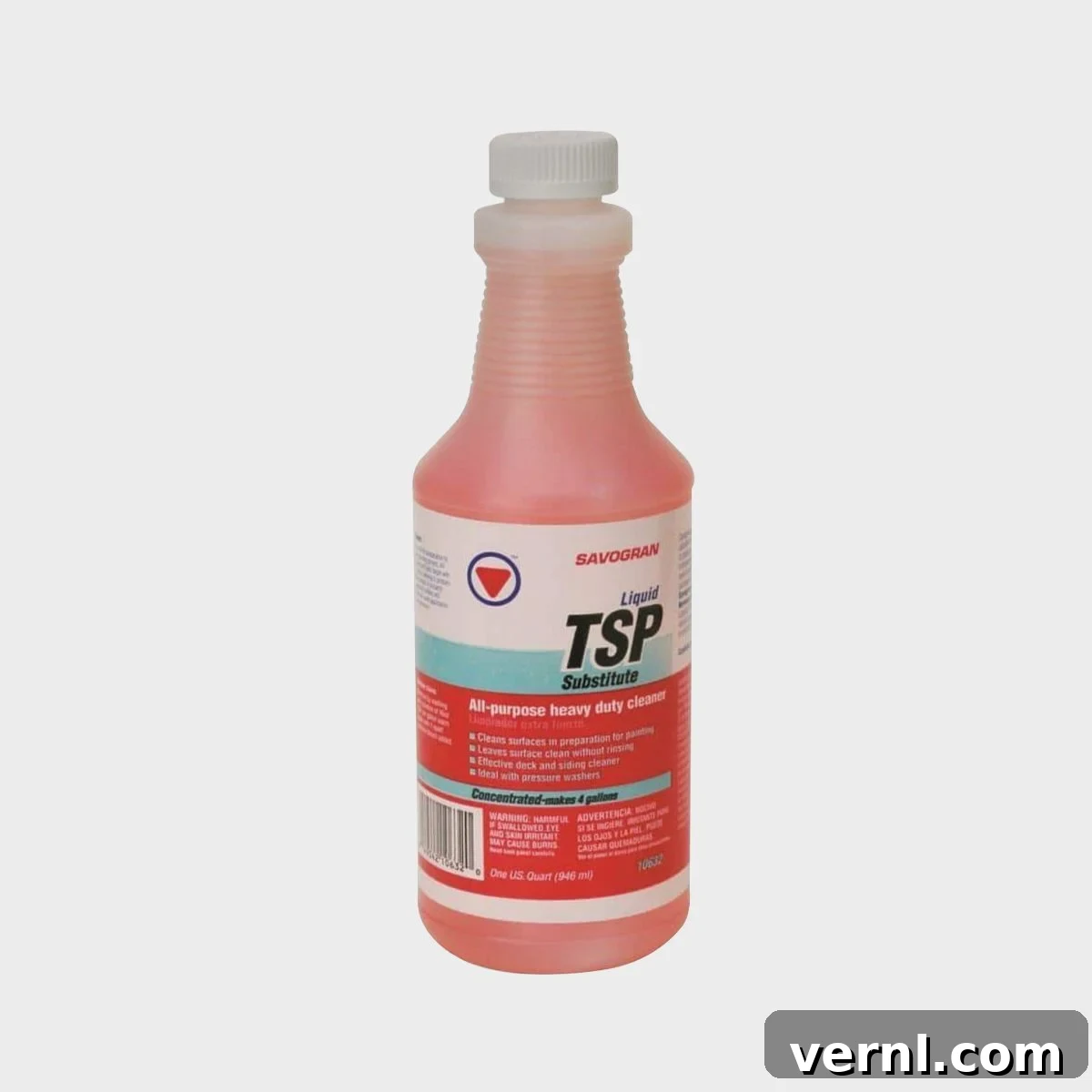
TSP Substitute: Finding the Right Alternative for Your Cleaning Needs
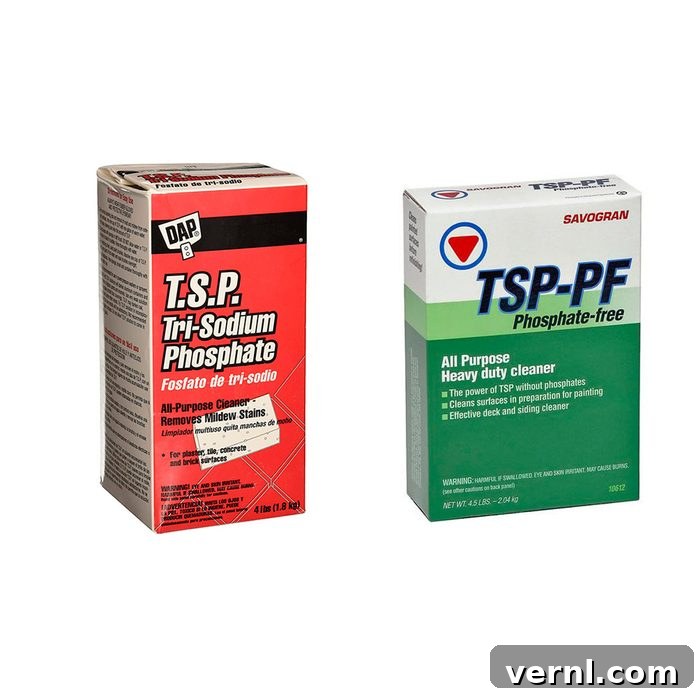
Trisodium phosphate (TSP) is a powerful cleaning agent known for its ability to remove stubborn stains, grease, and grime. Often used for preparing surfaces for painting or wallpapering, TSP has been a staple in many households and industrial settings. However, it’s essential to understand its properties and consider alternatives due to potential drawbacks. This guide explores TSP substitutes, helping you make informed decisions for your cleaning projects.
TSP, available through retailers like Amazon, is effective for a variety of tasks, including:
- Removing grease and paint from concrete and brick
- Preparing walls for painting
- Preparing walls for wallpapering
Why Consider a TSP Substitute? Understanding the Challenges of Trisodium Phosphate
While TSP offers excellent cleaning power, it comes with certain limitations that might make you consider alternatives. Understanding these issues is crucial for making the right choice for your cleaning projects.
Health Concerns
One of the primary concerns with TSP is its potential to cause skin and eye irritation. TSP is classified as a hazardous substance by the Occupational Safety and Health Administration (OSHA). Therefore, when using TSP, it is strongly recommended to wear appropriate protective gear, including:
- Eye protection (goggles or safety glasses)
- Gloves
- Long sleeves
Environmental Impact
TSP’s effectiveness is partly due to the presence of phosphate molecules, which act as powerful detergents. However, phosphates can pose environmental problems. Phosphates act as fertilizers, and when they enter waterways through runoff or leaching, they can trigger excessive algae growth (algae blooms). These blooms can:
- Deplete oxygen levels in the water, harming fish and other aquatic life (fish kills).
- Disrupt the ecological balance of waterways.
Due to these environmental concerns, many states have banned or restricted the use of phosphate-containing detergents.
Choosing a TSP Substitute: Comparing the Options
Fortunately, there are several effective alternatives to TSP available on the market. These substitutes offer similar cleaning capabilities while minimizing the health and environmental risks associated with traditional TSP. Let’s examine some of the most popular options:
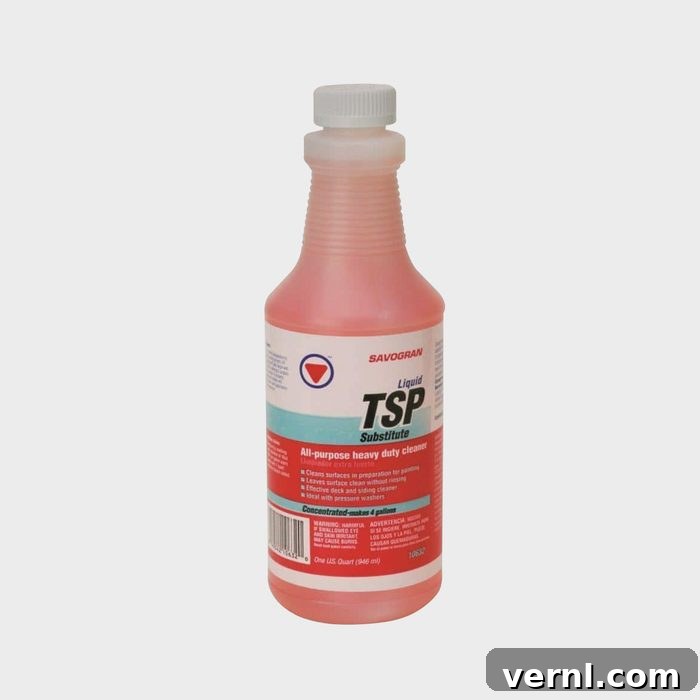
Phosphate-Free TSP: Savogran
Despite its name, Savogran’s Phosphate-Free TSP doesn’t actually contain any phosphate. Its main ingredient is sodium sesquicarbonate, a compound similar to baking soda (and a component of traditional TSP). While it may not cut through grease as aggressively as TSP, it still offers good cleaning performance, and it significantly reduces the environmental impact.
- Pros: Less environmental impact compared to traditional TSP.
- Cons: May not be as effective for heavy grease removal.
Simple Green: A Versatile and Eco-Friendly Option
Simple Green is a well-regarded, environmentally friendly cleaning solution. It is a non-irritating liquid cleaner that’s suitable for a wide array of surfaces and materials. Simple Green is effective at cutting grease and grime, and it comes in various formulations for specific applications.
- Pros: Environmentally safe, non-irritating, versatile, effective grease cutter.
- Cons: Some formulations might require a second wipe-down if they leave a residue.
- Tip: If Simple Green seems too sudsy, dilute it with water to reduce the residue.
Klean Strip TSP Substitute: Biodegradable Cleaning Power
Klean Strip TSP Substitute is another biodegradable option designed to replace TSP. While it is biodegradable, it’s still considered an irritant, so use eye and skin protection. It effectively cleans, however, it might not cut through grease as strongly as TSP due to the lack of phosphates.
- Pros: Biodegradable, good cleaning performance.
- Cons: Can still be an irritant, may not be as effective on heavy grease.
Making the Right Choice: Factors to Consider
When selecting a TSP substitute, consider these factors to ensure you choose the best product for your specific needs:
- The surface you’re cleaning: Some cleaners are better suited for specific materials (e.g., concrete, wood, painted surfaces).
- The type and amount of grime: For heavy grease or stubborn stains, you might need a stronger cleaner.
- Environmental impact: If you’re concerned about environmental responsibility, choose a phosphate-free or biodegradable option.
- Your personal safety: Always wear appropriate protective gear, regardless of the cleaner you choose.
- Ease of use: Consider the dilution instructions and any necessary rinsing steps.
Conclusion: Cleaning Smarter, Not Harder
TSP substitutes offer a practical and responsible alternative to traditional trisodium phosphate. By understanding the pros and cons of each option, you can choose a cleaner that effectively addresses your cleaning needs while minimizing potential health and environmental risks. Whether you opt for a phosphate-free formula, a versatile cleaner like Simple Green, or another biodegradable alternative, you can achieve excellent results while prioritizing safety and sustainability.