Unlock Maximum Lifespan: The Ultimate Guide to Extending Your Power Tool Battery Life
For tradespeople and DIY enthusiasts alike, cordless power tools are indispensable for their convenience and robust performance. At the core of these powerful devices are sophisticated lithium-ion (Li-ion) batteries, which deliver impressive energy density and portability. However, these advanced battery packs represent a significant investment and, like all batteries, have a finite lifespan. Understanding the nuances of Li-ion battery care and implementing smart maintenance strategies can dramatically extend their usability, helping you save money and ensuring your tools are always ready for any task. This comprehensive guide will reveal practical, expert-backed tips to maximize the life of your power tool batteries, from innovative storage techniques to optimal charging habits.
The Power of Preservation: Doubling Battery Shelf Life with Cold Storage
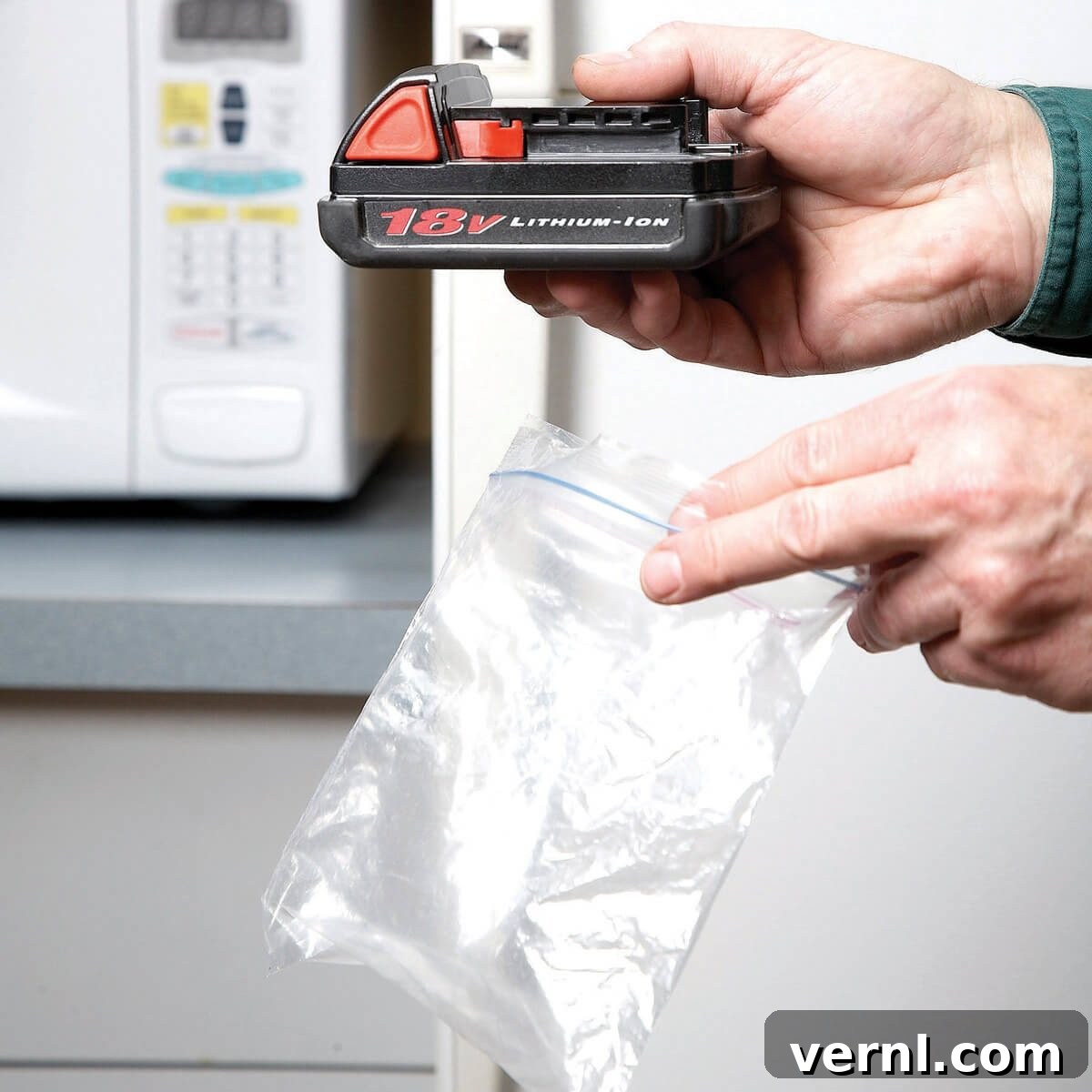
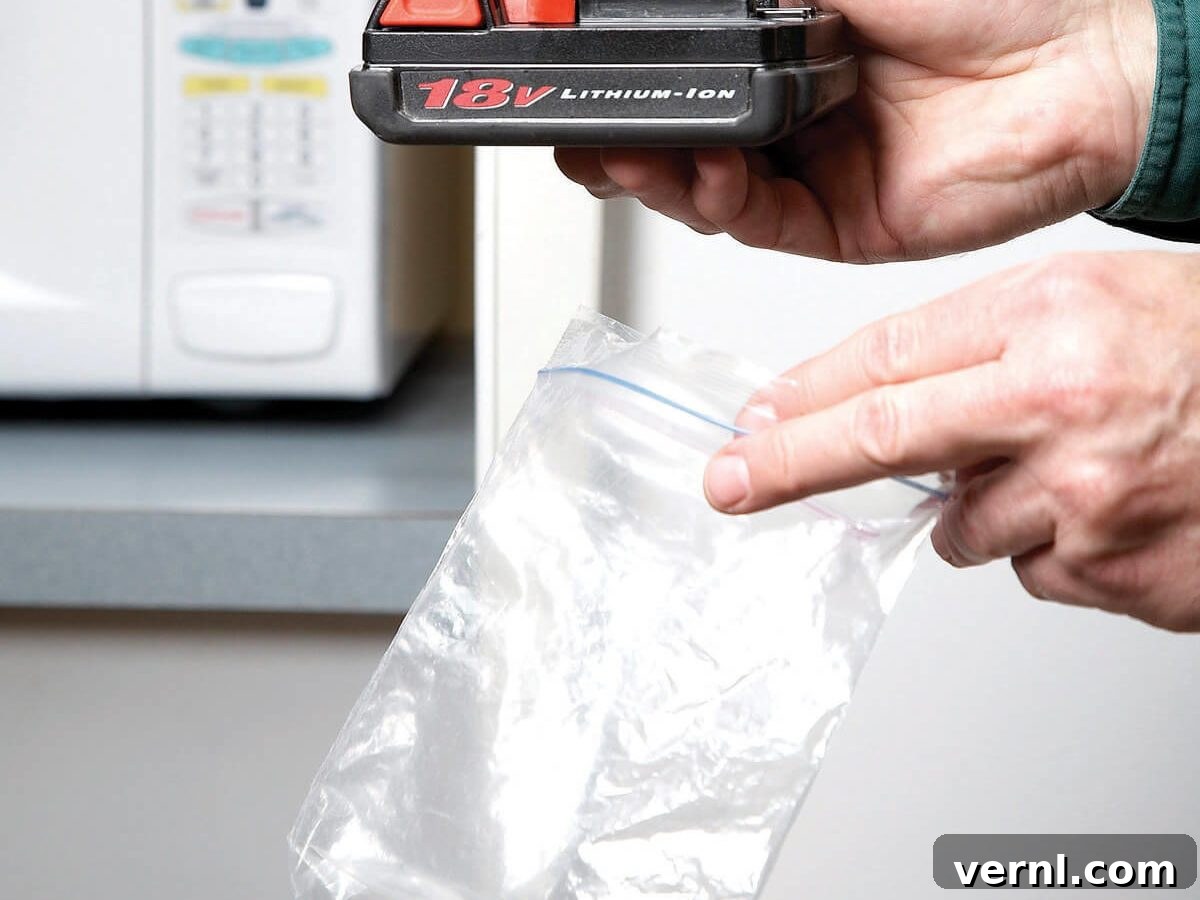
One of the most effective, yet often overlooked, methods for extending the shelf life of your spare lithium-ion tool batteries involves a simple household appliance: your refrigerator. Most power tool kits come with at least two batteries, providing an excellent opportunity to implement this longevity hack. The fundamental principle is straightforward: designate one of your new or lightly used batteries for cold storage. Place it in the refrigerator, ideally alongside your dairy products, and emphatically *not* in the freezer. This distinction is critical for preventing irreversible damage while harnessing the benefits of a cool environment.
The science behind refrigerated storage for Li-ion batteries centers on slowing down internal chemical reactions. Lithium-ion batteries experience a gradual degradation over time, a process known as “calendar aging.” This natural aging is significantly accelerated by higher temperatures. By storing a battery in a consistently cool environment, such as a refrigerator (typically maintaining temperatures between 35-40°F or 2-4°C), you effectively decelerate these detrimental chemical processes. This reduced rate of aging allows the battery to retain its charge capacity, overall health, and original performance characteristics for a much longer period compared to batteries stored at warmer room temperatures.
Empirical evidence and manufacturer recommendations frequently support this method, suggesting that a properly stored Li-ion battery in refrigeration can last at least twice as long as one left in a typical workshop or garage environment. Given the considerable cost of replacement power tool batteries, which can easily range from $50 to over $200 depending on the brand, voltage, and ampere-hour (Ah) rating, this simple act offers substantial financial savings. When your primary, actively used battery eventually shows signs of diminishing performance, you’ll have a virtually brand-new, optimally preserved backup ready to take its place, effectively doubling the usable life derived from your initial investment.
Essential Guidelines for Refrigerated Battery Storage:
- Choose the Right Spot: A standard household refrigerator is perfect. Avoid the freezer entirely, as sub-zero temperatures can cause the electrolyte to freeze, leading to permanent damage to the battery’s internal structure and rendering it unusable.
- Ensure Protection from Moisture: Before placing the battery in the fridge, always seal it in an airtight, moisture-proof bag, such as a sturdy zip-top bag or a vacuum-seal bag. This prevents condensation from forming on the battery terminals when you remove it and allow it to warm up to room temperature. Moisture on electrical contacts can lead to corrosion or dangerous short circuits.
- Optimal Charge Level for Storage: For the best long-term preservation, store Li-ion batteries at a partial charge, ideally between 40-60% of their full capacity. Storing them either fully charged or completely depleted for extended periods can accelerate internal degradation.
- Gradual Re-acclimation: When retrieving a battery from refrigeration, it is crucial to allow it to gradually warm up to room temperature before attempting to charge or use it. This process can take several hours, or even overnight, depending on the ambient temperature. Skipping this step and immediately applying power to a cold battery can induce thermal stress on the cells, potentially shortening their lifespan.
- For Spare Batteries Only: This cold storage strategy is specifically for *idle* or *spare* batteries intended for long-term preservation. It is not practical for batteries in active rotation that you use daily, as the waiting period for re-acclimation would be too inconvenient for continuous workflow.
Maximizing Active Battery Lifespan: Smart Charging and Discharging Habits
Beyond the innovative cold storage technique for spare units, the way you actively use and recharge your primary lithium-ion batteries plays a critical role in their overall operational lifespan. Unlike older battery chemistries, such as Nickel-Cadmium (NiCd) which benefited from full discharge cycles, Li-ion batteries thrive on more frequent, partial charges and are adversely affected by deep discharges.
Dispelling the Full Discharge Myth: Embrace Partial Charges
A common but detrimental misconception, often stemming from practices with older battery types, is that a battery should be completely drained before being recharged. For modern lithium-ion batteries, this approach significantly shortens their life. Repeatedly discharging a Li-ion battery until it is completely dead (below 10-20% capacity) imposes considerable stress on the internal cells. This stress accelerates capacity loss, reduces the total number of charge cycles the battery can endure, and ultimately leads to premature failure. Instead, think of it as maintaining a healthy equilibrium; moderate use is far less taxing than constant extremes.
Lithium-ion batteries perform optimally and last longest when subjected to partial discharge cycles. It is far more beneficial for battery longevity to use your tool for a period, then top off the battery with a short recharge during a break, rather than running it until it’s fully depleted and then performing a complete, lengthy refill. Aim to keep your battery’s charge level predominantly within the range of approximately 20% to 80%. This “sweet spot” minimizes the stress on the battery’s chemical components, significantly extending its overall cycle life. If opportunities arise to perform quick “opportunity charges” between tasks, take them; these short, frequent top-offs are ideal for Li-ion health.
Key Best Practices for Charging and Discharging Li-ion Batteries:
- Avoid Deep Discharges Habitually: Make it a habit to recharge your battery before it reaches critically low levels. Don’t wait until the tool stops working entirely.
- Limit Prolonged Full Charges: While occasionally charging to 100% is fine, consistently leaving a battery on the charger once it’s full, especially for extended periods, can induce stress. Most modern smart chargers have protection circuits to prevent overcharging, but it’s still prudent to remove the battery once it indicates a full charge if possible.
- Always Use the Correct Charger: Utilize only the charger specifically designed for your battery and power tool brand. Generic or mismatched chargers can lead to inefficient charging, overheating, or even irreparable damage to the battery cells.
- Charge at Moderate Temperatures: Batteries charge most efficiently and safely at room temperature. Avoid charging a battery that is either very hot (immediately after heavy use) or very cold (just removed from refrigeration). Allow hot batteries to cool down before charging, and cold batteries to warm up.
- Never Leave Batteries Fully Discharged: If a battery runs completely flat, recharge it as soon as possible. Leaving a Li-ion battery in a deeply discharged state for an extended period can push it into an irreversible “deep sleep” mode, making it difficult or impossible for the charger to revive it.
Understanding Lithium-ion Battery Lifespan: Calendar Life vs. Cycle Life
To fully grasp the factors influencing battery longevity, it’s essential to distinguish between two fundamental concepts: calendar life and cycle life.
- Calendar Life: This refers to a battery’s total lifespan from its manufacturing date, irrespective of its usage. Even if a battery remains unused on a shelf, it will gradually degrade over time due to intrinsic chemical aging. This is the aspect primarily mitigated by cold storage, as it slows down this inherent aging process. Most Li-ion batteries have a calendar life ranging from typically 2 to 5 years, even under ideal storage conditions with minimal use.
- Cycle Life: This metric quantifies the number of complete charge and discharge cycles a battery can endure before its capacity diminishes significantly (e.g., to 80% of its original capacity). A “cycle” is traditionally defined as one full discharge from 100% to 0% and then a full recharge back to 100%. However, partial discharges and charges contribute proportionally to the overall cycle count. For instance, two 50% discharges followed by two 50% recharges would equate to one full cycle. The typical cycle life for power tool Li-ion batteries generally ranges from 300 to 1000 cycles, influenced by factors such as quality, depth of discharge, charging practices, and environmental conditions.
Both calendar and cycle life are adversely impacted by high temperatures, prolonged high states of charge, and deep discharges. By diligently applying the strategies discussed – employing cold storage for inactive batteries and implementing smart charging habits for active ones – you are effectively optimizing both critical aspects of battery longevity.
Identifying the Signs of a Deteriorating Battery
Despite the most meticulous care, all lithium-ion batteries will eventually degrade and lose capacity. Recognizing the signs of a dying battery is crucial for proactive replacement planning and to avoid frustrating interruptions during important projects.
- Significantly Reduced Run Time: This is often the most noticeable indicator. If a battery that once powered your tool for an hour now provides only 15-20 minutes of use after a full charge, its energy storage capacity has substantially diminished.
- Extended Charge Times or Poor Charge Retention: A failing battery might take noticeably longer to reach a full charge, or it might rapidly lose its charge even when idle. In some advanced stages of degradation, the battery may refuse to accept a charge at all.
- Inconsistent Power Delivery: The tool may exhibit strong performance initially but quickly lose power or struggle under load, even if the battery indicator suggests a decent charge remains.
- Excessive Heat Generation: While some warmth during heavy use or charging is normal, excessive or unusual heat from the battery pack is a serious warning sign. It often indicates increased internal resistance, which can be a precursor to more severe issues.
- Physical Swelling or Deformation: This is a critical safety alert. If a battery pack appears swollen, bulging, or physically deformed, immediately cease use. Swelling indicates internal gas buildup, which can lead to venting, fire, or explosion. Dispose of such batteries safely and responsibly according to local hazardous waste regulations.
Safety First: Responsible Handling and Disposal of Li-ion Batteries
While generally safe, lithium-ion batteries require careful handling to prevent potential risks. Prioritize safety at all times:
- Prevent Physical Damage: Avoid dropping, puncturing, crushing, or otherwise physically abusing batteries. Internal damage can lead to short circuits, overheating, and fire.
- Operate Within Recommended Temperatures: While cold storage is beneficial for *shelf life*, avoid *using* or *charging* batteries in extremely hot or cold environments, as this can severely stress the cells and reduce both performance and longevity.
- Adhere to Proper Disposal Guidelines: Never discard Li-ion batteries in regular household trash. They contain hazardous materials and pose a significant fire risk in landfills. Always seek out designated battery recycling programs available in your area, often found at hardware stores, electronics retailers, or municipal waste collection centers.
- Store Safely: Keep batteries in a dry, temperate environment, away from flammable materials and out of direct sunlight or extreme heat sources.
Making Informed Decisions When Purchasing Replacement Batteries
When the inevitable time comes to replace a worn-out battery, making educated choices can further maximize your investment and tool performance.
- Original Equipment Manufacturer (OEM) vs. Aftermarket: While aftermarket batteries can offer a lower upfront cost, OEM batteries typically provide guaranteed compatibility, integrated safety features, and consistent performance matching your tool’s specifications. If considering aftermarket options, thoroughly research reputable brands with strong positive reviews and clear safety certifications.
- Consider Capacity (Ah): Evaluate your needs for amp-hour (Ah) capacity. A higher Ah rating generally translates to longer run times between charges, which can be particularly beneficial for demanding applications or extended work sessions. Be aware that higher capacity often comes with increased battery size, weight, and cost.
- Check Manufacturing Dates: If possible, inquire about or check the manufacturing date when purchasing new batteries. A newer battery will naturally have a longer calendar life ahead of it, ensuring you get the maximum possible longevity from your purchase.
Conclusion: Proactive Battery Care for Enduring Power and Value
Investing in quality power tools is a significant decision for any craftsman or DIY enthusiast. Protecting that investment, particularly the crucial lithium-ion batteries that power them, is paramount for sustained performance and value. By embracing a proactive approach to battery maintenance – leveraging the scientific benefits of cold storage for your reserve units and consistently practicing smart charging and discharge habits for your active batteries – you can substantially extend the operational lifespan of your power tool batteries. These simple yet highly effective strategies not only translate into significant savings by delaying costly replacements but also guarantee that your tools remain reliably powered and ready for action, maximizing your productivity and satisfaction for many years to come. Implement these tips today to transform your battery care routine and enjoy consistently robust, long-lasting power for all your projects.