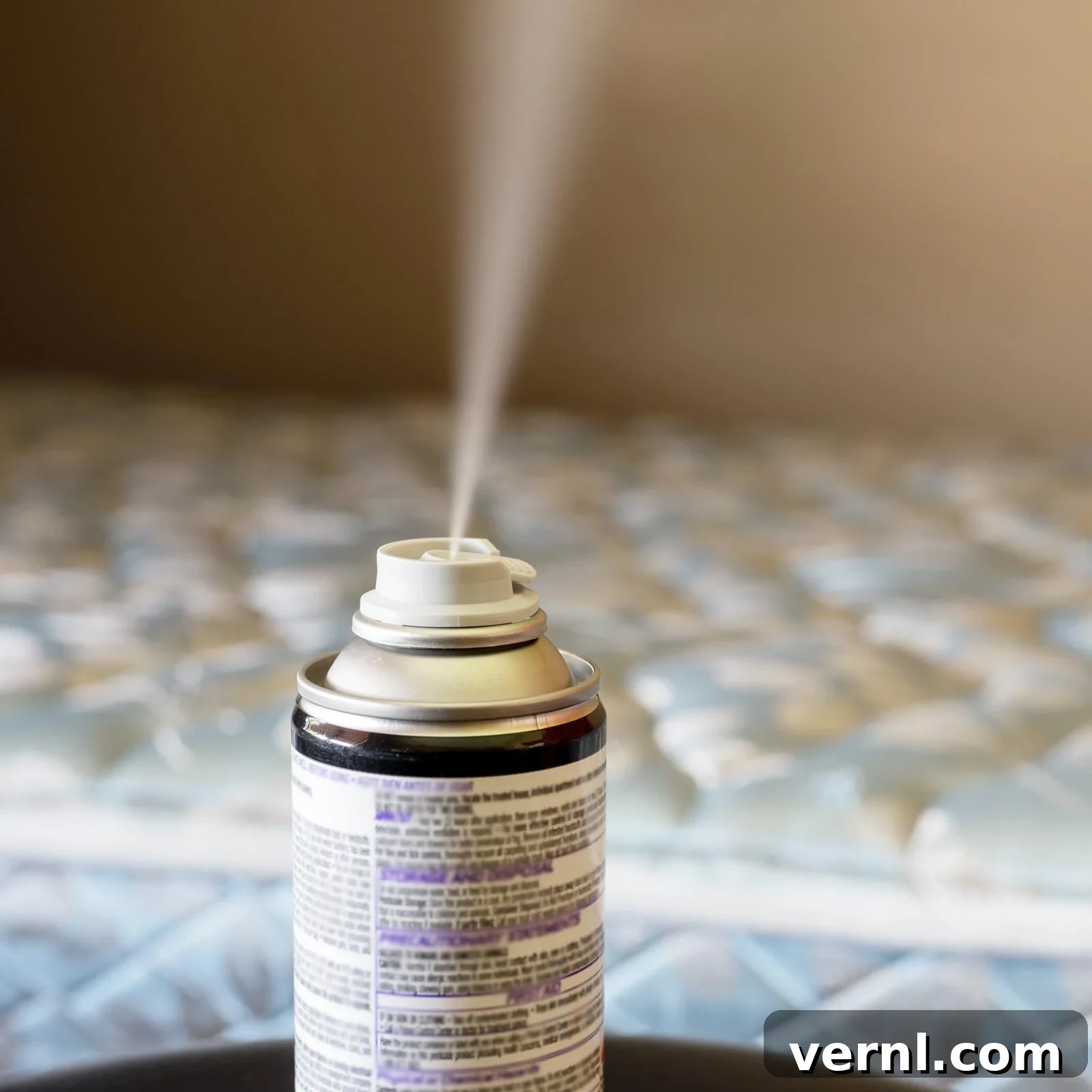
Bug Bombs: A Comprehensive Guide to Effectiveness, Safety, and Smarter Pest Control
Bug bombs, also known as total release foggers, have a long history, dating back to World War II when they were first used to protect U.S. soldiers from insect-borne diseases in the Pacific. By the end of the war, over 40 million bug bombs had been deployed, fumigating everything from barracks to tanks. Their journey from military necessity to household convenience saw them enter American kitchens just a few years later, and today, more than 50 million are still used annually across the U.S.
However, over the last two decades, the safety and effectiveness of these common pest control solutions have come under intense scrutiny. Concerns about health, environmental impact, and disproportionate effects on vulnerable communities have led states like New York to consider outright bans. This raises crucial questions for homeowners and renters alike: Are bug bombs truly an effective solution for pest control, or do they pose an unnecessary health hazard? Before you consider deploying one in your home, it’s essential to understand how long bug bomb residue lasts, their actual efficacy, and critical safety considerations. We’ll delve into these topics, offering expert insights from John Bell III, a board-certified entomologist and Market Technical Director at Rentokil North America, to help you make informed decisions about managing pests safely and effectively.
What Are Bug Bombs and How Do They Work?
Bug bombs, often referred to as aerosol foggers, bug foggers, or total release foggers, are self-contained insecticide products designed for treating large areas such as crawl spaces, kitchens, and patios for various pests. These products typically rely on synthetic insecticides, predominantly from the pyrethroid family. Pyrethroids, like cypermethrin or permethrin, are neurotoxins that target the nervous system of insects, disrupting their normal functions and leading to paralysis and eventual death.
Once activated, a bug bomb releases its contents as a fine, widespread mist of pesticide throughout the designated space. The intent is for this airborne chemical to make direct contact with any exposed insects, killing them instantly. This “contact kill” mechanism is central to their design and perceived effectiveness. John Bell III highlights the most common applications: “The big two pests we see this used most with are fleas and cockroaches. However, it has been used with flying pests such as flies.” While the concept seems straightforward, the actual efficacy and safety profile are far more complex.
Understanding the Limitations: How Effective Are Bug Bombs, Really?
The perceived effectiveness of bug bombs often diverges significantly from their actual performance, primarily due to the nature of pest behavior and the limitations of airborne chemicals. These foggers are designed to kill only those insects that come into direct contact with the airborne pesticide mist. This fundamental principle dictates their success, or more often, their failure, in real-world scenarios.
For instance, in a room densely infested with fleas that are largely exposed, bug bombs may appear to work effectively, eliminating many visible insects. However, this success is often superficial. The vast majority of pests, particularly common household invaders like cockroaches and bed bugs, are master hiders. They reside deep within wall voids, cracks, crevices, under appliances, inside furniture, and in other inaccessible harborage areas where the fog cannot penetrate. This critical flaw renders bug bombs largely ineffective in many situations, which is why they are rarely recommended or utilized by professional exterminators.
Many homeowners turn to bug bombs for stubborn infestations like bed bugs, often with disappointing results. John Bell III explains the reality: “In reality, they provide little to no control against cockroaches and some control against fleas.” He further elaborates on the cockroach problem: “Typically, the cockroaches can retreat deep into the walls or furniture where the fogger materials fail to reach. Though you will get somewhat of a kill, many will survive and reproduce.” This means that while you might see a temporary reduction in visible pests, the core infestation remains largely untouched, allowing populations to rebound quickly. The inability of bug bomb chemicals to reach harborage areas is a major reason why they are not a long-term solution for most pest problems and can even lead to insecticide resistance if misused.
How Long Does Bug Bomb Residue Last Indoors, and What Are the Risks?
While product labels typically advise staying out of a fogged area for two to four hours and then ventilating for a few more, the residue left behind by bug bombs can persist indoors for a much longer period—potentially over a year. This prolonged presence of chemical residue raises significant health and environmental concerns that extend far beyond the immediate post-application period.
Despite the widespread use of these products, there is a surprising lack of extensive studies specifically detailing the long-term dangers of these residues. However, a concerning report from the Centers for Disease Control and Prevention (CDC) highlighted that even after occupants followed recommended ventilation times, some individuals still experienced acute illnesses. This crucial finding suggests that “ventilation might be inadequate or the recommended period might be insufficient to fully eliminate TRF [total release fogger] residuals before occupancy.” Symptoms reported often include respiratory irritation, nausea, dizziness, and skin or eye irritation, indicating continued exposure to lingering pesticides.
The chemical compounds, particularly pyrethroids, can adhere to porous surfaces like carpets, upholstery, and drapes, as well as hard surfaces like floors and countertops. Over time, these residues can become airborne again as fine dust particles or be absorbed through skin contact. This constant, low-level exposure is especially worrying for sensitive individuals, including young children, pets, and those with respiratory conditions like asthma. To mitigate these risks, many experts strongly recommend a thorough and multi-stage cleaning process. This typically involves vacuuming carpets and upholstered furniture extensively (at least once, but preferably two or three times), and meticulously washing every exposed hard surface with soap and water. Furthermore, all bedding, curtains, couches, and other soft materials that may have absorbed the chemicals should be laundered to minimize contact with residual pesticides.
Essential Safety Tips for Using Bug Bombs in Homes or Apartments
If you choose to use a bug bomb, prioritizing safety is paramount. The potent chemicals and highly flammable nature of these products necessitate extreme caution. John Bell III emphasizes a cautious approach: “Items that could come into contact should be covered and then also cleaned afterwards.” Here’s a comprehensive list of items to cover or remove, along with other critical safety measures:
- Furniture and Surfaces: All furniture, countertops, tables, and other exposed surfaces should be covered with plastic sheeting or thick tarps to prevent direct chemical contact. This minimizes residue accumulation and simplifies post-treatment cleaning.
- Electronics: Corrosive chemicals and moisture from bug bombs can severely damage sensitive electronics, including televisions, computers, game consoles, and stereo equipment. Either remove these items from the area or cover them completely and securely with heavy plastic.
- Clothing and Linens: Fabrics readily absorb airborne chemicals. All clothing, drapes, towels, and similar items should be removed from the treatment area or sealed in airtight bags. Skin absorption of these chemicals can lead to irritation or other adverse effects.
- Bedding and Pillows: Similarly, bedding, pillows, and mattresses can trap pesticide residue, potentially causing skin irritation or respiratory issues during sleep. These should be removed, laundered, or thoroughly covered.
- Children’s Toys and Stuffed Animals: Young children often handle or mouth their toys. To prevent accidental ingestion or skin exposure, all children’s toys, stuffed animals, and baby items must be removed or sealed away.
- Food Items and Utensils: Any exposed food, cookware, dishes, and utensils must be securely stored in sealed containers or removed from the premises to prevent chemical contamination and accidental ingestion.
- Pets and Other Animals: This is a non-negotiable safety step. “Covering things, such as fish tanks, will not ensure that the areas will be protected from the fogger materials,” warns Bell. “It is not recommended that fish, or any other animals, stay inside a house that is being fogged.” All pets, including birds, reptiles, fish, and even plants, must be completely removed from the home during treatment and until it is thoroughly ventilated.
- Pilot Lights and Open Flames: Bug bombs are highly flammable. Before activation, extinguish ALL pilot lights (water heater, stove, furnace), turn off gas appliances, and unplug anything that could create a spark. This is critical to prevent fires and explosions, which cause hundreds of incidents annually.
- Ventilation: Ensure all windows and doors are closed tightly before activation. After the recommended waiting period, open all windows and doors for extensive ventilation before re-entry.
Always read and strictly follow the manufacturer’s instructions on the product label. Misuse, such as using too many foggers for the space or not evacuating properly, significantly increases risks.
Are Bug Bombs Safe for Household Use? An Honest Assessment
The question of whether bug bombs are truly safe for household use is complex and depends heavily on interpretation and adherence to safety protocols. While regulated by the Environmental Protection Agency (EPA), their inherent properties and potential for misuse introduce considerable risks. As John Bell III starkly puts it, “Like anything, products that are misused can be dangerous. I don’t recommend their use.”
One of the most immediate and well-documented dangers of bug bombs is their extreme flammability. The propellants used to disperse the insecticide are often highly combustible. When activated near an open flame, such as a pilot light from a water heater or stove, or even an electrical spark, bug bombs can trigger devastating fires and explosions. These incidents are not rare, leading to hundreds of property damages and injuries each year across the United States. Failing to turn off all ignition sources before setting off a bug bomb is a perilous mistake with severe consequences.
Beyond the fire hazard, direct exposure to the chemicals dispersed by bug bombs can cause a range of acute health effects. Common symptoms include throat irritation, coughing, wheezing, and difficulty breathing, particularly for individuals with pre-existing respiratory conditions like asthma. Eye irritation, skin rashes, nausea, and headaches are also frequently reported after exposure. While these acute symptoms typically subside once the individual is removed from the contaminated environment and receives fresh air, the long-term health effects of repeated or chronic, low-level exposure to bug bomb residues are less understood and remain a subject of ongoing concern and research. Scientists continue to investigate potential links between pesticide exposure and various neurological and developmental issues, though definitive conclusions specific to bug bomb residue are still emerging.
The EPA does regulate bug bombs, requiring manufacturers to provide detailed instructions and warnings. Most reported damages, injuries, and illnesses associated with these products stem from user error—primarily from individuals failing to read or follow manufacturer instructions. Common mistakes include using too many foggers for the size of the room, failing to properly ventilate after treatment, or not evacuating pets and vulnerable individuals. While the EPA’s regulation aims to ensure a baseline level of safety when used as directed, the ease of misuse and the significant risks involved underscore the need for extreme caution and perhaps, a reevaluation of their suitability for general consumer use.
Guide to Cleaning After Bug Bomb Use
Proper and thorough cleaning after using a bug bomb is critical to minimize chemical exposure and ensure the safety of your home. Follow these detailed steps to clean your home effectively:
- Ventilate the Area Extensively: After the recommended re-entry time specified on the product label (typically 2-4 hours), open all doors and windows in the treated area. Use fans to help circulate air and force chemical fumes outside. Continue this ventilation for at least an additional 1-2 hours, or longer if any chemical odor persists.
- Wipe Down All Hard Surfaces: Using a mild detergent or soap and water, thoroughly wipe down all hard, non-porous surfaces. This includes floors (especially non-carpeted areas), tables, countertops, shelves, kitchen appliances, and any other furniture that was exposed. Pay extra attention to food preparation areas and surfaces that are frequently touched.
- Vacuum Thoroughly and Repeatedly: Pesticide residues can settle heavily on carpets, rugs, and upholstered furniture. Use a powerful vacuum cleaner to go over these areas multiple times. Focus on high-traffic zones, under furniture, and along baseboards. Consider using a HEPA filter in your vacuum to trap fine particles more effectively. Dispose of the vacuum bag immediately outside your home.
- Wash All Fabrics and Linens: Any soft items that were left out during fogging, such as bedding, curtains, drapes, throw blankets, and clothing, must be washed. Use hot water and your regular laundry detergent. For items that cannot be machine washed, consider professional cleaning or airing them out outdoors for an extended period.
- Clean Inside Drawers and Cupboards: If any drawers, cabinets, or cupboards were left open during the fogging process, ensure you wipe down the interior surfaces with a damp cloth and mild detergent. Remove any items stored inside and clean them as well before returning them.
These diligent cleaning measures are essential to significantly lower the chance of contact with lingering pesticide residues, helping to create a safer living environment for you and your family.
What Is the Best Alternative to a Bug Bomb for Effective Pest Control?
The most effective alternative to a bug bomb invariably depends on the specific pest species you are targeting. Instead of a broad, indiscriminate chemical release, professional pest control relies on an understanding of insect biology, habits, and vulnerabilities—a strategy known as Integrated Pest Management (IPM). IPM focuses on long-term prevention, pest suppression, and judicious use of targeted treatments.
For persistent issues like cockroaches, John Bell III firmly recommends targeted solutions: “For cockroaches, baits typically are the best treatment.” He explains, “Baits are food laced with insect controls and use the cockroaches’ desire for food against them. As the cockroach searches out and finds this food, they will ingest the insecticide, killing the cockroach. Other cockroaches will also feed on the bait or dead carcasses, killing them as well.” Gel baits, placed strategically in cracks and crevices where cockroaches hide, offer a highly effective and low-risk method. This ensures the pesticide reaches the source of the infestation without contaminating your living space.
When dealing with fleas, Bell advises a multi-pronged approach. First, “treat the animal with flea control,” which often involves veterinarian-prescribed oral medications or topical treatments. Second, “also treat its resting areas with an insect control that contains a growth regulator, to target immature forms as well as adults.” Insect Growth Regulators (IGRs) interrupt the flea life cycle, preventing eggs and larvae from maturing, thereby breaking the cycle of infestation. Thorough vacuuming (and immediate disposal of the bag) and washing pet bedding in hot water are also crucial steps.
Regardless of the pest, prevention is often the most effective and safest “treatment.” This includes:
- Sanitation: Keeping kitchens clean, storing food in airtight containers, and promptly cleaning spills eliminates food sources.
- Exclusion: Sealing cracks, crevices, and entry points around windows, doors, and foundations prevents pests from entering your home.
- Moisture Control: Fixing leaks and reducing humidity deprives many pests of essential water sources.
- Regular Inspection: Early detection of pest activity allows for localized and less invasive treatments.
For any significant or persistent pest problem, consulting with a professional, board-certified entomologist or a reputable pest control service is highly recommended. They can accurately identify the pest, assess the extent of the infestation, and develop a targeted, effective, and safe treatment plan that avoids the risks associated with bug bombs. The EPA offers additional detailed information on safely using pesticides and preventing and treating various pests through integrated approaches.
FAQs About Bug Bombs and Residue
How long does bug bomb residue last, and is it harmful in any way?
Bug bomb residues can persist on surfaces for several hours to well over a year, depending on the specific product’s chemical formulation, the treated surfaces, and the level of ventilation in the area. While most residues slowly degrade over time, they can cause irritation if touched or inhaled, especially for sensitive individuals, young children, or pets. Lingering residues contribute to chronic, low-level exposure, which is a key concern for long-term health impacts, as noted by organizations like the CDC. Thorough cleaning and ventilation are essential to minimize these risks.
How long should I wait before re-entering my house after using a bug bomb?
It is generally recommended to stay out of the treated area for a minimum of 2 to 4 hours after activating a bug bomb. Following this, an additional 1 to 2 hours of thorough ventilation with all windows and doors open is advised to disperse airborne chemicals. However, it is crucial to always check your specific product’s label for exact re-entry times, as formulations can vary. When in doubt, it is always safer to extend the waiting and ventilation periods to ensure optimal safety and reduce exposure risks.
How do you properly set off a bug bomb without compromising your safety?
To safely set off a bug bomb, first and foremost, ensure all pilot lights, open flames, and potential ignition sources (like electrical appliances) are extinguished or unplugged to prevent fires or explosions. Place the bug bomb in the center of the room, as specified by the product instructions. Seal all windows and exterior doors tightly before activation to contain the fog. Evacuate all people and pets from the premises for the recommended duration. Do not overuse foggers; deploying more than recommended for the space size does not increase effectiveness but significantly increases residue buildup and potential health hazards. Always strictly follow the manufacturer’s instructions for safe and intended use.
About the Experts:
- John Bell III is a board-certified entomologist with over 20+ years of experience in the pest control service industry and is currently a Market Technical Director at Rentokil North America.
Sources:
- NIB: “Ineffectiveness of over-the-counter total-release foggers against the bed bug”
- Wiley Online Library: “Pyrethroid concentrations and persistence following indoor application”
- CDC: “Acute Illnesses and Injuries Related to Total Release Foggers — 10 States, 2007–2015”
- EPA: “Safety Precautions for Total Release Foggers”
- EPA: “Got Pests? Control Them Safely”
- EPA: “Citizen’s Guide to Pest Control and Pesticide Safety”
- PubMed: “Ineffectiveness of over-the-counter total-release foggers against the bed bug (Heteroptera: Cimicidae)”