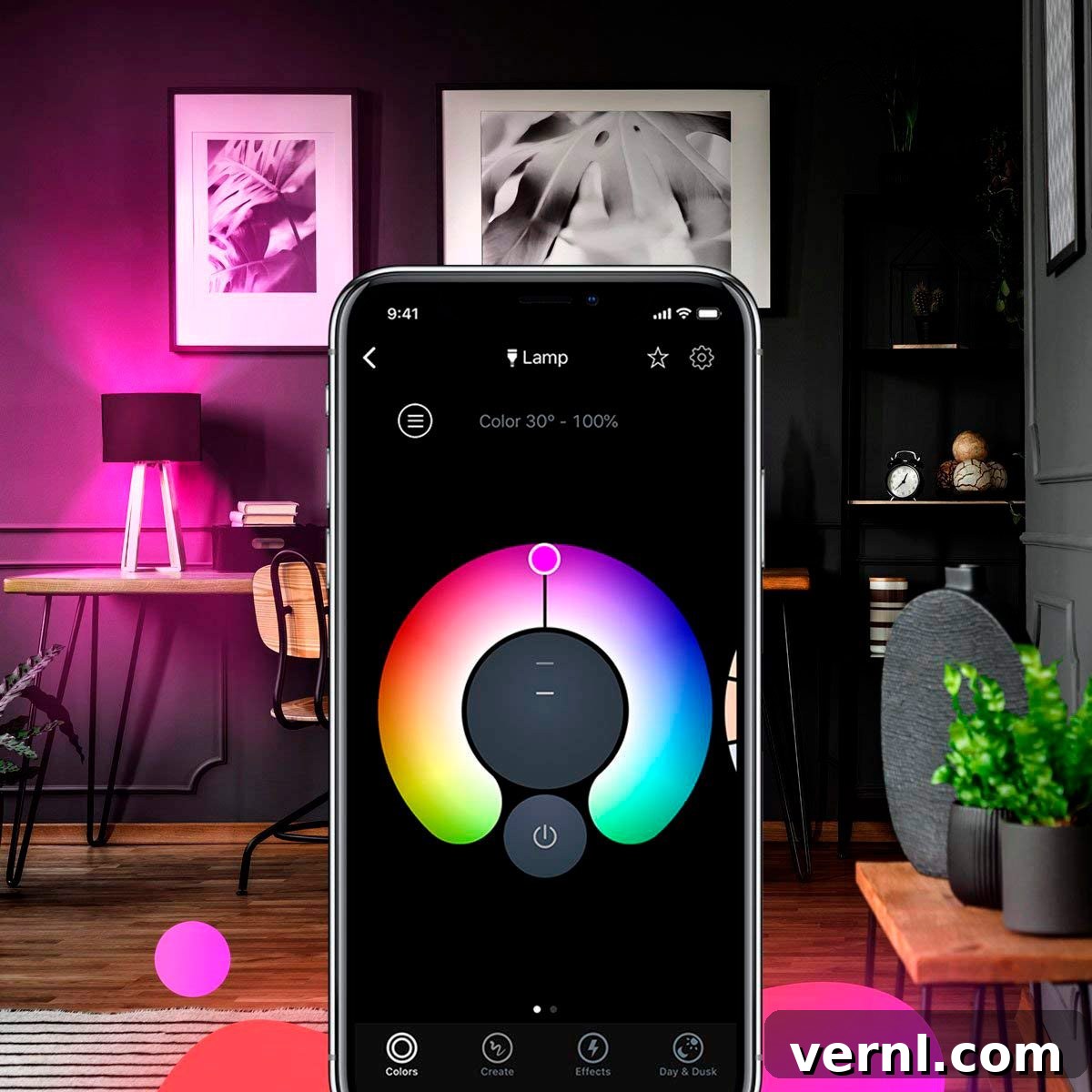
The Ultimate Guide to LED Color Changing Light Bulbs: Transform Your Home with Smart Lighting
Remember the days of lava lamps and black lights, when the idea of having a room bathed in any color you desired seemed like something out of a futuristic movie? What if you could control those vibrant hues with a simple tap on your smartphone or a voice command? That future is now a brilliant reality, thanks to LED color changing light bulbs. These innovative smart lighting solutions are more than just a trend; they offer a dynamic way to personalize your living space, enhance your well-being, and even boost home security. If you haven’t yet explored the exciting world of smart color changing LEDs, you’re in for an illuminating experience. Here’s everything you need to know to brighten up your home with smart, colorful light.
What Are LED Color Changing Light Bulbs?
At their core, LED color changing light bulbs are a sophisticated evolution of traditional lighting. Unlike incandescent or fluorescent bulbs that emit a single color temperature (like warm white or cool white), these smart bulbs incorporate multiple LEDs – typically red, green, and blue (RGB) – that can be mixed in varying intensities to produce millions of different colors. Many advanced models also include white LEDs (RGBW or RGBWW) to provide a fuller spectrum of tunable white light, ranging from warm yellow to cool blue-white, in addition to the vibrant colors. This versatility allows you to switch from functional task lighting to atmospheric mood lighting instantly, all from a single bulb.
How Do Smart Color Changing LEDs Work? Unveiling the Technology
The magic behind LED color changing light bulbs lies in their advanced technology and connectivity options. While they fit into standard light fixtures, their “color changing magic” requires some form of digital control. Understanding these mechanisms will help you choose the best system for your needs and budget.
The Core Technology: LEDs and Color Mixing
- Light Emitting Diodes (LEDs): At the heart of these bulbs are tiny, energy-efficient semiconductor devices called LEDs. Unlike traditional bulbs that generate light by heating a filament, LEDs produce light through electroluminescence, making them incredibly efficient and long-lasting.
- RGB Color Mixing: Most color changing bulbs use a combination of red, green, and blue LEDs. By varying the intensity of each color, the bulb can create a vast spectrum of hues. For instance, combining red and green light at full intensity creates yellow, while mixing all three creates white light.
- Tunable White (RGBW/RGBWW): Premium bulbs often include dedicated white LEDs. “RGBW” bulbs add a cool white LED, while “RGBWW” (RGB Warm White) bulbs include both warm and cool white LEDs. This allows for a wider and more accurate range of white light temperatures, which is crucial for functional lighting and supporting natural circadian rhythms.
Control Mechanisms: Your Remote to a Spectrum of Light
The way you interact with your smart bulbs is a key differentiator in their functionality and price:
- Remote Control: The most basic and often most affordable option. These bulbs come with a dedicated infrared (IR) or radio frequency (RF) remote. You can typically cycle through a preset range of colors, dim the light, and turn it on/off. It’s simple, straightforward, and doesn’t require Wi-Fi or a smart home hub. An example is a Boomile E26 LED Light Bulb with Remote Control, offering a broad spectrum of colors with ease.
- Bluetooth Control: These bulbs connect directly to your smartphone or tablet via Bluetooth. You control them through a manufacturer’s app, which often provides more granular color selection, custom scenes, and scheduling than a basic remote. Bluetooth range is limited, meaning you need to be relatively close to the bulb to control it, and they typically don’t integrate with voice assistants.
- Wi-Fi Control (Hub-less Smart Bulbs): A popular choice for those venturing into smart homes. These bulbs connect directly to your home Wi-Fi network and are controlled via a smartphone app. They offer advanced features like remote access (control lights from anywhere with an internet connection), scheduling, grouping, and seamless integration with voice assistants like Amazon Alexa, Google Assistant, and sometimes Apple HomeKit, without needing a separate hub. Lumiman Smart Light Bulbs are a great example of Wi-Fi-enabled, hub-less options that work with major smart home platforms.
- Hub-Based Smart Lighting Systems: For the ultimate smart home experience, systems like Philips Hue or LIFX utilize a central “bridge” or “hub” that connects to your home router. Bulbs then communicate with this hub using low-power protocols like Zigbee (Philips Hue) or Wi-Fi (LIFX). These systems often provide the most robust features, reliability, larger network capacity, and deeper integration with other smart home devices. They are generally considered top-tier in terms of performance and ecosystem capabilities. You can make your entire house a smart house with these cool tech gadgets.
Why Embrace Color Changing LED Bulbs? Beyond Basic Illumination
The appeal of color changing light bulbs extends far beyond mere novelty. They offer a multitude of benefits that can significantly enhance your lifestyle and home environment. Here’s why smart LED color changing bulbs are attracting a growing number of enthusiasts:
1. Personalized Ambiance and Mood Setting
This is arguably the most captivating aspect of color changing lights. Imagine transforming your living room into a vibrant party zone with dynamic color shifts, a tranquil retreat with soft blues and greens, or a cozy reading nook with warm amber tones. You can:
- Create Themed Environments: Set festive colors for holidays, romantic hues for date nights, or even team colors for game day.
- Match Decor and Style: Highlight artwork, complement furniture, or change the entire aesthetic of a room with a single tap.
- Enhance Entertainment: Many smart bulbs can sync with music or movies, creating an immersive experience that extends beyond the screen.
- Foster Creativity: Experiment with different lighting schemes to inspire productivity or relaxation in your workspace or studio.
2. Enhanced Wellness and Circadian Rhythm Support
Light plays a crucial role in regulating our body’s natural sleep-wake cycle, known as the circadian rhythm. Smart color changing bulbs, particularly those with tunable white capabilities, can significantly contribute to your well-being:
- Gentle Waking and Sleeping: Instead of a jarring alarm, imagine waking up to a simulated sunrise, with lights gradually brightening and shifting from warm oranges to crisp whites. Similarly, you can program lights to slowly dim and change to calming reds or ambers as you prepare for sleep, signaling to your body that it’s time to unwind. Many smart devices can link to colored light bulbs to both darken as you fall asleep and lighten as you wake up.
- Improved Focus and Productivity: Bright, cool white light can boost alertness and concentration during work hours, while softer, warmer tones can promote relaxation in the evening.
- Reduced Eye Strain: Adjusting light temperature and brightness throughout the day can minimize eye fatigue, especially for those who spend a lot of time indoors.
- Seasonal Affective Disorder (SAD) Support: For some, bright, full-spectrum white light can help alleviate symptoms of SAD during darker months.
3. Boosted Home Security and Deterrence
Smart lighting can be a powerful tool in your home security arsenal, giving the impression that your home is occupied even when you’re away:
- Remote Control from Anywhere: By downloading an app, you can control your lights from any location with an internet connection. This means you can turn lights on and off sporadically while on vacation, making it appear as though someone is home, deterring potential intruders.
- Scheduled Lighting: Set up routines for lights to turn on and off at specific times, mimicking your daily habits.
- Integration with Security Systems: Some smart lighting systems can link with motion sensors or security cameras, triggering lights to flash or turn on if activity is detected. Keep your entry door secure with these security tips.
4. Seamless Smart Home Automation and Integration
If you’re a tech enthusiast, color changing bulbs are a natural extension of your smart home ecosystem. They integrate effortlessly with popular platforms, allowing for sophisticated automation:
- Voice Control: Use Amazon Alexa, Google Assistant, or Apple Siri to change colors, dim lights, or activate scenes with simple voice commands.
- Automated Routines: Create “scenes” or “routines” that combine multiple actions. For example, a “movie night” scene could dim the lights to a warm amber, turn on the TV, and close smart blinds with a single command.
- Notifications and Alerts: Program lights to flash a specific color for important notifications, such as a reminder for a dinner reservation or if your smart doorbell detects a visitor. For example, if you’re distracted while watching videos, a bright flashing purple light could remind you of your dinner reservation in 15 minutes.
- Geofencing: Have your lights turn on automatically when you arrive home and turn off when you leave, using your phone’s location. Want the best tech products for your house? Spot what you need from this list!
5. Energy Efficiency and Longevity
While the initial investment in smart LED bulbs might be higher than traditional bulbs, they offer significant long-term savings:
- Reduced Energy Consumption: LEDs use substantially less electricity than incandescent or even CFL bulbs, leading to lower utility bills.
- Extended Lifespan: LED bulbs can last for tens of thousands of hours, often 10-25 times longer than incandescent bulbs, meaning fewer replacements and less waste.
- Durable Construction: Being solid-state devices, LEDs are more resistant to breakage from drops and vibrations compared to fragile incandescent bulbs. Upgrade your workshop by swapping fluorescent lights for LEDs.
Choosing the Right Color Changing LED Bulbs for Your Home
With a plethora of options available, selecting the perfect smart color changing bulbs can seem daunting. Consider these factors to make an informed decision:
- Connectivity Type: Decide between simple remote control, Bluetooth, Wi-Fi (hub-less), or a hub-based system. Wi-Fi and hub-based systems offer the most features and smart home integration.
- Ecosystem Compatibility: If you already have smart devices, ensure your chosen bulbs are compatible with your existing smart home platform (e.g., Alexa, Google Home, Apple HomeKit, SmartThings).
- Brightness (Lumens): Check the lumen output to ensure the bulbs are bright enough for their intended use. For reference, a 60W incandescent bulb is roughly equivalent to 800 lumens.
- Color Range and Accuracy: Look for RGBW or RGBWW bulbs if you want a wide range of both vibrant colors and high-quality white light.
- Features: Consider dimmability, scheduling capabilities, scene presets, music synchronization, and geofencing.
- Form Factor: Ensure the bulb base (e.g., E26, E27, GU10) and shape (e.g., A19, BR30) match your existing fixtures.
- Budget: Prices vary widely based on features, brand, and connectivity. Start with a single bulb or a small kit to test the waters before investing in a whole-home system.
Installation and Setup: Getting Started with Smart Lighting
Installing most color changing LED bulbs is remarkably straightforward:
- Screw In the Bulb: Replace your old bulb with the new LED smart bulb in any standard fixture.
- Power On: Ensure the light switch is in the “on” position.
- Download the App: For Bluetooth, Wi-Fi, or hub-based systems, download the manufacturer’s dedicated app on your smartphone or tablet.
- Pair the Device: Follow the in-app instructions to pair your bulb(s) with your phone, Wi-Fi network, or smart home hub. This often involves a simple discovery process.
- Customize and Automate: Once paired, you can start exploring the app’s features: changing colors, setting brightness, creating scenes, and scheduling routines.
Here’s how to add a light and make an existing switch do double duty.
Potential Considerations and Making the Most of Your Smart Lights
While the benefits are plentiful, it’s also wise to consider a few potential aspects:
- Initial Cost: Smart color changing bulbs can be more expensive upfront than traditional bulbs, especially for premium hub-based systems.
- Network Reliability: For Wi-Fi and hub-based systems, a stable home network is crucial for seamless operation.
- Learning Curve: While basic functions are easy, mastering advanced automation and integration might require a bit of experimentation with the app or smart home platform.
- Privacy: As with any connected smart device, consider the privacy policies of the manufacturers, especially for cloud-based services.
Conclusion: The Future is Bright, and Colorful
Are LED color changing light bulbs an absolute necessity? Perhaps not in the traditional sense. They are, without a doubt, a luxury—but a truly transformative one. They represent a significant leap forward in home lighting, offering unparalleled personalization, convenience, and integration with modern living. Whether you’re a tech enthusiast, someone looking to enhance their well-being, or simply desire to add a touch of dynamic flair to your home, smart color changing LED bulbs offer a compelling proposition. The next time you have a bit of extra cash, perhaps you’ll consider investing in these vibrant innovators. Now, at least, you have a comprehensive understanding of what these incredible color-changing bulbs are all about.
Choose the right LED bulbs for your house by checking out our guide: Choosing LED Bulbs for Your Home.
Recommended Products to Start Your Colorful Journey:
- For simple remote-controlled fun: Boomile E26 LED Light Bulb with Remote Control
- For smart Wi-Fi convenience without a hub: LUMIMAN Smart Wi-Fi LED Lights
- For a top-tier smart lighting ecosystem: Philips Hue 2-Pack Premium Smart Light Starter Kit
- For powerful and vibrant smart lighting: LIFX 1100-Lumen A19 LED Light Bulb
As an Amazon Associate and affiliate partner, we may earn commissions from qualifying purchases made through the links on this page. Our editorial selections are independent and based on product merit.