
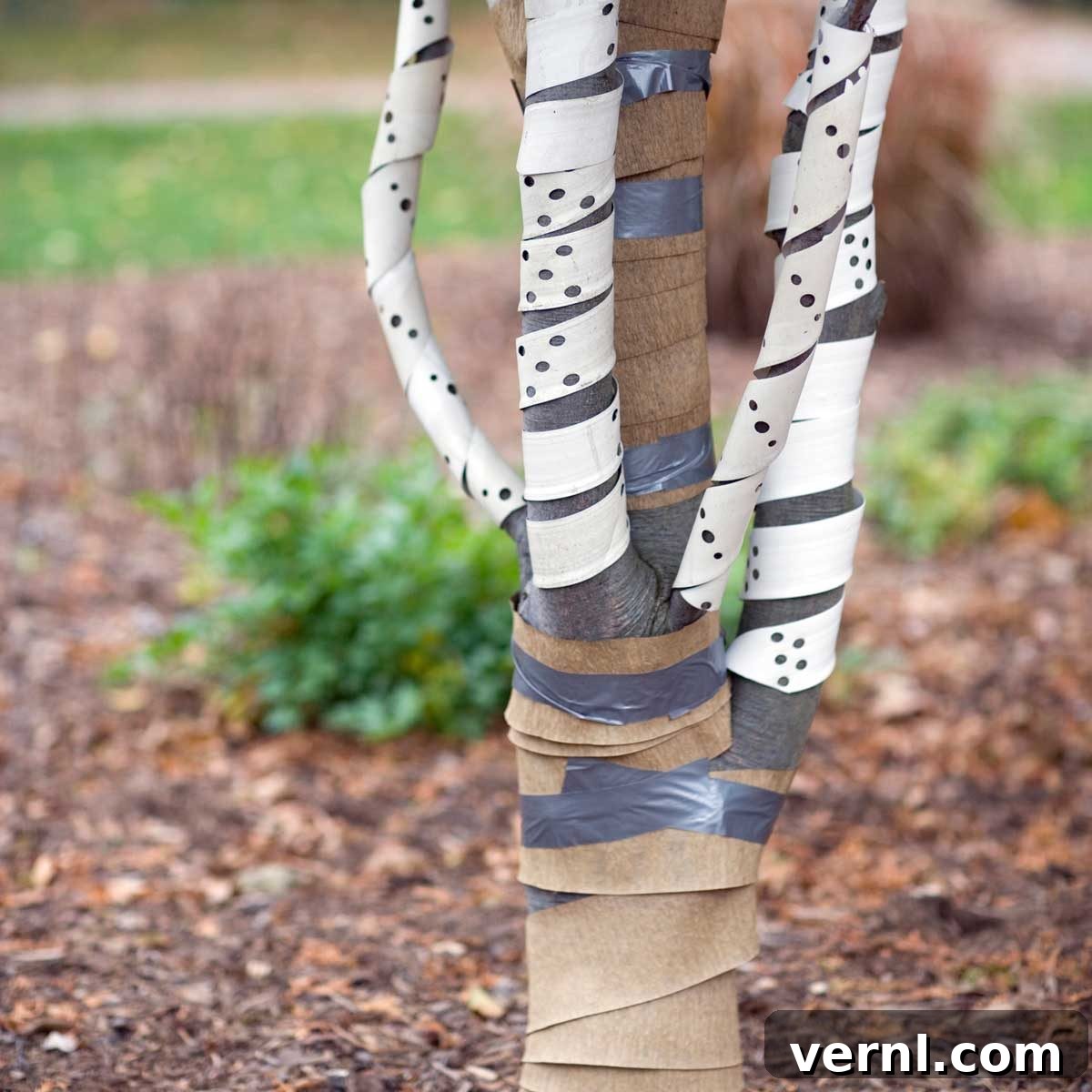
In the symphony of a thriving garden, trees play a monumental role, offering shade, beauty, and even fruit. However, these majestic sentinels, especially young or thin-barked varieties, face a barrage of environmental threats, particularly during the harsh winter months. Protecting their vulnerable trunks is not just a matter of aesthetics; it’s an investment in their long-term health and vitality. Among the myriad of solutions available, one stands out for its simplicity, affordability, and effectiveness: the humble yet powerful tree wrap.
What Is Tree Wrap?
Tree wrap is a specialized protective material designed to encase the trunk of a tree, acting as a crucial barrier against various environmental stressors. Typically found in long, narrow strips, this material is wrapped around the trunk, offering an additional layer of defense that the tree’s natural bark sometimes cannot provide on its own. While its benefits extend across seasons, tree wrap is predominantly hailed for its ability to mitigate the severe challenges posed by winter conditions.
The primary threats that tree wrap combats include extreme temperature fluctuations, which can lead to significant bark damage; intense sun exposure, especially when sunlight reflects off snow and ice; and the damaging activities of certain animals seeking food or shelter. Newly planted trees and those with naturally thin bark, such as maples, willows, crabapples, and even some fruit trees, are particularly susceptible to these dangers. Their developing bark lacks the thickness and resilience of mature trees, making them prime candidates for injury.
In essence, tree wrap provides an artificial reinforcement to the tree’s natural protective layer. It insulates the bark, helps regulate temperature, and forms a physical deterrent against pests. These wraps are manufactured from various materials, each offering unique properties, and are available in rolls typically ranging from three to six inches in width and anywhere from 20 to 300 feet in length, accommodating a wide range of tree sizes and protection needs.
Types of Tree Wrap
Understanding the different materials used for tree wraps is key to selecting the most appropriate protection for your specific trees and local climate. The three main types of tree wrap available in the market are polypropylene fabric, paper, and burlap, each with distinct advantages and ideal applications.
Polypropylene Fabric Tree Wrap
Polypropylene fabric tree wrap is a widely favored choice among gardeners and arborists alike, primarily due to its balanced combination of cost-effectiveness, flexibility, breathability, and water resistance. Its inherent stretchiness is a significant advantage, allowing the wrap to conform snugly to the contours of the tree trunk without exerting excessive pressure. This elasticity is crucial in preventing a condition known as “girdling,” where a constrictive material chokes the tree, impeding the flow of nutrients and water through the bark layers, which can ultimately lead to the tree’s decline or death.
Beyond its flexibility, polypropylene’s unique properties include a gradual, natural breakdown over time. This biodegradability further reduces the risk of long-term girdling, as the material will eventually disintegrate, preventing it from becoming a permanent fixture on the growing trunk. Furthermore, polypropylene is engineered to be porous enough to allow air circulation and prevent the damaging accumulation of moisture, which can otherwise foster fungal growth and bark rot. Yet, its porosity is carefully balanced to ensure it still retains its temperature-regulating capabilities, providing effective insulation against temperature extremes.
Paper Tree Wrap
Paper tree wrap typically consists of multiple layers of uncolored, biodegradable kraft fabric, often infused with a water-resistant wax layer to enhance its durability against moisture. Aesthetically, many find its natural tan or beige coloration more appealing than the often brighter hues of synthetic wraps, allowing it to blend more seamlessly into the natural landscape.
Most paper wraps are crafted from crepe paper, a type of kraft paper treated to possess a distinct wrinkly texture. This treatment significantly improves its stretch and breathability, making it more adaptable to the tree’s shape and promoting healthy air exchange. While paper wraps offer a natural and eco-friendly option, they generally have a shorter lifespan compared to their polypropylene counterparts. This means they may require more frequent inspection and replacement, particularly after periods of heavy rain or snow, making them a choice often better suited for milder climates or for gardeners prepared for regular maintenance.
Burlap Tree Wrap
Burlap tree wrap, a traditional and robust option, is particularly well-suited for certain types of trees, such as evergreens, which often require superior air circulation and slightly less stringent heat regulation than deciduous trees. Its affordability and widespread availability make it a popular choice, especially among professionals who value its exceptional breathability. Burlap’s coarse, open weave allows for maximum airflow, preventing moisture buildup and providing a strong physical barrier against external threats.
Gardeners have the flexibility to purchase burlap as precut rolls, or they can repurpose burlap sacks or cut strips from larger sheets of burlap fabric, offering a sustainable and customizable solution. While burlap excels in breathability and protection against physical damage, its rougher texture and less elastic nature mean it might not contour as smoothly as polypropylene. It’s often chosen for larger, more established trunks that primarily need protection from animal damage rather than delicate sunscald prevention, or in environments where airflow is paramount to prevent desiccation of evergreen foliage.
Choosing the Right Tree Wrap Material
The “best” tree wrap material isn’t universal; it depends heavily on several factors: the specific type of tree you’re protecting, your local climate, and the primary threats you aim to mitigate. For young, thin-barked deciduous trees in climates with significant sunscald risk, stretchy and breathable polypropylene might be ideal. For an eco-conscious approach in a relatively mild winter, paper wrap could suffice with diligent monitoring. And for evergreens or more mature trees primarily threatened by animal browsing, burlap offers robust, breathable protection.
Benefits of Using Tree Wrap
The strategic application of tree wrap offers a multitude of critical benefits, safeguarding trees from various environmental and biological threats that can compromise their health and longevity. These protective measures are especially vital for young and vulnerable trees.
Protection Against Sunscald and Frost Cracking
One of the primary reasons for using tree wrap is to protect against “sunscald.” This condition occurs during winter when the sun’s intense rays, especially on the south and southwest sides of the trunk, warm the bark and stimulate the dormant cambium layer (the active growth tissue beneath the bark). This premature activation causes sap to flow. However, as temperatures plummet again after sunset, this activated sap freezes rapidly, leading to the rupture of cells and tissues. The result is often cracked, discolored, and peeling bark, which not only looks unsightly but also creates entry points for pests, fungi, and diseases.
Tree wrap acts as an insulating layer, reflecting sunlight and helping to stabilize the bark’s temperature. This consistent temperature prevents the dramatic warming and freezing cycles that cause sunscald, thereby mitigating the risk of frost cracking—a similar phenomenon where rapid expansion and contraction due to temperature swings cause the bark and underlying wood to split.
Deterring Pests and Wildlife
Winter can be a challenging time for wildlife, often leading them to seek food and shelter in unexpected places, including your trees. Tree wrap provides an effective physical barrier against several common animal pests. Deer, for instance, frequently rub their antlers against young tree trunks in late fall and winter to remove velvet or mark territory, causing significant bark damage that can girdle and kill a young tree. The wrap prevents direct contact, protecting the tender bark from their abrasive actions.
Similarly, rabbits, voles, and other rodents are notorious for gnawing on tree bark, particularly when other food sources are scarce. They seek out the nutritious cambium layer just beneath the bark. This “girdling” action, if extensive enough to encircle the entire trunk, severs the pathways for water and nutrients, effectively starving the tree to death. Tree wrap creates a physical deterrent that these animals cannot easily chew through, thereby preserving the tree’s vital circulatory system.
Shielding from Mechanical Damage
Beyond natural threats, trees in urban and suburban landscapes are also susceptible to accidental damage from human activities. Lawn mowers, weed whackers, trimmers, and other landscaping equipment can inadvertently scrape, cut, or otherwise injure tree trunks. Even a minor wound can be detrimental, as it breaches the tree’s protective bark and creates an open invitation for pests and diseases. When left on year-round, or at least during active landscaping seasons, tree wrap provides a crucial physical shield against these common mechanical injuries, safeguarding the bark from direct impact and abrasion.
Disease Prevention
Ultimately, by preventing sunscald, frost cracks, and physical damage from animals and machinery, tree wrap plays a significant role in overall disease prevention. Healthy, intact bark is a tree’s primary defense mechanism against pathogens. Any breach in this protective layer, whether a crack, an abrasion, or a gnawed area, can serve as a direct entry point for fungal spores, bacteria, and insects that carry diseases. By maintaining the integrity of the bark, tree wrap helps ensure the tree remains robust and resilient, better equipped to fend off potential infections and thrive for years to come.
When to Use Tree Wrap
The timing of tree wrap application and removal is just as crucial as its selection, directly influencing its effectiveness and preventing potential harm to the tree. While some individuals might consider year-round application, the consensus among arboriculture experts is that tree wrap should be applied seasonally, primarily during the colder months.
Seasonal Application for Optimal Protection
The ideal time to apply tree wrap is in the fall, typically around November, just as deciduous trees begin to enter their dormant state and before the first hard frosts arrive. This ensures the trunk is protected throughout the critical winter period when sunscald, frost cracking, and animal damage are most prevalent. The wrap should then be removed in early spring, usually around April, once the risk of severe freezes has passed and temperatures begin to consistently rise, signaling the tree’s emergence from dormancy.
A helpful mnemonic to remember this seasonal cycle is to “wrap your tree on Thanksgiving and remove it on Easter.” This simple guideline helps ensure your trees receive protection when they need it most, without inadvertently causing problems during their active growth phases.
The Dangers of Year-Round Wrapping
Leaving tree wrap on indefinitely can lead to a host of detrimental issues, counteracting the very benefits it’s intended to provide:
- Girdling: As a tree grows in girth, a continuously applied wrap can become too tight, constricting the trunk and eventually girdling the tree. This inhibits the vital transport of water and nutrients, leading to decline or death.
- Moisture Trapping and Fungal Growth: While breathable, a year-round wrap can still trap excessive moisture against the bark, especially during warmer, wetter seasons. This creates an ideal environment for the proliferation of mold, fungi, and other pathogens that can cause bark rot and disease.
- Pest Harboring: A constantly present wrap can inadvertently create a protected haven for insects, rodents, and other pests, shielding them from predators and pesticides, and allowing them to chew on the bark unmolested.
- Hindering Natural Bark Development: Trees need exposure to the elements to develop strong, resilient bark. Constant covering can hinder this natural hardening process, making the bark weaker and more susceptible to damage once the wrap is eventually removed.
While some modern tree wraps are designed to biodegrade over time, it is unwise to rely solely on nature to remove the wrap. Manual inspection and removal at the end of each winter season are essential practices for responsible tree care.
Alternatives for Year-Round Protection
For young trees that require protection from mechanical and wildlife damage throughout the year, especially outside of the winter season, a rigid tree guard is often a superior alternative to tree wrap. These guards, made of plastic or metal mesh, encircle the trunk without directly touching the bark, allowing for ample airflow and preventing girdling as the tree grows. They offer robust physical protection against mowers, trimmers, deer antlers, and even curious woodpeckers, without the risks associated with prolonged bark coverage.
How to Use Tree Wrap
Proper application of tree wrap is essential for its effectiveness and to avoid inadvertently harming the tree. Regardless of the material chosen, the fundamental wrapping process remains consistent, focusing on snugness without constriction and complete bark coverage.
Preparation is Key
Before you begin, ensure the tree trunk is clean and free of any debris, loose bark, or existing damage. Gather your materials: the tree wrap roll, a pair of sharp scissors or a utility knife, and appropriate securing tape. If working with a particularly large roll, having an assistant can make the process easier.
Step-by-Step Wrapping Guide
- Start at the Base: Begin wrapping the tree trunk just above the soil line, ensuring the first turn is secure. You want to cover the most vulnerable part of the trunk where sunscald and animal damage are common.
- Wrap Upward in a Spiral: Gently unroll the wrap and begin spiraling it upwards around the trunk. Each successive layer should overlap the previous one by about one-third to one-half of the wrap’s width. This overlap ensures complete coverage of the bark and prevents gaps through which sunlight or pests could reach the trunk.
- Maintain Consistent Tension: While wrapping, maintain a consistent tension. The wrap should be snug enough to stay in place and protect the bark, but never so tight that it constricts the trunk. You should be able to slide a finger easily under the wrap without resistance. Over-tightening can girdle the tree as it grows, damaging the cambium layer.
- Wrap to the Lowest Branches: Continue wrapping upwards until you reach the lowest set of branches, or the point where the bark naturally transitions from smooth to rough, indicating more mature and less vulnerable bark. For very young trees, sometimes wrapping just above the graft union is sufficient.
- Secure the End: Once you reach the desired height, cut the tree wrap cleanly. To secure the end flap, use a strip of elastic, weather-resistant tape, such as duct tape or electrical tape. Apply the tape only to the final overlap, securing the loose end of the wrap to the layer beneath it.
Important Considerations for Securing the Wrap
It is critically important not to wrap tape entirely around the circumference of the tree trunk. Doing so creates a rigid band that, like an overly tight wrap, can girdle the tree as it expands. Similarly, avoid using rigid materials like twine, wire, or non-elastic ties to secure the wrap. These materials lack the necessary give and can easily cut into the growing bark, causing severe damage. Masking tape, while initially sticky, often deteriorates quickly when exposed to winter elements, rendering it ineffective for long-term security.
After your tree is properly wrapped, make sure to periodically check the wrap throughout the winter, especially after strong winds or heavy snow, to ensure it remains intact and has not loosened or become too tight. When spring arrives, carefully unwrap the material, inspecting the bark for any signs of health or damage.
By diligently following these steps, you can provide your trees with the best possible defense against winter’s challenges, confident that they will emerge healthy and vibrant, ready to flourish in another spring season.
In the symphony of a thriving garden, trees play a monumental role, offering shade, beauty, and even fruit. However, these majestic sentinels, especially young or thin-barked varieties, face a barrage of environmental threats, particularly during the harsh winter months. Protecting their vulnerable trunks is not just a matter of aesthetics; it’s an investment in their long-term health and vitality. Among the myriad of solutions available, one stands out for its simplicity, affordability, and effectiveness: the humble yet powerful tree wrap.
What Is Tree Wrap?
Tree wrap is a specialized protective material designed to encase the trunk of a tree, acting as a crucial barrier against various environmental stressors. Typically found in long, narrow strips, this material is wrapped around the trunk, offering an additional layer of defense that the tree’s natural bark sometimes cannot provide on its own. While its benefits extend across seasons, tree wrap is predominantly hailed for its ability to mitigate the severe challenges posed by winter conditions.
The primary threats that tree wrap combats include extreme temperature fluctuations, which can lead to significant bark damage; intense sun exposure, especially when sunlight reflects off snow and ice; and the damaging activities of certain animals seeking food or shelter. Newly planted trees and those with naturally thin bark, such as maples, willows, crabapples, and even some fruit trees, are particularly susceptible to these dangers. Their developing bark lacks the thickness and resilience of mature trees, making them prime candidates for injury.
In essence, tree wrap provides an artificial reinforcement to the tree’s natural protective layer. It insulates the bark, helps regulate temperature, and forms a physical deterrent against pests. These wraps are manufactured from various materials, each offering unique properties, and are available in rolls typically ranging from three to six inches in width and anywhere from 20 to 300 feet in length, accommodating a wide range of tree sizes and protection needs.
Types of Tree Wrap
Understanding the different materials used for tree wraps is key to selecting the most appropriate protection for your specific trees and local climate. The three main types of tree wrap available in the market are polypropylene fabric, paper, and burlap, each with distinct advantages and ideal applications.
Polypropylene Fabric Tree Wrap
Polypropylene fabric tree wrap is a widely favored choice among gardeners and arborists alike, primarily due to its balanced combination of cost-effectiveness, flexibility, breathability, and water resistance. Its inherent stretchiness is a significant advantage, allowing the wrap to conform snugly to the contours of the tree trunk without exerting excessive pressure. This elasticity is crucial in preventing a condition known as “girdling,” where a constrictive material chokes the tree, impeding the flow of nutrients and water through the bark layers, which can ultimately lead to the tree’s decline or death.
Beyond its flexibility, polypropylene’s unique properties include a gradual, natural breakdown over time. This biodegradability further reduces the risk of long-term girdling, as the material will eventually disintegrate, preventing it from becoming a permanent fixture on the growing trunk. Furthermore, polypropylene is engineered to be porous enough to allow air circulation and prevent the damaging accumulation of moisture, which can otherwise foster fungal growth and bark rot. Yet, its porosity is carefully balanced to ensure it still retains its temperature-regulating capabilities, providing effective insulation against temperature extremes.
Paper Tree Wrap
Paper tree wrap typically consists of multiple layers of uncolored, biodegradable kraft fabric, often infused with a water-resistant wax layer to enhance its durability against moisture. Aesthetically, many find its natural tan or beige coloration more appealing than the often brighter hues of synthetic wraps, allowing it to blend more seamlessly into the natural landscape.
Most paper wraps are crafted from crepe paper, a type of kraft paper treated to possess a distinct wrinkly texture. This treatment significantly improves its stretch and breathability, making it more adaptable to the tree’s shape and promoting healthy air exchange. While paper wraps offer a natural and eco-friendly option, they generally have a shorter lifespan compared to their polypropylene counterparts. This means they may require more frequent inspection and replacement, particularly after periods of heavy rain or snow, making them a choice often better suited for milder climates or for gardeners prepared for regular maintenance.
Burlap Tree Wrap
Burlap tree wrap, a traditional and robust option, is particularly well-suited for certain types of trees, such as evergreens, which often require superior air circulation and slightly less stringent heat regulation than deciduous trees. Its affordability and widespread availability make it a popular choice, especially among professionals who value its exceptional breathability. Burlap’s coarse, open weave allows for maximum airflow, preventing moisture buildup and providing a strong physical barrier against external threats.
Gardeners have the flexibility to purchase burlap as precut rolls, or they can repurpose burlap sacks or cut strips from larger sheets of burlap fabric, offering a sustainable and customizable solution. While burlap excels in breathability and protection against physical damage, its rougher texture and less elastic nature mean it might not contour as smoothly as polypropylene. It’s often chosen for larger, more established trunks that primarily need protection from animal damage rather than delicate sunscald prevention, or in environments where airflow is paramount to prevent desiccation of evergreen foliage.
Choosing the Right Tree Wrap Material
The “best” tree wrap material isn’t universal; it depends heavily on several factors: the specific type of tree you’re protecting, your local climate, and the primary threats you aim to mitigate. For young, thin-barked deciduous trees in climates with significant sunscald risk, stretchy and breathable polypropylene might be ideal. For an eco-conscious approach in a relatively mild winter, paper wrap could suffice with diligent monitoring. And for evergreens or more mature trees primarily threatened by animal browsing, burlap offers robust, breathable protection.
Benefits of Using Tree Wrap
The strategic application of tree wrap offers a multitude of critical benefits, safeguarding trees from various environmental and biological threats that can compromise their health and longevity. These protective measures are especially vital for young and vulnerable trees.
Protection Against Sunscald and Frost Cracking
One of the primary reasons for using tree wrap is to protect against “sunscald.” This condition occurs during winter when the sun’s intense rays, especially on the south and southwest sides of the trunk, warm the bark and stimulate the dormant cambium layer (the active growth tissue beneath the bark). This premature activation causes sap to flow. However, as temperatures plummet again after sunset, this activated sap freezes rapidly, leading to the rupture of cells and tissues. The result is often cracked, discolored, and peeling bark, which not only looks unsightly but also creates entry points for pests, fungi, and diseases.
Tree wrap acts as an insulating layer, reflecting sunlight and helping to stabilize the bark’s temperature. This consistent temperature prevents the dramatic warming and freezing cycles that cause sunscald, thereby mitigating the risk of frost cracking—a similar phenomenon where rapid expansion and contraction due to temperature swings cause the bark and underlying wood to split.
Deterring Pests and Wildlife
Winter can be a challenging time for wildlife, often leading them to seek food and shelter in unexpected places, including your trees. Tree wrap provides an effective physical barrier against several common animal pests. During winter, deer will prepare for spring mating season by rubbing against trees to mark their territory and toughen their antlers. Unfortunately, deer prefer trees with thin bark, and the damage they cause can be fatal. The wrap prevents direct contact, protecting the tender bark from their abrasive actions.
Similarly, rabbits and rodents are also notorious troublemakers because they can girdle a tree by chewing on its bark and the underlying green cambium layer, particularly when other food sources are scarce. This “girdling” action, if extensive enough to encircle the entire trunk, severs the pathways for water and nutrients, effectively starving the tree to death. Tree wrap creates a physical deterrent that these animals cannot easily chew through, thereby preserving the tree’s vital circulatory system.
Shielding from Mechanical Damage
Beyond natural threats, trees in urban and suburban landscapes are also susceptible to accidental damage from human activities. Lawn mowers, weed whackers, trimmers, and other landscaping equipment can inadvertently scrape, cut, or otherwise injure tree trunks. Even a minor wound can be detrimental, as it breaches the tree’s protective bark and creates an open invitation for pests and diseases. If you leave tree wrap on all year, or at least during active landscaping seasons, it offers some protection against damage from weed whackers, mowers and other landscaping implements, safeguarding the bark from direct impact and abrasion.
Disease Prevention
Ultimately, by preventing sunscald, frost cracks, and physical damage from animals and machinery, tree wrap plays a significant role in overall disease prevention. Healthy, intact bark is a tree’s primary defense mechanism against pathogens. Any breach in this protective layer, whether a crack, an abrasion, or a gnawed area, can serve as a direct entry point for fungal spores, bacteria, and insects that carry tree diseases. By maintaining the integrity of the bark, tree wrap helps ensure the tree remains robust and resilient, better equipped to fend off potential infections and thrive for years to come.
When to Use Tree Wrap
The timing of tree wrap application and removal is just as crucial as its selection, directly influencing its effectiveness and preventing potential harm to the tree. While some individuals might consider year-round application, the consensus among arboriculture experts is that tree wrap should be applied seasonally, primarily during the colder months.
Seasonal Application for Optimal Protection
The ideal time to apply the tree wrap is in the fall, typically around November, just as deciduous trees begin to enter their dormant state and before the first hard frosts arrive. This ensures the trunk is protected throughout the critical winter period when sunscald, frost cracking, and animal damage are most prevalent. The wrap should then be removed in early spring, usually around April, once the risk of severe freezes has passed and temperatures begin to consistently rise, signaling the tree’s emergence from dormancy.
An easy way to remember this seasonal cycle is to “wrap your tree on Thanksgiving and remove it on Easter.” This simple guideline helps ensure your trees receive protection when they need it most, without inadvertently causing problems during their active growth phases.
The Dangers of Year-Round Wrapping
Leaving tree wrap on indefinitely can lead to a host of detrimental issues, counteracting the very benefits it’s intended to provide:
- Girdling: As a tree grows in girth, a continuously applied wrap can become too tight, constricting the trunk and eventually girdling the tree. This inhibits the vital transport of water and nutrients, leading to decline or death.
- Moisture Trapping and Fungal Growth: While breathable, a year-round wrap can still trap excessive moisture against the bark, especially during warmer, wetter seasons. This creates an ideal environment for the proliferation of mold, fungi, and other pathogens that can cause bark rot and disease.
- Pest Harboring: A constantly present wrap can inadvertently create a protected haven for insects, rodents, and other pests, shielding them from predators and pesticides, and allowing them to chew on the bark unmolested.
- Hindering Natural Bark Development: Trees need exposure to the elements to develop strong, resilient bark. Constant covering can hinder this natural hardening process, making the bark weaker and more susceptible to damage once the wrap is eventually removed.
Though most tree wraps are designed to break down naturally over time, you shouldn’t rely on nature to replace your role in manually removing the wrap at the end of every season. Manual inspection and removal at the end of each winter season are essential practices for responsible tree care.
Alternatives for Year-Round Protection
To protect your young trees from mechanical and wildlife damage the rest of the year, especially outside of the winter season, a rigid tree guard is often a superior alternative to tree wrap. These guards, made of plastic or metal mesh, encircle the trunk without directly touching the bark, allowing for ample airflow and preventing girdling as the tree grows. They offer robust physical protection against mowers, trimmers, deer antlers, and even curious woodpeckers, without the risks associated with prolonged bark coverage.
How to Use Tree Wrap
Proper application of tree wrap is essential for its effectiveness and to avoid inadvertently harming the tree. Regardless of the material chosen, the fundamental wrapping process remains consistent, focusing on snugness without constriction and complete bark coverage.
Preparation is Key
Before you begin, ensure the tree trunk is clean and free of any debris, loose bark, or existing damage. Gather your materials: the tree wrap roll, a pair of sharp scissors or a utility knife, and appropriate securing tape. If working with a particularly large roll, having an assistant can make the process easier.
Step-by-Step Wrapping Guide
- Start at the Base: Begin wrapping the tree trunk just above the soil line, ensuring the first turn is secure. You want to cover the most vulnerable part of the trunk where sunscald and animal damage are common.
- Wrap Upward in a Spiral: Gently unroll the wrap and begin spiraling it upwards around the trunk. Each successive layer should overlap the previous one by about one-third to one-half of the wrap’s width. This overlap ensures complete coverage of the bark and prevents gaps through which sunlight or pests could reach the trunk.
- Maintain Consistent Tension: While wrapping, maintain a consistent tension. The wrap should be snug enough to stay in place and protect the bark, but never so tight that it constricts the trunk. You should be able to slide a finger easily under the wrap without resistance. Over-tightening can girdle the tree as it grows, damaging the cambium layer.
- Wrap to the Lowest Branches: Continue wrapping upwards until you reach the lowest set of branches, or the point where the bark naturally transitions from smooth to rough, indicating more mature and less vulnerable bark. For very young trees, sometimes wrapping just above the graft union is sufficient.
- Secure the End: Once you reach the desired height, cut the tree wrap cleanly. To secure the end flap, use a strip of elastic, weather-resistant tape, such as duct tape or electrical tape. Apply the tape only to the final overlap, securing the loose end of the wrap to the layer beneath it.
Important Considerations for Securing the Wrap
It is critically important not to wrap tape entirely around the circumference of the tree trunk. Doing so creates a rigid band that, like an overly tight wrap, can girdle the tree as it expands. Likewise, avoid securing the wrap with twine, ties wire or any other rigid material that lacks elasticity, because that may also cause girdling. These materials lack the necessary give and can easily cut into the growing bark, causing severe damage. Masking tape, while initially sticky, often deteriorates quickly when exposed to winter elements, rendering it ineffective for long-term security.
After your tree is properly wrapped, make sure to periodically check the wrap throughout the winter, especially after strong winds or heavy snow, to ensure it remains intact and has not loosened or become too tight. When spring arrives, carefully unwrap the material, inspecting the bark for any signs of health or damage.
By diligently following these steps, you can provide your trees with the best possible defense against winter’s challenges, confident that they will emerge healthy and vibrant, ready to flourish in another spring season.