
Learning how to properly care for our clothes is a life skill often passed down through generations. For many, the first lessons in laundry come from parents or other family members, who share time-tested tips and tricks gleaned from years of managing a household. My own experience was shaped by a mother who firmly believed in the power of chlorine bleach, a staple in our laundry room for years. It wasn’t until recently, when I delved deeper into the world of fabric care, that I truly began to understand the diverse formulations and applications of different types of bleach. My perspective significantly broadened after conversations with Patric Richardson, affectionately known as the Laundry Evangelist. As the host of HGTV’s “The Laundry Guy” and author of insightful books like “Laundry Love: Finding Joy in a Common Chore,” Richardson enlightened me on the nuanced art of achieving pristine laundry results.
It turns out that understanding the different types of laundry bleach is paramount to unlocking its full potential. The right bleach, applied correctly, can transform dingy whites into brilliant ones, make colors pop with renewed vibrancy, and meticulously erase stubborn stains, leaving your garments looking their absolute best. Beyond just aesthetic improvements, bleach plays a crucial role in sanitization, ensuring your clothes are not just clean but also hygienic. (For those new to the process, understanding how to separate laundry effectively is an essential first step before tackling bleaching.)
To help you navigate the often-confusing world of laundry care products, we’ve gathered expert insights on bleach. Here’s a comprehensive guide to bleach, combining the wisdom of Patric Richardson and the scientific expertise of the professionals at Clorox, ensuring you have all the knowledge needed for laundry success.
What Is Bleach? A Deeper Dive into This Laundry Essential
At its core, bleach is a powerful chemical compound revered for its ability to whiten, brighten, remove stains, and sterilize surfaces and fabrics. Its utility spans far beyond the laundry room, extending into industrial applications such as paper manufacturing, water purification, and even in various medical and sanitation settings. Historically, before the advent of modern chemical formulations, people relied on natural methods to lighten fabrics. This often involved spreading clothes under direct sunlight for extended periods, harnessing the sun’s natural ultraviolet rays and oxygen in a process that, while effective, was incredibly time-consuming. Fortunately, today’s chemical bleaches offer significantly quicker and more efficient solutions for achieving sparkling clean and sanitized laundry.
The fundamental principle behind bleach’s effectiveness lies in a chemical reaction known as oxidation. Bleaching agents work by oxidizing chromophores – the parts of a molecule responsible for its color. When these chromophores are oxidized, they change their molecular structure, rendering them unable to absorb visible light, thus appearing colorless or significantly lighter. This oxidative process also effectively breaks down and denatures the cellular structures of bacteria, viruses, and fungi, making bleach an exceptional sanitizing and disinfecting agent. Understanding this basic science helps demystify why bleach is so potent and how it achieves such remarkable results in both cleaning and hygiene.
Understanding the Main Types of Bleach for Laundry
When it comes to laundry, the term “bleach” most commonly refers to one of two distinct varieties: chlorine bleach and non-chlorine bleach. While both serve the primary purpose of cleaning clothes, they do so through different chemical mechanisms, each employing various oxidizing compounds to achieve their desired effects. The choice between them often depends on the fabric type, color, and the specific cleaning challenge at hand. Oxidizing, in simple terms, means that these compounds actively “accept” electrons from other molecules, such as the pigment molecules that give color to stains or fabrics, effectively neutralizing them.
- Chlorine Bleach: The Powerful Whitener and Sanitizer
Commonly recognized as liquid bleach or household bleach, chlorine bleach is a highly effective, yet potent, cleaning agent. It is typically a dilute solution of sodium hypochlorite (NaClO), a chemical compound celebrated for its corrosive and powerful oxidizing properties. Sodium hypochlorite not only excels at sanitizing and disinfecting by destroying microorganisms but is also incredibly efficient at removing color and stubborn stains from white fabrics. Its strength lies in its rapid and aggressive action, making it ideal for tough whitening jobs and sanitizing heavily soiled or contaminated items. However, its potent nature also means it must be used with caution, as it can be harsh on certain fabrics and cause permanent damage or discoloration if not used correctly. It is generally not recommended for colored garments due to its strong color-removing capabilities. - Non-Chlorine Bleach: The Color-Safe Stain Fighter
Often marketed as oxygen bleach or color-safe bleach, non-chlorine bleach offers a gentler yet highly effective alternative, making it suitable for a broader range of laundry, including most colored items. This variety achieves its bleaching and stain-removing power through chemicals called peroxides, primarily hydrogen peroxide (H2O2) and sodium percarbonate. When these compounds come into contact with water, they release oxygen bubbles, which then work to break down stains and brighten fabrics through a milder oxidation process. Unlike chlorine bleach, oxygen bleach is much less likely to cause color fading or damage to fabric fibers. Its slower, more controlled action makes it an excellent choice for everyday brightening, pre-soaking stained garments, and maintaining the vibrancy of colored clothes without the risk associated with chlorine. It’s particularly favored for its versatility and safety across different fabric types.
Mastering Bleach Usage in Your Laundry Routine
While traditional household chlorine bleach has long been a go-to for many, lauded by its proponents (like my mother) for its immediate and striking results, laundry experts frequently champion oxygen bleach for its impressive safety profile and versatile stain-fighting prowess. An important revelation from experts like Patric Richardson is that excessive use of chlorine bleach, particularly on white fabrics, can paradoxically lead to a yellowing effect over time. This happens because “natural white is actually a kind of beige,” as Richardson explains. The brilliant, vivid white often associated with brand-new sheets and towels is frequently achieved with subtle blue dyes or optical brighteners. When you consistently apply strong chlorine bleach, you might inadvertently strip away these underlying colors, leaving behind a dull, yellowish hue rather than the pristine white you aimed for.
Utilizing Oxygen Bleach for Optimal Results
Oxygen bleach is a true game-changer for tackling a wide array of stains and brightening fabrics without the harshness of chlorine. For targeted stain treatment, Richardson suggests a simple yet effective mixture: combine one tablespoon of oxygen bleach powder with a quart of water. This creates a powerful yet gentle pre-treatment solution. “Red wine, blood, fruit juice, if the baby has an accident — you just dip it in, it literally changes color, and you just toss it in the wash,” Richardson notes, highlighting its remarkable efficacy and ease of use. This solution can lift even challenging organic stains, restoring fabrics with minimal effort.
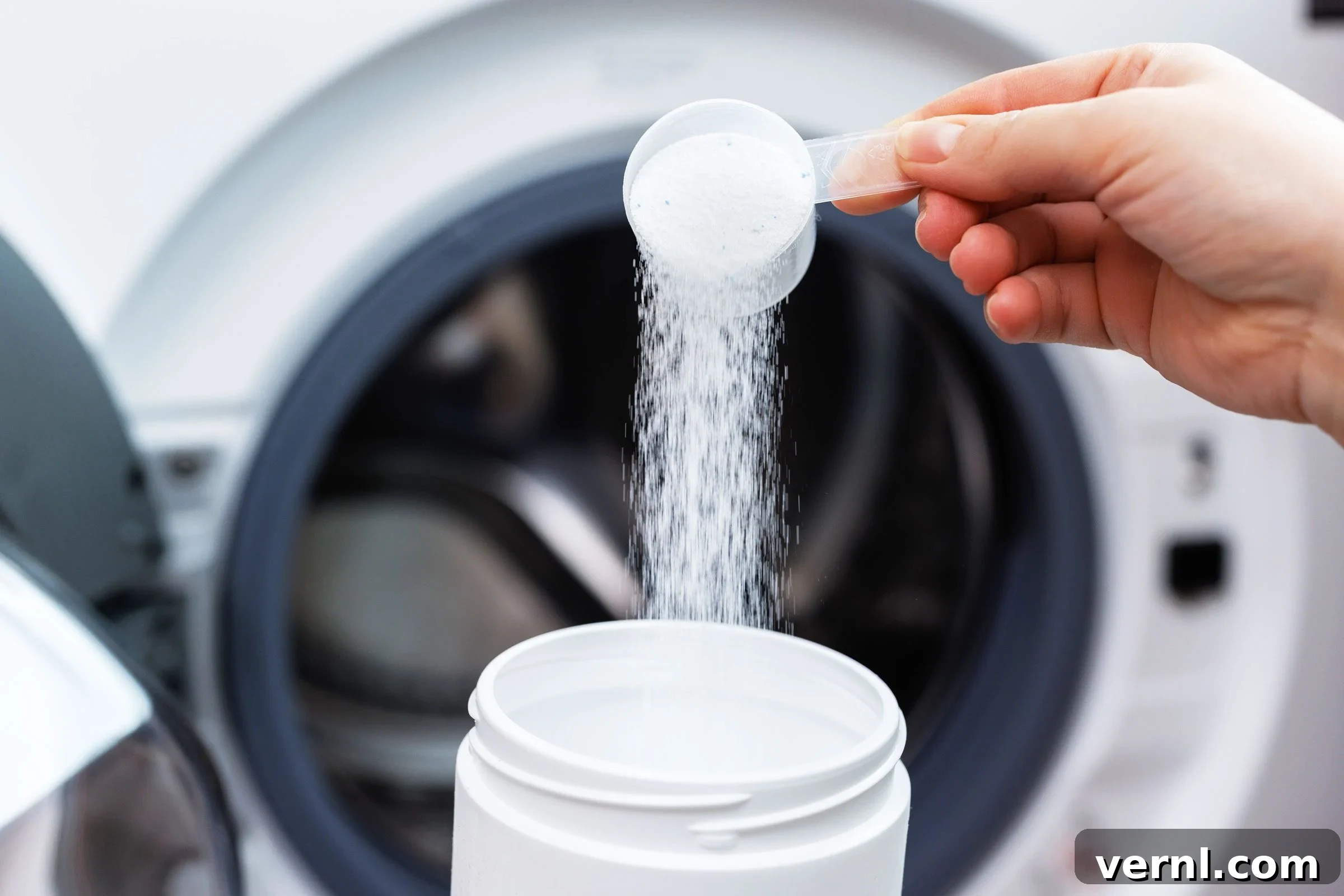
To enhance the brightness of whites and maintain overall fabric vibrancy, Richardson recommends adding one tablespoon of oxygen bleach per laundry load. This can be directly added to the washing machine drum with your clothes or placed in the detergent dispenser, depending on your washer model. This method is particularly effective for revitalizing dingy sheets, towels, and even those notoriously difficult-to-clean “oily spot where your dog sleeps,” as Richardson charmingly puts it. “It just kind of brightens all of that up,” he assures. A significant advantage of oxygen bleach is its “color-safe” nature. The Laundry Guy himself even uses it on his black sheets, confident that it will brighten without fading. This makes it an incredibly versatile product for almost all your laundry needs, from whites to darks, ensuring everything looks its best without risk.
Guidelines for Using Chlorine Bleach Effectively
For those instances where the powerful sanitizing and whitening capabilities of liquid household bleach are necessary, proper usage is critical. According to the experts at Clorox, for a standard load with normal soil, approximately one-third cup of liquid chlorine bleach is sufficient. For heavily soiled loads or items requiring maximum sanitization, this amount can be increased to two-thirds cup. The method of addition varies depending on your washing machine type:
- For Standard Washing Machines: Begin by allowing the washer to fill approximately halfway with water. At this point, add your measured amount of bleach, followed by your regular laundry detergent. Once these are dispersed, you can then add your laundry items to the machine. Alternatively, you can dilute the measured bleach in a quart of water before adding it to the wash five minutes into the cycle, allowing sufficient time for the detergent to begin its work.
- For High-Efficiency (HE) Washing Machines: These machines are designed with specific dispenser compartments. Simply add the chlorine bleach to the designated bleach compartment, filling it up to the marked line. HE machines will automatically dilute and dispense the bleach at the appropriate time in the wash cycle.
Beyond whitening, chlorine bleach is a potent disinfectant. To sanitize laundry, use one-half cup for a standard washing machine and one-quarter cup for high-efficiency machines. While hot water is traditionally favored for sanitization due to its enhanced germ-killing properties, it is always crucial to consult and follow the care instructions on your clothing labels. Certain fabrics or dyes may not tolerate high temperatures, even with diluted bleach. Always prioritize garment care to prevent damage while achieving optimal cleanliness and hygiene.
Essential Bleach Tips and Tricks for Brilliant Laundry
Incorporating bleach into your laundry routine can significantly elevate the cleanliness and appearance of your garments. To maximize its benefits, whether you’re aiming to restore dazzling whites, enhance color vibrancy, or effectively eliminate tough stains, adhering to best practices is paramount. Follow these expert-recommended bleach tips and tricks for consistently outstanding results:
- Always Dilute Liquid Chlorine Bleach: This is a critical safety and garment care step. Never pour concentrated liquid chlorine bleach directly onto clothing. Its potent chemical composition can cause irreparable damage, permanent discoloration, or weakening of fabric fibers. If your washing machine has a specially designated bleach dispenser, utilize it, as it’s designed to dilute the bleach before it comes into contact with your laundry. If not, always pre-dilute the measured bleach in a quart of water before adding it to the wash cycle, typically after the machine has partially filled.
- Prioritize Clothing Labels: Before reaching for any type of bleach, make it a habit to meticulously check the care labels on your garments. These labels provide crucial information about fabric composition, recommended washing temperatures, and specific warnings regarding bleach use. Some materials, such as wool, silk, spandex, and certain synthetic blends, are particularly sensitive and can be severely damaged by chlorine bleach. Even oxygen bleach, while gentler, might not be suitable for all delicate fabrics.
- Test for Colorfastness: This step is non-negotiable before using chlorine bleach on any non-white or colored clothing, or even on white items with colored patterns. To perform a colorfastness test, mix two teaspoons of chlorine bleach with one-quarter cup of water. Turn the item of clothing inside out and apply a tiny drop of this diluted solution to a hidden, inconspicuous area (like an inner seam or the hem). Wait approximately five to ten minutes, then blot the area dry and check for any color change, fading, or damage. If the color remains unaffected, your garment is considered color-safe for cautious chlorine bleach application. For oxygen bleach, while generally color-safe, a similar test on a hidden area is still a good practice, especially for brightly colored or new garments, to ensure complete peace of mind.
- Store Bleach Safely: Both chlorine and oxygen bleaches are powerful chemicals. Store them in their original containers, in a cool, dry place, away from direct sunlight and out of reach of children and pets. Ensure caps are tightly sealed to prevent accidental spills or exposure to air, which can diminish their effectiveness over time.
- Ensure Adequate Ventilation: When using chlorine bleach, especially in concentrated forms or in smaller, enclosed spaces, good ventilation is essential. The fumes can be irritating to the respiratory system. Open windows or use exhaust fans to ensure fresh air circulation.
Important Bleach Don’ts: Avoiding Common Laundry Mistakes
While bleach is an invaluable tool for laundry, its power demands respect and careful handling. Misusing bleach can lead to damaged clothes, ineffective cleaning, or even dangerous situations. To ensure safety and optimal results, here are crucial bleach “don’ts” to always keep in mind:
- Don’t Pour Concentrated Liquid Chlorine Bleach Directly onto Dry Clothes: This cannot be overstated. Pouring a “glug” of undiluted liquid chlorine bleach directly onto a pile of dry clothes is a recipe for disaster. The concentrated chemical will inevitably cause irreversible damage, creating permanent white spots, holes, or weakened fibers on colored garments, and often causing yellowing or weakening on whites. Always dilute liquid chlorine bleach as per instructions or use the designated dispenser in your washing machine.
- Don’t Overfill the Washing Machine: For bleach to work effectively, whether it’s chlorine or oxygen bleach, it needs ample space to circulate freely throughout the wash water and come into even contact with all items. An overloaded washing machine prevents proper water circulation and chemical distribution, leading to uneven bleaching, ineffective stain removal, and potentially leaving residue on your clothes. Always ensure there’s enough room for your laundry to tumble freely.
- Never Mix Liquid Chlorine Bleach with Ammonia or Other Cleaners: This is perhaps the most critical safety warning when it comes to household chemicals. Never mix liquid chlorine bleach with ammonia-based cleaners (which are common in glass cleaners, certain all-purpose cleaners, and even some detergents) or any other household cleaning product unless explicitly stated on the product label. Doing so can release highly toxic chloramine gases, which can cause severe respiratory problems, lung damage, or even be fatal. Always use bleach in isolation or strictly follow product-specific mixing instructions.
- Don’t Use Too Much of Either Kind of Bleach: While it might seem intuitive that more bleach equals cleaner clothes, this is often not the case and can actually be detrimental. Less is often more when it comes to laundry products, and bleach is no exception. Excessive chlorine bleach can degrade fabric fibers, leading to premature wear and tear, and as mentioned, can cause whites to yellow. Too much oxygen bleach, while gentler, can still leave residues if not thoroughly rinsed, or in extreme cases, might contribute to fabric weakening over time. Always follow the manufacturer’s recommended dosages based on your load size and soil level.
- Don’t Use Bleach on Delicate Fabrics: Avoid using chlorine bleach on sensitive materials like wool, silk, leather, and certain synthetics like spandex or lycra. Even oxygen bleach should be used with caution and tested on an inconspicuous area for these delicate items. These materials can be damaged, weakened, or discolored by the harsh chemicals.
- Don’t Use Bleach to Cover Up Persistent Odors: If your laundry has a persistent musty smell or your washing machine itself smells (find out why your washing machine might smell here), bleach is not a substitute for proper cleaning or maintenance. While it can sanitize, a deeper issue might be at play, such as mold or mildew buildup in your machine, which requires a dedicated cleaning approach rather than just masking with bleach.
By understanding the different types of bleach and adhering to these expert tips and warnings, you can harness the full power of these laundry essentials safely and effectively. This knowledge empowers you to achieve brighter whites, more vibrant colors, and thoroughly sanitized garments, transforming your laundry routine from a chore into a satisfying act of care.