Unlock Peak Performance: The Essential Role of Fuel Stabilizers for Long-Term Storage
Gasoline and diesel fuel are not designed for indefinite storage; they are perishable commodities that begin to degrade the moment they are exposed to air and varying temperatures. This degradation process can lead to significant problems for any engine, from small power equipment to seldom-used vehicles. Before storing valuable machines such as lawn mowers, snowblowers, rototillers, chainsaws, generators, motorcycles, or even vehicles, for a month or more, the proactive step of adding a small amount of fuel stabilizer to the tanks is not just a good idea—it’s an essential one. This simple preventative measure will significantly help keep the fuel from becoming stale, oxidizing, and forming harmful gummy deposits that can clog tiny ports in the intricate fuel system. Moreover, most modern fuel stabilizers offer additional benefits, such as combating water accumulation and conditioning the fuel, allowing the old fuel to burn acceptably until the next refill. This guide delves into the critical role of fuel stabilizers, empowering you to protect your investments and ensure reliable operation season after season.
“While incredibly effective, it’s important to understand that a fuel stabilizer is not a miracle additive,” advises Chris “Moose” Pyle, an automotive expert with JustAnswer. He emphasizes, “Its primary function is to help slow down the natural aging process of fuel, extending its usability for several more months, often up to two years under ideal conditions. Although fuel that is a few months or even a year old might still burn, fresh, stabilized fuel will consistently burn cleaner, ignite more easily, and dramatically reduce the formation of detrimental varnish and carbon deposits within your engine’s delicate components.”
Failing to incorporate a fuel stabilizer into your equipment’s maintenance routine can lead to a cascade of issues, ranging from noticeable poor performance and reduced efficiency to, in the worst-case scenario, an engine that completely fails to start after several months in storage. Such failures often necessitate expensive and time-consuming repairs, particularly involving carburetor cleaning or replacement, or even fuel injector servicing. Understanding how and when to use fuel stabilizers is paramount to avoiding these headaches and preserving the longevity and reliability of your valuable machinery. Here’s everything you need to know about effectively utilizing fuel stabilizers.
What is a Fuel Stabilizer and How Does It Protect Your Engine?
At its core, a fuel stabilizer is a sophisticated chemical additive meticulously designed to preserve the quality and integrity of gasoline, diesel, or other petroleum-based fuels when they are stored for extended periods. Its formulation targets the primary culprits of fuel degradation: oxidation, evaporation of volatile components, and the detrimental effects of moisture, especially in ethanol-blended fuels. By counteracting these processes, fuel stabilizers can keep fuel fresh and effective for an impressive duration, typically extending its shelf life for at least two years of storage time, often exceeding manufacturer’s original fuel life estimates.
Without stabilization, stored fuel undergoes several undesirable chemical reactions. Oxidation, where oxygen reacts with hydrocarbons in the fuel, leads to the formation of gums, varnishes, and solid deposits. Simultaneously, the more volatile, lighter hydrocarbons within the fuel evaporate over time, leaving behind a heavier, less combustible residue. These combined effects result in liquid fuels that are less likely to ignite properly in an engine after more than three months of storage. This can manifest as hard starting, rough idling, reduced power, and decreased fuel efficiency. Furthermore, old, unstabilized fuel can leave tenacious gummy deposits behind in sensitive areas of the motor, such as carburetors, fuel injectors, fuel lines, and even fuel pumps. These deposits restrict fuel flow, impede atomization, and can lead to costly component failures. The bottom line is trouble and expense unless you proactively allow a quality fuel stabilizer to prevent these issues. This preventative measure isn’t just a recommendation; it’s a proven solution that truly works to safeguard your engine’s health.
Modern fuel stabilizers often contain a blend of chemicals, each serving a specific purpose:
- Antioxidants: These chemicals prevent oxygen from reacting with fuel, halting the formation of gummy deposits and varnish.
- Corrosion Inhibitors: They create a protective film on metal surfaces within the fuel system, guarding against rust and corrosion, which are particularly problematic with ethanol-blended fuels that can absorb moisture.
- Dispersants/Detergents: These agents help break down and suspend any existing deposits, preventing them from coalescing into larger, clog-forming particles, and keeping the fuel system clean.
- Metal Deactivators: Some stabilizers include compounds that neutralize the catalytic effects of certain metals (like copper) that can accelerate fuel degradation.
- Water Removers/Phase Separation Inhibitors: Crucially, for ethanol-blended fuels (like E10), these additives help prevent “phase separation,” where water absorbed by ethanol separates from the gasoline, forming a corrosive, water-rich layer at the bottom of the fuel tank. This layer can directly enter the fuel system, causing severe damage.
When is the Optimal Time to Add a Fuel Stabilizer?
The effectiveness of a fuel stabilizer is maximized when it’s introduced at the right time. According to Xavier Sabastian, an automotive expert with Way.com, “The optimal time to add a fuel stabilizer is concurrently with fueling up, especially if the vehicle or equipment is anticipated to be stored for 30 days or more. Adding the stabilizer to fresh fuel ensures maximum effectiveness in preserving fuel quality during storage, as it works best to prevent degradation before it even begins.” This advice is critical because once fuel begins to degrade significantly, a stabilizer can only slow further deterioration, not fully reverse the damage already done.
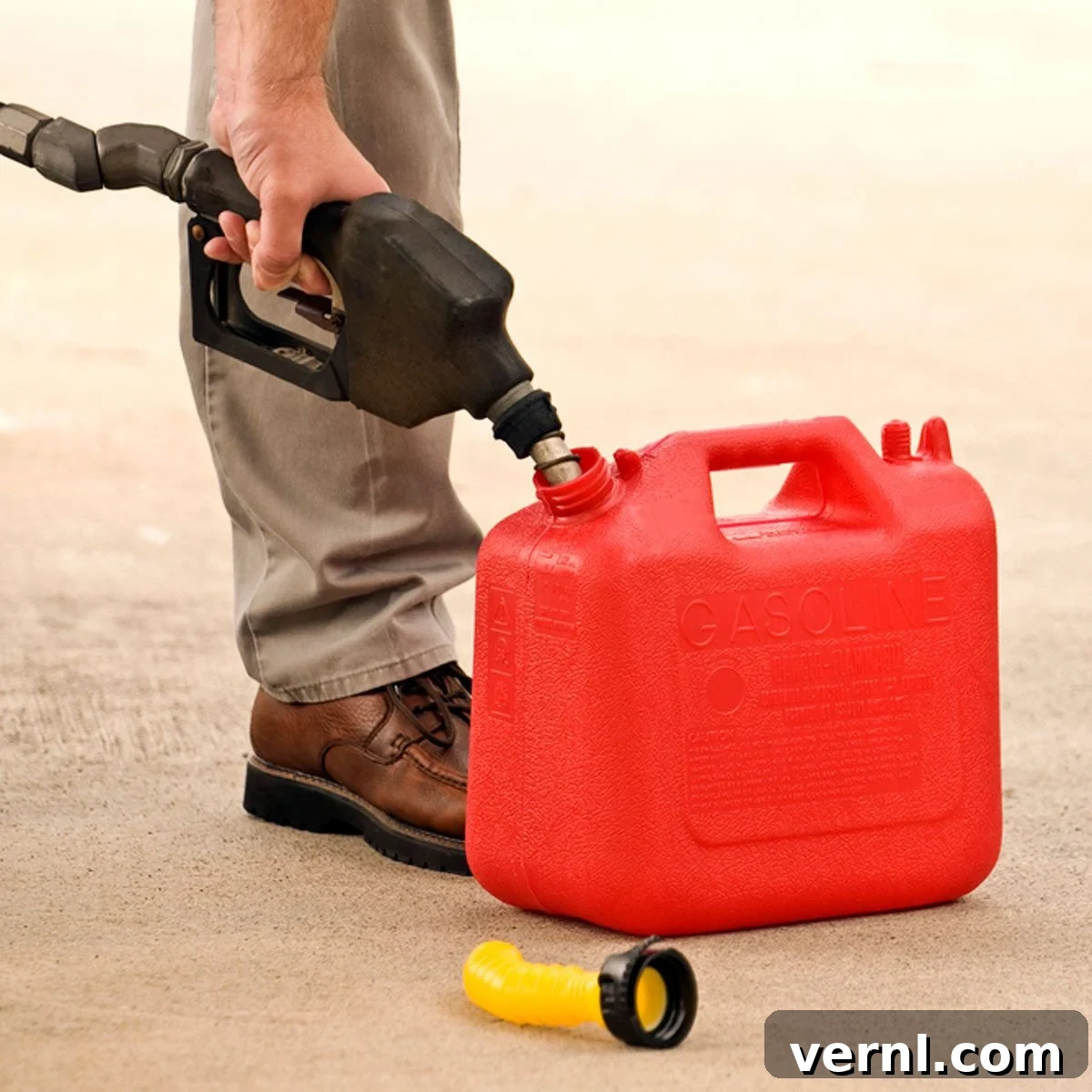
This principle applies universally, whether you’re preparing a seasonal piece of equipment for winter or summer storage, or simply filling up a spare gas can. If you’re storing fuel in an approved gas can for future use, the procedure is straightforward: first, pour the required amount of stabilizer into the empty or nearly empty can, then add the fresh fuel, and finally, seal the cap tightly. Agitate the can gently to ensure thorough mixing. For engines, the process involves a few more steps to ensure the entire fuel system is protected. If you’re adding stabilizer directly to the fuel tank that supplies an engine, pour the specified amount of stabilizer into the tank when it is less than full. Afterward, top off the fuel level with fresh gasoline or diesel. The final, crucial step is to start the engine and allow it to run for at least 10 minutes. This operational period is essential; it ensures the newly stabilized fuel circulates thoroughly throughout the entire fuel system, including the fuel lines, fuel pump, carburetor (if applicable), and fuel injection system. This complete circulation prevents gummy deposits and corrosion from forming in any part of the system, greatly increasing the odds of a quick-and-easy, trouble-free startup when you retrieve the equipment from storage months later. Neglecting this crucial circulation step means the stabilizer will only protect the fuel in the tank, leaving the fuel in the lines and carburetor vulnerable to degradation.
Choosing the Right Fuel Stabilizer for Your Needs
With a variety of products on the market, selecting the appropriate fuel stabilizer is key to ensuring maximum protection for your engines. Fuel stabilizers are broadly suitable for all kinds of gasoline and diesel engines, encompassing everything from two-stroke motors found in chainsaws, snowmobiles, dirt bikes, and certain water pumps, to four-stroke engines in lawnmowers, generators, cars, and trucks. However, it’s important to note that some brands of fuel stabilizer are specifically formulated to be used only with gasoline or only with diesel fuel, while other brands offer dual-purpose formulations. Always make it a practice to meticulously read the product labels and understand their intended applications and compatibility.
When it comes to brand recommendations, Chris “Moose” Pyle frequently suggests the STA-BIL brand. He explains, “It is by far the most popular and widely recognized brand, incredibly effective, and has an established track record of reliability spanning decades. For most general-purpose applications, there’s truly no need to search for anything better or experiment with other brands; STA-BIL delivers consistent results.”
Beyond specific brands, Xavier Sabastian advises consumers to always choose a fuel stabilizer from a reputable manufacturer, backed by positive user reviews and industry trust. “When evaluating products,” he suggests, “look for stabilizers that explicitly advertise protection against gum and varnish buildup, corrosion, and critically, phase separation in ethanol-blended fuels. Many modern fuels contain up to 10% ethanol (E10), which is hygroscopic, meaning it attracts and absorbs moisture. This can lead to phase separation, where water and ethanol separate from the gasoline, causing engine damage and poor performance. A good stabilizer should actively combat this.” Additionally, consider if the product specifies protection for specific types of engines (e.g., marine engines, which often face unique challenges with saltwater exposure and longer storage periods). Some specialized stabilizers may also include extra detergents for continued cleaning of the fuel system during storage.
How Much Fuel Stabilizer to Use: Precision for Protection
The effectiveness of a fuel stabilizer is directly tied to using the correct dosage. Fortunately, determining the right amount is straightforward: the directions on every bottle of stabilizer explicitly tell you how much to add for a given amount of fuel. It’s imperative to adhere strictly to these guidelines, as using too little may render the stabilizer ineffective, while using excessive amounts, though generally not harmful, can be wasteful. You’ll often find that the specified quantities are remarkably small, making fuel stabilization a highly cost-effective preventative measure.
For instance, a mere tablespoon or two of stabilizer in a lawnmower, chainsaw, or weed trimmer gas tank is typically enough to allow that small quantity of gasoline to burn cleanly and efficiently, even after years of storage. For larger capacities, such as a full tank of fuel in a car, truck, or an emergency generator, one small bottle of stabilizer is usually sufficient to preserve its integrity. After adding the stabilizer and topping off the fuel tank, it is absolutely crucial to run the engine for a few minutes—at least 5 to 10 minutes—to ensure that the stabilized fuel circulates throughout the entire fuel system. This includes the fuel lines, fuel pump, filters, carburetor, and injectors. This circulation ensures that every component exposed to fuel is bathed in the protective mixture, preventing old fuel from causing issues in critical areas during the storage period. This step is non-negotiable for comprehensive protection.
Frequently Asked Questions About Fuel Stabilizers
Can I Use Fuel Stabilizer in All Gasoline Grades?
Yes, the vast majority of fuel stabilizers are engineered to be compatible with all grades of gasoline, including regular, mid-grade, and premium. Critically, most modern stabilizers are also specifically formulated to work effectively with gasoline that contains ethanol (such as E10). Given the widespread use of ethanol in fuel, manufacturers design their products to address the unique challenges ethanol poses, like its tendency to absorb water and cause phase separation. However, to ensure absolute compatibility and optimal performance, it is always a best practice to consult the specific product label for any exclusions or special instructions related to fuel types or blends.
Can I Use Old Gasoline Even If I Used a Stabilizer?
While a high-quality fuel stabilizer significantly extends the shelf life of gasoline, it does not make the fuel last indefinitely. Generally, properly stabilized gasoline can be stored for up to 12 months, and some premium stabilizers claim effective protection for up to 24 months. However, for optimal engine performance and peace of mind, it’s a good practice to use stabilized fuel within 6-8 months, especially for high-performance or sensitive equipment. Factors such as storage temperature fluctuations, exposure to air, and the initial quality of the fuel can all influence its ultimate lifespan. If fuel has been stored for an exceptionally long time, or if you notice changes in its color (darker), odor (sour or varnish-like), or if there’s visible sediment, it might be best to dispose of it properly rather than risking engine damage.
Does Fuel Stabilizer Improve Gas Mileage?
Fuel stabilizers are primarily designed to maintain the quality of stored fuel, preventing degradation and system contamination; they are not formulated to directly improve gas mileage or engine performance in an active, running engine. However, by effectively preserving fuel quality and preventing the formation of harmful deposits like gum and varnish within the fuel system, they play a crucial indirect role in maintaining fuel efficiency. A clean fuel system with properly flowing fuel lines and injectors, free from blockages and corrosion, ensures that the engine can operate as designed, maintaining its optimal fuel efficiency over time. In this preventative capacity, a stabilizer helps avoid engine problems that would otherwise reduce fuel efficiency, such as partially clogged carburetors or fuel injectors that disrupt proper fuel-air mixture.
Is Fuel Stabilizer Necessary for Short-Term Storage (Less Than a Month)?
For storage periods of less than a month, a fuel stabilizer is generally not strictly necessary, particularly if the fuel is fresh and the equipment is stored in a stable environment. Modern fuels typically remain stable enough for a few weeks without significant degradation. However, using a fuel stabilizer even for shorter periods provides an extra layer of protection, especially if you anticipate fluctuating temperatures, high humidity, or if you’re uncertain about the exact duration of storage. It’s always better to be safe than sorry, and the cost of a stabilizer is minimal compared to potential repair costs from even minor fuel degradation.
Can I Mix Different Brands of Fuel Stabilizer?
While most fuel stabilizers are formulated to be compatible with standard gasoline or diesel, mixing different brands is generally not recommended unless explicitly stated on the product labels. Different manufacturers use proprietary chemical blends, and combining them could potentially lead to unforeseen reactions or diminish the effectiveness of either product. For best results and to ensure consistent protection, it is advisable to stick with a single, reputable brand of fuel stabilizer that meets your specific needs. If you must switch brands, try to run the fuel tank as low as possible before introducing the new stabilizer.
What are the Signs of Stale Fuel?
Recognizing the signs of stale fuel can help you diagnose problems and prevent further engine damage. Common indicators of degraded fuel include:
- Odor: Stale fuel often emits a distinct sour, varnish-like, or chemical smell, quite different from the fresh smell of gasoline.
- Color Change: Fresh gasoline is typically clear or light yellow. As it degrades, it can turn darker, appearing orange, brown, or even black.
- Engine Performance Issues: Hard starting, rough idling, misfires, reduced power, or engine stalling are classic symptoms of an engine struggling with stale or contaminated fuel.
- Visible Sediment: In a clear container, you might notice particulate matter or separation (especially with ethanol fuels) at the bottom.
If you observe any of these signs, it’s typically best to safely drain and dispose of the old fuel and refill with fresh, stabilized fuel.
About the Experts
- Chris “Moose” Pyle is a master-certified technician with 20-plus years of comprehensive automotive experience. His deep expertise extends across various vehicle systems and repair methodologies. Since 2006, he has been a trusted expert for JustAnswer, the leading expert on-demand platform, where he provides professional insights and solutions to countless users seeking automotive advice.
- Xavier Sabastian is an accomplished author and a recognized auto expert associated with the innovative Way.com auto app. His contributions regularly feature in automotive publications, offering valuable perspectives on vehicle maintenance, technology, and consumer guidance within the automotive industry.