

Understanding and Reviving Your Lilac: A Comprehensive Guide to Abundant Blooms
There’s a special kind of anticipation that comes with the end of winter, a longing for the vibrant hues and intoxicating fragrance of spring flowers. Among the most cherished harbingers of the season is the lilac, its delicate blossoms promising warmth and beauty. So, when your beloved lilac bush fails to deliver on this promise, offering only sparse blooms or none at all, it can be profoundly disappointing. This common frustration is one I’ve encountered firsthand, particularly when my sister called last spring, puzzled by her historically floriferous lilac’s sudden lack of blossoms. Together, we embarked on a journey to uncover the mystery, and through that experience, I’ve compiled a comprehensive guide to help you understand why your lilac might not be blooming and, more importantly, what actionable steps you can take to encourage a spectacular display year after year.
Why Isn’t My Lilac Bush Blooming? Unraveling the Mystery
A non-blooming lilac can be a source of great puzzlement for any gardener. While these hardy shrubs are generally low-maintenance, their failure to produce flowers often points to specific environmental or care-related issues. Understanding these underlying causes is the first step toward restoring your lilac’s natural beauty. Here, we delve into the most common reasons why your lilac bush might be underperforming in the bloom department, offering insights into how each factor impacts flower production.
Pruned at the Wrong Time: A Costly Timing Mistake
One of the most frequent culprits behind a lack of lilac blooms is mistimed pruning. Lilacs, particularly the traditional varieties (Syringa vulgaris), are unique in their flowering habit: they produce their flower buds on “old wood,” meaning the branches that grew the previous year. These delicate buds begin to form shortly after the current year’s blooms fade, typically in late spring or early summer. If you wait to prune your lilac until late summer, fall, or even early spring, you are inadvertently cutting away the very buds that would have developed into next year’s cherished flowers. This applies even to some newer, reblooming varieties, which, while capable of a second flush, can still have their primary bloom cycle compromised by untimely cuts. It’s a classic gardening error that, while easily made, is thankfully also easily corrected once you understand the lilac’s natural cycle.
Insufficient Sunlight: The Energy Source for Flowers
Like most flowering plants, lilacs are sun-worshippers, requiring a substantial amount of direct sunlight to fuel their bloom production. A minimum of six hours of direct sunlight per day is crucial for robust flowering. If your lilac is situated in too much shade, it may produce lush green foliage but very few, if any, flowers. The plant simply doesn’t receive enough solar energy to invest in the energy-intensive process of creating blossoms. This issue can sometimes develop over time; perhaps your lilac was initially planted in a sunny spot, but as surrounding trees grew larger and denser, they began to cast too much shade. Alternatively, the initial planting location might have been suboptimal from the start. Assessing the amount of direct sunlight your lilac receives throughout the day is a critical diagnostic step.
The Age Factor: Old vs. New Lilacs
The age of your lilac bush can play a significant role in its blooming habits. Both very old and very young lilacs can exhibit reduced flowering.
-
It’s an Old Lilac: The Need for Rejuvenation
As lilacs mature and age, their vigor can naturally decline. Older bushes, especially those that have never undergone proper pruning, may become overgrown, woody, and less floriferous. Energy that once went into producing abundant blooms might now be diverted to simply maintaining an extensive, older structure. The older branches may produce fewer new flower buds, leading to a noticeable reduction in the overall bloom count. This isn’t a sign that your lilac is dying, but rather that it may be in need of a strategic intervention to encourage fresh, bloom-producing growth.
-
It’s a New Lilac: The Settling-In Period
On the other hand, newly planted lilacs often require a few years to establish themselves before they begin to bloom profusely. The stress of transplanting, coupled with the energy demands of developing a strong root system, means that a young lilac’s primary focus is on survival and foundational growth rather than immediate flower production. Expecting a spectacular display in its first year or two might be unrealistic. Patience is key here, as most lilacs will reward you with glorious blooms once they have fully settled into their new home and have ample energy reserves.
Too Much Water: The Detrimental Effects of Poor Drainage
While all plants need water, lilacs are particularly sensitive to excessively wet conditions and poor soil drainage. They thrive in well-drained soil and do not tolerate “wet feet” – where their roots sit in soggy, waterlogged soil for extended periods. Such conditions can lead to root rot, depriving the roots of essential oxygen and compromising the plant’s overall health and ability to absorb nutrients. A struggling root system cannot support robust flower production, leading to sparse or absent blooms. If your soil is heavy clay or compacted, it might be retaining too much moisture, creating an unfavorable environment for your lilac.
Excessive Nitrogen Fertilizer: Prioritizing Foliage Over Flowers
The type of fertilizer you use, or even unintended fertilization from nearby plants, can significantly impact lilac blooming. Lilacs do not require heavy feeding, and an excess of nitrogen, in particular, can be detrimental to flower production. Nitrogen is essential for vegetative growth – promoting lush, green leaves and strong stems. However, when a plant receives too much nitrogen, it prioritizes this leafy growth at the expense of flowering. Instead of beautiful blooms, you’ll end up with a very green, bushy plant with few, if any, flowers. This is a common issue if your lilac is planted near a heavily fertilized lawn, as the runoff can provide an unintended dose of high-nitrogen feed to your shrub.
A Late Freeze Zapped the Flower Buds: Nature’s Unpredictability
Sometimes, the lack of blooms is entirely out of your control, a cruel twist of nature. Lilac flower buds, while quite hardy, can be vulnerable to unusually late spring frosts. If a cold snap occurs just as the buds are beginning to swell or even show color, the freezing temperatures can damage or kill them. This often results in buds that shrivel and turn brown instead of opening into fragrant flowers. While the plant itself usually recovers, the season’s bloom display is lost. This phenomenon is more common in regions with unpredictable spring weather patterns, where warm spells can trick plants into developing buds prematurely, only for them to be hit by a sudden return to winter conditions.
How to Get Your Lilacs to Bloom: Proven Strategies for Success
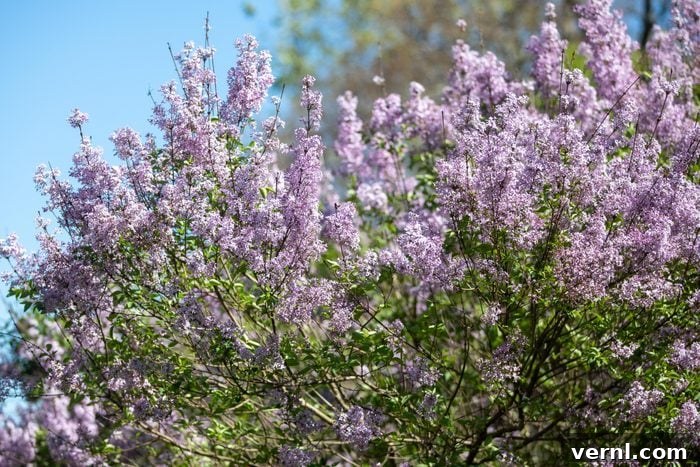
Fortunately, many of the issues preventing your lilac from blooming are entirely fixable. By implementing a few key horticultural practices and understanding your plant’s needs, you can transform a non-blooming bush into a showstopper. Patience, observation, and timely intervention are your greatest allies in this endeavor.
Choose the Optimal Location: Sun and Soil are Key
The foundation for a healthy, blooming lilac begins with its planting site. When selecting a location for a new lilac bush or considering transplanting an existing one (if it’s young enough), prioritize these factors:
- Sunlight: Ensure the spot receives at least six to eight hours of direct sunlight daily. Observe the area throughout the day to confirm sun exposure, especially during the spring and early summer when blooms develop.
- Drainage: Lilacs abhor “wet feet.” Choose a site with well-draining soil. If your soil is heavy clay, amend it generously with organic matter like compost before planting. This improves soil structure, aeration, and drainage. You can test drainage by digging a hole 12 inches deep, filling it with water, and observing how long it takes to drain. If it takes more than a few hours, drainage is poor.
- Air Circulation: Good air circulation helps prevent fungal diseases. Avoid planting lilacs in cramped spaces where air flow is restricted.
- Soil pH: Lilacs generally prefer neutral to slightly alkaline soil (pH 6.5-7.0). A soil test can confirm your pH levels and indicate if amendments are needed.
Prune at the Right Time: Nurturing Next Year’s Flowers
Correct pruning timing is paramount for encouraging continuous lilac blooms. Since lilacs bloom on old wood, the golden rule is to prune your lilac immediately after the current year’s flowers have faded, typically within a few weeks of the last bloom. This timeframe allows the plant sufficient time to develop new flower buds for the following spring. Delaying pruning until late summer, fall, or winter risks removing those newly formed buds. For general maintenance, you can lightly deadhead spent blooms to improve appearance and potentially encourage more energy into future bud production. Always use sharp, clean bypass pruners or loppers to make clean cuts, which heal quickly and minimize stress on the plant. Avoid leaving ragged edges that can invite pests and diseases.
Prune to Rejuvenate: Reviving Old, Non-Blooming Lilacs
If your lilac is old, overgrown, and producing very few blooms, it’s an excellent candidate for rejuvenation pruning. This technique encourages vigorous new growth from the base of the plant, revitalizing its blooming potential over several years. This process is best done gradually to avoid shocking the plant and to ensure some blooms each year:
- Year One (After Blooming): After the lilac bush has finished blooming (or during the period it *would* have bloomed if it were healthy), identify and cut out approximately one-third of the oldest, thickest, and least productive branches. Cut these branches flush with the ground. These older branches often have rough, scaly, or peeling bark and exhibit less vigor. New shoots will begin to emerge from the base of the plant.
- Year Two (After Blooming): The following year, again after blooming, remove another one-third of the remaining oldest branches, following the same method. You’ll notice the new growth from year one is now more established.
- Year Three (After Blooming): In the third year, cut back the final one-third of the original oldest branches. By the end of this three-year cycle, you will have effectively replaced the entire old framework of the bush with vibrant, new, bloom-producing growth. Your “new” lilac should begin to bloom regularly and profusely again within a year or two after the completion of the cycle.
This method, while requiring patience, is incredibly effective at breathing new life into neglected, aging lilacs.
Rethink Your Fertilization Strategy: Less is Often More
When it comes to lilacs, over-fertilization, especially with high-nitrogen formulations, is a common pitfall. If you suspect your lilac is getting too much nitrogen, the simplest solution is to stop fertilizing it altogether. If your lilac is near a lawn that receives regular, heavy fertilization, consider creating a buffer zone around the lilac where lawn fertilizer is not applied. Alternatively, use a broadcast spreader with a shield to direct fertilizer away from the shrub. If you feel your lilac needs a nutrient boost, opt for a balanced fertilizer with a higher phosphorus content (the middle number in the N-P-K ratio), which promotes flowering. However, many established lilacs thrive perfectly well without any supplemental feeding, especially if they are in healthy, organically rich soil.
Be Patient: Time Heals All Blooms
Gardening often teaches patience, and lilacs are no exception. For newly planted lilacs, it’s crucial to give them a few years to establish a strong root system before expecting a full complement of blooms. Their energy is initially directed towards root development and foliage growth. Similarly, if your garden experiences a late freeze that unfortunately kills off the flower buds for a season, understand that this is a natural setback. Continue with your normal pruning schedule (after the time the flowers would have bloomed) and maintain good general care, and your lilac will likely rebound with beautiful blooms the following year. Nature has its own rhythm, and sometimes, all we can do is wait and provide the best possible conditions for recovery.
Ongoing Care for Healthy Lilacs
Beyond addressing specific blooming issues, consistent good care will ensure your lilacs remain healthy and productive:
- Watering: Once established, lilacs are quite drought-tolerant. However, during prolonged dry spells, especially in their first few years, provide deep watering to ensure their roots receive adequate moisture. Avoid frequent, shallow watering.
- Mulching: Apply a two to three-inch layer of organic mulch (like wood chips or shredded bark) around the base of your lilac, keeping it a few inches away from the main stems. Mulch helps retain soil moisture, suppress weeds, and regulate soil temperature, benefiting root health.
- Pest and Disease Monitoring: While generally robust, keep an eye out for common lilac pests like borers or scale, and diseases such as powdery mildew. Addressing these issues promptly can prevent stress that might impact flowering.
My sister’s lilac, once a cause for concern, is now a testament to the power of understanding and tailored care. After our initial assessment, we pinpointed two key issues: it was an old lilac in too much shade, particularly from a neighboring tree that had, conveniently, recently died and been removed. With the shade issue resolved, we embarked on a multi-year rejuvenation pruning plan. Slowly but surely, the old woody stems gave way to vigorous new growth, and within a couple of years, her lilac was once again awash with fragrant blossoms. Your lilac, too, can reclaim its rightful place as a stunning spring spectacle with the right approach and a little bit of horticultural know-how.