
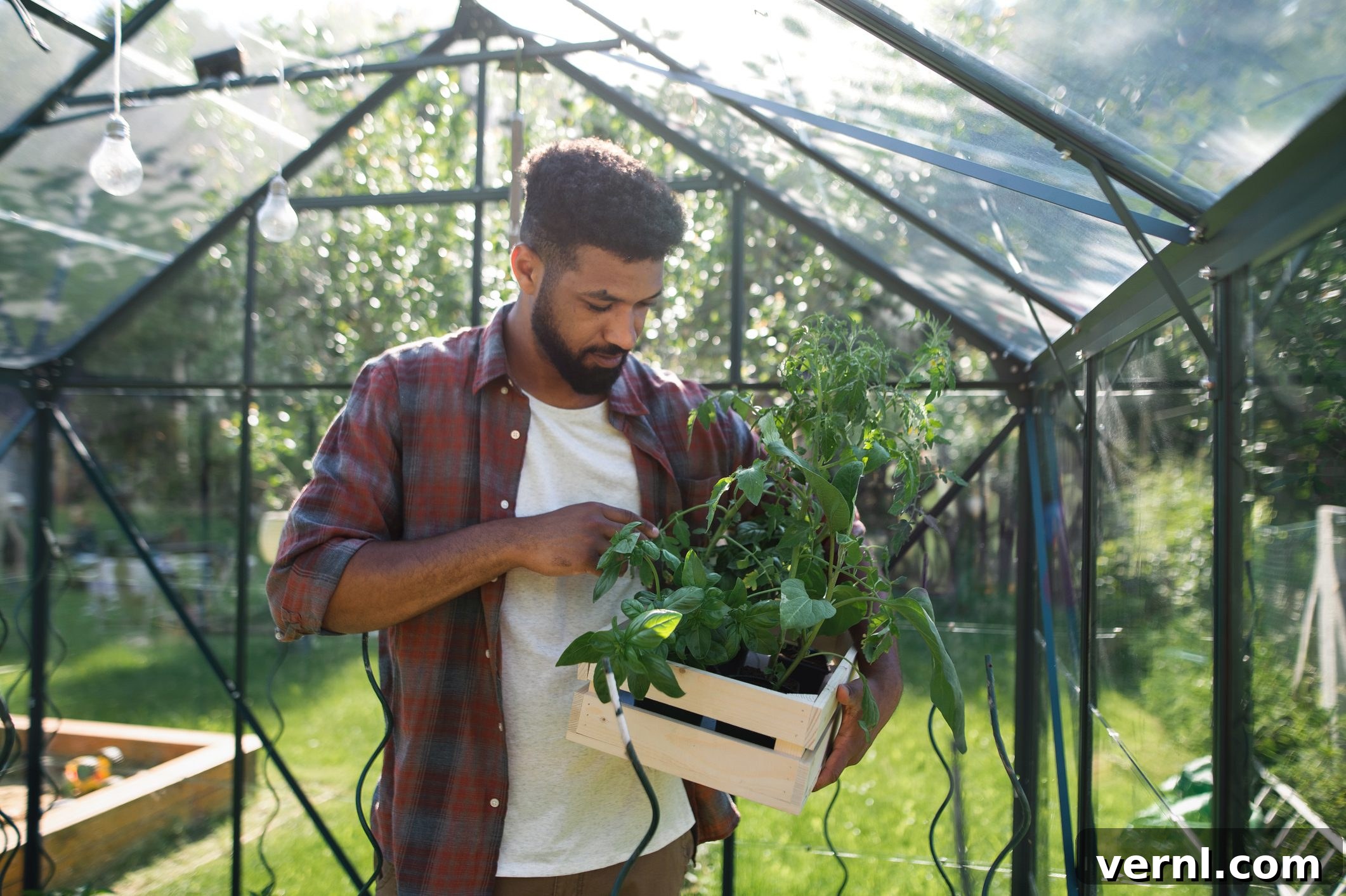
When I built my greenhouse a decade ago, I envisioned a simple, idyllic haven where keeping the temperature consistently perfect would be effortless. What I quickly discovered, however, was that maintaining an ideal internal climate is a nuanced art, requiring vigilance and the right tools.
A particularly harsh winter taught me a valuable, albeit costly, lesson. While we were out of town, my son opened the greenhouse to water the plants, and tragically, the door failed to latch securely. A sudden storm swept through, blowing the door wide open, exposing my precious collection to freezing temperatures. Half of my plants perished, a devastating blow that underscored the critical importance of maintaining optimal greenhouse conditions. This incident wasn’t just a loss; it was a profound learning experience, prompting me to invest immediately in an automatic door closer and deepen my understanding of climate control. It’s a testament to how crucial every detail is in protecting your horticultural investment.
Beyond securing your entry points, there are numerous other effective strategies and smart solutions for keeping your greenhouse at the perfect temperature, ensuring your plants don’t just survive, but truly flourish. Mastering these techniques is key to a successful growing season, no matter the external weather. Don’t overlook the essentials needed to cultivate a thriving environment for all your beloved plants.
What Is the Optimal Temperature for a Greenhouse?
Defining the “optimal” temperature for a greenhouse isn’t a one-size-fits-all answer; it’s highly dependent on the specific types of plants you’re cultivating. Different botanical species have distinct thermal preferences, which directly influence their growth, health, and productivity.
- Cool-Season Crops: For plants like lettuce, spinach, kale, and other leafy greens, as well as root vegetables such as carrots and radishes, a cooler environment around 50 to 60 degrees Fahrenheit (10-15°C) is typically sufficient. These crops prefer consistent, mild temperatures to prevent bolting (premature flowering) and promote tender, leafy growth.
- Warm-Season Crops: If your ambition is to grow heat-loving plants such as tomatoes, cucumbers, peppers, eggplants, or melons, you’ll need to aim for a warmer range of 65 to 75 degrees Fahrenheit (18-24°C). These temperatures are crucial for proper pollination, fruit set, and rapid development, ensuring a bountiful harvest.
- Tropical and Subtropical Plants: For more exotic plants like citrus trees, orchids, or various tropical ornamentals, the temperature requirements can be even higher. While citrus can tolerate lower temperatures for dormancy, pushing them toward robust fruit production, akin to the historic Victorian Orangeries, often requires maintaining a consistent 70 to 80 degrees Fahrenheit (21-27°C) or even warmer, mimicking their native tropical climates.
It’s also vital to consider the unique environmental factors surrounding your growing structure. As Rodd Moesel, the founder, president, and owner of American Plant Products and Services, Inc., a leading supplier of greenhouses and equipment, points out, “Backyard greenhouses have their own microclimates because of nearby trees, houses, and fences.” These elements can create shaded areas, block winds, or reflect heat, significantly influencing the internal temperature dynamics. Understanding your specific site’s microclimate is key to tailoring your temperature management strategy. Factors like the direction your greenhouse faces, the presence of large structures nearby, or even the type of ground cover can all play a role in how effectively your greenhouse retains or dissipates heat. Don’t forget to check out our collection of the best small greenhouse heaters to help achieve these target temperatures.
Furthermore, consider the daily temperature fluctuations. Most plants benefit from a slight drop in temperature at night, typically 10-15 degrees lower than daytime highs. This diurnal temperature variation is crucial for various physiological processes, including respiration and nutrient uptake. Consistent monitoring of both day and night temperatures will help you fine-tune your environment for peak plant health and yield.
Controlling Greenhouse Temperature and Humidity: Heating & Cooling Strategies
One of the most common and significant misconceptions among those new to installing a greenhouse is the belief that passive solar gain alone will suffice for heating, especially during colder months. Rodd Moesel emphasizes, “Your greenhouse won’t collect enough heat from the sun in winter. It’s a big misconception.” While sunlight is a fantastic energy source, greenhouses are prone to significant heat loss through conduction, convection, and radiation, especially after sunset or on cloudy days. Relying solely on the sun will inevitably lead to dangerously low temperatures, jeopardizing your plants.
Greenhouse Heating Systems and Fuel Choices
Effective heating is non-negotiable for year-round greenhouse cultivation in most climates. The choice of heating system and fuel source largely depends on your budget, geographical location, and access to utilities. The top fuel choices for greenhouse heating are natural gas, propane, and electricity, each with its own set of advantages and considerations.
- Natural Gas: Often the most economical option where available, natural gas can be nearly half the cost of electricity. It offers consistent heating and is generally plentiful. However, the upfront cost of installing gas lines to your greenhouse can be substantial, making it a larger initial investment.
- Propane: Ideal for rural areas where natural gas lines are unavailable, propane provides a reliable heating solution. Its portability means you can store tanks directly on your property. However, propane prices can fluctuate more than natural gas, and managing tank refills is necessary. Moesel wisely advises, “If you go with propane, always keep one full bottle as a backup.” This precaution can prevent catastrophic plant loss during unexpected cold snaps or supply issues.
- Electric: Electric heaters are generally easy to install and operate, requiring only an electrical connection. They are clean and require no fuel storage. However, electricity is typically the most expensive fuel option for heating, and reliability can be an issue during power outages, especially in severe weather.
For ultimate security and peace of mind, Moesel recommends installing two independent heaters. “If a pilot light goes out, you’ll lose your plants unless you have more than one heater,” he warns. This redundancy is a critical safeguard. In my own rural greenhouse, I’ve adopted this strategy, utilizing both a propane and an electric heating system. This proved invaluable during a recent two-week power outage caused by an ice storm; the propane heater kept my plants alive while the grid was down. We now diligently ensure our 100-pound propane bottles are always full when inclement weather is in the forecast.
The cost of heating also varies dramatically by location and desired temperature. Moesel notes, “As you move north throughout the U.S., the price for heating your greenhouse doubles due to harsh winter temperatures.” Furthermore, every additional 10 degrees warmer you aim to heat your greenhouse above the ambient temperature significantly increases fuel consumption, often doubling it. This highlights the importance of strategic planting and considering the hardiness of your chosen crops for your specific climate zone.
Beyond the heating system itself, improving the insulation of your greenhouse can dramatically reduce heat loss and fuel costs. Options like double-layer polyethylene film, multi-wall polycarbonate panels, or even simple bubble wrap insulation can create an extra barrier against the cold. Utilizing thermal mass elements, such as large water barrels painted black, can also help moderate temperatures by absorbing solar heat during the day and radiating it slowly at night.
Ventilating Your Greenhouse: Air Movement and Cooling
Ventilation is paramount in any greenhouse, regardless of your climate. It serves multiple critical functions beyond just temperature regulation, including humidity control, crucial gas exchange for photosynthesis, and overall air circulation to strengthen plants and prevent disease.
The Role of Automatic Ventilation
Relying on manual opening and closing of vents is often impractical and leads to inconsistent conditions. Automated ventilation systems are a wise investment because, as any busy gardener knows, you simply won’t always remember to open and close shutters at the precise moments needed. These systems, typically controlled by thermostats, can automatically open roof vents or side shutters when temperatures rise too high, allowing hot air to escape and drawing in cooler air.
Fans play a dual role: they not only assist in expelling hot air during active ventilation but also ensure constant air circulation within the greenhouse. This continuous movement of air helps to equalize temperature and humidity throughout the structure, preventing stagnant pockets that can lead to fungal diseases and promoting stronger, healthier plant growth. My own greenhouse utilizes a top shutter and side ventilation powered by solar energy, a sustainable and efficient solution. For cloudy days or periods of low light, a backup battery ensures continuous operation, preventing any interruptions in vital airflow.
Seasonal Ventilation Adjustments
The amount of ventilation needed changes dramatically with the seasons. In winter, you typically require only about one-quarter of the ventilation compared to summer. Excessive winter ventilation can lead to rapid heat loss and expose plants to chilling drafts. During the colder months, I often turn off my side ventilation entirely, especially on elevated benches, to protect sensitive plants from cold air currents that can “nip” them and cause damage. Instead, I rely more on controlled, minimal venting from the roof to release excess humidity while minimizing heat loss.
In contrast, summer demands robust ventilation to combat intense solar gain and prevent overheating. Without adequate airflow, greenhouse temperatures can quickly soar to lethal levels for most plants. Combining automatic roof and side vents with powerful exhaust fans ensures efficient heat removal, while internal circulation fans keep the air moving around the plants themselves.
Other Tips for Optimal Greenhouse Climate Control
Invest in a Recording Thermometer and Monitoring System
Once your greenhouse is established, one of the most indispensable tools you can acquire is a recording thermometer, especially one with smart capabilities. Many modern thermometers connect to Wi-Fi or Bluetooth, allowing you to upload real-time temperature and humidity data to an app on your phone. This connectivity means you can monitor conditions remotely and react swiftly to any sudden temperature changes, preventing potential plant damage.
Rodd Moesel strongly recommends this technology: “It’s one of the first tools I would have. That way, you can see how low the temperature got overnight.” Understanding these overnight lows is critical for assessing heating system performance and identifying areas where improvements might be needed. My own greenhouse thermometer uses Bluetooth to connect to a monitor in my kitchen, offering at-a-glance temperature checks. This setup has been a lifesaver on numerous occasions, particularly when a propane bottle unexpectedly ran out, and the electric heater struggled to maintain the desired temperature independently.
Beyond basic temperature, look for monitoring systems that track humidity, soil moisture, and even light levels. Data logging features allow you to review historical data, helping you to understand patterns, fine-tune your climate control settings, and make informed decisions for future growing seasons. Some advanced systems can even send alerts to your phone if parameters fall outside predefined ranges, offering unparalleled peace of mind.
Keeping Your Greenhouse Cooler in Summer
For gardeners in hot climates, a greenhouse might primarily serve as a growing space during spring, winter, and fall. However, in cooler or short-season regions, extending the growing season through summer can be highly desirable. Effectively cooling your greenhouse is just as crucial as heating it. The primary tools for achieving this are shade cloth and strategic use of fans.
Shade Cloth: Your Summer Shield
- Sunlight intensity can be four times greater in summer compared to winter, and the longer days mean prolonged exposure. Shade cloth is essential for reducing the heat load and preventing plant scorching.
- It’s also beneficial when starting seeds later in spring or propagating cuttings in early fall, as it provides a gentler environment for young plants.
- Traditional black polypropylene shade cloth can reduce the internal temperature by a significant 12 to 15 degrees Fahrenheit. It works by blocking a percentage of sunlight, commonly available in 30%, 50%, or 70% densities, allowing you to choose the right level of shade for your crops.
- Newer reflective shade cloths, often made with woven aluminum, offer even greater cooling capabilities by reflecting solar radiation rather than just absorbing it. While they come at a higher cost, their efficiency can be a game-changer in extremely hot climates.
- Shade cloth can be installed internally or externally, with external placement generally providing superior cooling by preventing heat from entering the structure in the first place. Retractable systems offer flexibility, allowing you to adjust shade levels throughout the day or season.
Fans Move the Air: Circulation for Health and Cooling
- Moving air within a greenhouse is indispensable for managing both humidity and temperature. It helps dissipate heat, promotes transpiration in plants, and prevents the buildup of moist, stagnant air that fosters diseases.
- For smaller greenhouses, even a simple box fan, strategically placed, can effectively circulate air as temperatures begin to rise in mid-April. However, more sophisticated solutions are available for larger or more automated setups.
- Many professional greenhouse kits come equipped with appropriately sized exhaust and circulation fans, designed to efficiently move air throughout the specific dimensions of the structure.
- While constant air movement is vital in warm weather, the need for extensive circulation typically diminishes from late September through late March or early April, aligning with cooler ambient temperatures.
- For very hot and dry climates, consider evaporative coolers (often called “swamp coolers”). These systems draw hot air through a water-soaked pad, cooling and humidifying it before circulating it into the greenhouse. Misting systems can also provide localized cooling and humidity boosts for specific plants.
By implementing these comprehensive strategies for heating, ventilation, cooling, and meticulous monitoring, you can transform your greenhouse into a consistently optimal environment, ensuring your plants thrive and your gardening efforts are richly rewarded.