If you’ve ever found yourself battling murky, algae-ridden water or a buzzing swarm of mosquitoes around your rain barrels, you know the frustration. Many homeowners seek simple, natural solutions to these common problems. Recently, a particular “hack” involving lemongrass gained significant traction on platforms like TikTok, promising an effortless fix. But is this viral sensation truly the silver bullet it claims to be, or is it just another garden myth?
While the idea of a low-maintenance, chemical-free rain barrel is appealing, effective management often boils down to proper setup and consistent, albeit minimal, care. My own rain barrels, for instance, demand little more than an annual scrub with a natural cleanser like Dr. Bronner’s castile soap to stay pristine. I avoid the need for added plants, essential oils, or harsh chemicals to deter algae or pesky mosquitoes. In this comprehensive guide, we’ll delve into the science behind the popular lemongrass hack, uncover its limitations, and provide you with proven, sustainable alternatives for keeping your harvested rainwater clean and free from pests.
@saltyacresnc Lemongrass is a must have for your garden if you have a rain barrel! It helps keep your plants healthy and helps keep mosquitoes away. #gardenhack #lemongrass #rainbarrel #gardening #garden #gardenproject #gardentips #diygardening #essentialoils #farmer #plants #plantsoftitkok ♬ original sound – Salty Acres
The Viral Lemongrass Rain Barrel Hack: A Closer Look at the Claims
The premise of the lemongrass rain barrel hack is deceptively simple and, at first glance, quite compelling. It suggests that by simply adding clippings of lemongrass to your rain barrel, you can effectively deter mosquitoes and inhibit algae growth. This idea stems from the fact that lemongrass naturally contains citronella oil, a well-known insect repellent, and other compounds that possess mild antimicrobial properties. On the surface, this might seem like a brilliant, all-natural solution to two of the most persistent problems faced by rain barrel users: unwanted pests and unsightly green sludge.
Many gardening enthusiasts, eager to embrace organic and low-effort solutions, have been quick to adopt this trend. The promise of using a readily available plant to maintain water quality without chemicals is undoubtedly attractive. However, a deeper examination reveals why this popular hack, despite its good intentions, often falls short of delivering its promised results.
Understanding Why the Lemongrass Hack Isn’t the Miracle Cure
While the presence of citronella in lemongrass is scientifically sound, the method of its application in a rain barrel context presents several critical flaws. Introducing plant matter directly into a container of water, especially one intended for collection and storage, is generally not advisable. Here’s why:
The Problem of Decomposition and Nutrient Introduction
When you add lemongrass clippings to your rain barrel, you’re essentially introducing organic material that will eventually decompose. As this plant matter breaks down, it releases nutrients into the water. Ironically, these nutrients act as a food source for bacteria, fungi, and yes, even the very algae you’re trying to prevent. Instead of deterring growth, you could inadvertently be creating a more hospitable environment for undesirable microorganisms to flourish. This decomposition also contributes to a murky, potentially foul-smelling water supply, making it less suitable for irrigating delicate plants.
Addressing Root Causes: Stagnant Water and Light Exposure
The lemongrass hack fails to address the fundamental reasons why mosquitoes and algae thrive in rain barrels. The primary culprits are stagnant water and exposure to sunlight. Mosquitoes require standing water to lay their eggs, and algae needs light for photosynthesis to grow. If your rain barrel remains uncovered, or if it’s constructed from a light-colored material (like the barrels often seen in viral videos), you’re providing the perfect breeding ground and growth environment. Adding a few plant clippings does little to mitigate these core issues, which are the true drivers of your problems.
The Dilution Effect: Essential Oil Concentration Matters
The insect-repelling and antimicrobial properties of lemongrass are primarily attributed to its volatile oils, particularly citronella. However, these powerful compounds are not easily released or potent enough when you simply drop raw plant clippings into water. Creating effective essential oils from plants requires specialized processes like distillation and extraction, which concentrate these volatile compounds into a highly potent form. A common statistic highlights this: producing just one pound (16 ounces) of lemongrass essential oil through steam distillation can require as much as 320 pounds of plant material. Therefore, a few small clippings in a large volume of rain barrel water will have a negligible, if any, repellent effect on mosquitoes or inhibitory effect on algae. The concentration simply isn’t there to make a meaningful difference.
Effective and Sustainable Alternatives for Rain Barrel Maintenance
Instead of relying on unproven hacks, a proactive approach centered on proper setup and regular maintenance offers far superior and long-lasting results for keeping your rain barrels clean and pest-free. These methods are designed to tackle the root causes of algae and mosquito problems directly.
1. Choosing the Right Rain Barrel: Design Matters
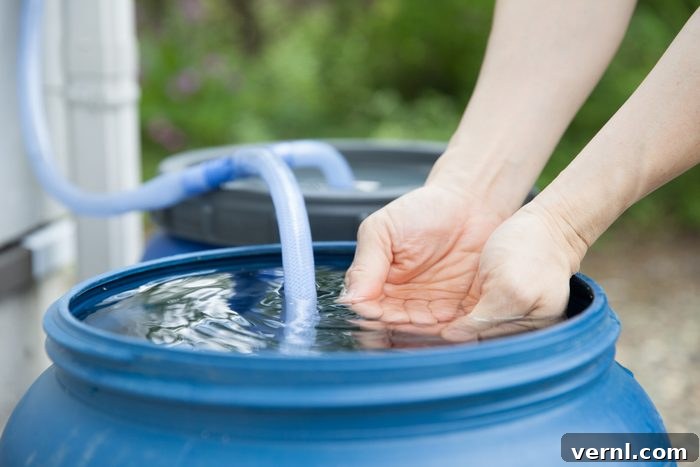
- Color is Key: Opt for a rain barrel that is dark-colored. Darker colors, such as black or dark green, are crucial because they block sunlight from penetrating the water. Since algae requires light for photosynthesis, a dark barrel effectively deprives it of the energy source it needs to grow. This simple choice can significantly reduce or even eliminate algae issues.
- Adequate Size and Capacity: Select a barrel large enough to meet your water collection needs. If one barrel isn’t enough, consider connecting a series of barrels using overflow hoses. This allows you to maximize your rainwater harvesting capacity. When the first barrel fills, the excess water flows seamlessly into the next, and so on. Just ensure that all connected barrels are dark-colored to maintain consistency in algae prevention.
- Durable Material: Choose barrels made from robust, UV-resistant materials like food-grade polyethylene to ensure longevity and prevent degradation from sun exposure.
2. Essential Protection: Cover It Up and Screen It
- Tightly Fitting, Opaque Lid: This is arguably the most critical component of a pest-free rain barrel system. A dark, tightly fitting lid serves multiple purposes: it prevents animals (like rodents or small birds) and insects (especially mosquitoes) from accessing the water, and it further blocks sunlight, creating an inhospitable environment for algae. Ensure the lid forms a snug seal to leave no gaps for entry.
- Mosquito Mesh or Screen: For an extra layer of defense, particularly if you live in a mosquito-prone area, install a fine mesh screen directly beneath the lid or over any opening where water enters the barrel. This mesh acts as a physical barrier, preventing adult mosquitoes from laying eggs while still allowing rainwater to pass through. Regularly check the screen for tears or blockages from debris.
3. Strategic Placement for Optimal Performance
- Provide Shade: Whenever possible, position your rain barrels in shaded areas of your property. Reducing direct exposure to strong sunlight significantly lowers the water temperature and inhibits the conditions necessary for algae to thrive. If natural shade isn’t available, consider constructing a simple lean-to or positioning the barrel near a wall or large shrub that casts a shadow for a good portion of the day.
- Stable and Elevated Base: Ensure your rain barrel rests on a sturdy, level surface that can support its full weight when filled with water (a 55-gallon barrel can weigh over 450 pounds). Elevating the barrel slightly also provides better water pressure when using the spigot.
4. Consistent Cleaning and Maintenance for Longevity
- Annual Deep Clean: Make it a habit to completely empty your rain barrel at least once a year, ideally before the heavy rain season begins or during a dry spell. Use this opportunity to give the interior a thorough scrubbing. I personally recommend Dr. Bronner’s castile soap because it’s biodegradable and plant-friendly. Its natural composition ensures that any residual soap left in the barrel won’t harm your garden plants when you use the collected water. Avoid harsh chemical cleaners that could leave harmful residues.
- Regular Debris Removal: Even with gutter guards, some debris (leaves, twigs, roof grit, bird droppings) will inevitably make its way into your barrel. While small amounts break down over time, large accumulations can clog filters, promote bacterial growth, and introduce excess nutrients. Periodically check and clean your downspout filter and the screen at the barrel’s inlet.
Addressing Existing Problems: Solutions for Algae and Mosquito Infestations
Even with the best preventative measures, problems can sometimes arise. Here’s how to tackle common issues effectively:
Dealing with Mosquitoes When Prevention Fails
If you’ve discovered mosquito larvae or adult mosquitoes buzzing around your barrel, and a proper lid or screen isn’t yet in place, immediate action is needed:
- The Vegetable Oil Method: This may sound unconventional, but it’s far more effective than lemongrass. Add a small amount of vegetable oil (just a few tablespoons for a standard barrel) to the surface of the water. The oil creates a thin film that covers the water, preventing mosquito larvae and pupae from accessing the surface air they need to breathe. It also deters adult mosquitoes from laying new eggs. This method is safe for plants and breaks down naturally over time.
- Bti Dunks or Mosquito Bits: For a more targeted biological control, consider using products containing Bacillus thuringiensis israelensis (Bti). Bti is a naturally occurring bacterium that is highly toxic to mosquito larvae but completely harmless to humans, pets, beneficial insects, and other wildlife. Simply drop a Bti dunk (often shaped like a small donut) into your rain barrel, and it will slowly release the bacteria, killing mosquito larvae for up to 30 days. Mosquito bits offer a faster-acting solution for immediate larval control.
- Cover Immediately: Once you’ve treated the water, ensure your barrel is properly covered with a tight-fitting lid and mosquito mesh to prevent future infestations.
Eradicating Algae Growth
Algae can quickly turn crystal-clear rainwater into an unsightly green soup. The approach to removal depends on the severity:
- For Mild Algae Growth: If you’ve caught the algae early and it’s just a thin film, adding about a cup of white vinegar to your rain barrel can often kill it and prevent its rapid regrowth. The acidity of the vinegar disrupts the algae’s cellular structure. After adding vinegar, ensure the barrel is properly covered to prevent light exposure and discourage further growth. Vinegar also offers some mild mosquito deterrent properties.
- For Extensive Algae Infestations: If your barrel is heavily coated with thick algae, a full cleaning is the most effective solution. Completely empty the barrel, then use a stiff brush and a cleaning solution to scrub away all the algae. A mix of Dr. Bronner’s castile soap and vinegar works wonderfully for this, providing both cleaning power and an antimicrobial boost without harsh chemicals. Rinse the barrel thoroughly with plenty of hot water to remove all residue and any lingering algae spores. Once clean, reset your barrel with the proper dark lid, mosquito screening, and optimal shading as described in the maintenance section above to prevent future outbreaks.
Remember, regular inspections are key. Catching problems like debris accumulation, algae formation, or mosquito larvae early makes them much easier to resolve before they become major issues. Annual cleaning is a non-negotiable step for maintaining a healthy and functional rainwater harvesting system.
The Verdict: Proven Methods Outperform Viral Hacks
While the appeal of quick, easy fixes like the lemongrass rain barrel hack is undeniable, the evidence clearly shows that it’s not an effective or sustainable solution for managing algae and mosquito problems. Its fundamental flaws – introducing decomposable plant matter, failing to address root causes like light exposure and stagnant water, and lacking sufficient concentration of active compounds – mean it will likely create more problems than it solves.
For truly clean, pest-free rainwater, focus on a strategic approach: invest in a dark-colored barrel, ensure it’s equipped with a tight-fitting, opaque lid and fine mosquito mesh, place it in a shaded location, and commit to annual deep cleaning with natural soaps like Dr. Bronner’s castile soap. These proven, low-effort methods will yield far superior results, allowing you to enjoy the environmental and economic benefits of rainwater harvesting without the headaches of algae and mosquitoes. Prioritizing proper setup and consistent, simple maintenance is the most effective path to a thriving and sustainable rain barrel system.