Uncovering the Secrets Beneath Your Old Home: The Mystery of Abandoned Underground Fuel Oil Tanks
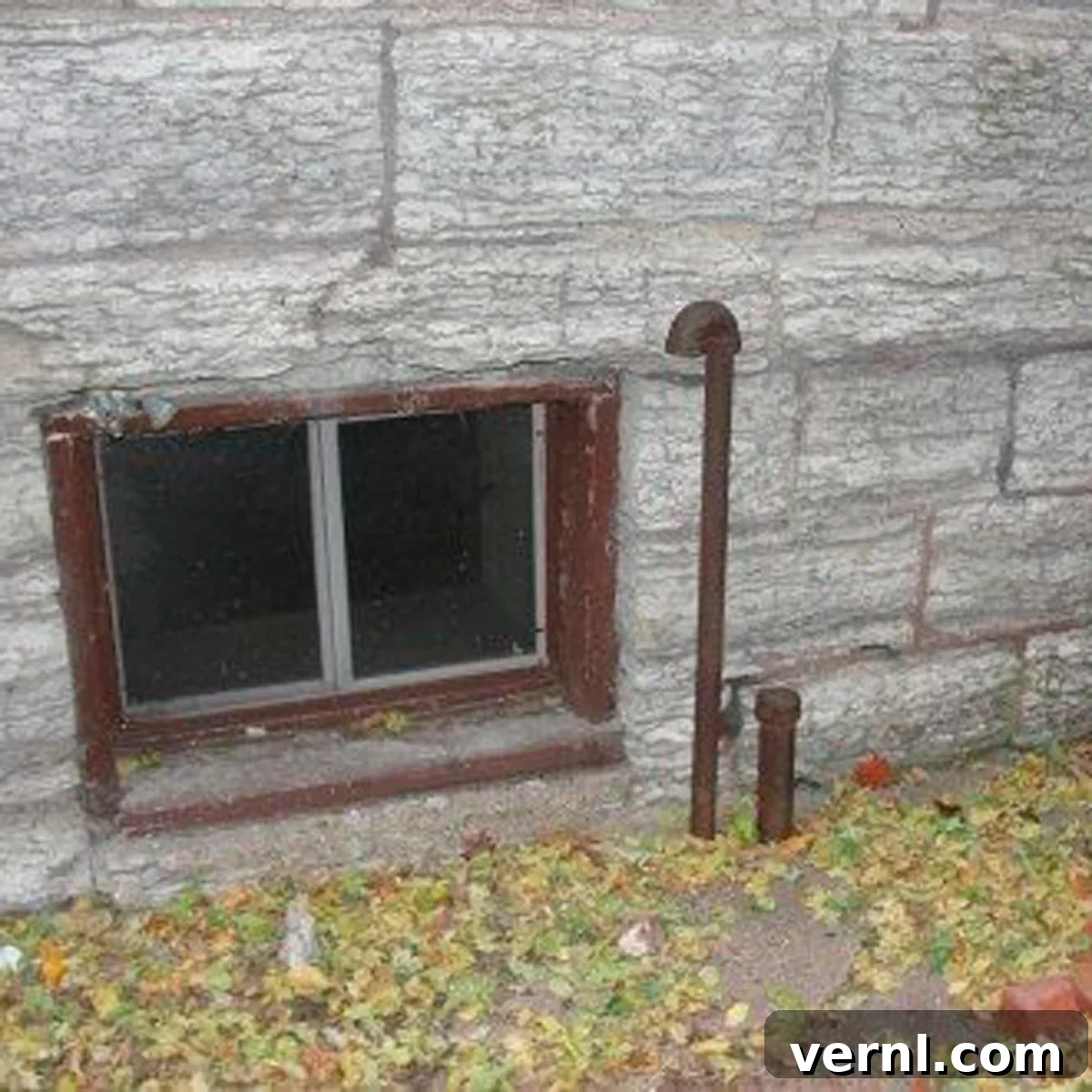
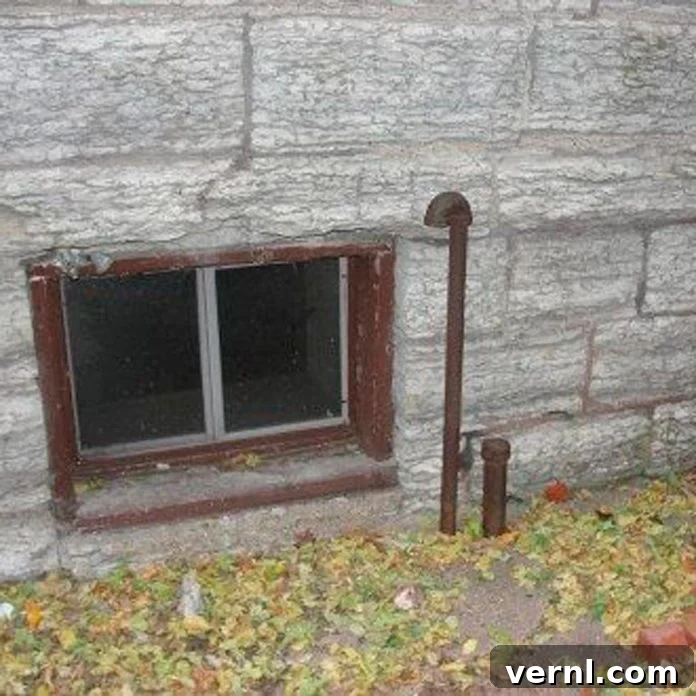
Do you own an older home, perhaps one built before the 1970s? As you walk through your yard, have you ever noticed two curious galvanized pipes poking out of the ground? These unassuming metal protrusions are often more than just remnants of forgotten plumbing; they can be the tell-tale signs of a much larger, potentially problematic feature hidden just beneath your lawn: an abandoned underground fuel oil tank. Understanding what these pipes signify and the implications of such a discovery is crucial for any homeowner.
The Legacy of Old Home Heating: Why Fuel Oil Tanks Exist
For many decades, particularly through the mid-20th century, fuel oil was a primary source for heating residential homes. Before the widespread expansion of natural gas pipelines and the advent of more efficient electric heating systems, countless furnaces relied on a steady supply of heating oil stored in large tanks. While some of these tanks were located in basements or utility rooms, many were buried underground to save space, reduce fire hazards, and maintain aesthetic appeal.
Homes constructed or converted before the 1970s are particularly susceptible to having these historical heating oil tanks. As homeowners transitioned to cleaner, more convenient, or more affordable energy sources like natural gas or electricity, the old fuel oil tanks were often simply decommissioned and left in place, rather than undergoing proper removal. This historical context is vital for understanding why these buried relics are still discovered today, sometimes decades after they were last used.
Identifying an Abandoned Fuel Oil Tank: What Those Galvanized Pipes Mean
The most common and immediate indicator of an underground fuel oil tank is precisely those galvanized steel pipes you might have observed. Typically, you’ll find a pair of these pipes emerging from the ground within a few feet of each other. These aren’t just random pipes; they served specific functions when the tank was operational:
- The Vent Pipe: One pipe would have a mushroom-shaped cap. This was the vent pipe, designed to allow air to enter and exit the tank as fuel was added or consumed, preventing a vacuum or pressure buildup.
- The Fill Pipe: The other pipe typically featured a hinged flap or cap. This was the fill pipe, where delivery trucks would connect to replenish the tank with heating oil.
However, time and weather often take their toll. In many cases, the original caps or covers are long gone, leaving behind only the exposed, threaded ends of old pipes. Don’t be fooled by their weathered appearance; their presence remains a strong signal. The proximity of these pipes can also offer a clue about the tank’s original location: if the pipes are very close together, the tank might have been situated in an adjacent basement or crawl space. If they are more separated or located further from the house, it strongly suggests a buried tank in the yard.
Other Clues for Detection
While the pipes are the most visible evidence, other signs can point to a hidden tank. Reviewing historical property records, previous owner disclosures, or even old utility bills can sometimes reveal past heating oil usage. A professional property inspection during a real estate transaction might also flag suspicious ground disturbances or unusual pipe configurations. Sometimes, a subtle depression in the ground or an area where grass doesn’t grow well can also be a hint, although these are less definitive.
The Hidden Dangers: Why Abandoned Oil Tanks Are a Problem
An abandoned fuel oil tank, whether in your basement or buried in your yard, is far more than an innocuous relic. It represents a significant liability and potential hazard for homeowners. The problems associated with these tanks can be categorized into environmental, structural, and financial/legal risks.
Environmental Contamination: A Silent Threat
This is perhaps the most pressing concern. Over time, buried steel tanks are susceptible to corrosion and rust, especially in moist soil conditions. Even if a tank was supposedly “emptied” when decommissioned, residual heating oil, sludge, or vapors almost always remain. As the tank shell deteriorates, these hazardous substances can leak into the surrounding soil and, crucially, into the groundwater. Soil and groundwater contamination can spread, affecting your property and potentially neighboring land, posing a serious threat to local ecosystems and even drinking water sources.
Cleaning up oil contamination is an extremely complex and expensive endeavor, often requiring specialized environmental remediation techniques. The cost can quickly escalate from thousands to tens or even hundreds of thousands of dollars, depending on the extent of the spread and the type of soil.
Structural Integrity and Property Damage
Beyond environmental concerns, an aging, abandoned underground tank can pose structural risks. If an empty tank rusts through and collapses under the weight of the overlying soil, it can create a dangerous sinkhole on your property. This collapse can damage foundations, driveways, landscaping, or even underground utility lines. While a tank with some oil or sludge inside might be less prone to immediate collapse, its structural integrity is still compromised, leading to slow deformation or future issues.
For tanks located inside a basement, while they don’t pose a collapse risk from soil, they occupy valuable space and can still leak residual oil onto the basement floor, causing noxious fumes and potential fire hazards.
Financial and Legal Ramifications
The discovery of an abandoned oil tank, particularly a leaking one, can have severe financial and legal repercussions:
- Decreased Property Value: Properties with unresolved oil tank issues, especially contamination, can be notoriously difficult to sell and may command a significantly lower market price.
- Legal Liability: Homeowners can be held legally responsible for the cleanup costs of contamination, even if they were unaware of the tank’s existence or didn’t cause the leak. Environmental regulations are strict, and ignorance is rarely an excuse.
- Insurance Challenges: Standard homeowner’s insurance policies often exclude coverage for environmental contamination or pollution, leaving homeowners to bear the full cost of remediation.
- Disclosure Requirements: In many regions, the presence of an underground fuel oil tank, whether active or abandoned, must be disclosed to potential buyers during a property sale. Failure to disclose can lead to legal action.
- Fines and Penalties: Non-compliance with local environmental regulations regarding tank abandonment or leaks can result in substantial fines.
The Imperative to Act: Tank Removal vs. Abandonment in Place
Once an abandoned fuel oil tank is identified, action is not just recommended, it’s often legally required. There are generally two primary approaches to dealing with these tanks, each with its own procedures, benefits, and drawbacks.
Tank Removal (Excavation): The Preferred Solution
The most comprehensive and generally preferred method for dealing with an abandoned underground oil tank is complete removal. This involves excavating the tank from the ground and transporting it off-site for proper disposal. The process typically includes:
- Permitting: Obtaining necessary permits from local municipal or environmental authorities.
- Excavation: Carefully digging up the tank, often requiring heavy machinery.
- Tank Cleaning: Draining any remaining liquids and cleaning the interior of the tank to remove sludge and residues. The tank is then often cut open to ensure it is completely clean and gas-free.
- Soil Testing: Crucially, after the tank is removed, the surrounding soil is tested for contamination. If contamination is found, further remediation efforts will be necessary.
- Backfilling: Once the area is deemed clean, the excavation site is backfilled with clean soil.
- Documentation: A closure report confirming proper removal and, if applicable, remediation, is essential for future property transactions and peace of mind.
While removal can be more expensive upfront, it offers the most definitive resolution. It eliminates the ongoing risk of future leaks, removes the structural hazard, and provides clear documentation of compliance, significantly enhancing your property’s value and marketability.
Abandonment in Place (Filling): A Viable Alternative in Specific Cases
In certain situations, particularly when a tank is located beneath a permanent structure (like a garage, addition, or foundation) or is otherwise inaccessible without extensive and costly demolition, abandonment in place may be permitted. This method involves:
- Draining and Cleaning: All accessible fuel, water, and sludge are removed from the tank.
- Inert Filling: The cleaned tank is then filled with an inert material such as sand, gravel, concrete slurry, or approved foam. This prevents future collapse and reduces vapor risks.
- Vent and Fill Pipe Removal: The pipes leading to the surface are typically cut below grade and capped.
- Documentation: A record of the abandonment process, including soil testing if required, is created and submitted to the relevant authorities.
While less disruptive and potentially less expensive initially, abandonment in place means the tank remains on your property. Future buyers might still view this as a potential liability, and some lenders may require full removal. It’s crucial to understand that even an abandoned-in-place tank still needs to be properly decommissioned to prevent future issues and meet regulatory standards.
The Professional Approach: Navigating Tank Remediation
Dealing with an abandoned fuel oil tank is not a DIY project. It requires specialized knowledge, equipment, and adherence to strict environmental and safety regulations. Engaging qualified professionals is paramount for a safe, compliant, and effective resolution.
Choosing the Right Contractor
When selecting a contractor for tank removal or abandonment, look for:
- Experience and Reputation: Choose a company with a proven track record specifically in fuel oil tank remediation.
- Licensing and Certification: Ensure they are properly licensed and certified by relevant state and local authorities for hazardous waste handling and tank removal.
- Insurance: Verify they carry comprehensive liability insurance, including environmental impairment liability, to protect you from potential issues during and after the project.
- Environmental Compliance: The contractor should be knowledgeable about and compliant with all local, state, and federal environmental regulations regarding tank decommissioning, waste disposal, and soil remediation.
- References: Ask for references and check online reviews.
- Detailed Proposal: Insist on a clear, written proposal outlining the scope of work, timeline, costs, and what is included (e.g., permits, soil testing, waste disposal, backfilling, final documentation).
Always contact your local residential building inspector’s office or environmental protection agency for recommendations and specific requirements in your area. Regulations vary significantly by municipality and state.
Protecting Your Investment: Real Estate Implications
The presence of an abandoned fuel oil tank can have substantial implications for your property’s value and marketability, especially if you plan to sell your home. Many buyers are wary of purchasing a property with an unknown environmental liability, and rightfully so. Lenders may also refuse to finance a home with an active or improperly decommissioned underground storage tank, as it represents a significant risk.
Proactively addressing an abandoned tank, whether through removal or proper abandonment in place, not only mitigates environmental and structural risks but also becomes a powerful selling point. Providing prospective buyers with clear documentation of a clean and remediated site can significantly increase confidence, speed up sales, and potentially increase your asking price. Ignoring the problem will almost certainly lead to complications and financial setbacks down the line.
Taking the Next Steps: What Homeowners Should Do
If those mysterious galvanized pipes sound familiar, don’t delay in investigating further. Here’s a recommended course of action:
- Initial Assessment: Confirm the pipes’ presence and location. Look for other clues.
- Contact Local Authorities: Reach out to your municipal building department, fire department, or environmental agency. They can provide information on local regulations, required permits, and recommended procedures for tank assessment and removal.
- Seek Professional Evaluation: Hire a reputable environmental consultant or tank removal specialist to conduct a thorough site assessment. They can confirm the tank’s presence, size, condition, and if there’s any indication of leakage.
- Obtain Quotes: Get detailed proposals from several qualified contractors for tank removal or abandonment in place, ensuring all costs (permits, excavation, cleaning, soil testing, disposal, backfill, and documentation) are itemized.
- Understand the Process: Ensure you fully understand the chosen remediation process, potential costs, and the timeline involved before committing to a contractor.
Conclusion: Ensuring a Safe and Valuable Home
The small, galvanized pipes in your yard may seem insignificant, but they are often gateways to a complex issue that demands your attention. An abandoned underground fuel oil tank represents a hidden liability that can compromise your property’s value, create significant environmental hazards, and lead to substantial financial and legal burdens. By taking proactive steps to identify, assess, and properly remediate these historical structures, you not only protect the environment and ensure the safety of your property but also safeguard your investment for years to come. Don’t let a hidden past become a future problem; address those mysterious pipes today.