
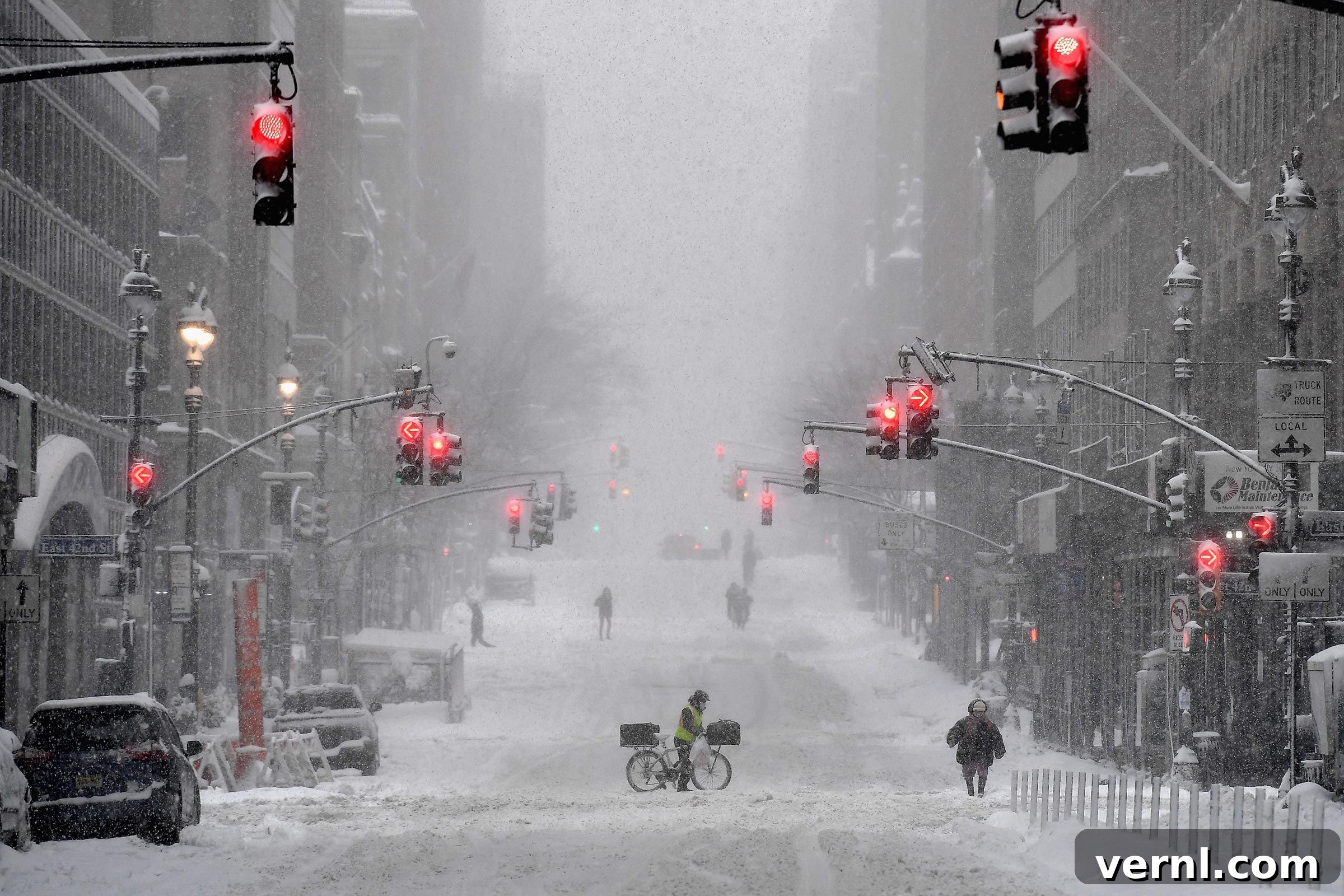
Decoding Winter Storms: Naming Conventions, History, and Essential Home Preparedness
As winter’s chill descends upon vast stretches of the country, ushering in the annual spectacle of snow, ice, and frigid temperatures, many households begin their familiar ritual of preparing for the season’s challenges. Yet, amidst the flurry of winter storm warnings and advisories, a common question often surfaces: When did they start naming winter storms, and who is behind this intriguing meteorological practice? If these questions have ever piqued your curiosity, or if you’re seeking robust strategies to safeguard your home against the season’s harshest elements, you’ve landed in the perfect place. This comprehensive guide will not only demystify the fascinating process behind winter storm nomenclature but also equip you with an extensive array of practical tips and tricks to fortify your residence for the upcoming winter storm season, ensuring peace of mind and enhanced safety for you and your loved ones. Understanding both the ‘what’ and the ‘how’ of winter weather phenomena is paramount to navigating the colder months successfully.
The Curious Case of Winter Storm Naming: Unofficial Monikers and Public Awareness
When the topic of severe weather arises, many people immediately think of hurricanes, tropical storms, and their well-established naming conventions, officially designated by the National Weather Service (NWS) and international meteorological organizations. However, the system for naming winter storms operates under a vastly different and, arguably, more informal framework. Unlike its hurricane counterpart, there is no governmental or international body officially sanctioning names for winter storms. Instead, the practice of assigning monikers to significant winter weather events stems primarily from The Weather Channel (TWC) or its associated entities.
This distinction is crucial: while hurricane names are universally recognized and adopted by all meteorological agencies and media outlets, winter storm names, despite often gaining considerable mainstream popularity and media traction, are not formally acknowledged by the National Weather Service. The NWS refers to these events by their meteorological characteristics, such as ‘blizzard,’ ‘ice storm,’ or ‘heavy snowfall event,’ rather than by a specific given name. The reasoning behind this official stance from the NWS often points to the localized and highly variable nature of winter weather impacts, which can differ significantly even within short distances, making a single, broad name less applicable or potentially misleading for specific forecast areas.
The Weather Channel, however, introduced its naming system with the stated goal of enhancing public safety and improving communication about potentially dangerous winter weather. By giving a storm a memorable name, TWC aims to:
- Heighten Awareness: A named storm can sound more urgent and impactful, prompting people to take warnings more seriously.
- Facilitate Communication: It provides a common, easily identifiable reference point for discussions across social media, news broadcasts, and among the general public, making it easier to track a specific event.
- Aid in Tracking: A unique name can help track a specific storm’s progression and impacts over time, making it easier for audiences to follow its trajectory from initial formation to dissipation.
While this approach has undeniably proven effective in capturing public attention and simplifying complex weather discussions, it has also sparked debate within the meteorological community. Critics sometimes argue that unofficial naming conventions can create confusion or overstate the impact of certain storms, especially if the perceived severity of the name doesn’t align with the actual localized effects. Nevertheless, the names often become deeply embedded in public discourse, shaping how millions prepare for and remember significant winter weather events, regardless of official recognition.
The Dawn of Winter Storm Naming: A Recent Phenomenon Driven by Modern Communication
The practice of naming winter storms is a relatively recent development in the annals of weather forecasting, a stark contrast to the long-standing tradition of naming tropical cyclones. To truly understand ‘when’ this phenomenon began, it’s helpful to briefly look back at the history of storm naming in general.
The naming of hurricanes, for instance, dates back to the early 1950s. Initially, the United States National Hurricane Center devised a systematic approach using a phonetic alphabet. Interestingly, for several decades, storms were exclusively assigned female names. This gender-specific naming convention persisted until the late 1970s, when a more equitable system was adopted, incorporating both male and female names in an alternating sequence. This evolution reflected broader societal changes and aimed for greater inclusivity and fairness in meteorological nomenclature.
Fast forward to the early 2010s, a period marked by the exponential growth and mainstream adoption of social media platforms like Twitter. It was precisely in 2012 that The Weather Channel took the initiative to begin naming winter storms. This wasn’t a random decision but a calculated move designed to leverage the power of emerging digital communication channels and enhance the clarity and impact of winter weather advisories.
The timing of this decision is hardly coincidental. The rise of platforms where information could be rapidly disseminated and discussed—often with hashtags and trending topics—presented a unique opportunity. A specific storm name provided an immediate, easily shareable identifier, making it simpler for the public, media, and even emergency services to refer to a particular event. Instead of constantly repeating ‘the winter storm affecting the Northeast next Tuesday,’ a name like ‘Winter Storm Athena’ offered a concise and memorable shorthand. This ease of communication proved invaluable for disseminating warnings, sharing real-time updates, and organizing community responses during severe weather events.
The criteria The Weather Channel uses for naming winter storms generally revolve around their anticipated impact and geographical extent. They typically name storms that are expected to affect a significant population over a large area, posing substantial threats such as heavy snowfall, crippling ice accumulation, or widespread hazardous conditions that warrant heightened public awareness. This strategic naming aims to cut through the noise, making winter storm information more accessible, memorable, and actionable for millions across the nation, ultimately fostering a more prepared and resilient populace against the unpredictable forces of winter.
Comprehensive Winter Storm Home Preparation: Fortifying Your Residence for Safety and Resilience
Preparing your home for a winter storm can feel like an overwhelming task, but with a structured approach and a comprehensive checklist, it becomes a manageable and crucial aspect of winter safety. The goal is not just to survive the storm but to navigate it with minimal disruption and maximum safety. Here’s an expanded guide to fortifying your home and ensuring your family’s well-being:
Exterior Home Inspection and Maintenance
Before the first major storm hits, conduct a thorough inspection of your home’s exterior to identify and address any potential vulnerabilities:
- Roof and Gutters: Check for loose or damaged shingles, missing tiles, or any vulnerabilities that could allow water intrusion once snow and ice accumulate. Clean out gutters and downspouts thoroughly to ensure proper drainage. Blocked gutters can lead to dangerous ice dams, which can cause significant damage to roofs, soffits, and interior ceilings.
- Siding and Windows: Inspect siding for any loose panels or gaps that could allow wind and moisture to penetrate. Seal any cracks or openings around windows and doors with caulk or weatherstripping to prevent drafts and heat loss. Consider adding storm windows or heavy, insulated curtains for extra protection and energy efficiency.
- Trees and Shrubs: Trim any branches that are dead, weak, or overhanging your home, garage, or power lines. Heavy snow and ice can accumulate on these branches, causing them to break and potentially leading to property damage or widespread power outages.
- Pipes and Outdoor Faucets: Disconnect all garden hoses and drain outdoor faucets thoroughly. Insulate exposed pipes in unheated areas like basements, crawl spaces, and garages to prevent them from freezing and bursting. Crucially, know the location of your main water shut-off valve in case a pipe does burst, allowing you to quickly mitigate damage.
- Walkways and Driveways: Ensure you have appropriate tools for snow and ice removal, such as sturdy shovels, a functional snow blower, and pet-safe ice melt or sand for traction. Clear pathways of any obstructions that could become hidden hazards under snow.
Interior Readiness and Energy Efficiency
Focus on maintaining a warm, safe interior environment, especially during potential power outages, and optimize your home’s energy performance:
- Heating System Check: Have your furnace or heating system professionally inspected and serviced before winter to ensure it’s operating efficiently and safely. Change air filters regularly for optimal performance and air quality.
- Insulation and Drafts: Assess your home’s insulation, paying particular attention to attics, crawl spaces, and exterior walls. Enhance insulation where needed. Seal any interior drafts around windows, doors, electrical outlets, and plumbing penetrations to prevent heat from escaping.
- Carbon Monoxide Detectors: Ensure all carbon monoxide detectors are working correctly and have fresh batteries. This is absolutely crucial if you plan to use alternative heating sources like fireplaces, wood-burning stoves, or generators, as carbon monoxide is an odorless, colorless, and deadly gas.
- Smoke Detectors: Similarly, check and test all smoke detectors throughout your home, replacing batteries as needed, to provide early warning in case of fire.
Emergency Supplies and Kit Assembly
A well-stocked emergency kit is your lifeline during a severe winter storm, especially if you experience a power outage or become isolated. Aim for enough supplies to last at least 72 hours, ideally up to a week:
- Water and Non-Perishable Food: Store at least one gallon of clean drinking water per person per day. Stock a supply of non-perishable food items that require no cooking or refrigeration, along with a manual can opener. Don’t forget ample food and water for your pets.
- Lighting and Power: Gather multiple flashlights, extra batteries of various sizes, battery-powered lanterns, and power banks for charging mobile devices. If you have a generator, ensure it’s in good working order and stored safely outdoors, away from windows, doors, and vents, with an adequate supply of fuel. Never operate a generator indoors due to severe carbon monoxide risks.
- First-Aid Kit: Assemble a comprehensive first-aid kit stocked with pain relievers, bandages, antiseptic wipes, any necessary prescription medications (with a few days’ extra supply), and warmth essentials like emergency blankets or Mylar wraps.
- Warmth: Stock extra blankets, sleeping bags, and warm clothing for all family members. Consider having an alternative heating source, such as a wood-burning fireplace, with a supply of dry firewood and proper ventilation.
- Communication: Include a battery-powered or hand-crank radio for weather alerts and news, fully charged cell phones, and a written list of emergency contacts, including family, doctors, and utility companies.
- Miscellaneous Essentials: Include a whistle to signal for help, basic tools (wrench to turn off utilities), cash (ATMs may not work), and copies of important documents in a waterproof bag.
Vehicle Preparedness
Don’t overlook your vehicle, especially if you might need it for emergencies or if you live in an area prone to severe winter weather:
- Fuel Tank: Keep your car’s fuel tank at least half full to prevent fuel lines from freezing and ensure you have gas for emergencies, warmth, or if you need to evacuate.
- Tires: Check tire pressure regularly, as it decreases in cold weather. Inspect tread depth and consider installing winter tires if you live in an area with heavy snow and ice for enhanced traction and safety.
- Vehicle Emergency Kit: Stock your car with blankets, a small shovel, sand or kitty litter for traction, jumper cables, a flashlight, a first-aid kit, non-perishable food, and water.
Staying Informed and Communication Plan
Knowledge and a clear communication plan are essential for effective storm response:
- Monitor Weather Alerts: Stay continuously updated on weather forecasts and warnings from reliable sources like the National Weather Service, local news, and trusted weather apps. Understand the difference between a winter weather advisory, watch, and warning.
- Family Communication Plan: Establish a family communication plan, including an out-of-state contact, in case local phone lines or cell towers are down. Designate a safe meeting point if you need to evacuate or become separated.
During and After the Storm
Safety precautions extend throughout and beyond the actual weather event:
- Stay Indoors: Avoid unnecessary travel during the storm. If you must go out, inform someone of your destination and expected return time.
- Conserve Heat: If power is lost, close off unused rooms, wear layers of warm clothing, and use blankets to stay warm. Do not use outdoor heating devices indoors due to carbon monoxide risks.
- Power Outage Safety: If the power goes out, use flashlights, not candles, to avoid fire hazards. Keep refrigerator and freezer doors closed as much as possible to preserve food. Unplug sensitive electronics to protect them from power surges when electricity is restored.
- Check for Damage: After the storm passes, carefully inspect your home for any winter storm damage, especially to the roof, pipes, and electrical lines. Report downed power lines immediately to your utility company and stay far away from them.
- Safe Cleanup: Be cautious when shoveling snow to avoid overexertion, back injuries, or heart attacks. Take frequent breaks and stay hydrated. Watch for icy patches and hidden debris.
By proactively addressing these areas, you can significantly reduce the risks associated with winter storms and ensure your home remains a safe and warm sanctuary, no matter how severe the weather outside becomes. Preparation is not just about convenience; it’s about safeguarding lives and property, fostering resilience, and navigating the winter season with confidence and peace of mind. These additional tips will further aid your preparedness efforts.