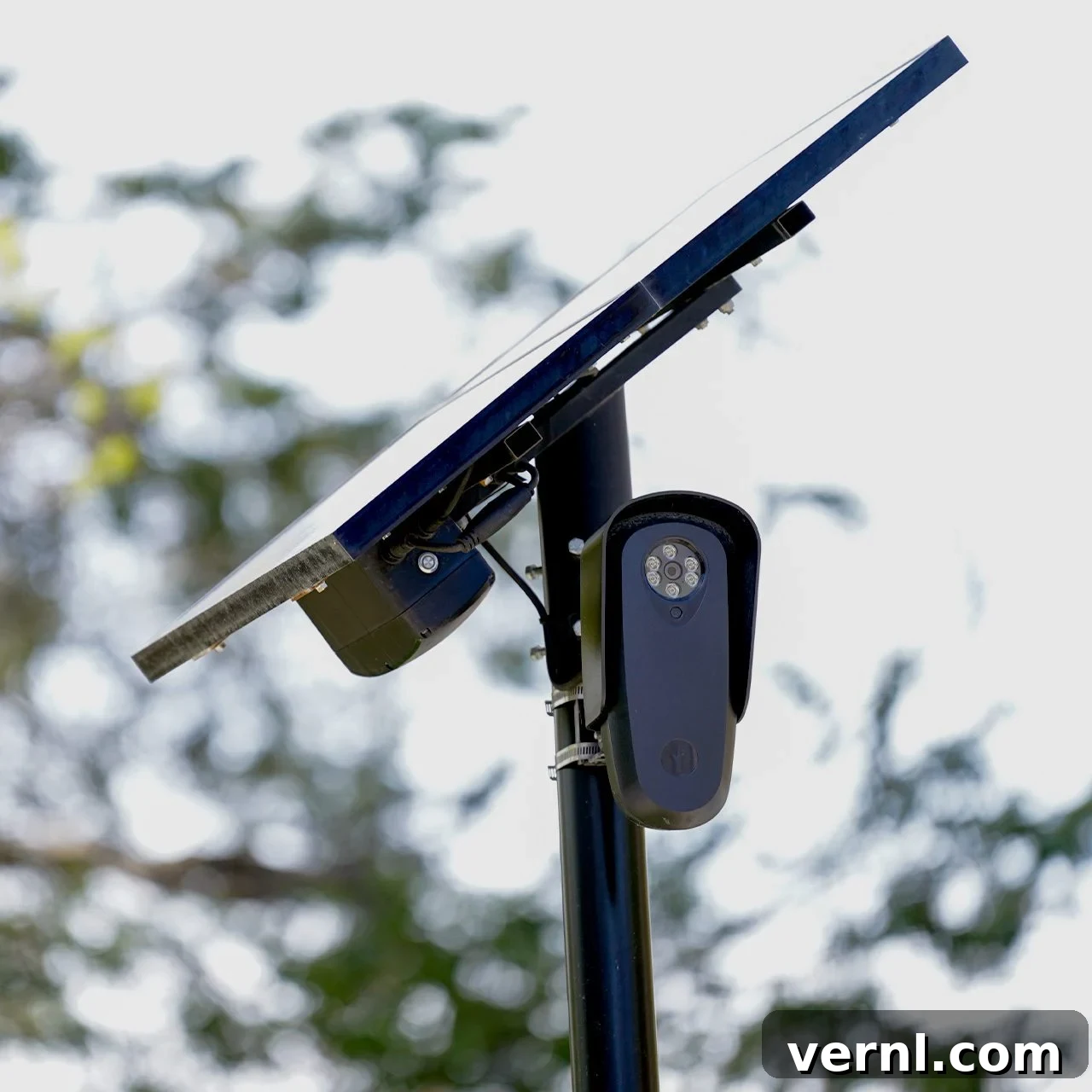
Flock cameras have become a flashpoint in communities across the United States. Reports in late July described dozens of deliberate attacks on these devices in many states, and protest actions have continued as residents and privacy advocates raise alarms about the potential for widespread tracking. Critics view Flock cameras as tools that collect detailed movement data on vehicles and, by extension, the people who drive them. Supporters point to crime-solving benefits. This article explains what Flock cameras are, why cities are installing them, the privacy concerns they raise, and how activists are responding.
What is a Flock Camera?
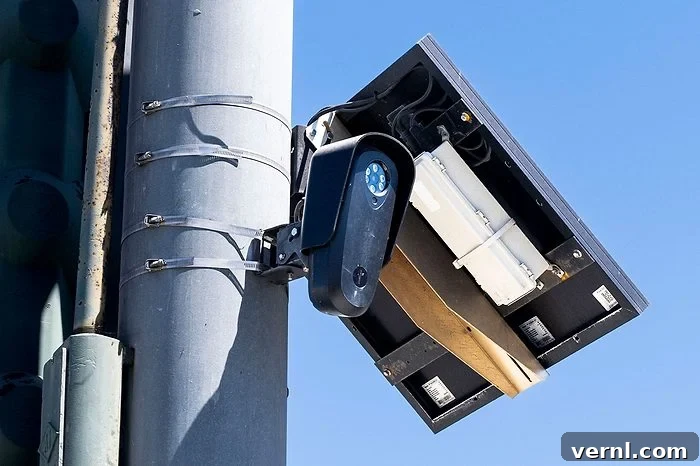
Contrary to what the name might suggest, a Flock camera is not a camera that watches crowds. It is an automated license plate reader (ALPR) produced by the company Flock Safety. These devices are deployed at street level, typically mounted on poles with solar panels, and they automatically capture images of passing vehicles. The primary output is license plate data, but the systems also record vehicle characteristics such as make, model, and color.
Flock states that its systems do not perform facial recognition or count occupants inside vehicles. While those limitations may reassure some people, the information these cameras do gather can still create detailed movement histories for individual cars. Aggregated over time, that data can reveal daily routines, frequent destinations, and social connections based on travel patterns.
The cameras are usually networked to a central database that aggregates reads from many devices. That aggregation is what turns individual plate captures into richer location histories, which raises questions about long-term privacy and who can access that compiled information.
Why Communities Are Installing Them
Municipal leaders and law enforcement agencies generally present Flock cameras as a public-safety tool. The devices are promoted for their ability to quickly identify stolen vehicles and to provide investigative leads in crimes that involve cars. In some cities, police departments say ALPR systems help compensate for limited staffing by providing automated investigative support.
Local reports indicate that deployments have contributed to arrests in cases ranging from burglaries to more serious offenses. Researchers and law enforcement point to instances where plate-reader alerts produced evidence that led to criminal charges. That said, the broader impact of these systems on overall crime rates remains a subject of ongoing study and debate.
The Privacy Concerns Driving Opposition
Opposition centers on how long and how widely vehicle-location data can be stored and shared. Even if raw images are retained for a short period, aggregated plate reads create a searchable history of a person’s movements. Critics warn that if databases are insufficiently secured or if access controls are weak, sensitive movement histories could be exposed to hackers, sold to third parties, or misused by agencies for non-law-enforcement purposes.
There are documented cases of law enforcement agencies using plate-reader data for purposes beyond theft investigations, including searches tied to immigration enforcement or personal inquiries. Civil liberties groups have investigated these practices and raised concerns about transparency, oversight, and whether vendors and agencies fully disclose how data can be used.
Another common worry is mission creep: tools deployed for one purpose are later used for others without adequate public debate. When a system can generate heat maps or other visualizations of travel patterns, the potential for secondary uses expands, and many community members want strong limits and review processes in place before that happens.
Anti-Camera Activism
Activists and residents who view Flock cameras as invasive have taken a variety of actions, from community organizing and policy campaigns to direct physical sabotage of devices. Reported incidents include disabling cameras, blocking lenses, and other forms of vandalism. In parallel, grassroots mapping projects and advocacy groups have helped communities locate ALPR deployments and press local governments to pause or cancel contracts.
Some municipalities have responded by reevaluating policies, adopting transparency measures, limiting data retention, or discontinuing use altogether. Legislative proposals at state and federal levels have also emerged, seeking to control who can access plate-reader data and under what circumstances—some proposals would require law enforcement to obtain warrants before querying aggregated historic datasets.
FAQ
How long is Flock camera data stored?
Retention policies vary. A commonly reported default retention period for many ALPR systems is around 30 days, though local contracts or customer settings can shorten or extend that period. Experts emphasize that retention length is only one part of the privacy equation; equally important are who can query the data, under what legal standards, and what technical and administrative safeguards protect it.
Are Flock cameras the same as red-light cameras?
No. Red-light cameras are automated systems that capture traffic violations at intersections. Flock ALPRs are designed for investigative purposes: they match license plates and vehicle characteristics against lists of interest, such as stolen-vehicle databases or watchlists. Communities considering ALPR deployment are advised to weigh potential public-safety benefits against privacy, oversight, and accountability concerns.
About the Experts
- Aimee Simpson — security industry professional and product marketing director with expertise in managed detection and response products.
- Amy Mortlock — cybersecurity expert with more than 15 years’ experience working on security programs and incident response.
- Mohammed Shariff — attorney who focuses on personal injury litigation and has commented on the legal distinctions between traffic-enforcement cameras and investigatory ALPR systems.
Sources
- The Guardian: reporting on activism and vandalism against ALPR deployments (2026)
- CNN: coverage of incidents and public debate surrounding Flock cameras (2026)
- Flock Safety: company information about what their cameras capture (2026)
- Berkeleyside: local reporting on deployments and police use in Berkeley (2026)
- American Civil Liberties Union: investigation into vendor and law-enforcement practices (2026)
- DeFlock: grassroots mapping of ALPR locations and community actions (2026)