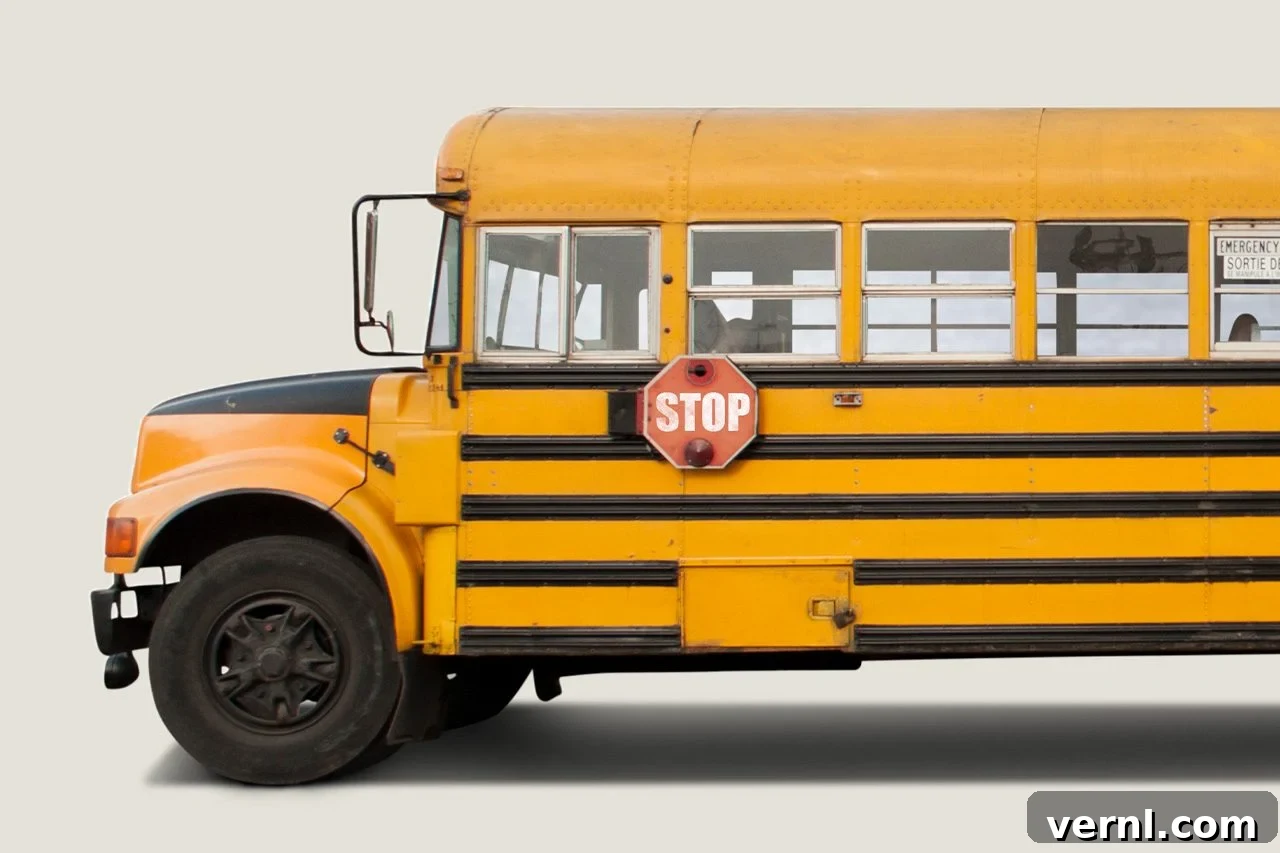
School buses are instantly recognizable for a reason. Their bright yellow paint, flashing red lights, fold-out stop signs, and large rectangular profile are intentionally designed to be highly visible so other drivers remain alert. Another feature that often goes unnoticed, however, is the long black stripes running along the sides. These aren’t decorative trim—they’re functional reinforcements known as rub rails.
What the Black Stripes on a School Bus Actually Do
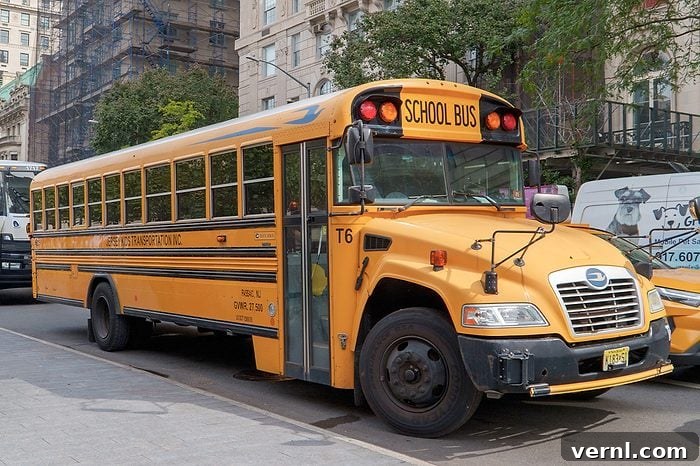
Rub rails reinforce the side structure of a school bus and protect the exterior panels from damage. Typically made from 16-gauge steel or another material with comparable strength, these rails are usually ribbed or corrugated rather than flat to increase stiffness and impact resistance. Their shape and material help the rails absorb and distribute forces from everyday contacts—parking bumps, roadside obstacles, or incidental impacts—thereby preserving the bus body and reducing repair needs.
The placement of rub rails is deliberate. Standards for bus construction position them near key points of the passenger compartment and structural members so they fasten to upright body posts and other supports. By tying into the bus’s frame, rub rails add reinforcement along the sides and help protect the exterior panels from the stresses associated with loading, unloading, and road use. In many states, specifications also call for these rails to be painted black, which is why those dark stripes are so common.
Are All School Buses Designed the Same?
No. Design and construction details vary by state and by manufacturer, and local school districts often set additional purchasing requirements. At the federal level, the National Highway Traffic Safety Administration recognizes rub rails as exterior support members but treats them differently from body-panel joints. The federal joint-strength regulations focus on the strength of the connections between body panels, while rub rails are described as “support members” that sit entirely outside those panels. This distinction allows states to adopt more specific standards governing rub rail construction and placement.
Because requirements can differ, the number and location of rub rails vary from bus to bus. Some jurisdictions mandate a rail at the level of the seat cushion, another at or just above the floor line, and a horizontal reinforcement near the bottom of the side skirt. Other specifications call for an additional rail near the bottom edge of the windows. Manufacturers also follow their own engineering practices and design preferences, which further contributes to variation in appearance.
Functionally, though, the purpose remains consistent: rub rails strengthen the side structure and provide a first line of defense for the bus exterior. Their configuration reflects a balance of structural need, regulatory guidance, and manufacturer design choices.
So the next time you notice those black stripes on a passing school bus, you’ll know they’re doing more than making the vehicle look distinctive. They play an important role in protecting the body, tying into the bus’s frame, and helping extend the useful life of the vehicle while meeting safety and construction standards.
Sources
U.S. Code of Federal Regulations, “School bus body joint strength”
State vehicle and school bus specification documents, including representative state guidelines such as those used for Texas school bus specifications
RELATED:
- The Real Reason Aluminum Foil Has a Shiny Side and a Dull Side
- Think Adirondack Chairs Are Uncomfortable? You’re Using Them Wrong
- Why You Shouldn’t Crush Aluminum Cans Before Recycling