
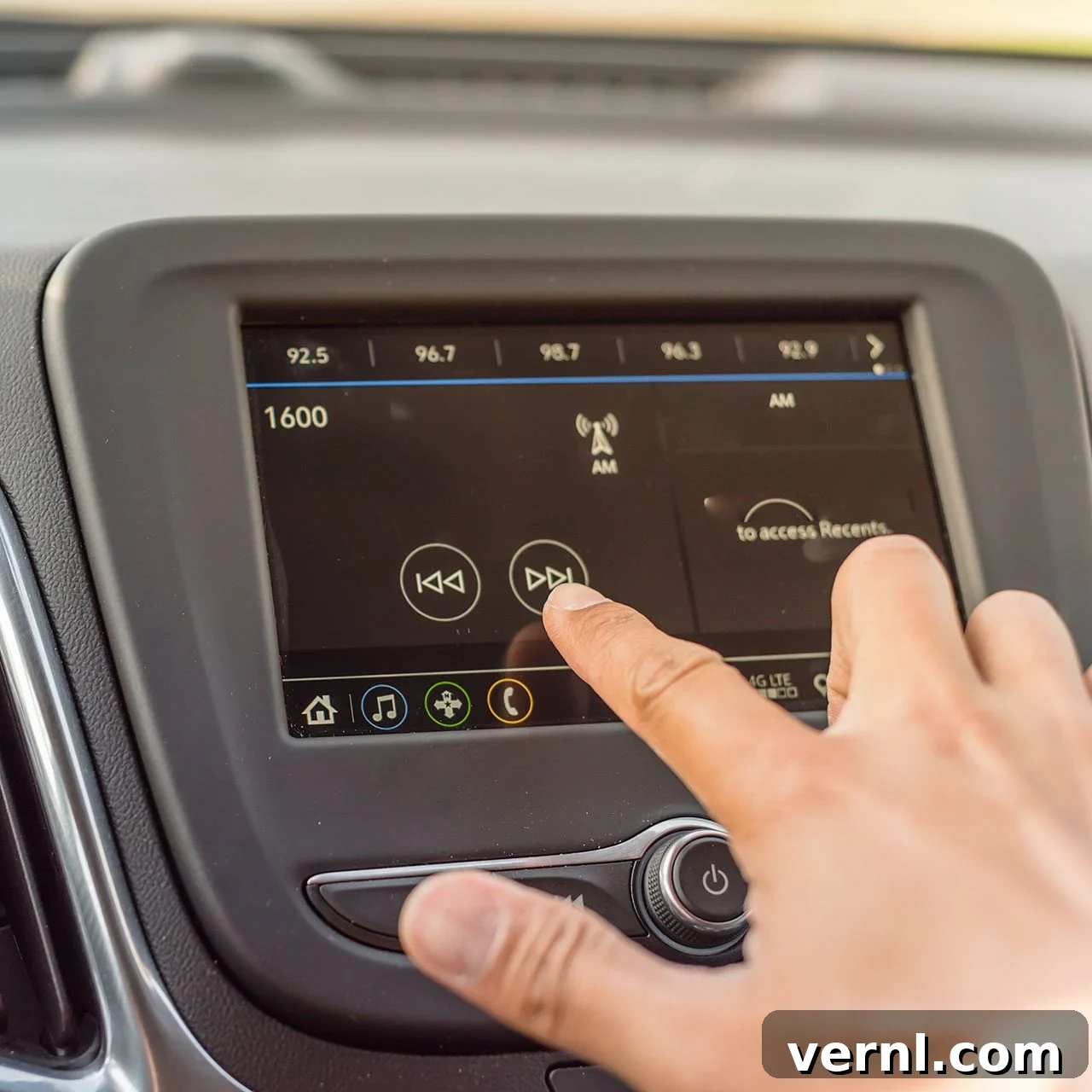
AM Radio for Every Vehicle Act: What It Would Mean for New Cars
Listening while driving—from music to talk radio—has long been an ingrained part of the road experience. Over the decades, how drivers access audio content has changed dramatically. Where radios once came standard in every dash, today’s drivers can choose from satellite radio, smartphone streaming, and built-in infotainment systems. That shift has also influenced what automakers include as standard equipment.
Some manufacturers have begun omitting AM radio from certain models, particularly some electric vehicles. In response, lawmakers introduced the AM Radio for Every Vehicle Act to ensure AM access remains available in new passenger vehicles sold in the United States. Below is a clear look at what the bill would require, why some automakers have removed AM, and why advocates say AM still matters—especially for emergency alerts.
What the AM Radio for Every Vehicle Act Would Require in New Cars
The AM Radio for Every Vehicle Act of 2025 (H.R. 979) directs the Department of Transportation to develop a rule requiring AM radio access in new passenger vehicles. If enacted, automakers would be required to include AM-capable receivers as standard equipment, and vehicles would need an accessible way for drivers to tune to AM stations without paying an extra fee for the feature.
The change would not be immediate. After the bill becomes law, the Department of Transportation would have up to one year to write and implement the regulation. During that interim period, manufacturers that sell a vehicle lacking AM radio must clearly disclose that absence to buyers.
At the time of the House vote that passed the bill, its passage did not automatically add AM radio to every new vehicle. The legislation must still clear the Senate and be signed into law, and the federal rule must then take effect. Until then, whether a new vehicle includes AM radio remains determined by the automaker and specific model choices.
Why Some Automakers Have Removed AM Radio From New Vehicles
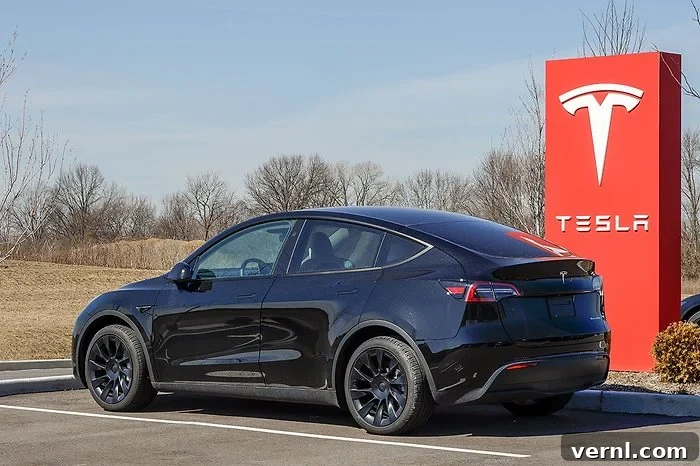
There are a few reasons automakers have dropped AM radio from some newer models. One explanation cited by multiple manufacturers is that electrical systems in electric vehicles can generate interference that makes AM reception noisy or unreliable. As electric vehicle sales grow, that interference has become a recurring concern for engineers and broadcasters alike.
Other automakers, however, have continued to include AM in their vehicles, and broadcasters and manufacturers have explored technical solutions. The National Association of Broadcasters notes cooperation with automakers on fixes such as software updates and other interference-reduction measures that can improve AM performance without compromising vehicle systems.
The proposed law does not prescribe a single technical solution. Instead, it focuses on the consumer outcome: new passenger vehicles must provide AM radio access if the legislation becomes law. How manufacturers achieve that outcome—through hardware design, shielding, software, or other means—would be left to industry and regulators.
Why AM Radio Still Matters for Emergency Alerts in Cars
One of the primary arguments supporters make for preserving AM radio in vehicles is its role in emergency communications. AM broadcasters are a longstanding component of the nation’s emergency warning infrastructure. Many AM stations have backup power and transmission equipment that allow them to stay on the air during widespread power outages, severe weather, or when internet and cellular networks are down.
Because AM radio can be received without relying on a cellular data connection, it serves as a reliable channel for life-saving information during crises. Proponents describe AM radio as a lifeline—especially in rural areas or in situations where other communications fail.
Under the bill, the Government Accountability Office would be asked to study how AM radio performs alongside other emergency alert systems, documenting strengths and limitations to inform future policy and improve public safety communications.
Implications for Consumers and Automakers
If H.R. 979 becomes law and the Department of Transportation issues a rule, consumers would gain a guaranteed baseline feature in new passenger vehicles: access to AM broadcasts. For automakers, the requirement could mean design or software adjustments to ensure acceptable AM performance across product lines. Regulators and industry groups would likely engage on technical standards and acceptable performance levels.
For drivers, the practical effect would be continued access to local news, talk shows, sports, and critical emergency information through AM radio—without having to pay an optional fee or depend solely on cellular networks.
Sources
- US Congress — H.R. 979, AM Radio for Every Vehicle Act
- Representative Josh Gottheimer — Statement on House passage of the bill
- National Association of Broadcasters — Position on AM radio in cars
- Congressional Research Service — Analysis of AM broadcast radio in motor vehicles