
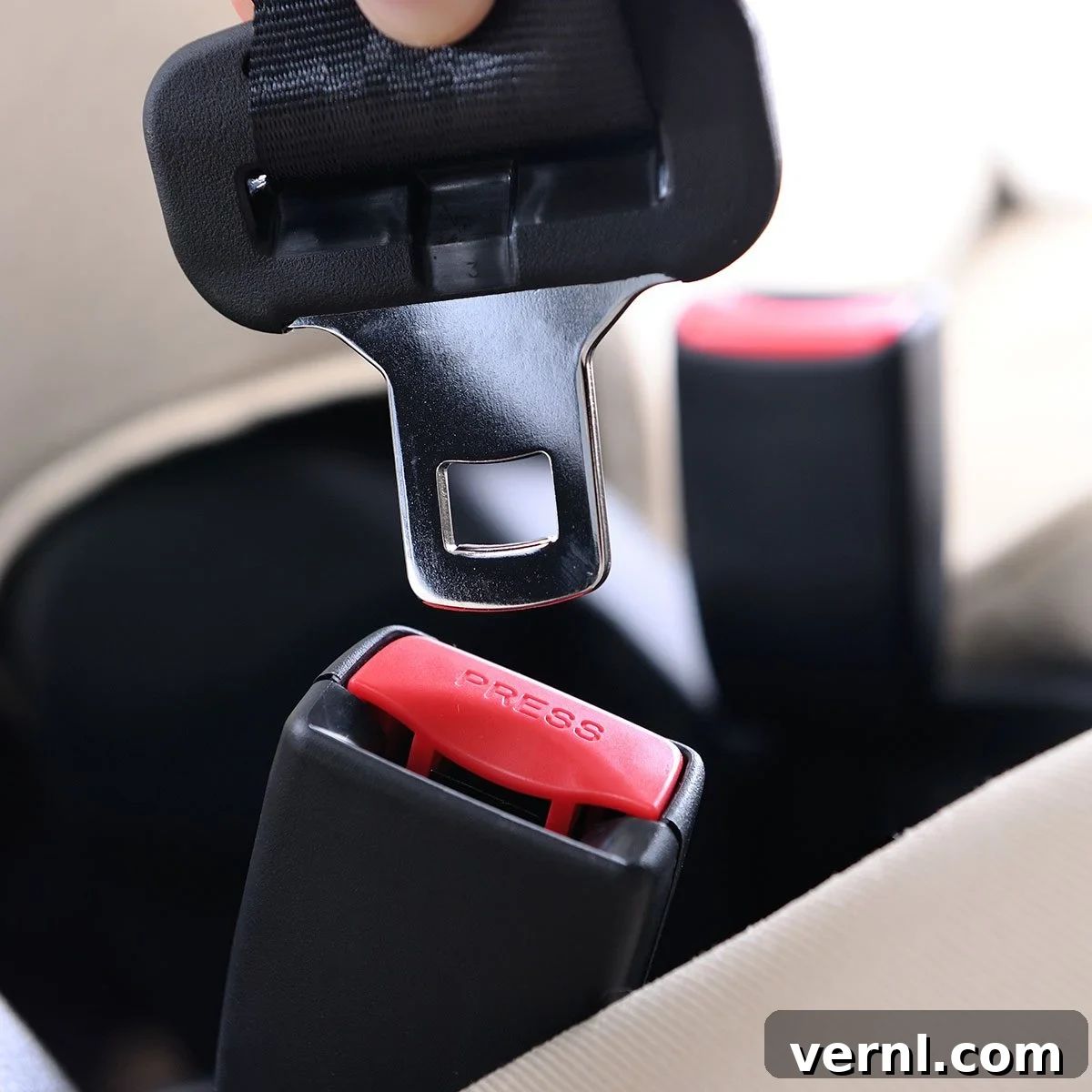
Navigating the journey of pregnancy brings with it a myriad of adjustments, not least of which involves everyday routines like driving or riding in a car. While buckling up is second nature for most, the physical changes experienced during pregnancy can transform even this simple act into a source of discomfort or concern. As your body grows and shifts, the standard fit of a car’s seat belt may begin to feel awkward, pressing uncomfortably across your expanding lower belly. This natural discomfort has fueled the emergence of specialized products known as pregnancy seat belt adjusters, marketed to expectant mothers as a solution for a more comfortable and potentially safer ride.
These devices promise to modify the seat belt’s routing, aiming for a better, more secure fit for pregnant drivers and passengers. But with an increasing array of options available, a crucial question arises: are these pregnancy seat belt adjusters truly necessary, do they enhance safety, or could they, in some instances, introduce unforeseen risks? Understanding the official guidelines, expert recommendations, and the mechanics of car safety during pregnancy is paramount for making informed decisions that prioritize both maternal and fetal well-being.
Understanding Car Safety During Pregnancy: More Than Just Buckling Up
Car safety is a critical concern for everyone, but it takes on added significance during pregnancy. A properly worn seat belt remains the single most effective safety device in a vehicle, proven to reduce the risk of serious injury or death in a crash for both the driver/passenger and, crucially, for the unborn child. The stakes are undeniably higher when you’re pregnant, as any impact or sudden stop carries potential risks not only for the mother but also for the developing fetus.
The Changing Body and Seat Belt Fit Challenges for Expectant Mothers
As pregnancy progresses, an expectant mother’s body undergoes significant transformations. The growing uterus and abdomen naturally alter the body’s center of gravity and the way a standard seat belt interacts with the torso. What was once a comfortable fit can become snug, restrictive, or even feel like it’s applying undue pressure directly onto the belly. This discomfort often leads to pregnant individuals instinctively adjusting the lap belt upwards, or even loosening it, in an attempt to alleviate pressure. However, these seemingly innocuous adjustments can inadvertently compromise the protective integrity of the seat belt system. The critical challenge lies in maintaining the seat belt’s intended protective function while accommodating the unique contours and sensitivities of a pregnant body.
What Exactly Are Pregnancy Seat Belt Adjusters?
Pregnancy seat belt adjusters are aftermarket accessories specifically designed to alter the placement of a vehicle’s standard lap belt during pregnancy. Their primary purpose is to pull the lap portion of the seat belt away from the pregnant abdomen and reroute it, typically between the legs or across the thighs, firmly anchored to the seat. The market offers a variety of designs, from simple clips and straps that attach to the car seat to more elaborate cushions and anchor points that secure the belt in a modified position. Each product aims to achieve the same goal: to relieve direct pressure on the belly, thereby increasing comfort for the expectant mother and, according to manufacturers, enhancing safety by preventing the belt from impacting the uterus in the event of a collision.
How Do These Adjusters Claim to Work?
The operational principle behind most pregnancy seat belt adjusters revolves around redirecting the force of a collision away from the abdomen. By routing the lap belt low across the hips and pelvic bones, proponents argue that the impact forces are distributed across the strongest parts of the pregnant person’s skeletal structure, rather than directly over the soft tissue of the uterus. They are marketed on the promise of reducing the risk of uterine trauma and placental abruption, which are severe complications that can arise from direct abdominal impact during a car crash. The appeal of these adjusters often stems from the promise of increased comfort during daily commutes or longer journeys, allowing pregnant individuals to feel more secure and at ease without constantly feeling the belt pressing against their growing bump.
Despite their increasing presence in the market, these devices remain a mystery to many. A Reddit post, for instance, sparked considerable discussion when a user shared a photo of such a device found in a car, prompting many to wonder about its purpose and efficacy. This viral moment underscored a broader lack of public awareness regarding these products, highlighting the need for clearer information on their safety and necessity.
Are Pregnancy Seat Belt Adjusters Truly Safe and Legal? Dispelling Myths and Understanding Regulations
Legally, pregnant individuals are required to wear seat belts just like anyone else, without exception. The critical question, therefore, isn’t *whether* to wear a seat belt, but *how* to wear it safely and effectively during pregnancy. This is where the debate around aftermarket adjusters becomes particularly pertinent.
Official Guidelines: What Experts Recommend for Expectant Mothers
The consensus among leading safety organizations is clear and consistent. The National Highway Traffic Safety Administration (NHTSA), the foremost authority on vehicle safety in the U.S., strongly recommends that pregnant individuals continue to use the standard three-point seat belt system throughout their entire pregnancy. Their guidance is explicit: the lap belt must sit low across the hips and snugly *below* the belly, not across it. The shoulder belt should be positioned between the breasts, resting comfortably over the collarbone and across the shoulder, without cutting into the neck. The entire system should feel snug and secure, ensuring minimal slack.
Furthermore, NHTSA advises maintaining approximately ten inches of space between the steering wheel and the pregnant person’s chest. Airbags should always remain turned on, as they are designed to work in conjunction with seat belts to provide optimal protection. BabyCenter, a widely trusted resource for parents, reinforces these recommendations, emphasizing that the safety of a pregnant person and their baby hinges on the correct positioning of the standard seat belt, not the use of additional devices. An improperly worn seat belt, regardless of pregnancy, can increase the risk of injury, while a correctly positioned one significantly reduces it.
The Lack of Regulation and Crash Testing for Aftermarket Adjusters
A significant concern surrounding pregnancy seat belt adjusters is the glaring absence of official safety standards and independent crash testing. Unlike vehicle manufacturers, who rigorously test their integrated seat belt systems to meet stringent federal safety regulations, most aftermarket adjusters are not subjected to the same level of scrutiny. There is no independent body that certifies these adjusters for safety, nor do they typically undergo crash testing to determine how they perform in various collision scenarios. This lack of regulation means that consumers are often relying solely on manufacturer claims, without robust, verifiable data to back up safety assertions. Introducing an uncertified device into a vehicle’s meticulously designed safety system could, in theory, alter its intended performance in unpredictable and potentially dangerous ways.
Potential Risks Associated with Uncertified Pregnancy Seat Belt Adjusters
While pregnancy seat belt adjusters are designed to increase comfort, their potential impact on safety during a crash is a serious consideration. Without proper testing, there are several theoretical risks:
- Submarining: By routing the lap belt between the legs, some adjusters could increase the risk of “submarining,” where the occupant slides under the lap belt during a collision. This can lead to severe internal injuries to the abdomen, pelvis, and spine, which would be catastrophic for a pregnant individual and their unborn child.
- Improper Force Distribution: Standard seat belts are engineered to distribute crash forces across the strong bones of the pelvis and chest. An adjuster that significantly alters this distribution could concentrate forces on less resilient parts of the body, potentially increasing injury risk rather than reducing it.
- Interference with Airbag Deployment: While less direct, any modification to seating position or belt geometry could, in rare cases, subtly interfere with the optimal deployment or effectiveness of airbags, which are calibrated to work with the standard seat belt system.
- False Sense of Security: Perhaps one of the most insidious risks is the false sense of security these products can provide. Believing they are safer, pregnant individuals might unknowingly compromise their actual safety by relying on an untested device rather than mastering the correct use of their vehicle’s proven safety equipment.
Maximizing Safety and Comfort with Your Standard Seat Belt During Pregnancy
The most reliable and proven method for ensuring car safety during pregnancy remains the correct use of your vehicle’s standard three-point seat belt system. It’s a system designed and tested to protect occupants in a wide range of collision scenarios. With a few simple adjustments, most pregnant individuals can achieve both safety and comfort.
Step-by-Step Guide to Proper Seat Belt Positioning for Expectant Mothers
- Lap Belt: The Foundation of Protection
Ensure the lap belt is positioned as low as possible across your hips, fitting snugly across your pelvic bones. Crucially, it must sit *under* your belly, not over it or on top of it. This placement ensures that any impact forces are absorbed by your sturdy pelvic bones, protecting your uterus and baby from direct pressure. Never allow the lap belt to ride up onto your abdomen. - Shoulder Belt: Securing Your Upper Body
The shoulder belt should traverse diagonally across your chest, between your breasts, and firmly over your collarbone. It should rest comfortably on your shoulder, away from your neck. Adjust the shoulder belt’s height if your vehicle allows, to ensure a snug fit without chafing or riding up too high or too low. It should never be placed behind your back or under your arm, as this can lead to severe injuries in a crash. - Seat Position: Optimal Distance and Posture
Maintain an upright seating posture, ensuring your back is against the seatback. Position your seat far enough back to keep a comfortable and safe distance of at least 10 inches between your chest and the dashboard or steering wheel. As your pregnancy progresses, you might need to adjust your seat further back or slightly recline the seat to create more room. If you are driving, adjust the steering column upwards to create additional space between your belly and the steering wheel, ensuring a clear path for the airbag.
Additional Tips for Pregnant Drivers and Passengers
- Regular Breaks: For longer journeys, plan for frequent stops to stretch, walk around, and alleviate discomfort.
- Footwear: Choose comfortable, flat shoes for driving to ensure better pedal control.
- Hydration and Snacks: Keep water and healthy snacks accessible to manage fatigue and maintain energy levels.
- Airbag On: Never disable your airbags. They are vital safety features designed to work with your seat belt.
- Post-Crash Protocol: In the unfortunate event of even a minor collision, always seek immediate medical attention, even if you feel fine.
When to Seek Professional Advice
If you find that you cannot achieve a comfortable or secure fit with your standard seat belt, or if you have any concerns about car safety during your pregnancy, it is always best to consult with professionals. Your healthcare provider (OB/GYN) can offer general guidance, while a Certified Child Passenger Safety Technician (CPST) can provide hands-on assistance. CPSTs are trained experts who can help you properly adjust your vehicle’s seat belt system to ensure optimal safety and comfort throughout your pregnancy, offering personalized advice tailored to your specific vehicle and body type.
Conclusion: Prioritizing Proven Safety Solutions for Expectant Mothers
The journey of pregnancy is a precious time, and ensuring the safety of both mother and baby is paramount. While the desire for comfort during car travel is completely understandable, it should never come at the expense of proven safety. The overwhelming consensus from leading safety organizations like NHTSA is that the standard three-point seat belt, when worn correctly, provides the most effective protection for pregnant individuals and their unborn children.
Pregnancy seat belt adjusters, while marketed as beneficial, lack the rigorous testing and regulatory oversight that defines the safety standards of built-in vehicle safety systems. The potential, albeit unquantified, risks associated with their use — such as submarining or altering the intended distribution of crash forces — are significant enough to warrant caution.
Instead of relying on untested aftermarket devices, expectant mothers are strongly encouraged to focus on mastering the correct positioning of their vehicle’s existing seat belt. By ensuring the lap belt sits low across the hips and under the belly, and the shoulder belt crosses the chest and collarbone, you are leveraging decades of automotive safety engineering designed to protect you. For personalized assistance and peace of mind, consulting a healthcare provider or a Certified Child Passenger Safety Technician can provide invaluable guidance. Ultimately, making informed choices that prioritize proven safety solutions will ensure that your focus remains where it should be: on the health and well-being of your growing family.