
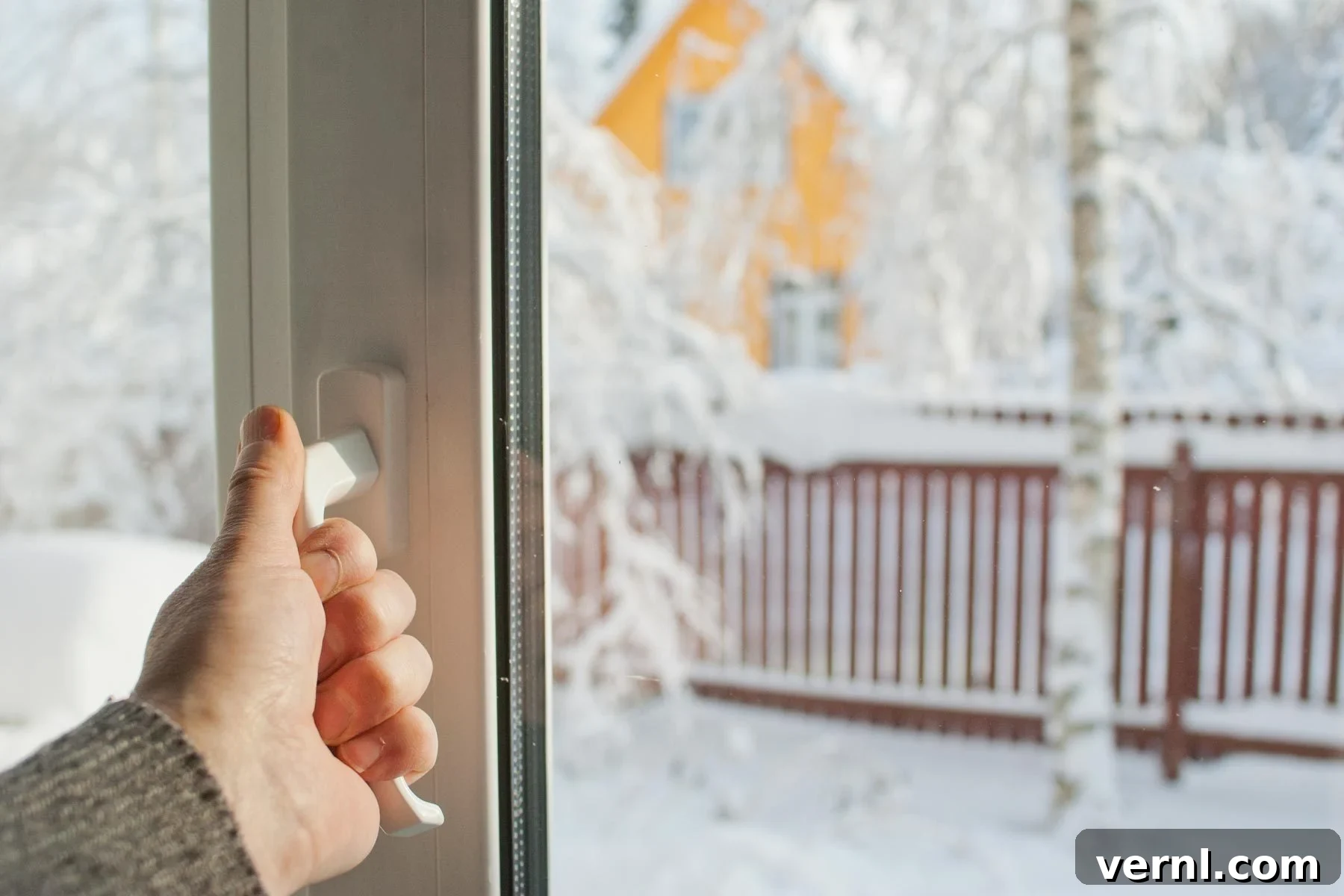
The debate around opening windows in winter is as old as time, or at least as old as central heating. For many, a blast of crisp, fresh air during the colder months is an absolute necessity, a vital antidote to stuffy indoor environments. Yet, for those meticulously monitoring energy consumption and soaring utility bills, the thought of letting precious warmth escape can be a source of immediate alarm. It’s a common scenario: one person yearns for ventilation, while another frets over the thermostat.
I distinctly recall my own experience in an old apartment where the radiators transformed into veritable infernos every November. The only recourse was to pry open a window, often with considerable effort. While my past self was driven purely by comfort, my current understanding, particularly as an electrician, now factors in the intricate dynamics of energy usage, thermal efficiency, and the critical role of humidity in preserving building materials.
This evolving perspective begs a crucial question: Is opening a window in winter ever a genuinely good idea? Can there be a strategic approach to winter ventilation that offers benefits without incurring exorbitant costs or compromising home integrity? Does external weather play a decisive role in this decision-making process? To unravel this long-standing dilemma, I consulted leading experts in indoor air quality, heating, ventilation, and air conditioning (HVAC) systems, alongside a scientist from the National Weather Service, to provide a comprehensive, evidence-based guide.
The Unexpected Benefits of Winter Window Ventilation
Let’s begin by exploring the arguments in favor of cracking a window, even when the temperatures plummet. If you, like me, occasionally feel a touch of claustrophobia in sealed-off spaces, this section might resonate particularly strongly.
According to Allen Rathey, director of the Indoor Health Council, contemporary homes are engineered to be significantly more airtight than structures from previous decades. This enhanced sealing is primarily a result of stricter energy efficiency standards, which, while beneficial for retaining heat, dramatically reduce the natural exchange of air between the interior and exterior environments. Consequently, purposeful winter ventilation, even in short bursts, can deliver several key advantages:
- Significantly Improved Indoor Air Quality (IAQ): Modern living spaces, by design, tend to trap a myriad of indoor air pollutants. Opening a window facilitates the expulsion of stale, oxygen-depleted air and introduces cleaner outdoor air. This process effectively dilutes and removes common indoor contaminants such as elevated carbon dioxide levels (a byproduct of human respiration), volatile organic compounds (VOCs) emanating from cleaning products, furniture, and building materials, and combustion byproducts from gas stoves and fireplaces. Reduced exposure to these pollutants can alleviate respiratory issues, headaches, and general malaise, contributing to a healthier living environment.
- Essential Humidity Control: While the winter air outside often feels crisp and dry, indoor environments can paradoxically suffer from either excessive dryness due to heating systems or, in some areas, undesirable dampness. Overly dry indoor air can lead to uncomfortable symptoms like dry skin, irritated nasal passages, and aggravated respiratory conditions. Conversely, persistently high indoor humidity creates an ideal breeding ground for mold, mildew, dust mites, and bacteria, which can trigger allergies and asthma. Brad Roberson, president of Aire Serv heating and air conditioning, emphasizes that “Fresh air can help regulate indoor humidity levels, preventing excessive dryness and mitigating the risks associated with stagnant, moist air.” Strategic ventilation helps achieve a balanced indoor relative humidity, ideally between 30% and 50%, which is crucial for both comfort and health.
- Effective Odor Removal: Even with the aid of modern range hoods and exhaust fans, persistent odors have a remarkable ability to permeate every corner of a home. Lingering cooking smells, pet odors, or even the scent of strong cleaning products can create an unpleasant atmosphere. Opening a window provides a direct pathway for these unwelcome aromas to dissipate, quickly refreshing the entire living space. Anyone who has lived above a busy restaurant or in an older home with strong, entrenched smells understands the profound relief that fresh air can bring.
- Boosted Mental Well-being: The short, dark days of winter can often cast a shadow on one’s mood, contributing to feelings of lethargy or even Seasonal Affective Disorder (SAD). Introducing fresh air and, when possible, natural light, can have a profound positive impact on psychological health. Roberson notes, “Some people find fresh air invigorating, and it can help improve your mood and overall sense of well-being.” The connection to the outdoors, even if fleeting, can reduce feelings of confinement, improve focus, and promote a sense of vitality, making indoor spaces feel less oppressive and more conducive to productivity and relaxation.
The Significant Drawbacks of Winter Window Ventilation
While the allure of fresh air is strong, there are undeniable downsides to opening windows during the colder months, primarily centered on energy efficiency and associated costs.
The most immediate and significant drawback is the considerable loss of heat. When a window is opened, conditioned, warm air rapidly escapes, and colder outdoor air infiltrates the home. This exchange inevitably triggers your HVAC system to work harder and longer to compensate for the lost heat, striving to maintain the desired indoor temperature. Roberson explains that this increased workload directly “reduces the energy efficiency of your unit and significantly raises your energy bill,” especially if a window is left open in close proximity to the thermostat, which will continuously detect the drop in temperature and call for more heat.
Beyond the personal financial impact, leaving a window open in winter represents a substantial waste of energy from a broader environmental perspective. Unless your home is entirely powered by renewable sources such as solar and wind, your HVAC system relies on electricity or natural gas, both of which are primarily generated from finite fossil fuels. This increased consumption contributes to a larger carbon footprint and the depletion of natural resources. Therefore, even if you are not directly concerned with utility bills, the environmental implications of unnecessary heat loss are considerable and warrant thoughtful consideration.
Is Year-Round Window Opening Ever Recommended?
“Leaving a window open year-round is generally not advisable,” states Roberson, underscoring the seasonal nature of optimal ventilation strategies. “In the winter, it’s usually more energy-efficient to keep windows closed to conserve heat, while in the summer, you might want to open windows to ventilate your home and potentially leverage cooler evening breezes.”
However, the nuance lies in the purpose and duration. “If you’re trying to improve indoor air quality, control humidity, or simply enjoy the benefits of fresh air, opening a window occasionally may be helpful,” Roberson clarifies. “The key is to strike a delicate balance, ensuring that it doesn’t lead to excessive heat loss, uncomfortable drafts, or an overly strenuous demand on your heating system. Utilizing a window briefly during milder winter days or for specific tasks can help achieve the desired benefits without causing your HVAC system to work excessively hard.” This measured approach ensures that fresh air can be introduced without unduly compromising thermal comfort or energy efficiency.
When and How to Thoughtfully Open a Window in Winter
The decision to open a window in winter ultimately rests with the individual homeowner, but experts overwhelmingly advise a judicious and strategic approach. “There is no ‘one-size-fits-all’ solution when it comes to our indoor spaces,” notes Rathey, highlighting the unique characteristics of every home and climate. Roberson concurs, advising: “You can absolutely leave a window open in the winter, but it’s critically important to be selective about when and where you do so.”
Here are several situations where cracking a window might be warranted, along with practical tips for maximizing benefits and minimizing drawbacks:
- In Stuffy or Humid Rooms: Areas like bathrooms, kitchens, and basements can accumulate excessive moisture and stale air. To effectively manage and prevent mold growth, it’s best to maintain indoor relative humidity levels between 30% and 50%. An inexpensive digital hygrometer (temperature and relative humidity meter) can be an invaluable tool. “This device can help show immediate impacts from a slightly opened window, allowing you to gauge its effectiveness and prompt you to close it when too much damp or cold air enters, preventing over-ventilation and unnecessary heat loss,” advises Rathey. After showering, cooking, or doing laundry, a brief window opening can quickly clear excess humidity.
- When Outdoor Air Quality is Favorable: While indoor air can be polluted, outdoor air can sometimes be worse, especially in urban or industrial areas. Air pollution often contains harmful particulate matter and volatile organic compounds (VOCs). Ventilating your home with clean outdoor air can help dilute indoor pollutants, which “may reduce impacts to those with chemical sensitivities, unless the outdoor air is more polluted than inside,” Rathey cautions. Always check your local Air Quality Index (AQI) at AirNow.gov before opening windows. Aim for days with a ‘Good’ or ‘Moderate’ AQI.
- On Sunny and Mild Winter Days: Take advantage of natural warmth and good weather. On days when the sun is shining brightly and outdoor temperatures are milder, even for a few hours, opening a window can introduce fresh air without causing a drastic drop in indoor temperature. This allows your HVAC system a brief reprieve. If you are sensitive to airborne allergens like dust and pet dander (even in winter), ventilating during these times can help reduce these contaminants, as Rathey suggests, by flushing them out of your living space. Consider opening windows on the sunny side of your home to maximize passive solar gain.
- If Your Windows are Secure with Locks: Security is a paramount concern when opening windows, especially on ground floors or during nighttime hours. “An open window can be an entry point for intruders, particularly when you’re asleep or not at home,” Roberson warns. Rathey recommends installing sash locks or window stops that allow windows to open just a few inches. These simple, inexpensive devices can significantly mitigate security concerns while still allowing for adequate air circulation and peace of mind.
Effective Ventilation Techniques for Winter
Beyond *when* to open windows, *how* you do it matters for efficiency:
- Short Bursts are Key: Instead of leaving a window open for hours, opt for short, focused ventilation sessions. Five to ten minutes is often sufficient to exchange a significant volume of indoor air, especially if you create a cross-breeze.
- Cross-Ventilation: Maximizing airflow is achieved by opening windows on opposite sides of a room or house. This creates a natural draft that efficiently flushes out stale air.
- Targeted Ventilation: Focus on opening windows in specific rooms that need immediate air exchange, such as kitchens after cooking or bathrooms after showering, while keeping windows in other, less affected areas closed.
- Timing is Everything: If possible, ventilate during the warmest part of the day, typically mid-afternoon, to minimize heat loss and prevent your heating system from overworking.
Frequently Asked Questions About Winter Window Opening
Should you open windows during extreme weather events?
Absolutely not. It is a dangerous myth that you should open windows during tornadoes or severe thunderstorms. Kate Abshire with the National Weather Service (NWS) firmly states that “wind and hail from thunderstorms can cause glass to shatter, so it’s best to stay away from windows entirely instead of wasting time trying to open them.” Furthermore, in exceedingly rare cases, lightning can enter older homes through small cracks and openings, including those around poorly sealed windows. Prioritize your safety by staying away from windows during severe weather events.
Can you leave a window open while running a dehumidifier?
This is generally not a good idea and is highly inefficient. Dehumidifiers are designed to remove moisture from contained, enclosed spaces. When a window is left open, you are continuously introducing new, often humid, air from outside into the space. This forces the dehumidifier to work constantly and excessively to try and keep up with the incoming moisture, leading to significantly higher energy consumption and reduced effectiveness. It defeats the very purpose of the appliance.
How much does it cost to leave a window open in winter?
The financial cost of leaving a window open is highly variable, depending on numerous factors including your specific climate, the size and insulation quality of your home, and the type, size, and energy efficiency of your HVAC system. However, the cost can be quite significant. To provide a rough estimate, consider a typical 3-ton HVAC unit that consumes approximately 3,000 watts (3 kilowatts) of power per hour when actively heating. Using the national average cost for electricity from October 2024 ($0.177 per kilowatt-hour), if your HVAC system is forced to run for just one additional hour per day due to heat escaping through an open window, your annual electricity bill could rise by approximately $200. This calculation illustrates that even seemingly minor ventilation choices can lead to substantial long-term expenses.
Can opening windows in winter cause pipes to freeze?
While a brief ventilation period is unlikely to cause pipes to freeze, leaving windows open for extended periods, especially in rooms with exposed plumbing or during severe cold snaps, can significantly increase the risk. Cold drafts directly hitting pipes can cause them to freeze and potentially burst, leading to extensive water damage. Exercise extreme caution in frigid temperatures.
Is it safe to open windows at night for fresh air?
Opening windows at night in winter is generally not recommended. Beyond the significant heat loss and increased heating costs, it can lead to uncomfortable drafts, making sleep difficult. More importantly, leaving windows open overnight, especially on lower floors, can compromise home security and make your residence vulnerable to intruders. Prioritize safety and comfort over night-time ventilation in winter.
About the Experts
- Kate Abshire serves as the acting NWS Severe Weather Program Manager within the Severe, Fire, Public, and Winter Weather Services Branch of the National Oceanographic and Atmospheric (NOAA)/National Weather Service.
- Allen Rathey is the distinguished director of the Indoor Health Council, a respected consortium comprising cleaning professionals and health experts dedicated to fostering healthy indoor environments. Rathey previously held presidential roles at the Housekeeping Channel, The Healthy House Institute, and the Healthy Facilities Institute.
- Brad Roberson is a highly regarded heating, ventilation, and air conditioning (HVAC) expert and the current president of Aire Serv. Aire Serv is a trusted name in the industry, renowned for HVAC installation, maintenance, and repair, boasting over 200 locations across both the United States and Canada.
Sources
- AirNow.gov: “U.S. Air Quality Index”
- Energy.gov: “Estimating Appliance and Home Electronic Energy Use”
- Environmental Protection Agency: “Care for Your Air: A Guide to Indoor Air Quality”
- U.S Bureau of Labor Statistics: “Average Energy Prices for the United States, Regions, Census Divisions, and Selected Metropolitan Areas”
[cf]skyword_tracking_tag[/cf]