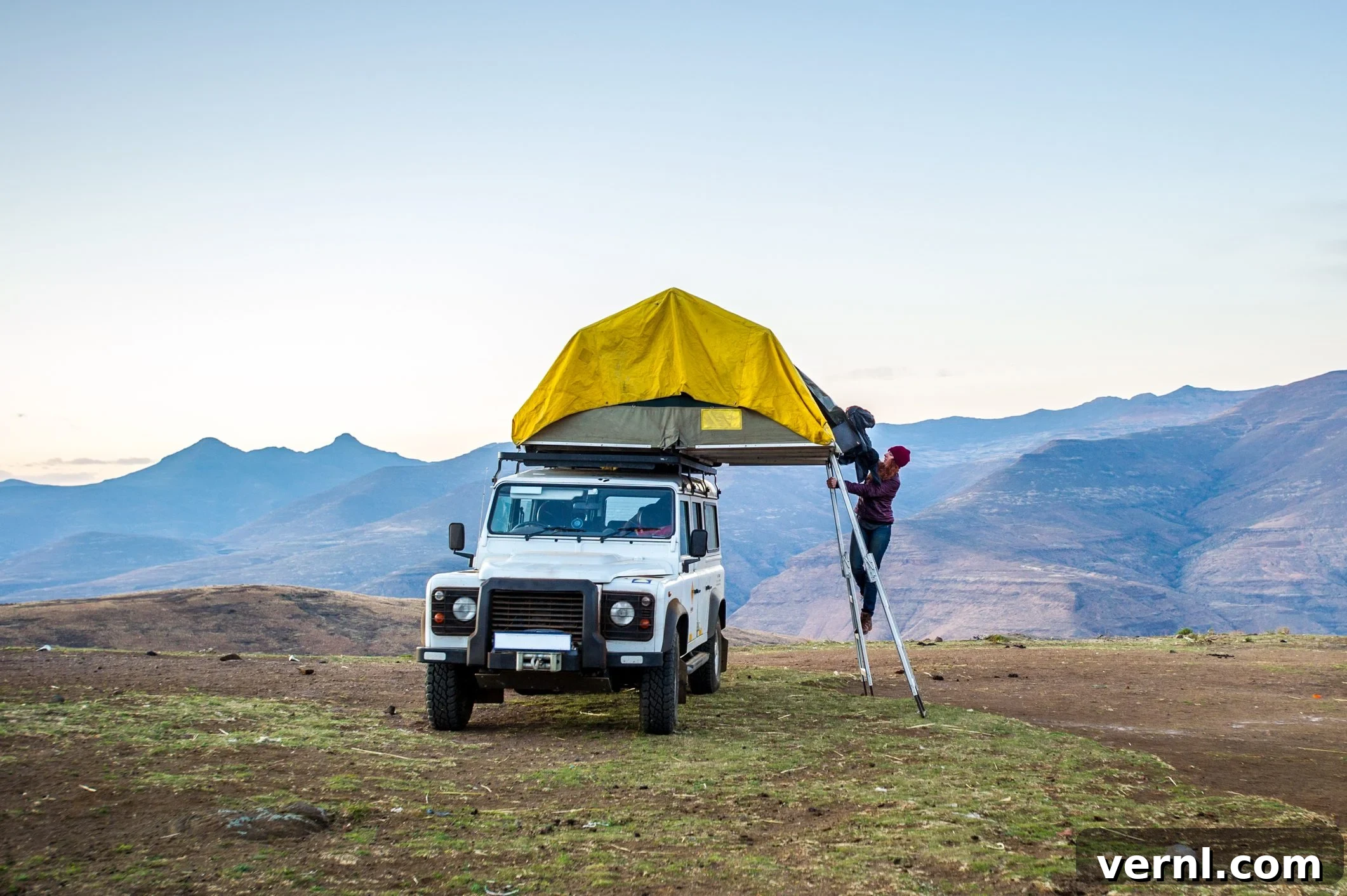
Growing up, my relationship with the outdoors was defined by the rugged spirit of a mountaineer’s daughter. Setting up camp in a torrential downpour, navigating hail storms to pitch a tent, or cooking dinner amidst a relentless swarm of mosquitoes wasn’t just tolerated; it was considered an integral, character-building part of the grand outdoor experience. In my family, the mantra was simple: no complaining allowed. Discomfort was merely a nuance, a footnote in the epic narrative of adventure.
However, my perspective began to shift when I met my now-beau. He shared my profound love for camping, but his extensive time in the Army had instilled in him a different philosophy – he was quite frankly done with “roughing it.” This unexpected divergence sparked a decade-long journey of exploration into alternative camping setups. We experimented with everything from fully equipped vans and elaborate awnings to innovative car and SUV tents. Through countless trips and trial-and-error, we’ve gathered a wealth of knowledge on transforming traditional camping into a more comfortable, yet equally adventurous, pursuit. Now, I’m eager to share those insights with you, helping you redefine your outdoor experiences.
What Are Car and SUV Tents, and Why Choose Them?
Unlike conventional freestanding camping tents that require their own footprint and often feel disconnected from your vehicle, car and SUV tents are ingeniously designed to integrate directly with your automobile. This unique connection serves to expand your living space, offering enhanced comfort and protection. These innovative shelters come in various configurations: some are robust units that perch securely atop your roof, others are custom-fitted to nestle within the bed of a pickup truck, while many are engineered to create a seamless seal with an existing vehicle opening, such as the rear hatch of an SUV or the sliding door of a van. This direct link to your vehicle often provides advantages like access to power, climate control, and additional storage, fundamentally elevating the camping experience from basic shelter to a more sophisticated mobile basecamp. Furthermore, many models can be seamlessly paired with awnings, providing essential additional shade, enhanced privacy, and crucial protection from wind and rain, making your outdoor retreat even more enjoyable.
Essential Considerations When Buying a Car and SUV Tent
Investing in a car or SUV tent is a significant decision that can profoundly impact your outdoor adventures. Beyond simply deciding where the tent will connect to your vehicle, a careful evaluation of several key factors will ensure you select a model that perfectly aligns with your camping style, vehicle, and budget. Here are the crucial aspects to consider before making your purchase:
- Climate Versatility: Your camping environment dictates the type of tent you need. Are you primarily a fair-weather camper, or do you brave the elements year-round?
- Three-Season Tents: Ideal for spring, summer, and fall, these tents prioritize ventilation and offer moderate protection against rain and wind. They typically feature ample mesh windows and lighter fabrics to keep you cool in warmer temperatures. As Alyssa Gallop, an avid camper and outreach specialist with Napier Outdoors, advises, “If you’re going somewhere warm, a tent with lots of windows and an awning is better.”
- Four-Season Tents: Engineered for extreme conditions, including heavy snow, strong winds, and freezing temperatures. These tents boast thicker, more durable materials, enhanced insulation, and often a robust rainfly for superior waterproofing and protection. “A tent with a rainfly [a waterproof cover over a tent] and thicker material is better for trips in the rain or snow,” Gallop adds, emphasizing their resilience.
- Quality of Materials and Craftsmanship: The longevity and performance of your tent depend heavily on its construction. Less expensive models might compromise on material quality, leading to premature wear and tear. Look for:
- Fabric Durability: Rugged, ripstop nylon or polyester with high denier counts (e.g., 300D or higher) offers superior resistance to abrasions, tears, and UV degradation. Proper UV treatment is crucial for extended outdoor exposure.
- Seam Reinforcement: Double-stitched seams and factory-sealed waterproof seams prevent leaks and ensure structural integrity.
- Tent Poles: Aluminum poles generally offer a better strength-to-weight ratio and greater tensile strength than fiberglass, making them less prone to snapping in high winds.
- Mesh Screens: High-density, fine-weave mesh is essential not only for ventilation but also for keeping out smaller insects like no-see-ums and mosquitoes, ensuring a comfortable, bite-free night.
- Zippers: Quality zippers (like YKK) are vital for smooth operation and durability, as they are a common point of failure in lower-quality tents.
- Cost vs. Value: Vehicle tents represent a significant investment, ranging from a few hundred to several thousand dollars. While ground tents are generally more affordable, rooftop models command higher prices due to their complex engineering, specialized materials, and integrated features. Consider the long-term value, durability, and features offered relative to the price. Sometimes, a higher initial investment can save money on replacements and repairs down the line, ultimately enhancing your camping experience for years to come.
- Occupancy and Size: How many people will comfortably sleep in the tent? Consider not just sleeping space but also room for gear, movement, and potential annexes for larger families or extended trips.
- Ease of Setup and Teardown: Some tents deploy in minutes, while others require more effort, poles, and staking. Evaluate your patience and desired level of convenience, especially if you plan frequent or quick overnight trips.
- Vehicle Compatibility: Ensure the tent is designed to fit your specific vehicle make, model, and year. Pay close attention to attachment mechanisms, roof rack requirements, and weight capacities.
- Storage and Portability: When not in use, how easily can the tent be stored? Consider its folded dimensions and weight, especially for rooftop models that may need to be removed during the off-season.
- Integrated Features: Modern tents often come with exciting additions like built-in LED lighting, USB charging ports, gear hammocks, shoe bags, and telescoping ladders. Assess which features would genuinely enhance your camping comfort and convenience.
Hardshell Rooftop Tents: The Pinnacle of Convenience
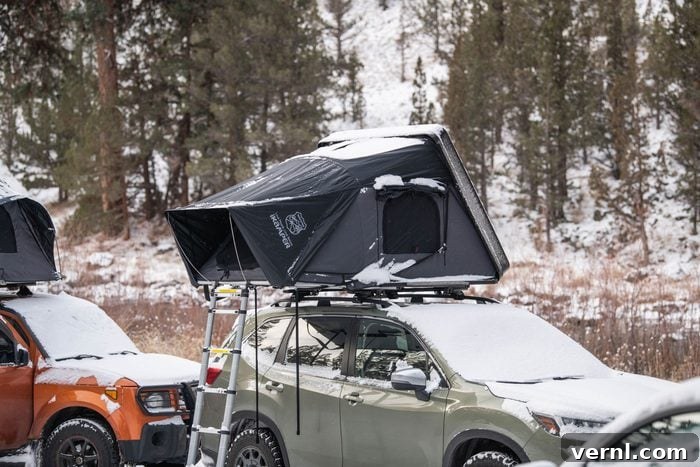
Hardshell rooftop tents represent a revolution in elevated camping, allowing you to sleep comfortably and securely on top of your vehicle. These robust shelters are characterized by their rigid floor and ceiling, typically constructed from durable materials like aluminum or composite plastics, which provide excellent insulation and protection. The walls are usually made from heavy-duty canvas or rugged nylon, offering exceptional weather resistance. Crucially, hardshell tents anchor securely to a roof rack system, ensuring stability during travel and while deployed.
When you’re on the move, these tents fold down into an incredibly compact, aerodynamic rectangle, often no more than six to twelve inches tall, minimizing drag and blending seamlessly with your vehicle’s profile. Upon arrival at your campsite, the magic happens: they effortlessly pop open, usually with the assistance of powerful gas-powered struts. This ingenious mechanism transforms them from a sleek rooftop box into a spacious sleeping area in mere moments, embodying the essence of rapid deployment.
Hardshell rooftop tents come in a variety of shapes and sizes to suit different preferences and vehicle types. Popular designs include classic rectangular shapes, exemplified by robust models like the James Baroud Grand Raid, offering generous interior volume. Clamshell designs, such as the sleek Roofnest Falcon, are known for their incredibly fast setup and low profile. Hybrid models, like the versatile iKamper Skycamp 3.0 four-person tent, combine elements of both, often featuring an expandable sleeping platform for increased capacity. Some specialized models, such as the iKamper Skycamp 3.0 Mini, are specifically designed to fit smaller cars, expanding the accessibility of rooftop camping. Furthermore, many hardshell tents can be augmented with attachable ground tents and annex rooms, like the Roofnest Condor Annex, significantly expanding protected living and storage space around your vehicle.
“Rooftop tents are best for those who want to maximize their weekends,” says Nick Jaynes, camping enthusiast and director of communications at Roofnest. “With bedding inside the tent and a 120-second driver’s seat to sleeping bag time, campers can head out after work, hit camp after dark, quickly get to bed, and wake up in the backcountry ready for adventure.” This emphasis on convenience and immediate readiness makes hardshell rooftop tents an ideal choice for spontaneous adventurers and overlanding enthusiasts.
Pros of Hardshell Rooftop Tents: Unparalleled Advantages
- Lightning-Fast Setup: One of the most significant benefits is the unparalleled speed of deployment. With gas-strut assistance, most hardshell tents can be fully set up in just a minute or two, transforming a travel configuration into a comfortable sleeping space almost instantly. This means more time enjoying your surroundings and less time struggling with poles and stakes.
- Versatile Terrain Camping: Hardshell rooftop tents excel in challenging environments. You can comfortably camp on ground that’s muddy, rocky, uneven, or covered in dense vegetation, as your sleeping platform remains elevated and level, regardless of the terrain below.
- Enhanced Safety from Wildlife: Being elevated significantly minimizes encounters with dangerous or nuisance animals like scorpions, snakes, spiders, and even larger ground-dwelling creatures, offering greater peace of mind during your slumber.
- No Ground Stakes Required: The self-contained nature of rooftop tents means there’s no need to drive stakes into the ground, simplifying setup and teardown, and leaving no trace on sensitive ecosystems.
- Maximized Vehicle Cargo Space: Since your bedding, pillows, and even a sleeping bag can often be stored permanently inside the closed tent, it frees up valuable interior cargo space in your vehicle for other essential gear and supplies.
- Panoramic Views: Being elevated off the ground provides superior vantage points, allowing you to wake up to breathtaking panoramic views of your campsite and surrounding landscape.
- Superior Durability and Weather Protection: Most hardshell tents feature thicker walls and robust materials compared to traditional ground tents, offering enhanced insulation, noise reduction, and superior protection against harsh winds, heavy rain, and even light snow. Their rigid structure also provides an extra layer of security.
Cons of Hardshell Rooftop Tents: A Few Trade-offs
- Limited Living Space: While comfortable for sleeping, the enclosed living space within a hardshell tent is typically smaller than many ground tents, which can be restrictive for larger groups or during extended periods indoors.
- Impact on Fuel Efficiency: The added weight and aerodynamic drag of a hardshell tent mounted on your roof will almost certainly lead to a noticeable decrease in your vehicle’s gas mileage, often costing you at least a couple of miles per gallon.
- Altered Vehicle Dynamics: The weight positioned high on your vehicle can create a top-heavy feel, potentially impacting vehicle handling, especially on winding roads or at higher speeds. It can also place additional wear and tear on your vehicle’s suspension system.
- Significant Expense: Hardshell rooftop tents represent a considerable investment, typically ranging from $1,500 to $5,000, making them a higher barrier to entry compared to most traditional tents.
- Ladder Access Required: Getting in and out of bed always involves climbing a ladder, which can be inconvenient, especially during nighttime bathroom breaks or for campers with mobility issues, small children, or pets.
- Weight and Installation/Removal: With weights ranging from 100 to 220 pounds or more, these tents are cumbersome to install and remove from your roof, often requiring multiple people or specialized equipment like a garage hoist.
- Restricted Roof Cargo Space: Depending on the model and size, a hardshell rooftop tent can significantly limit or entirely consume the available space for other roof-mounted cargo, such as bikes, kayaks, or additional storage boxes.
Softshell Rooftop Tents: Flexible and Spacious
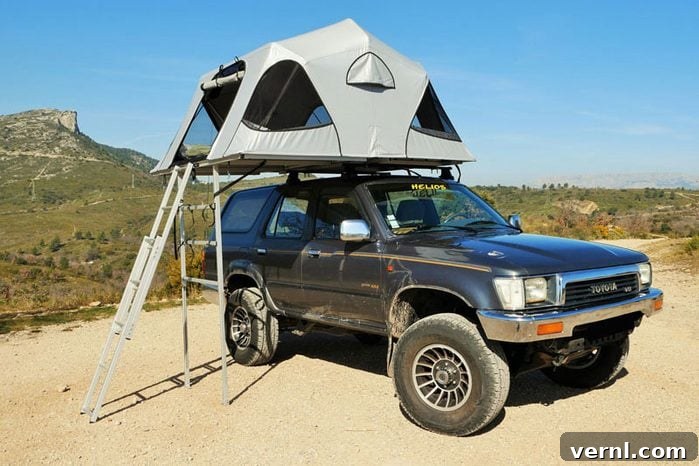
Softshell rooftop tents share many core principles with their hardshell cousins, offering an elevated sleeping platform above your vehicle. However, their primary distinction lies in their construction and deployment mechanism. Instead of a rigid top and bottom, softshell tents typically feature a robust canvas or soft plastic cover that protects the folded tent fabric. When packed, they rest on a rigid platform, but instead of popping straight up, they typically fold out or accordion upward from a base, deploying a series of internal poles to create the tent structure.
Notable softshell models often showcase innovative designs. The Yakima Skyrise HD, for instance, offers versatile mounting options, capable of being secured to the roof or integrated with one of Yakima’s convenient multi-level gear trailers. For those needing to balance sleeping space with other gear, the Thule Tepui Foothills stands out by folding into a more compact footprint, leaving valuable room on your roof rack for additional equipment. The James Baroud Vision is unique as one of the few softshells to incorporate gas piston-assisted opening, bridging the gap between softshell flexibility and hardshell convenience. For campers seeking a reliable yet budget-friendly option, the Smittybilt Overlander remains a popular choice, delivering quality without the premium price tag.
Softshell Rooftop Tent Pros (Compared to Hardshells):
- Lighter Weight: Softshells are generally lighter, often weighing 20 to 50 pounds less than comparable hardshells. This makes them easier to install and remove, and they have less impact on your vehicle’s handling and fuel efficiency.
- More Spacious Designs: Because they fold out over the vehicle roof and sometimes extend beyond its footprint, softshell tents often offer a more spacious interior living area, accommodating more campers or providing extra room for gear.
- More Affordable Entry Point: Typically, softshell rooftop tents are significantly cheaper, ranging roughly from $1,000 to $1,800. This makes them a more accessible option for those wanting to experience rooftop camping without the higher investment of a hardshell.
- Smaller Footprint: Many softshell models, especially when folded, present a smaller overall footprint on your roof rack, making them often better suited for smaller cars, sedans, or vehicles with less extensive roof rack systems, where maximizing space is key.
Softshell Rooftop Tent Cons (Compared to Hardshells):
- Longer Setup Time: While quicker than traditional ground tents, softshells generally take more time to set up compared to hardshells. The process often involves unfolding, extending poles, and securing fabric, and some larger models might even require two people for optimal deployment.
- More Complex Setup: The setup often includes a more traditional tent pitching process involving internal poles, and sometimes even guy lines and tent stakes to properly secure annexes or maintain stability in windy conditions.
- Reduced Durability: With more exposed fabric and fewer rigid components when packed, softshells can be less durable in the long run, more susceptible to wear and tear, and may require more careful handling and maintenance compared to their hardshell counterparts.
- Thicker Folded Profile: When packed, softshell tents typically have a thicker profile (usually around 12 inches or more). This increased height can create more wind resistance, potentially leading to worse gas mileage than the more aerodynamic hardshells.
- Less Weatherproof and Insulated: The fabric construction, while robust, often offers less inherent insulation and sound dampening than the rigid walls of a hardshell. This can result in a colder interior in chilly weather, and potentially noisier nights on windy evenings due to fabric flapping.
What to Look For and Consider in All Rooftop Tents: Essential Buying Tips
Regardless of whether you choose a hardshell or softshell model, there are universal features and considerations that apply to all rooftop tents, ensuring you make an informed decision for maximum comfort and safety:
- Roof Rack Compatibility: This is paramount. If your chosen tent doesn’t come with an integrated roof rack, you will undoubtedly need to purchase one separately. Furthermore, if you already have an existing roof rack, it’s absolutely critical to check its specifications. Ensure it can safely handle the combined static weight of the tent plus its occupants when stationary, as well as the dynamic weight and wind-resistance while driving. Overloading a roof rack can be dangerous.
- Integrated Mattress Quality: The quality of the sleeping surface directly impacts your comfort. Integrated foam mattresses are generally quicker to set up than separate inflatables. Beyond that, consider the mattress thickness (aim for at least 2-3 inches for good support), and look for features like memory foam layers for enhanced comfort or extra insulation for colder climates. Many high-quality tents come with anti-condensation mats beneath the mattress to prevent moisture buildup.
- Deployment Ease – Watch Videos: Product descriptions and photos can be misleading. Always try to find a video of someone setting up and packing down the exact tent model you’re considering. This offers an invaluable real-world perspective on how easy or complex the model actually is to deploy, especially if you anticipate frequent use or solo trips.
- Ventilation and Rainfly Design: Ample windows with fine mesh are crucial for airflow and bug protection. Look for multi-directional windows and vents to control interior temperature. A well-designed rainfly, ideally extending beyond the tent walls, is essential for superior waterproofing and often creates small vestibules for shoe storage, protecting them from the elements.
- Ladder Quality and Stability: The ladder is your primary access point, so its quality matters. Look for sturdy, telescopic aluminum ladders that are easy to adjust for different vehicle heights and feel secure when climbed. Some models offer wider steps or handrails for added comfort and safety.
- Connectivity and Creature Comforts: Many modern rooftop tents include thoughtful extras to enhance your camping experience. Look for features like built-in LED lighting for nighttime visibility, USB outlets for charging devices, internal gear hammocks or pockets for organizing essentials, and external racks that allow you to put other cargo (like solar panels or recovery boards) on top of the closed tent.
- Annexes and Awnings: Consider if the tent offers optional annexes or compatibility with attachable awnings. These can significantly expand your sheltered living space, providing an enclosed area for changing, cooking, or just relaxing outside the sleeping compartment.
Tailgate and Side-Door Tents: Seamless Vehicle Integration
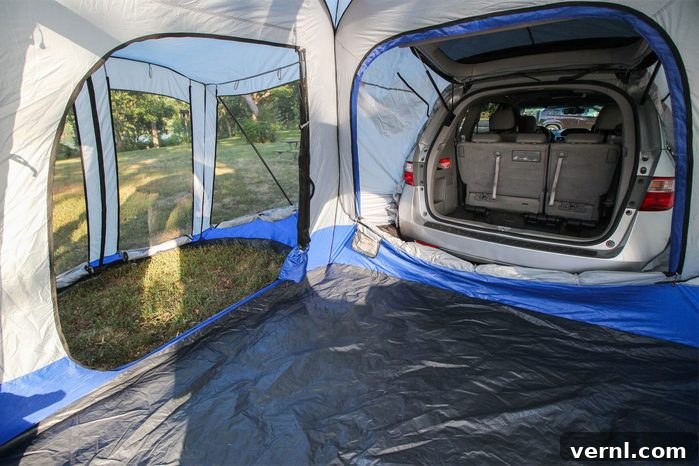
Tailgate and side-door tents offer a versatile and often more spacious alternative to rooftop options, resembling traditional standalone camping tents but with a crucial difference: they seamlessly attach to the back hatch or a sliding side door of your vehicle. This ingenious design effectively expands your living space directly into your car, SUV, van, or even some pickup trucks, turning your vehicle into an integrated part of your campsite. They are particularly popular as “SUV tents” due to their excellent compatibility with the rear hatches of these vehicles, but many models are also designed to fit a broader range of cars, vans, and pickup trucks, offering a truly adaptable solution for many outdoor enthusiasts.
Several notable models highlight the innovative features available in this category. The Napier Sportz SUV Tent with Screen Room is a prime example, connecting securely to the tailgate and boasting an expansive 6-foot by 7-foot screened room. This additional space is perfect for bug-free dining, socializing, or simply relaxing, and it includes an extendable awning for extra shade. An optional footprint is also available to protect the tent floor and offer added comfort. Another excellent option is the Overland Vehicle Systems Safari Quick Deploying Ground Tent, which stands out for its easy detachment from SUV and van side doors. Its freestanding design is a significant advantage, allowing you to drive your vehicle away for day trips or errands without having to break down your entire camp setup.
Pros of Tailgate and Side-Door Tents: Integrated Comfort and Space
- Ample Standing Height: One of the primary advantages is their generous interior height. Most models are tall enough for adults to stand comfortably upright inside, making changing clothes, moving around, and generally living within the tent much more pleasant than in lower-profile tents.
- Exceptional Roominess: These tents are often designed to be quite spacious, capable of accommodating larger families or groups with ease. Their expansive layouts also provide significant room for gear storage, inflatable mattresses, and even a small table and chairs, creating a true home away from home.
- Dual Functionality (Standalone Option): Many tailgate and side-door tents are cleverly designed to function as standalone ground tents. This invaluable feature means you can easily detach the tent from your vehicle and drive away for day excursions, grocery runs, or exploring nearby attractions, all without the hassle of completely breaking down your campsite.
- Direct Vehicle Access: The direct connection to your vehicle provides immediate access to its interior. This means you can easily retrieve items from your car, utilize its power outlets for charging devices, or even benefit from its climate control during extreme weather conditions, significantly enhancing comfort.
Cons of Tailgate and Side-Door Tents: Potential Drawbacks
- Longer Setup Time: While offering great space, these tents typically require a more involved setup process compared to rooftop tents. They often involve traditional tent poles, sleeves, and staking, which can take a while to assemble, especially for larger models or first-time users.
- Requires Level, Spacious Ground: Due to their larger footprint and ground-level design, these tents necessitate a relatively large, flat, and level area adjacent to your vehicle for proper pitching. Finding such a spot, particularly in crowded campgrounds or uneven backcountry, can sometimes be a challenge.
- Potential for Leaks and Critter Entry: A snug fit is crucial. If the tent doesn’t seal perfectly to your vehicle’s opening, it can create gaps. These gaps can unfortunately allow rainwater to seep in during storms or provide easy entry points for insects and other small critters, compromising your comfort and protection.
- Vehicle Immovability (for non-freestanding models): If you choose a model that is not freestanding, your vehicle essentially becomes part of the tent’s structure. This means you cannot move your car without completely disassembling and repacking the tent, which can be a significant inconvenience if you need to drive somewhere during your stay.
Truck Tents: Elevated Comfort for Pickup Owners
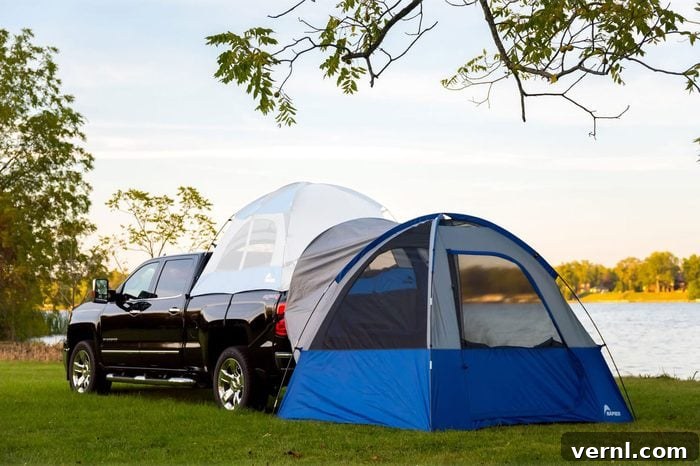
Truck tents offer a clever and often economical solution for pickup truck owners looking to elevate their camping experience without investing in a full-blown rooftop tent. These specialized shelters are designed to pitch directly within the bed of your truck, transforming your cargo area into a comfortable, off-the-ground sleeping space. Models like Napier’s Backroadz Truck Tent exemplify this design, providing an enclosed, elevated environment that keeps you away from damp ground and ground-dwelling critters. They are an affordable option for reaping the benefits of sleeping off the ground, but they do come with a significant consideration: you’ll need a practical place to relocate all the cargo that typically resides in the back of your truck.
Addressing the cargo dilemma, one effective solution is to combine a truck-bed tent with a tailgate tent or annex. This creates a much larger amount of protected living and storage space, allowing you to keep your gear accessible but out of the sleeping area. Alternatively, for those seeking to preserve their truck bed for cargo while still enjoying an elevated sleep, mounting a rooftop tent onto the cab of your truck or on a specialized rack installed above your truck bed is an excellent choice. Both of these latter options effectively preserve your precious cargo space, offering greater versatility for overlanding and extended trips, though they typically cost considerably more than a simple truck-bed tent.
Pros of Truck Tents:
- Elevated Sleeping Platform: Keeps you off the cold, wet, or uneven ground, providing a cleaner and often warmer sleeping environment.
- Relatively Affordable: Generally one of the more budget-friendly vehicle-integrated camping solutions.
- Utilizes Existing Space: Leverages the inherent structure of your pickup truck, converting its bed into a functional sleeping area.
- Quick Setup for Many Models: Some designs are quite simple to set up, resembling traditional pole tents but customized for the truck bed.
Cons of Truck Tents:
- Sacrifices Truck Bed Space: The most significant drawback is that the tent occupies your entire truck bed, meaning all existing cargo must be removed or relocated.
- Limited Headroom: Compared to many tailgate or SUV tents, the headroom can be more restricted, especially towards the front of the truck bed.
- Vehicle Must Remain Stationary: Like many integrated tents, your truck cannot be driven away without disassembling the tent.
- Bed Length Compatibility: You must ensure the tent is compatible with your truck bed’s specific length (short bed, standard bed, long bed).
Awnings: Instant Shelter and Expanded Outdoor Living

Vehicle awnings are perhaps the quickest and most versatile way to add essential shelter from the elements, significantly enhancing your outdoor living space. They are indispensable for creating a comfortable respite from harsh sun, unexpected rain showers, persistent wind, or bothersome dust, turning an exposed campsite into a functional and enjoyable outdoor room.
These innovative shelters come in various configurations to suit different vehicle types and camping needs. Many popular models extend directly from the side of your vehicle, providing a broad area of coverage. A fantastic example is the MoonShade Awning, which offers impressive portable coverage and can easily mount to cars, SUVs, and vans. It even offers an optional privacy wall, transforming the open awning into a more secluded changing room or protected lounge area. Other awnings are designed to extend specifically from the back of your vehicle, making use of the rear hatch for support and creating an excellent covered cooking or dining space, such as the lightweight and adaptable Kelty Waypoint Tarp. For maximum flexibility and protection, some advanced systems, like the Roofnest Litewing, are engineered to retract and extend in a wrap-around fashion, offering expansive coverage along multiple sides of your vehicle, ensuring you’re shielded from the elements no matter their direction.
Pros of Vehicle Awnings:
- Instant Shade and Shelter: Deploys quickly to provide immediate protection from sun, rain, and light wind, creating a comfortable outdoor zone.
- Expanded Living Space: Effectively extends your campsite’s usable area, perfect for cooking, dining, relaxing, or working outdoors.
- Versatile Mounting: Available for side, rear, or even wrap-around mounting, compatible with most roof rack systems on cars, SUVs, vans, and trucks.
- Adds Privacy: Optional walls or enclosures can transform an open awning into a private changing room, shower area, or enclosed living space.
- Relatively Affordable: Generally a more economical addition to your camping setup compared to full tents, offering great value for the comfort provided.
Cons of Vehicle Awnings:
- Wind Vulnerability: Large fabric surfaces can be susceptible to strong winds, requiring careful anchoring with guy lines and stakes, and potentially needing to be stowed in extreme weather.
- Vehicle Remains Stationary: While deployed, the awning relies on your vehicle for support, meaning you can’t easily drive away without retracting it.
- Not Fully Enclosed: Standard awnings provide overhead and partial side protection but are not fully enclosed unless additional walls are purchased, leaving you exposed to bugs or colder cross-winds.
Embark on Your Next Comfortable Outdoor Adventure
The world of car and SUV tents has truly transformed the camping landscape, offering a spectrum of solutions that cater to every adventurer’s desire for comfort, convenience, and connection with nature. From the rapid deployment and elevated security of hardshell rooftop tents to the spacious flexibility of softshell models, the integrated living space provided by tailgate and side-door tents, and the practical utility of truck-bed tents, there’s an innovative solution for every vehicle and camping style. Augmenting these setups with versatile awnings further enhances your outdoor living, providing instant shelter and expanding your functional space.
Gone are the days when roughing it was the only badge of honor in the wilderness. Today, you can embrace the beauty of the outdoors without sacrificing essential comforts. By carefully considering your specific needs, budget, and desired level of convenience, you can select the perfect car or SUV tent setup that will elevate your adventures, making every trip a truly memorable and enjoyable experience. So, gear up, choose wisely, and get ready to redefine your outdoor journey!