
Upgrading a bathtub can dramatically change the overall look, feel, and functionality of your bathroom. Far more than just a utilitarian fixture, a well-chosen tub can transform your bath from a simple washing area into a luxurious, at-home oasis where relaxation and comfort take center stage. Whether you seek more spacious bathing, a deeper soaking basin, or a visually stunning centerpiece, the right bathtub can elevate your daily routine and enhance your home’s value.
This comprehensive guide will take you through the diverse types of bathtubs available today, delve into the various materials they are crafted from, discuss standard sizing options, and provide insights on where to purchase your new tub. We’ll also explore the financial considerations involved in a bathtub upgrade, including both purchase and installation costs, helping you decide between a DIY approach or professional installation.
Understanding the Basic Types of Bathtubs
Bathtubs are primarily categorized by their physical style, installation method, and intended purpose. Each type offers unique benefits and design aesthetics, making them suitable for different bathroom layouts and user needs. Let’s explore the most common varieties.
Alcove Bathtub: The Practical Standard
An alcove tub is arguably the most common type of bathtub found in homes, primarily due to its space-efficient design. It is flanked on three sides by walls, creating a cozy and integrated bathing area. This configuration allows manufacturers to produce “skirted” or “apron” tubs, which feature a finished front panel (the apron) and unfinished sides designed to meet the wall cavity. This design often makes alcove tubs more affordable than other styles, as less finished material is required. While some alcove tubs are purely for bathing, the popular shower and tub combination frequently falls into this category, offering versatility in bathrooms where space is at a premium. They are an excellent choice for family bathrooms and those looking for a practical, robust solution.
Freestanding Bathtub: A Statement of Luxury
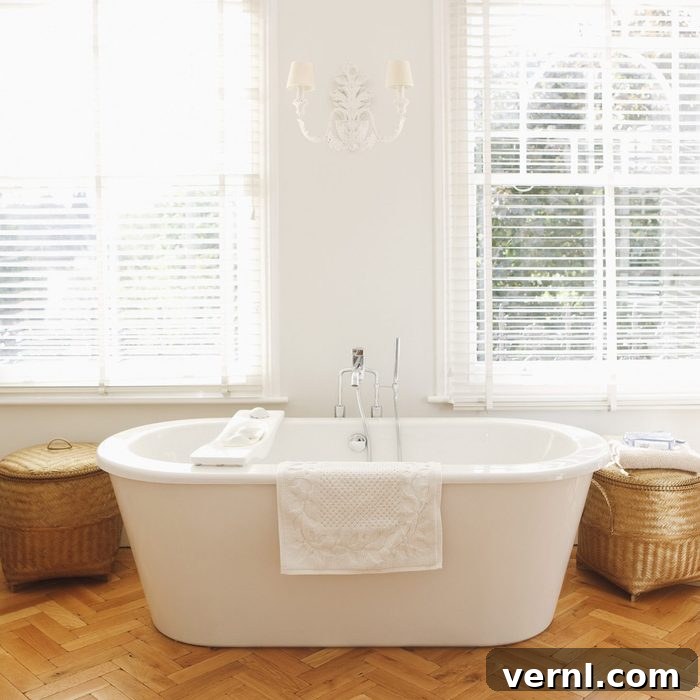
Freestanding tubs are revered for their luxurious aesthetic and ability to serve as a stunning focal point in any bathroom. Unconnected to walls on any side, they offer a sense of spaciousness and elegance. This category boasts several variations:
- Clawfoot Tubs: These classic tubs stand on four decorative feet, often evoking a vintage or Victorian charm. Clawfoot tubs are timeless pieces that add character and history to a bathroom design.
- Pedestal Tubs: Featuring a solid, single base that extends to the floor, pedestal tubs offer a more modern and streamlined look compared to clawfoot styles, while still maintaining that distinctive freestanding appeal.
- Slipper Tubs: A slipper tub is characterized by a rim that swoops up at one or both ends, providing ergonomic support for reclining, making for an exceptionally comfortable and luxurious soak. Double-slipper tubs elevate both ends, allowing for comfortable bathing facing either direction.
Freestanding tubs require careful consideration of plumbing, as supply lines and drains often need to be routed through the floor, rather than within walls.
Walk-in Bathtub: Accessibility and Safety
A walk-in tub is specifically designed with accessibility in mind, featuring a watertight door that swings open to allow for easy entry and exit without needing to step over a high tub wall. This makes them an invaluable choice for seniors, individuals with mobility challenges, or anyone prioritizing safety in the bathroom. It’s important to note that the tub must be filled and drained while the user is seated inside with the door closed, which means bathing time will be slightly longer due to the filling and draining process. Many walk-in tubs also incorporate features like built-in seats, grab bars, and hydrotherapy jets to enhance comfort and safety.
Drop-in Bathtub: Seamless Integration
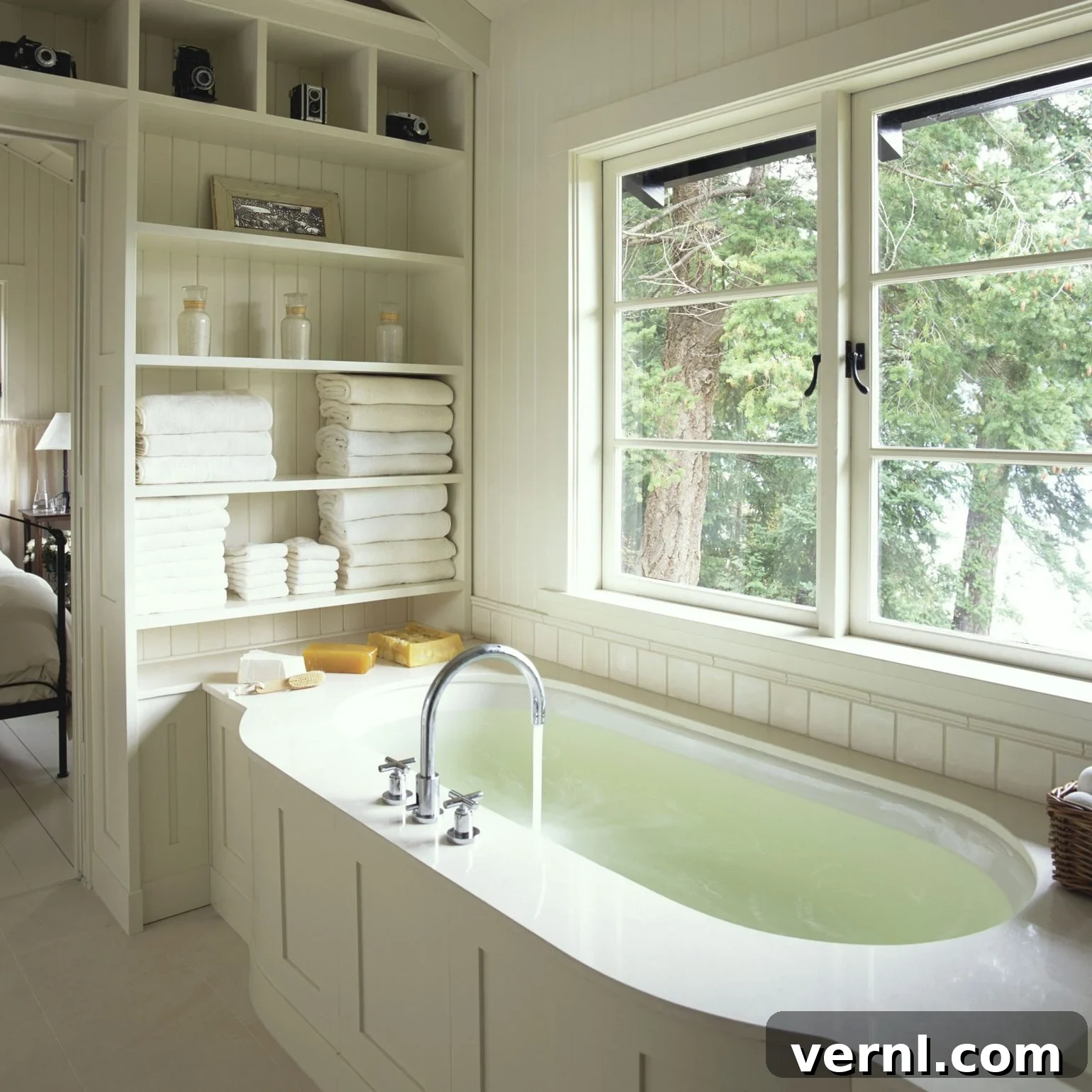
While a walk-in tub describes user entry, a drop-in tub refers to its installation method. Much like a drop-in sink, a drop-in tub is installed into a custom-built deck or frame. The tub’s rim rests on the supporting structure, creating a seamless, built-in look. These tubs are excellent for creating a luxurious centerpiece in a bathroom, especially when surrounded by a tiled or stone base, often referred to as an “island tub.” Despite having fewer finished surfaces compared to freestanding tubs, their larger size and the extensive labor and materials required for their surrounding enclosure typically place them on the higher end of the price spectrum. The enclosure can be customized with various materials like tile, marble, or wood, allowing for incredible design flexibility.
Undermount Bathtub: A Refined Variation of Drop-in
An undermount tub is a sophisticated variation of the drop-in style. Instead of the rim resting on top of the supporting enclosure, it is mounted to the underside, creating a sleek, seamless transition from the deck material to the tub basin. This installation method is similar to the distinction between drop-in and undermount sinks, offering a clean and minimalist aesthetic where the edge of the surrounding material is often flush with the tub’s interior. Undermount tubs typically require a more precise installation and often feature premium materials for both the tub and its surrounding deck.
Corner Bathtub: Maximizing Space and Style
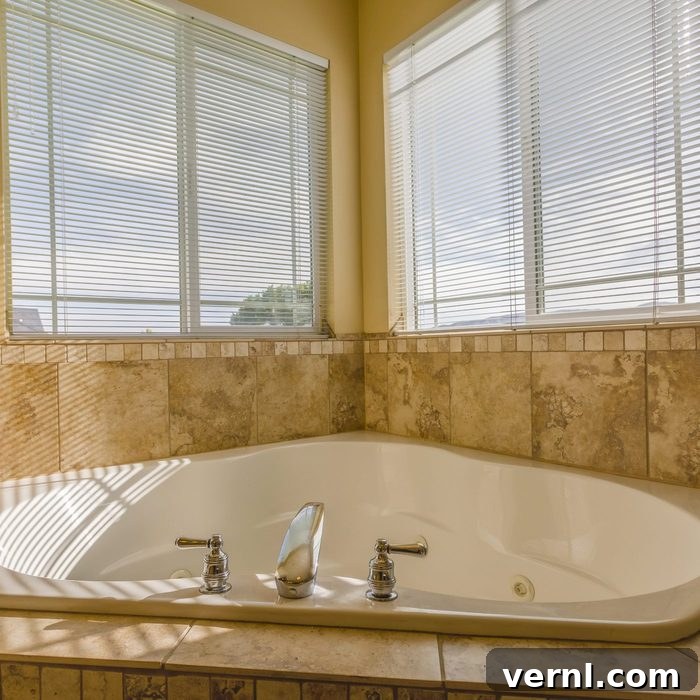
A corner tub is ingeniously designed to fit snugly into the corner of a bathroom, making efficient use of often underutilized space. While always triangular or L-shaped to accommodate a corner, these tubs come in a variety of layouts. Some are perfect squares with two finished sides, while others boast a more rounded or triangular shape with a single finished side. A corner tub can be designed for an alcove installation, or function as a drop-in or undermount style. They are frequently found with luxurious features such as jetted or whirlpool functions, making them a popular choice for master bathrooms where relaxation is a priority. Their unique footprint often allows for a more spacious bathing experience than a standard alcove tub in a similar sized room.
Soaking Bathtub: The Ultimate Relaxation
Beyond installation styles, certain tubs are defined by their specific features and purpose. Soaking tubs are designed with increased depth to hold more water, allowing for full-body immersion and a truly luxurious bath experience that can feel like floating in a personal pool. These oversized tubs prioritize comfort and relaxation, often incorporating ergonomic designs, flat bottoms, or elegant slipper shapes. You’ll most commonly find soaking tubs in freestanding or drop-in/undermount configurations due to their larger dimensions and the structural support needed for the greater water volume. They are perfect for those who cherish long, indulgent baths and seek the therapeutic benefits of a deep soak, perhaps enhanced by bath products for ultimate tranquility.
Whirlpool/Spa Bathtub: Hydrotherapy at Home
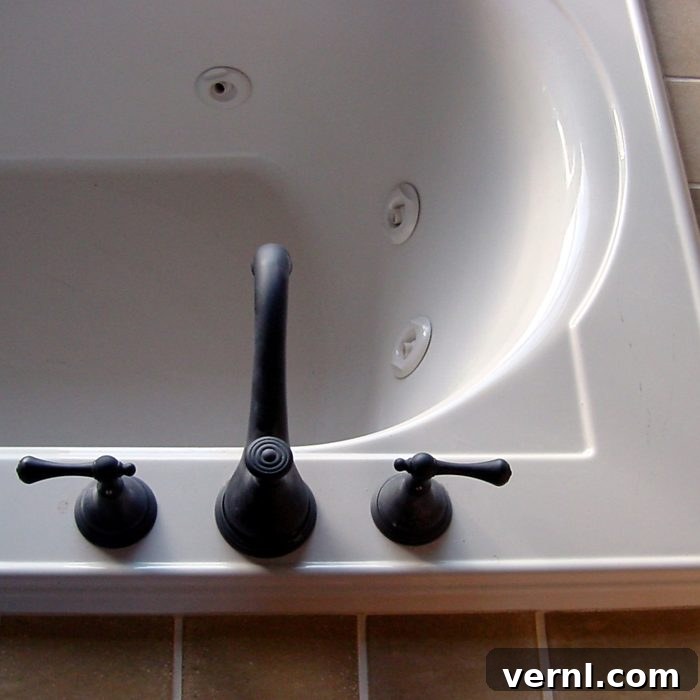
Whirlpool tubs, often referred to as spa tubs or jetted tubs, are equipped with jets that pump pressurized water, creating a invigorating and relaxing massage sensation. Some advanced models also feature inline heaters to maintain a consistent water temperature, ensuring your long soak remains warm and comfortable. It’s worth noting that “Jacuzzi” is a specific brand of whirlpool tub, though the name is often colloquially used to describe all jetted tubs. These tubs offer hydrotherapy benefits, helping to soothe sore muscles, reduce stress, and improve circulation. They can come in various styles, including alcove, corner, and drop-in, making them adaptable to different bathroom designs. For the ambitious DIYer, installing a whirlpool tub can be a rewarding project, though it requires specific plumbing and electrical considerations.
What Are Common Bathtub Materials?
The material of your bathtub significantly impacts its durability, weight, heat retention, cost, and overall aesthetic. Understanding the properties of common materials is crucial for making an informed decision.
Acrylic and Fiberglass: Popular and Practical
Tubs made from acrylic or fiberglass are currently the most popular choice for homeowners. They are lightweight, making them easier to install, and are relatively easy to repair if scratched or chipped. Acrylic offers a smooth, non-porous surface that is warm to the touch and retains heat reasonably well. Fiberglass, while similar, tends to be less durable over time and can feel less substantial. Both materials are highly affordable in terms of purchase price and installation costs, come in a wide range of colors and shapes, and are easy to clean. They are an excellent option for budget-conscious renovations or standard bathroom remodels.
Enameled Cast Iron: Classic Durability and Heat Retention
The combination of durable porcelain enamel fused over rigid cast iron creates an incredibly robust and long-lived bathtub. These are the tubs known for their immense weight and heirloom quality—think of the antique clawfoot tubs that often require a team to move. Enameled cast iron tubs boast exceptional heat retention, keeping bathwater warm for extended periods. While still available new, their significantly higher material cost and the substantial labor involved in their installation have made them less common in modern builds. However, for those seeking unparalleled durability, heat retention, and a timeless aesthetic, enameled cast iron remains a premier choice.
Enameled Steel: A Lighter, More Affordable Alternative
Enameled steel tubs offer a more lightweight and generally less expensive alternative to cast iron. They feature a porcelain enamel coating over a steel base, providing a durable, glossy finish. While lighter than cast iron and easier to install, they are typically less durable and can be noisier due to the thinner metal resonating more. Heat retention is also generally lower than cast iron. Enameled steel represents a good middle-ground option for those looking for a robust, traditional aesthetic without the extreme weight and cost of cast iron.
Stone Resin: Modern Elegance and Customization
Stone resin bathtubs are crafted from a blend of natural stone powder (such as quartz or marble) and high-performance resins. The result is a non-porous, highly durable material that can be molded into virtually any intricate shape imaginable, offering immense design flexibility. These tubs provide a luxurious, smooth finish similar to stone resin countertops, with excellent heat retention and ease of cleaning. Known for their solid, substantial feel and contemporary appeal, stone resin tubs typically command a higher price point than acrylic or enameled steel options, reflecting their premium quality and design versatility.
What Are the Standard Bathtub Sizes?
While there isn’t a single universal “standard” size for all bathtubs, specific ranges are commonly found, largely depending on the tub type and its intended use. It’s crucial to distinguish between a tub’s height (measurement from the floor to the top of the tub rim) and its depth (measurement from the inside bottom of the tub to the bottom of the overflow drain, indicating actual water capacity).
Alcove Bathtubs: The Most Predictable Dimensions
Alcove tubs come closest to a standard size, with most models being 60 inches long and either 30 or 32 inches wide. These dimensions are largely dictated by typical bathroom layouts and standard wall stud spacing. However, longer models, extending up to 70 inches, are available to better accommodate taller bathers. Most standard alcove tubs have a height of approximately 15 inches, offering a comfortable step-over height.
Walk-in Bathtubs: Tailored for Accessibility
Designed with accessibility as the primary focus, walk-in tubs tend to be shorter in length but significantly higher than traditional tubs. Expect to find walk-in units up to 36 inches high, which allows for easier entry and often includes a built-in seat. Lengths can vary widely to fit different bathroom dimensions, typically ranging from 48 to 60 inches, ensuring flexibility while maintaining their critical accessibility features.
Soaker Bathtubs: Deep for Full Immersion
A tub specifically designed for soaking requires a much deeper basin to allow for full-body immersion. Look for internal depths ranging from 20 to 30 inches, significantly more than standard tubs. This increased size and water capacity are precisely why most soaker tubs are either freestanding or drop-in models, as these installation types can better accommodate their dimensions and the substantial weight of the water. Their generous depth is key to delivering the luxurious soaking experience.
Solutions for Tight Spaces: Compact Bathtubs
For bathrooms with particularly limited square footage, or for specialized applications like mobile homes, compact tubs are available. A common size for these “mobile-home-sized” tubs is 54 inches long and 27 inches wide. These smaller dimensions make them ideal for apartments, powder rooms with showers, or any space where traditional tub sizes simply won’t fit, without completely sacrificing the option of a bath.
Freestanding and Drop-in/Undermount Tubs: Design Freedom
Freestanding tubs, unrestricted by walls, are available in an extraordinary array of sizes, shapes, and designs, from compact slipper tubs to expansive oval or rectangular models. Similarly, drop-in and undermount tubs, which are supported by custom-built enclosures, offer vast flexibility in dimensions. Since their surrounding platforms can be tailored, these tubs also come in many shapes and sizes, allowing homeowners and designers to create unique and personalized bathing areas without the constraints of standard wall configurations.
Where To Buy Bathtubs?
When it’s time to purchase a new bathtub, you have several distinct retail options, each with its own advantages and disadvantages.
Big Box Stores: Convenience and Value
Large home improvement retailers, often called big box stores, offer a wide selection of common bathtub types, especially alcove and standard drop-in models. They are generally easy to access, provide competitive pricing, and are an excellent source for basic, affordable options. While their selection might be vast for standard sizes and popular finishes, high-end or specialized custom tubs may be less represented.
Specialty Plumbing Outlets: Expert Advice and Selection
Specialty plumbing supply stores typically feature display rooms where you can see and even sit in various bathtub models. These outlets boast the best bathtub selection, often carrying a wider range of brands, materials, and luxury features. Their experienced salespeople can provide invaluable guidance, helping you navigate complex options and find the perfect tub for your specific needs and bathroom design. They are also an excellent resource if you decide to hire a professional for installation, often having relationships with local contractors.
Online Retailers: Vast Choices, Self-Service Approach
Online stores offer an incredibly wide selection of bathtubs, often surpassing brick-and-mortar stores in sheer variety and competitive pricing. However, this convenience comes with less direct assistance in making your decision. You’ll need to thoroughly educate yourself on specifications, materials, and dimensions. Be mindful of shipping costs for large items, and carefully review return policies, as dealing with a large, heavy item that isn’t the right fit can be challenging and costly. Reading customer reviews and scrutinizing product photos are essential when buying online.
Salvage Stores: Unique Finds and Sustainability
Architectural salvage stores are a fantastic, environmentally friendly resource for unique, vintage tubs, particularly classic clawfoot models. These stores offer the chance to find a one-of-a-kind piece with historical charm. The downside is that inventory is unpredictable; you never know what will be in stock, and finding exactly what you’re looking for might require patience and persistence. Additionally, not every town has such a specialized second-hand store, and vintage tubs may require restoration or refurbishment before installation.
How Much Does a Bathtub Cost?
The cost of a bathtub can vary widely, ranging from a few hundred dollars to tens of thousands, depending on factors such as size, style, special features, and material. While there are budget-friendly options, many desirable models fall into the mid to higher price ranges.
- Basic Acrylic Tubs: A completely bare-bones acrylic alcove tub, in a standard apron-style with shallow depth, can be found for approximately $250 to $400 at big box stores. These are typically the most economical options.
- Drop-in and Undermount Tubs: Given their often larger size and the need for a custom enclosure, these tubs typically start around $500 to $700 and can range significantly upward depending on material, brand, and features.
- Corner Tubs: With their unique design and often larger dimensions, corner tubs frequently cost in the range of $900 to $1,200, especially if they include hydrotherapy functions.
- Freestanding Tubs: The price for freestanding tubs varies greatly due to the vast range of styles and materials. They generally start around $600 to $1,000 for basic acrylic models and can range up to $3,000 or more for premium materials like stone resin or designer models.
- Whirlpool Functionality: Adding whirlpool jets to any tub typically increases the cost by approximately $500. If heated jets are desired for sustained warmth, expect this add-on to be closer to $700.
- Soaker-Depth Tubs: Tubs designed for a deeper soak, due to their increased material usage and often larger dimensions, typically add an additional $300 to $600 to the base price of a comparable standard-depth tub.
These figures are for the tub itself and do not include installation costs, which can significantly impact the overall project budget.
How To Install a Bathtub: DIY vs. Professional
Replacing an existing bathtub is indeed a DIYable job, especially for intermediate to advanced DIY enthusiasts who have some experience with home projects and can enlist the help of one or more friends. While it’s theoretically possible to install a tub by yourself, their size and awkwardness make a second pair of hands almost essential for a smoother and safer installation.
It’s crucial to remember that bathtub installations often require a diverse set of skills. Even a freestanding bathtub needs careful connection to existing supply and drain plumbing. Shower/bath combinations will also necessitate work with drywall and/or the installation of a surround. Whirlpool tub installations, with their integrated pumps and heaters, will require specific electrical skills to ensure safe and functional operation. Furthermore, drop-in or undermount tubs may demand adjustments to the existing framing or the finish of the support platform, potentially involving carpentry or tiling skills.
The tools required will naturally vary based on the type of bathtub you’re installing and the surrounding finishes. However, common tools for almost any bathtub installation will include slip-joint pliers (such as Channellocks) and an adjustable wrench for plumbing connections, a level to ensure the tub is perfectly horizontal and drains properly, and silicone caulk for sealing joints and preventing water infiltration. Depending on the materials adjoining the tub, you may also need tools for working with drywall, wood framing, finish trim, or tile.
While some experienced individuals might complete a basic bathtub installation in a few hours, it’s always safer to plan for a full day. Proper planning is especially critical if you are working on the only bathroom in your home! In such cases, take the time to lay out all your tools and materials in advance, verify all measurements, and understand each step of the process. This meticulous preparation will help the installation go as smoothly and efficiently as possible, minimizing disruption to your daily routine. Consider calling a professional if the project involves complex structural changes, extensive plumbing rerouting, or advanced electrical work beyond your comfort level.
Bathtub Installation Cost: Professional Services
Hiring a professional for bathtub installation ensures expert workmanship and peace of mind, especially for more complex projects. The labor cost for replacing a basic existing bathtub typically ranges from $500 to $700. This estimate generally covers the removal of a standard acrylic or enameled steel tub and the installation of a new, similarly sized unit.
However, certain factors can increase this cost. For instance, installing a heated whirlpool tub will add a few hundred dollars to the labor cost due to the additional plumbing and electrical work required. Furthermore, if you are replacing an older, heavy cast iron tub, its removal can be significantly more difficult and labor-intensive, often incurring an extra charge of $150 to $300. These costs can also fluctuate based on your geographic location, the complexity of your specific bathroom layout, and the rates of local contractors. Always obtain multiple quotes and ensure they include all aspects of the job, from demolition to final sealing.