Invasive Species to Watch Out For in 2025: A Comprehensive Guide to Protecting Your Home and Garden
For the most part, insects are vital members of our natural community, playing indispensable roles in sustaining ecosystems, pollinating crops, and ensuring the health of our food supplies. They are fundamental to the intricate web of life on Earth. However, this delicate balance is increasingly jeopardized by invasive insect species—organisms that have journeyed from distant lands, often unintentionally, typically stowing away in international shipping containers, lumber products, or via human travel. Once established in new environments, these foreign invaders can rapidly destabilize native ecosystems, leading to profound ecological and economic disruptions.
A striking example of this devastating impact is the emerald ash borer (EAB). First detected in the U.S. in 2002, this destructive beetle has since annihilated over 100 million ash trees across the eastern half of the country. The grim prognosis continues, with an estimated 8 billion more ash trees currently at risk. In our interconnected global economy, the introduction and spread of new invasive species remain an ongoing challenge, with new threats regularly emerging. Some, like the Asian Longhorned Tick, have demonstrated an alarming capacity for rapid expansion across vast regions in just a few short years, underscoring the urgency of understanding and addressing these challenges.
This comprehensive guide aims to shed light on the key invasive insect species, plants, and even trees that experts predict will be significant concerns in 2025. By familiarizing yourself with these threats and implementing proactive measures, you can play a crucial role in protecting your home, garden, and the broader natural environment from their damaging effects.
Invasive Insect Species To Look Out For In 2025
While numerous DIY solutions can be highly effective for managing minor infestations and preventing pests from entering your home, it’s important to recognize when a problem extends beyond simple home remedies. For large-scale, persistent infestations, or species that pose direct health risks, enlisting the expertise of a professional pest control service is often the safest and most effective course of action. These specialists possess an in-depth understanding of invasive pest biology and behavior, along with the skills to accurately identify species and implement targeted, comprehensive treatment strategies. They are adept at locating critical entry points, discovering hidden nests, and establishing effective barriers to protect your property and ensure long-term control.
Japanese Beetle (Popillia japonica)
A notorious pest with a widespread presence, the Japanese beetle is now established in most states across the U.S., causing significant damage to both lawns and gardens. These beautiful yet destructive insects are easily identified by their iridescent metallic-green heads and thoraxes, coppery-brown wing covers, and distinctive small tufts of white hair along their sides. Their life cycle comprises two distinct phases, both of which are detrimental. In their grub stage, they reside underground, voraciously feeding on the roots of turfgrass and various ornamental plants. This root damage often goes unnoticed until plants begin to wilt or die. Once they mature, the adult beetles emerge in early summer, initiating a feeding frenzy on over 300 plant species, including beloved roses, grapevines, fruit trees, and many garden vegetables. They skeletonize leaves, devour flowers, and damage fruits, leaving behind a trail of destruction that can be incredibly frustrating for home gardeners. “Though these beetles are beautiful, they can be incredibly distressing for home gardeners due to the widespread damage they cause,” explains Emma Grace Crumbley, an entomologist at Mosquito Squad Plus. “If you see them, it’s essential you take action immediately to control them and protect your valuable plants.”
How to Prevent an Infestation in Your Home and Garden: Proactive monitoring is your primary defense. Regularly inspect your plants for signs of feeding damage—such as lacy, skeletonized leaves—or the visible presence of adult beetles. If you spot them, physical removal is a highly effective immediate solution; hand-pick them off plants (or shake them into a bucket of soapy water) during the cooler morning or evening hours when they are less active. For container plants, repotting them in new, sterile soil can help eliminate any grubs lurking within. Beyond direct removal, cultivating a diverse and healthy ecosystem can naturally deter these pests. Many native birds, small mammals, and beneficial predatory spiders prey on Japanese beetles. By creating natural habitats in your yard with native plants, you can attract these natural enemies, significantly reducing beetle populations over time. This sustainable, ecological approach offers a long-term solution. My own family has experienced remarkable success with this strategy, demonstrating its practical effectiveness in reducing pest pressure.
Joro Spider (Trichonephila clavata)
The Joro spider, an impressive and large invasive orb-weaver native to East Asia, was first observed in Georgia in the early 2010s and has since rapidly expanded its territory across neighboring Southeastern states. These spiders are difficult to overlook, particularly the females, which can boast a leg span of up to four inches. They are easily recognized by their vibrant black and bright yellow markings on their backs, complemented by a distinctive red mark on their belly. While their imposing size and striking colors might cause alarm, Joro spiders are not considered dangerous to humans or pets. Their venom is mild, and bites are rare, typically occurring only if the spider feels directly threatened. The main nuisance they present comes from their exceptionally large and complex webs, which can stretch several feet across, becoming inconvenient obstacles and unsightly features in gardens, porches, and across pathways. From an ecological perspective, their presence raises concerns about potential competition with native spider species for food and habitat, which could potentially impact local insect populations and the broader food web dynamics.
How to Prevent an Infestation in Your Home: Joro spiders predominantly prefer outdoor environments, constructing their elaborate webs among trees, shrubs, and structures. However, their occasional presence indoors suggests a potential underlying issue. “If you’ve spotted one inside your home, this indicates that they’ve found both shelter and a potential food source, suggesting you might also have an existing insect infestation that’s attracting them,” advises Daniel Baldwin, an entomologist with Hawx Pest Control. Unlike many household pests, pesticides are generally not an effective or recommended solution for Joro spiders, as they are often more resilient and widespread than localized treatments can handle. The most reliable strategy for keeping them out of your living spaces involves implementing robust exclusion measures. This means meticulously sealing any gaps, cracks, and openings around doors, windows, and utility penetrations. Furthermore, maintaining a clean and clutter-free home and yard is paramount. Removing piles of debris, overgrown vegetation, and other potential hiding spots discourages them from establishing themselves. “Once the potential shelters and accessible food sources have been removed, the Joro spider will typically leave your home alone as there’s nowhere for them to hide or securely establish their webs,” Baldwin affirms. Regular vacuuming can also help remove any individual spiders or small webs you encounter indoors.
Brown Marmorated Stink Bugs (BMSB) (Halyomorpha halys)
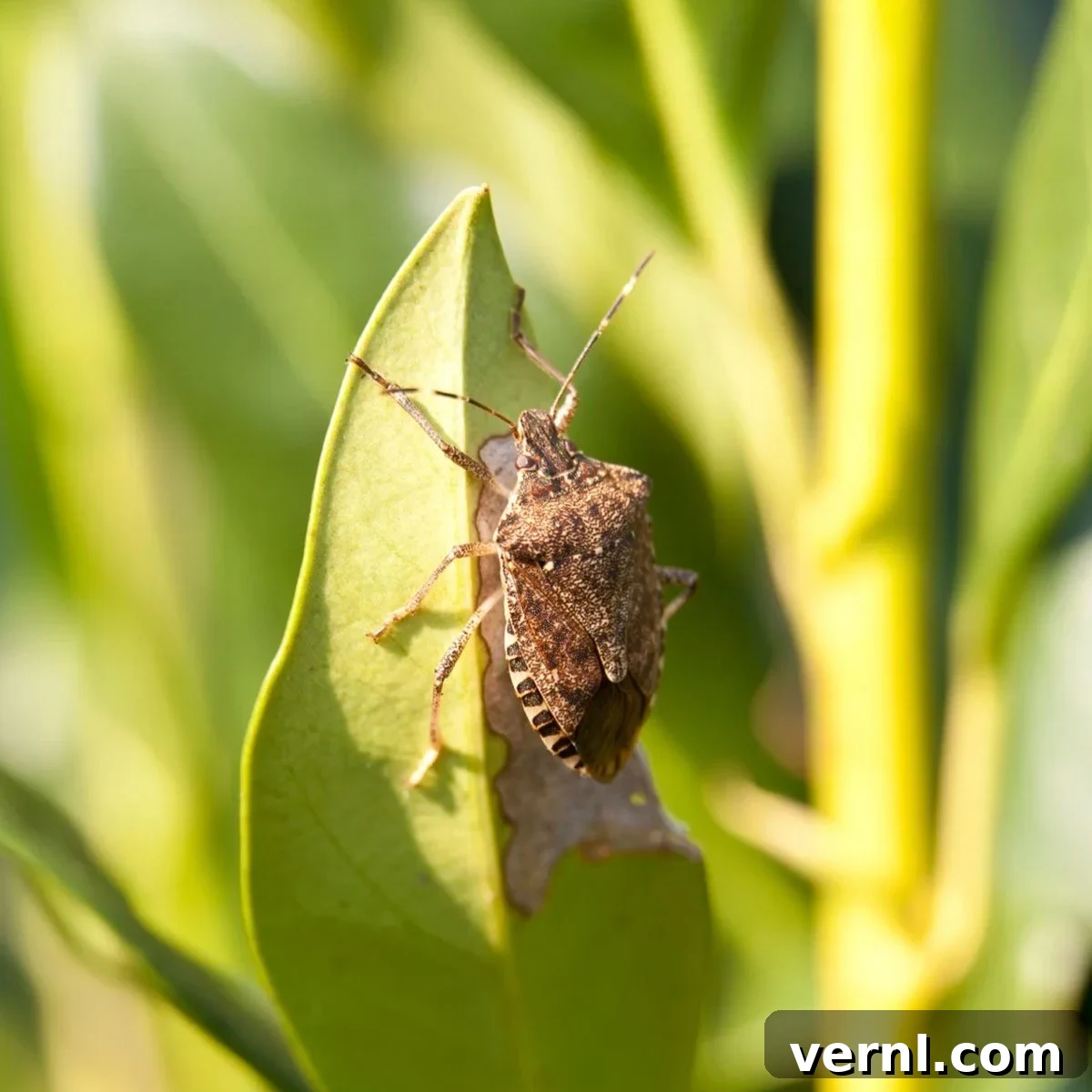
The Brown Marmorated Stink Bug (BMSB) is a significant invasive agricultural pest and a persistent nuisance insect that has spread extensively across much of the U.S. These grayish-brown, shield-shaped beetles typically measure about three-quarters of an inch long. They can be distinguished from native stink bug species by their marbled appearance and the alternating light and dark bands on their antennae and the edges of their abdomen. While native stink bugs generally remain outdoors, BMSBs have a strong tendency to seek shelter inside structures in large numbers as temperatures drop in the fall, making them a common and bothersome homeowner nuisance. Their most well-known defense mechanism is the release of a strong, unpleasant odor when disturbed, crushed, or even threatened—a scent often described as cilantro-like, pungent, or reminiscent of burning tires. “While stink bugs don’t sting or bite, they can become a major nuisance in homes due to their sheer numbers and the offensive odor they produce,” states Dr. Jim Fredericks, an entomologist at the National Pest Management Association. Beyond their indoor nuisance, BMSBs cause significant agricultural damage, feeding on a wide variety of crops including apples, peaches, corn, soybeans, and various ornamental plants, leading to substantial economic losses for farmers.
How to Prevent an Infestation in Your Home: Preventing BMSBs from entering your home is crucial, as once inside, they are challenging to remove without releasing their characteristic odor. Exclusion is the most effective defense strategy, particularly during late summer and early fall when they begin their search for overwintering sites. Conduct a thorough inspection of your home’s exterior and meticulously seal all cracks, crevices, and openings around windows, doors, foundations, and utility entry points using high-quality caulk. Repair or replace damaged window and door screens, and ensure that chimney caps and attic vents are properly screened. Pay special attention to areas where pipes, wires, or cables enter the home. If BMSBs do manage to get inside, avoid crushing them directly, as this will invariably release their strong odor. Instead, a vacuum cleaner with a disposable bag is an excellent tool for safely removing them. Immediately dispose of the sealed vacuum bag outside your home to prevent the odor from lingering. For larger infestations or recurring problems, a professional pest control service can offer more robust and long-lasting solutions, including perimeter treatments and advice on structural improvements.
Elm Seed Bug (Arocatus melanocephalus)
First identified in Idaho in 2012, the elm seed bug has since rapidly expanded its territory and now resides in much of the Western and Midwestern United States. These small, dark brown insects, roughly the size of a pumpkin seed (about 1/3 inch long), bear a superficial resemblance to box elder bugs but can be distinguished by their rust-orange or brown backs with a distinctive ‘X’ pattern, contrasting with the bright red and black markings of box elder bugs. Primarily a nuisance pest, elm seed bugs are strongly attracted to homes in large numbers, particularly during late spring and early summer when they seek shelter from extreme heat or look for suitable overwintering sites. “While elm seed bugs are not dangerous to people or pets, they are a known nuisance for homeowners, especially when they congregate indoors in significant numbers,” notes Crumbley. “Their fecal stains, which are dark, unsightly residues, can leave unsightly markings on walls, windowsills, and curtains, often requiring extensive cleaning.” While not as destructive to structures as some other pests, they do pose a minor threat to elm trees by feeding on their seeds, though this rarely causes significant damage to mature, healthy trees.
How to Prevent an Infestation in Your Home: Similar to brown marmorated stink bugs, the most effective strategy for managing elm seed bugs is to prevent their entry into your home. A diligent approach to home sealing and exclusion is essential. Inspect and seal all unwanted entry points around windows, doors, and foundations using caulk or weatherstripping. Pay close attention to gaps around utility lines, plumbing penetrations, and vents. Replace any worn or damaged weather stripping around windows and doors, and ensure all vents are fitted with fine mesh screens. Maintaining a tidy yard by removing fallen elm tree seeds and leaf litter can also help reduce their appeal. If they do find their way inside, regular vacuuming is an efficient method for removal without crushing them and risking potential staining. For persistent problems, consider consulting a pest management professional who can identify breeding sites and apply targeted perimeter treatments to deter them from approaching your home.
Asian Longhorned Ticks (Haemaphysalis longicornis)
The Asian longhorned tick (ALT), an invasive species originating from East Asia, was first detected in New Jersey in 2017 and has since spread rapidly, establishing populations in at least 16 states across the Northeast and Mid-Atlantic regions. This reddish-brown tick is exceptionally concerning due to its unique and highly efficient reproductive capabilities. “They are particularly alarming because females can reproduce asexually, without needing a mate, a process known as parthenogenesis,” explains Dr. Fredericks. “A single female can lay up to 2,000 eggs after a blood meal, leading to incredibly rapid population growth and widespread infestations in a very short time.” This characteristic allows their populations to explode quickly, dramatically increasing the risk of exposure for humans, livestock, and wildlife. While ALTs are known to transmit diseases to cattle and other animals, including theileriosis (which can be fatal to livestock), those found in the U.S. have not yet been definitively linked to any human diseases, though ongoing research is closely monitoring this potential threat. Nevertheless, their sheer numbers pose a significant economic and health threat to animal agriculture and outdoor recreational activities.
How to Prevent an Infestation in Your Home and On Yourself: Preventing exposure to Asian longhorned ticks, much like other tick species, requires consistent vigilance and adherence to standard tick prevention procedures, especially when spending time outdoors in tick-prone areas. Always apply insect repellent containing DEET, picaridin, or oil of lemon eucalyptus to exposed skin and clothing before venturing into wooded, grassy, or brushy areas. Wear long sleeves and pants, tucking pants into socks, to minimize skin exposure. After returning indoors, perform thorough tick checks on yourself, your children, and pets, paying close attention to hair, ears, armpits, groin, and skin folds. In your yard, maintain short grass, clear overgrown vegetation, brush, and leaf litter, which are prime tick habitats. Create a buffer zone of wood chips or gravel between wooded areas and your lawn. Regularly check pets for ticks, as they can inadvertently carry ticks into your home. Consider tick control treatments for your yard if you live in a high-risk area. If you find a tick, remove it carefully with fine-tipped tweezers, grasping it as close to the skin as possible and pulling upward with steady, even pressure.
Red Imported Fire Ants (RIFA) (Solenopsis invicta)
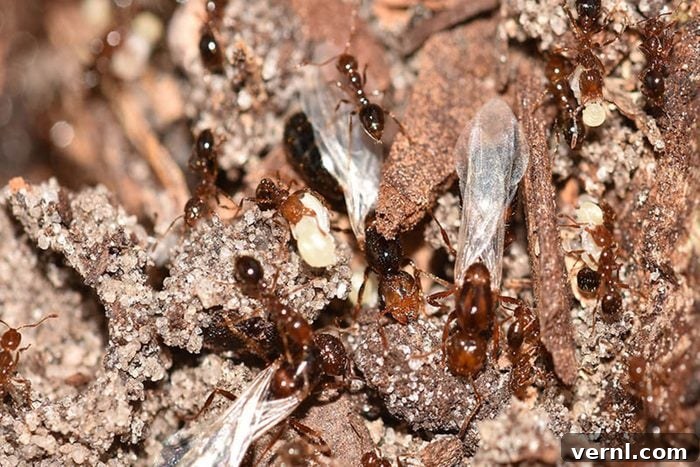
Originating from Brazil, Red Imported Fire Ants (RIFA) have been a painful fixture in the Southern U.S. for nearly a century, known for their aggressive behavior and intensely painful stings. These small, reddish-brown ants, measuring approximately 0.08 to 0.24 inches, construct large, dome-shaped mounds in yards, pastures, and disturbed soil. Their colonies can grow to enormous sizes, harboring hundreds of thousands of individual ants. Unlike native fire ants, RIFA stings are notoriously more painful, delivering a burning sensation and often resulting in white pustules that can itch intensely and become easily infected if scratched. “They have an intensely painful sting and bite, far more so than native fire ants, making outdoor activities treacherous and sometimes dangerous,” warns Crumbley. “Beyond their painful stings, they are incredibly opportunistic feeders, consuming almost anything they can access—from young plants and seeds to small insects and even pet food left outdoors—making them a significant nuisance both in and around the home.” They can also cause damage to electrical equipment by chewing on insulation, leading to power outages and short circuits, and posing fire risks.
How to Prevent an Infestation in Your Home: Early detection of RIFA mounds in your yard is critical. Look for their distinctive, dome-shaped ant hills that lack a central opening, often appearing after rain. Given the aggressive nature of these ants and the potential for multiple painful stings, especially when disturbed, professional treatment of nests is highly recommended. Attempting to treat large colonies yourself can be dangerous, ineffective, and may only disperse the ants. A pest control professional can accurately identify the species and apply targeted, effective treatments that safely and thoroughly eradicate the colony. To prevent them from entering your home, meticulously inspect and seal all potential entry points. This includes checking plumbing and utility penetrations (such as where wires and pipes enter the house), sealing cracks in foundations, and ensuring doors and windows have tight seals and screens. Keep all food sources, especially pet food, sealed and off the ground, and clean up spills promptly. Regular perimeter treatments around your home, applied by a professional, can also create a long-lasting chemical barrier against these persistent invaders.
Spotted Lanternflies (Lycorma delicatula)
The spotted lanternfly, an eye-catching invasive planthopper native to Asia, has rapidly spread across 11 states, from New York to Georgia, since its initial U.S. sighting in Pennsylvania in 2014. These inch-long, chunky insects are distinctive with their bright red hind wings, black spots on their greyish forewings, and a striking appearance when in flight or at rest. Despite possessing wings, they are poor flyers and primarily rely on jumping and walking to navigate, frequently hitchhiking on vehicles, outdoor furniture, and other goods, which facilitates their rapid and widespread dispersion. “These insects are incredibly destructive to agriculture, particularly grapevines, hops, and various hardwood trees such as maples, walnuts, and oaks,” emphasizes Fredericks. “They inflict harm by feeding on the sap of plants, utilizing their specialized piercing-sucking mouthparts. This feeding weakens plants, leading to stunted growth, distinctive weeping wounds on tree trunks, and can even result in the eventual death of severely affected plants.” Their feeding also excretes a sticky substance known as honeydew, which promotes the growth of unsightly black sooty mold. This mold covers plants, outdoor furniture, and vehicles, not only making them aesthetically unappealing but also hindering plant photosynthesis. They also gather in massive numbers, becoming a significant nuisance for homeowners and businesses alike, disrupting outdoor activities and impacting quality of life.
How to Prevent an Infestation in Your Home and Garden: Preventing spotted lanternflies from entering your home involves standard exclusion techniques: meticulously seal unwanted entry points around windows, doors, and foundations, and install or repair screens in windows and over vents. However, the most critical prevention and control efforts for spotted lanternflies are focused on outdoor management due to their severe agricultural impact. Reporting sightings to your local agriculture office or extension service is paramount, as this information helps track their spread and coordinate regional control efforts. Actively scrape off any egg masses you find on surfaces like tree trunks, outdoor furniture, vehicles, and even rocks, from late fall through early spring. These egg masses are typically greyish-brown and mud-like. States like New York actively encourage residents to “kill on sight” by crushing adult spotted lanternflies. You can also use sticky bands around tree trunks (ensure they are covered with wire mesh or netting to prevent non-target species like birds from getting stuck) to trap nymphs and adults. Always inspect all outdoor items, including vehicles, gardening equipment, and furniture, before moving them to prevent unintentionally spreading eggs or insects to new areas.
Asian Lady Beetles (Harmonia axyridis)
The Asian lady beetle, a colorful and often malodorous insect, was deliberately introduced to the U.S. in the 1970s and 80s as a biological control agent to manage other agricultural pests, particularly aphids and scale insects. While initially effective in this role, their introduction had unintended consequences that have led to them becoming a nuisance. Today, they are best known for their overwhelming tendency to invade homes in late fall through winter, seeking warm, sheltered places to overwinter. They frequently congregate in large numbers on window sills, in attics, and in ceiling corners. “Some people believe that all ladybugs are good luck, but anyone who has experienced an Asian lady beetle infestation will quickly tell you they don’t feel very lucky,” remarks Crumbley. These beetles can be distinguished from native ladybugs by their slightly larger size, more oval shape, and often a prominent ‘M’ or ‘W’ shaped marking behind their head. When disturbed or threatened, they excrete a foul-smelling, yellowish fluid (hemolymph) that can stain walls, fabrics, and furniture, adding significantly to their nuisance factor. While they don’t bite aggressively, they can occasionally nip if handled, causing mild irritation.
How to Prevent an Infestation in Your Home: The key to distinguishing Asian lady beetles from non-invasive native ladybugs (aside from the ‘M’ marking) is their distinct affinity for congregating in massive groups, particularly on the sunny sides of homes in autumn as they seek overwintering sites. Preventing their entry into your home is the most effective control method. Like with other occasional invaders, a thorough sealing strategy for your home’s exterior is essential. Inspect your home for any cracks or gaps in the foundation, siding, window frames, and door frames, and seal them with a high-quality, durable caulk. Upgrade worn or damaged weather stripping around doors and windows. Ensure that all vents (attic, dryer, soffit, foundation) are covered with fine mesh screens. Promptly repair any damaged window or door screens. If beetles do get inside, using a vacuum cleaner with a disposable bag is the best way to remove them without crushing and releasing their foul odor and staining fluid. Remember to immediately dispose of the sealed bag outdoors. For severe or persistent infestations, professional pest control services can offer solutions like exterior barrier treatments that deter them from congregating on your home’s surfaces.
Invasive Plants: Disrupting Local Ecosystems
The threat of invasive species isn’t limited to insects; invasive plants pose an equally significant danger to our natural landscapes, agricultural lands, and even property values. These aggressive plants spread quickly, reproduce prolifically, and outcompete native vegetation for resources, often forming dense monocultures that starve out diverse ecosystems and reduce biodiversity. While obvious invasives like the tenacious kudzu vines that blanket vast swathes of the Southern U.S., or cheatgrass, which fuels destructive wildfires across the West, are well-known, many less obvious culprits are still commonly found. “Many of these invasive plants are still commonly sold in garden centers, often without consumers realizing their profound potential for harm to local ecosystems,” warns Mary Phillips of the National Wildlife Federation. Common landscaping staples such as English ivy, lesser celandine, and Japanese honeysuckle, while seemingly innocuous or even attractive, are highly invasive and can severely damage natural habitats by outcompeting native flora.
One of the most important and impactful actions you can take as a responsible gardener and homeowner is to conscientiously avoid purchasing and planting any known invasive species. Early detection and vigilant removal are also crucial for keeping invasive plants at bay once they appear in your yard or garden. A powerful ecological defense against invasives is to plant dense stands of native plants. Native species are inherently adapted to local conditions, requiring less water, fewer chemicals, and less maintenance, and they provide essential food, shelter, and breeding grounds for native birds, insects, and other wildlife. This fosters a vibrant and resilient ecosystem that naturally resists invasive encroachment. This approach not only protects your garden but also contributes positively to the broader regional biodiversity and ecological health, earning a hearty “thank you” from local wildlife.
Phillips also suggests excellent native replacements for common invasive garden plants, helping you make informed, eco-conscious choices:
- For English Ivy (Hedera helix), a groundcover that chokes out native plants and damages trees and structures: consider planting beautiful and beneficial native alternatives like Pipevine (Aristolochia macrophylla) or Passionflower Vine (Passiflora incarnata).
- For Lesser Celandine (Ficaria verna), an early spring bloomer that aggressively displaces native wildflowers and forms dense mats: try native beauties such as Trillium (Trillium spp.), Celandine Poppy (Stylophorum diphyllum), or Marsh Marigold (Caltha palustris).
- For Japanese Honeysuckle (Lonicera japonica), a vigorous vine that smothers native shrubs and trees, impacting forest health: good alternatives include Coral Honeysuckle (Lonicera sempervirens) or various native Passion Vines (Passiflora spp.), both offering attractive blooms and wildlife support.
To find species perfectly suited for your specific region, climate, and soil conditions, utilize the National Wildlife Federation’s invaluable Native Plant Finder tool, which provides tailored recommendations for creating a thriving, ecologically beneficial native habitat.
Invasive Trees: Long-Term Ecological Damage
Beyond smaller plants, certain invasive trees pose a particularly long-term and significant threat to landscapes, ecosystems, and even built infrastructure. Mary Phillips highlights two common ornamental trees that are particularly important to avoid planting due to their highly invasive nature: the Tree of Heaven and the Mimosa tree. These species, often initially chosen for their rapid growth or attractive flowers, come with substantial ecological drawbacks that far outweigh any temporary aesthetic benefits.
- Tree of Heaven (Ailanthus altissima): This highly aggressive invasive tree grows rapidly and extensively across much of the country. “It is famously allopathic, meaning it releases potent chemicals into the soil that inhibit the growth of other plants, effectively poisoning the ground for native flora,” Phillips explains. This biological warfare against native vegetation allows it to dominate landscapes and quickly form monocultures. Furthermore, the Tree of Heaven forms dense thickets that severely block wildlife movement and restrict access to vital resources. Its extensive and aggressive root systems are notorious for damaging building foundations, sidewalks, driveways, and sewer lines, leading to costly and disruptive repairs. The wood itself is often weak and prone to breaking, posing significant safety hazards during storms. Its rapid growth and competitive nature allow it to outcompete native trees, fundamentally disrupting forest ecosystems, reducing overall biodiversity, and changing habitat structure. For a responsible and ecologically beneficial alternative, consider replacing it with a native Sumac (Rhus spp.), which provides a similar growth habit, attractive foliage, and vibrant fall color without any of the invasive downsides. (Learn more about the problems with Tree of Heaven here.)
- Mimosa (Albizia julibrissin): While initially prized for its delicate, fern-like leaves and showy pink, fluffy flowers, the Mimosa tree is another aggressive invader. It readily self-seeds and spreads rapidly, particularly in disturbed areas and along roadsides, forming dense stands that shade out and displace native understory plants. Its prolific seed production and ability to thrive in poor soils and harsh conditions make it a formidable competitor against native species. Instead of the Mimosa, Phillips suggests opting for beautiful native alternatives like the Redbud (Cercis canadensis) or Flowering Dogwood (Cornus florida), both of which offer stunning seasonal blooms, provide crucial food and habitat for local wildlife, and contribute positively to ecosystem health.
Choosing native trees and plants for your landscape is not merely an aesthetic decision; it is an ecological imperative that actively supports local wildlife, maintains ecosystem health, and plays a critical role in preventing future invasive species crises. By making informed choices, you contribute to a healthier, more resilient environment for everyone.
About the Experts
This comprehensive guide to invasive species and their management was informed by the invaluable insights of leading entomologists and environmental specialists, all deeply committed to protecting our natural communities:
- Emma Grace Crumbley: An insightful entomologist at Mosquito Squad Plus, Emma Grace describes herself as a “bug nerd” whose passion lies in educating the public about the fascinating, complex, and often misunderstood world of insects, highlighting their critical roles in our environment.
- Mary Phillips: Serving as the Head of Native Plant Habitat Strategy/Certifications at the National Wildlife Federation, Mary is a dedicated ambassador for nature. She tirelessly works to ensure habitat gardening programs flourish across the country, promoting sustainable practices and incorporating the latest scientific knowledge to support biodiversity and ecological resilience.
- Dr. Jim Fredericks: A Board Certified Entomologist and Senior Vice President of Public Affairs at the National Pest Management Association (NPMA). The NPMA is a non-profit organization deeply committed to the protection of public health, food sources, and property through responsible, science-backed pest management strategies.
- Daniel Baldwin: A Board Certified Entomologist with over two decades of extensive industry experience, Daniel works at Hawx Pest Control in Ogden, Utah, bringing a wealth of practical knowledge and scientific understanding to effective pest management solutions.