
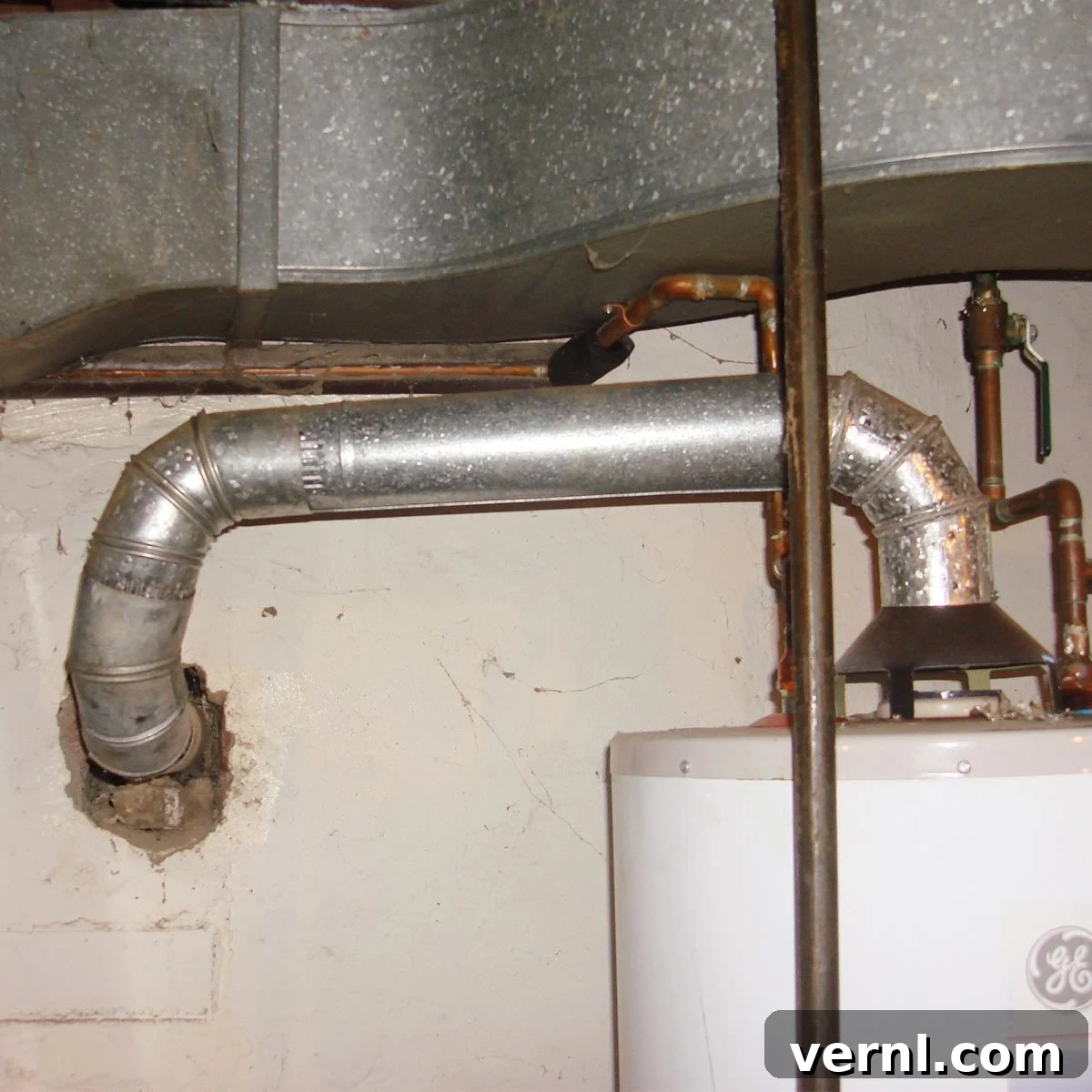
Your water heater is an essential appliance, providing comfort and convenience for daily tasks like showering, washing dishes, and doing laundry. However, an improperly installed or maintained water heater, particularly its venting system, can pose severe and potentially life-threatening risks to your household. Ensuring the correct and safe operation of your water heater’s exhaust system is not just about efficiency; it’s a critical safety measure that protects your family from the silent threat of carbon monoxide poisoning.
The Hidden Danger: Understanding Improper Water Heater Venting
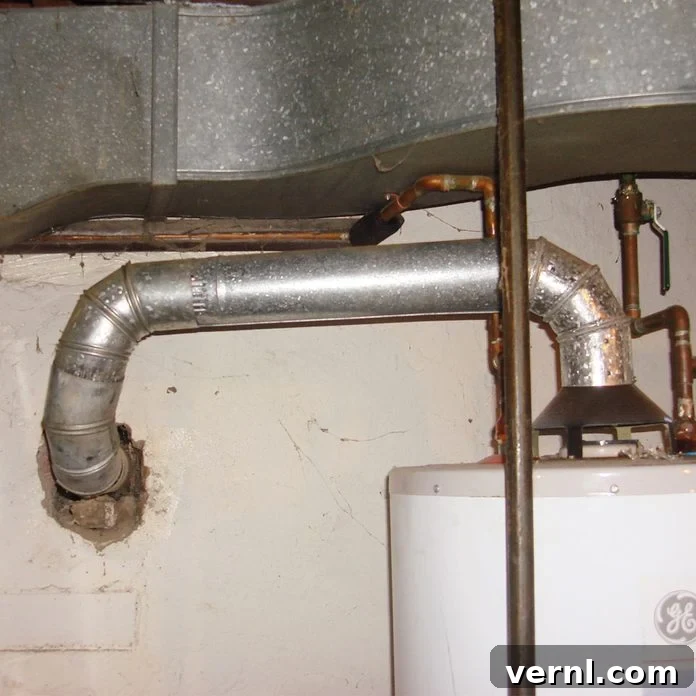
The principle of thermodynamics dictates that hot air rises. This fundamental concept is crucial for the safe operation of any fuel-burning appliance, including your gas water heater. The combustion process within the water heater produces hot exhaust gases, which naturally want to ascend and exit the home through a properly designed vent system. However, as illustrated by the concerning image above, a common and extremely dangerous installation error involves a downward-sloping exhaust vent.
When a vent pipe slopes downward, it actively defies the natural upward movement of these hot exhaust gases. Instead of creating a positive draft that pulls the fumes safely out of the building, a downward slope creates a trap. The heavier, cooled exhaust gases, laden with hazardous byproducts like carbon monoxide, can settle in these low points. This stagnation prevents them from exiting and, worse, allows them to spill back into your living space, contaminating the air you breathe. This seemingly minor installation flaw transforms an essential appliance into a potential health hazard, compromising the safety of everyone in the home.
The Silent Killer: Carbon Monoxide Poisoning
The primary concern with improper water heater venting is the release of carbon monoxide (CO) into your home. Carbon monoxide is a colorless, odorless, and tasteless gas, making it impossible to detect without specialized equipment. It’s produced when carbon-based fuels, like natural gas or propane used in water heaters, burn incompletely. When inhaled, CO enters the bloodstream and binds with hemoglobin, the molecule in red blood cells that carries oxygen, much more readily than oxygen itself. This effectively suffocates the body at a cellular level, depriving vital organs like the brain and heart of the oxygen they need.
Symptoms of carbon monoxide poisoning can often be mistaken for common illnesses like the flu, making it even more insidious. Early signs include headaches, nausea, dizziness, fatigue, and shortness of breath. As exposure continues, symptoms can escalate to confusion, vomiting, loss of consciousness, and eventually, permanent brain damage or death. The insidious nature of CO means that occupants can be overcome while sleeping, never realizing the danger until it’s too late. This grave risk underscores the absolute necessity of ensuring your water heater’s vent system is installed and maintained to the highest safety standards.
Signs of a Dangerous Water Heater Vent Installation
Beyond a visible downward slope, several indicators can signal that your water heater’s vent system might be compromised and potentially dangerous. Being aware of these signs can prompt timely action and prevent a serious incident. Always approach these situations with caution and consider professional inspection if you notice any of the following:
- Visible Downward Slope: The most obvious red flag. The vent pipe should always have a continuous upward slope towards the chimney or exterior vent termination.
- Soot or Stains Around the Vent Opening: Black streaks or discoloration on the water heater itself or on the wall/ceiling near the vent pipe indicates exhaust gases are leaking.
- Pilot Light Frequently Going Out: While this can be caused by other issues (like a faulty thermocouple), poor venting can lead to insufficient oxygen, causing the flame to extinguish.
- Smell of Exhaust or Burned Odor: Any noticeable odor resembling exhaust fumes or a persistent burning smell around the water heater is a serious warning sign.
- Rust or Corrosion on the Vent Pipe: This suggests moisture accumulation, often a byproduct of combustion that isn’t properly exiting the system, or condensation from backdrafting.
- Excessive Condensation: Moisture on windows or cold surfaces in the room where the water heater is located can sometimes indicate exhaust gases are not properly vented.
- Physical Symptoms: If family members experience unexplained headaches, nausea, or fatigue, especially when at home, it could be a symptom of CO exposure.
Ensuring Safety: The Correct Way to Install a Water Heater Vent
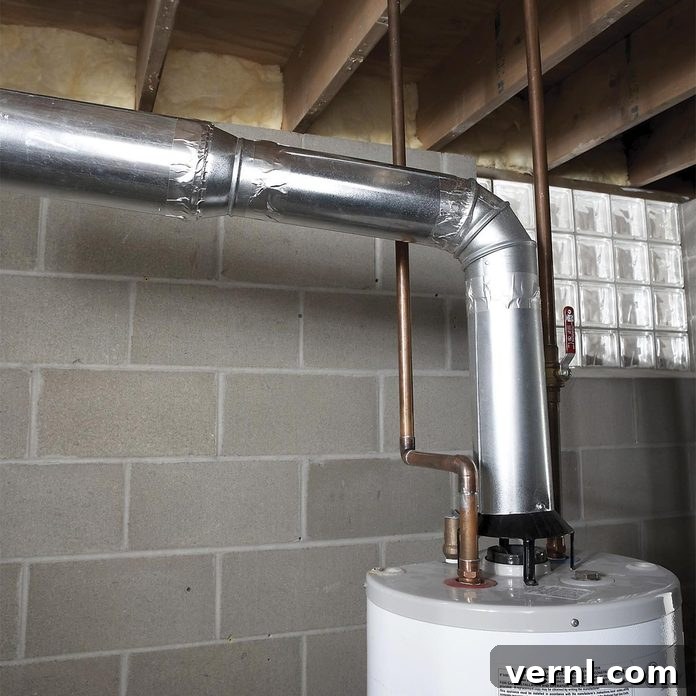
In stark contrast to the hazardous installation previously shown, the image above depicts a correctly installed water heater vent. Notice the clear and consistent upward slope of the vent pipe as it leaves the water heater and connects to the main chimney or exhaust flue that leads outside. This design is not arbitrary; it adheres to fundamental physics and safety regulations, ensuring that all combustion byproducts, including the deadly carbon monoxide, are effectively and safely expelled from your home.
The principle here is straightforward: hot flue gases are naturally buoyant and will rise. By providing an unobstructed, continuously upward path, the vent system creates a natural draft. This draft acts like a chimney, pulling the hot exhaust gases up and away from the living space until they safely exit the building, typically through the roof. A properly sloped and sized vent pipe, combined with adequate combustion air, ensures a complete and efficient combustion process, minimizing the risk of harmful gas buildup and maximizing the safety of your home’s indoor air quality.
Key Principles of Proper Water Heater Venting
Beyond the upward slope, several critical factors contribute to a safe and efficient water heater vent system. Adhering to these principles is essential for installation and ongoing maintenance:
- Consistent Upward Slope: The vent pipe must maintain a minimum upward slope of 1/4 inch per foot (or 6mm per 30cm) of horizontal travel. This gradient ensures that hot gases continually rise and condensation drains away, preventing blockages and backdrafting.
- Proper Sizing: The diameter of the vent pipe must be correctly sized according to the water heater’s BTU output and the length of the vent run. An undersized vent can lead to insufficient draft and backdrafting, while an oversized vent can cause the gases to cool too quickly, leading to condensation and poor draft.
- Appropriate Material Requirements: Vent pipes are typically made from galvanized steel, aluminum, or B-vent (double-wall metal pipe). The specific material required depends on the type of water heater (e.g., standard atmospheric, high-efficiency, or power-vented) and local building codes. Ensure the material is rated for the temperatures and corrosive nature of exhaust gases.
- Secure and Sealed Connections: All sections of the vent pipe must be securely joined together, typically using sheet metal screws at each connection. Joints should also be sealed with approved high-temperature sealant or foil tape to prevent gas leaks and maintain system integrity.
- Adequate Clearance to Combustibles: The vent pipe must maintain a safe distance from any combustible materials, such as wood framing, insulation, or drywall. Building codes specify these clearance requirements, which are crucial to prevent fire hazards.
- Terminating Safely: The vent must terminate above the roofline and be a specified distance from windows, doors, and other building openings to prevent exhaust gases from re-entering the building. A vent cap should be installed to prevent rain and debris entry while allowing proper gas exit.
- Sufficient Combustion Air: For atmospheric water heaters, an adequate supply of fresh air for combustion is paramount. If the water heater is in a confined space without enough air, it can lead to incomplete combustion and the production of carbon monoxide. Proper ventilation of the appliance area is crucial.
Beyond the Slope: Other Critical Water Heater Venting Considerations
While the upward slope is a fundamental requirement, a safe and efficient water heater venting system involves more than just this single factor. Several other conditions and potential issues can compromise the system’s ability to safely expel exhaust gases, necessitating a comprehensive understanding and regular inspection.
Vent Blockages and Obstructions
Over time, vent pipes can become blocked or obstructed. Common culprits include bird nests, rodent nests, insect infestations, or accumulated debris (like leaves or dirt). In colder climates, ice buildup at the vent termination can also create a blockage. A partially or fully blocked vent pipe prevents exhaust gases from escaping, forcing them back into your home. This can lead to inefficient operation, frequent pilot light outages, and, most dangerously, the buildup of carbon monoxide. Regular visual inspections, especially at the vent cap, are crucial to prevent such obstructions.
Corrosion and Leaks in Vent Pipes
Exposure to hot, corrosive exhaust gases and potential condensation can cause the vent pipe material to degrade over time. Rust, cracks, or loose connections can develop, creating pathways for exhaust gases to leak into your living space. Signs of corrosion include visible rust spots, discoloration, or a noticeable weakening of the pipe material. Any breach in the vent system’s integrity, no matter how small, can lead to dangerous CO leaks and must be addressed immediately by a qualified professional.
Inadequate Combustion Air Supply
Modern homes are often built to be highly airtight for energy efficiency. While beneficial for insulation, this can inadvertently starve fuel-burning appliances, like water heaters, of the fresh air they need for complete combustion. If there isn’t enough oxygen available, the water heater will produce more carbon monoxide. This is particularly critical for atmospheric-vented water heaters. Proper ventilation strategies, such as dedicated combustion air ducts or ensuring adequate louvered openings, are essential to provide a consistent supply of fresh air for safe operation.
Backdrafting and Negative Pressure
Backdrafting occurs when exhaust gases are drawn back into the house rather than exiting through the vent. This can be caused by various factors, including a poorly designed or obstructed vent, negative air pressure in the home, or competition from other exhaust fans (like kitchen hoods or bathroom fans) or clothes dryers that pull air out of the house. When a home experiences negative pressure, it essentially sucks air inward, and if the water heater vent is the easiest pathway, it will draw exhaust gases back inside. Properly balancing ventilation and ensuring the water heater vent has an adequate draft are crucial to prevent backdrafting.
Shared Vent Systems: A Complex Challenge
In many homes, the water heater may share a common chimney or vent flue with another appliance, most commonly a furnace. While shared venting is permissible under certain conditions, it adds layers of complexity and potential hazards. Improper sizing of the shared flue, incorrect connections, or simultaneous operation of both appliances can lead to backdrafting or spillage of exhaust gases from one appliance into the living space, or even into the other appliance’s vent. Strict adherence to sizing charts and code requirements is paramount for shared vent systems, often requiring professional installation and regular inspection.
Prioritizing Your Home’s Safety: Maintenance and Detection
Given the significant risks associated with improper water heater venting, proactive maintenance and reliable detection methods are indispensable components of a safe home environment. Regular vigilance can help identify potential issues before they escalate into dangerous situations.
DIY Water Heater Vent Inspection Checklist
While complex inspections and repairs should always be left to professionals, homeowners can perform basic visual checks periodically:
- Check for Proper Slope: Visually inspect the vent pipe from the water heater to the main flue. It should continuously rise at least 1/4 inch per foot.
- Look for Visible Damage: Examine the entire length of the vent pipe for any signs of rust, corrosion, holes, dents, or loose sections.
- Examine Connections: Ensure all connections between vent sections and to the water heater are tight and secured with screws or clamps. Look for any gaps.
- Check for Blockages: Inspect the vent cap at the exterior of your home for any debris, bird nests, or other obstructions.
- Observe the Draft: Light a match or incense stick near the draft hood opening of the water heater (for atmospheric models). The smoke should be drawn upward into the vent, not spill out into the room. If it spills, you have a backdraft issue.
- Listen and Smell: Pay attention to any unusual sounds (like roaring or sputtering) or the smell of exhaust gas around the water heater.
The Indispensable Carbon Monoxide Detector
Even with meticulous maintenance, a carbon monoxide detector is your ultimate safeguard against the invisible threat of CO poisoning. These devices are designed to sound an alarm when dangerous levels of CO are present, providing precious time for you and your family to evacuate and seek help. Install CO detectors on every level of your home, especially near sleeping areas. Test them regularly (monthly) and replace their batteries annually, or the entire unit according to the manufacturer’s recommendations (typically every 5-7 years). Do not rely on smoke detectors; they detect smoke, not carbon monoxide.
When to Call a Professional
While DIY checks are helpful, any suspicion of a dangerous vent, the presence of carbon monoxide symptoms, or an active CO alarm should prompt immediate professional attention. A qualified HVAC technician or plumber has the specialized tools and expertise to accurately diagnose venting issues, ensure proper combustion, and perform safe repairs or installations. Never attempt to modify or repair your water heater’s venting system yourself if you are unsure or lack the proper experience, as improper work can lead to grave consequences.
Troubleshooting Common Water Heater Repairs and Maintenance Tips
Beyond venting, maintaining your water heater involves addressing common operational issues and understanding its overall lifespan. The following resources offer valuable insights and step-by-step solutions for various water heater problems, helping you extend its life and ensure its efficient operation:
- DIY Water Heater Testing and Repair
- How Long Do Water Heaters Last?
- How to Extend Your Water Heater’s Lifespan
- How to Dispose of a Water Heater
- Tankless Water Heater Myths You Need to Stop Believing
- Water Heater Leaking from Drain Valve? Here’s What to Do
- How to Fix a Water Heater Pilot Light
- How to Replace a Water Heater Thermocouple
- What to Do If Your Water Heater Has a Defective Dip Tube
- Is Your Water Heater’s TPR Valve Leaking? Here’s What to Do
- Water Heater Anode Rod Replacement
Conclusion: Don’t Compromise on Water Heater Venting Safety
The safety of your home and family should always be the top priority. While a properly functioning water heater brings comfort, a poorly vented one introduces a silent, deadly threat. Understanding the critical importance of correct water heater vent installation and maintenance is not merely about adhering to building codes; it’s about protecting lives. Regularly inspect your venting system, know the signs of danger, and never hesitate to call a certified professional for any concerns. Invest in carbon monoxide detectors as your essential second line of defense. By taking these proactive steps, you can ensure your water heater operates safely and efficiently, providing hot water without compromising your peace of mind.