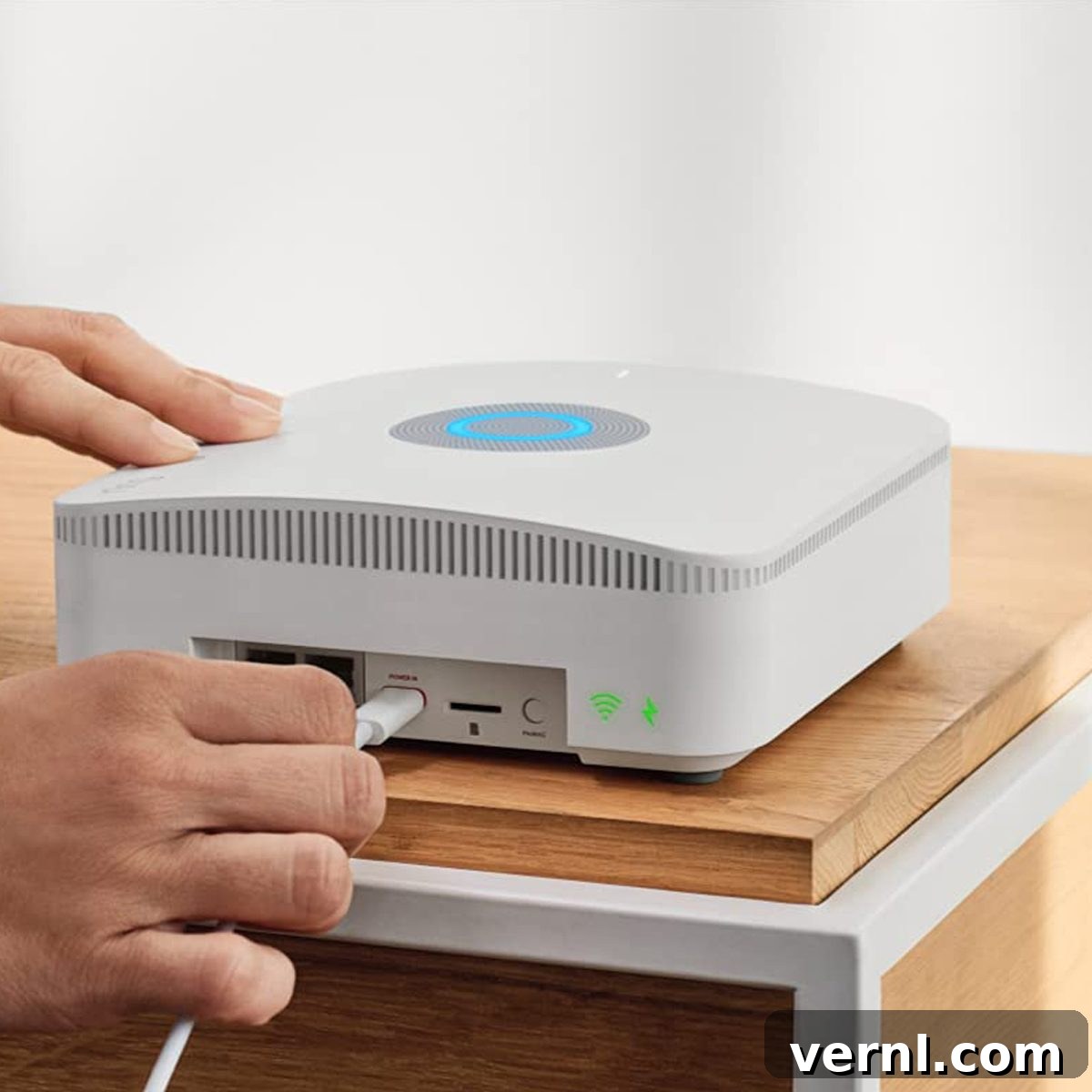
In an increasingly connected world, the concept of home security has evolved dramatically. While a loyal canine companion can offer a comforting presence and even act as a deterrent, many homeowners are now seeking more advanced, reliable protection. The days of solely relying on traditional methods are fading, making way for the sophisticated capabilities of smart home technology, intricately woven into the fabric of the Internet of Things (IoT).
The proliferation of smart home devices that leverage IoT technology has been nothing short of explosive over the last decade. As Courtney Klosterman, a leading consumer trends expert for Hippo, observes, “What used to be considered advanced technology not seen in most homes is now readily available at every hardware store.” This accessibility has democratized robust home security, moving it from a luxury to an everyday essential for many households.
This paradigm shift hasn’t gone unnoticed by the insurance industry. Recognizing the tangible benefits of a connected and protected home, many insurance providers now actively encourage the adoption of smart technology. They understand that these devices offer more than just convenience; they are proactive tools for risk mitigation. Insurers often extend attractive discounts for integrating essential smart systems, such as advanced smart smoke detectors, efficient water leak monitors, and comprehensive alarm systems. Klosterman emphasizes the core benefit: “Since these devices help detect issues, minimize damages, and make homes run more efficiently, they also minimize the number of claims you’ll file.” This creates a win-win situation, enhancing your home’s safety while potentially reducing your annual insurance premiums.
Engaging with your insurance agent is the crucial first step. Inquire about the specific benefits and discounts available for adding smart tech or even a traditional monitored alarm system to your home. The savings can manifest in various forms, including a direct reduction in your premium, subsidized costs for the devices themselves, assistance with installation fees, or reduced expenses for ongoing monitoring services. Investing in modern home security is not just about safeguarding your property; it’s a smart financial decision that pays dividends in both protection and peace of mind.
Unlocking Savings: Which Insurance Companies Offer Homeowner’s Insurance Discounts for Home Security Additions?
In today’s competitive insurance landscape, most major providers have embraced the value of smart home security. Companies such as Hippo, Allstate, State Farm, and Liberty Mutual are among the many that offer appealing discounts for homeowners who upgrade their security infrastructure. These security upgrades serve a dual purpose: they not only provide an enhanced layer of protection for you and your family but also signal to your homeowner’s insurance provider that you are a responsible and informed homeowner. As Klosterman succinctly puts it, “You’re also showing your homeowner’s insurance provider that you’re a safe and educated homeowner, which can help you save money.”
The exact amount of savings can vary significantly, contingent on several factors. Each company structures its discounts differently, based on the specific type of smart monitoring system you choose, your geographical location, and even the current condition of your home. Industry data, such as that compiled by ValuePenguin, suggests that typical discounts for implementing home security measures can range from five to 13 percent annually. These savings, while seemingly modest year-to-year, accumulate over time and effectively make your security investment even more cost-effective.
Several leading insurers offer compelling incentives. For instance, Hippo provides up to 10 percent annual savings for smart systems that alert you via your smartphone, and an even more substantial 13 percent—plus deeper discounts on your premium—for homes equipped with 24/7 professionally-monitored smart security systems. Other providers, like Nationwide and USAA, focus their discounts on the equipment itself, making the initial investment more manageable. It’s imperative to remember that the landscape of insurance offerings is dynamic, so always consult directly with your insurance agent.
When discussing options with your agent, be sure to inquire about any specific qualifications or restrictions for home security discounts. It’s common for insurance companies to form partnerships with established home security providers such as Ring or ADT. In such cases, you might need to opt for a specific brand or system configuration to qualify for the maximum available discount. A proactive conversation ensures you gain the most benefit from your security investments.
Five Essential DIY Home Security Upgrades for Maximizing Insurance Discounts
If you’re ready to bolster your home’s protection and simultaneously trim down your insurance costs, there are several highly effective and commonly discounted DIY home security upgrades worth considering. These additions not only enhance your family’s safety but also position you as a responsible homeowner in the eyes of your insurer.
1. Smart Motion Detectors and Comprehensive Alarm Systems
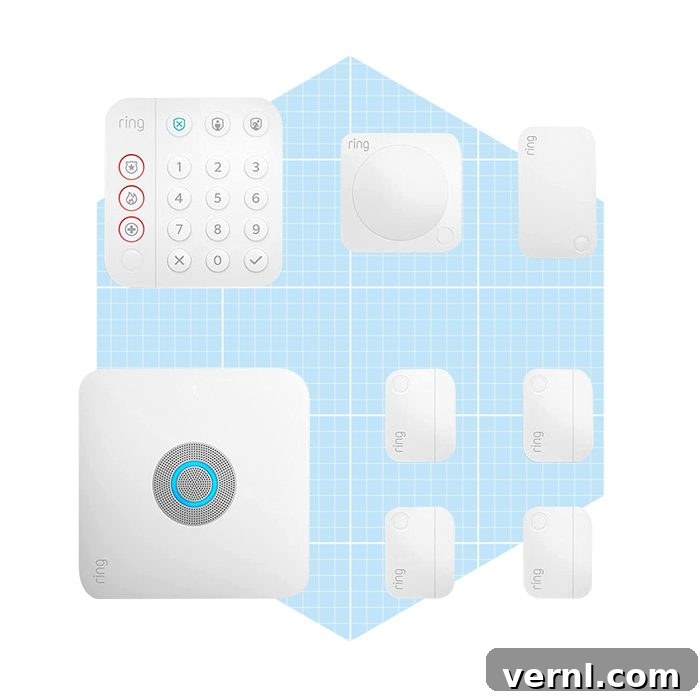
At the forefront of modern home security are smart alarm systems integrated with motion detectors. Devices from popular brands like Ring and SimpliSafe are designed to sense when doors and windows are unexpectedly opened or when unauthorized motion is detected within your living spaces. These systems often come as comprehensive kits, making DIY installation straightforward for most homeowners. For example, an eight-piece Ring Alarm Security System, typically costing around $300, includes all necessary components and clear instructions for self-setup. Homeowners can opt for local alerts sent directly to their smartphones, or subscribe to professional 24-hour monitoring for an additional fee, offering an even greater layer of security and peace of mind.
The financial impact of home invasions is staggering. According to the FBI, break-ins cost homeowners an estimated $3 billion in 2019, with the average individual loss exceeding $2,600. While the cost of a smart security system might seem like an upfront investment, its ability to deter intruders and provide immediate alerts can prevent significant financial and emotional distress. Depending on your current insurance rate and the discount you receive, these systems can effectively pay for themselves through reduced premiums and averted losses. Beyond the financial calculus, the enhanced sense of security and safety for your family is an invaluable return on investment, ensuring that your home remains your sanctuary.
2. Smart Leak Monitors and Automatic Water Shut-off Devices
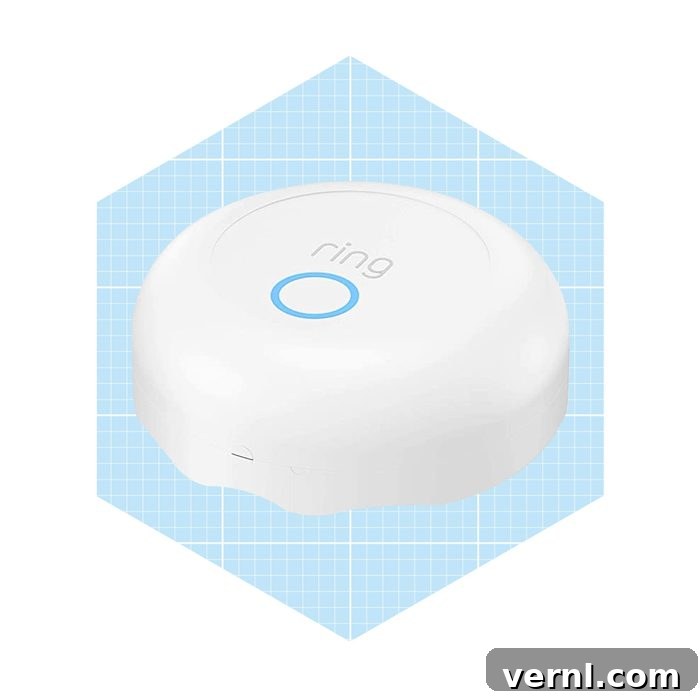
Water damage is an insidious threat to homes, often occurring silently and causing extensive harm before it’s discovered. Smart leak monitors offer a simple yet powerful solution. Inexpensive and incredibly easy to install DIY, devices like the Ring Flood and Freeze Alarm, priced around $35, can detect the earliest signs of water where it shouldn’t be. While individual sensors are affordable, it’s important to note they often need to be integrated with a larger smart alarm system, and purchasing multiple detectors for comprehensive coverage will add to the overall cost. However, this investment pales in comparison to the potential repair bills from undetected leaks.
Taking water protection a step further are advanced devices that attach directly to your main water line, such as Moen’s Flo by Moen. While these systems represent a more significant investment, often exceeding $600 depending on pipe size, their capabilities are revolutionary. They intelligently learn your household’s water usage habits and can automatically shut off your water supply if an unusual flow or leak is detected. Critically, they also allow homeowners to remotely control their water shut-off via a smartphone app, providing immediate damage control even when away from home. This feature is particularly invaluable for properties with aging plumbing or those prone to severe weather conditions.
The financial rationale for these devices is stark. As Klosterman highlights, “Nearly one-third of all home insurance claims involve water damage, with an average claim costing over $10,000.” Preventing even a single major water incident can easily offset the cost of these smart systems many times over, making them an indispensable upgrade for any homeowner looking to protect their assets and minimize potential insurance claims.
3. Smart Smoke Alarms for Enhanced Fire Safety

Fire remains one of the most devastating threats to homes and lives. Statistics from the National Fire Protection Agency underscore this urgency, reporting that a home fire occurs every 93 seconds. While most building codes mandate the installation of smoke alarms on every floor and in every bedroom, ensuring you likely already have multiple battery-operated or hard-wired units, smart smoke alarms elevate this fundamental protection to an entirely new level.
The critical advantage of smart tech sensors, such as the Nest smoke alarm from Google, lies in their ability to provide remote alerts. Imagine a scenario where a fire starts while you are away from home. A traditional alarm would blare unnoticed, but a smart alarm instantly sends a notification to your smartphone, and often, even specifies the location of the detected smoke or fire. This early warning can be invaluable, allowing you to contact emergency services promptly and potentially save your home from catastrophic damage. The Nest Protect, for instance, comes in both wired and battery-powered versions, offering flexibility to choose the option that best suits your home’s existing wiring and your DIY comfort level. Upgrading to smart smoke alarms is a proactive measure that profoundly enhances the safety of your property and loved ones, a commitment that insurers recognize and reward.
4. Smart Carbon Monoxide Sensors: The Silent Killer Detector
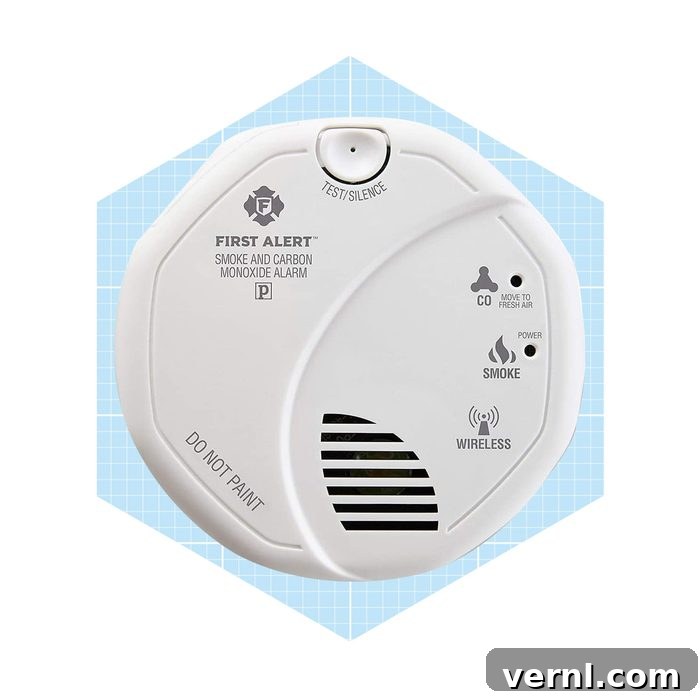
Carbon monoxide (CO) is often referred to as the “silent killer” because it is an odorless, colorless, and tasteless gas, making it impossible for humans to detect without specialized equipment. Hundreds of people tragically succumb to CO poisoning each year, underscoring the critical importance of reliable detection. While many modern smoke detectors now come with integrated CO detectors, it’s essential to check your existing units and upgrade if they lack this vital feature or are past their recommended lifespan.
Carbon monoxide is produced by the incomplete combustion of various fuel sources commonly found in homes, including fireplaces, gas ranges, furnaces, water heaters, and even charcoal grills used indoors. Ensuring your appliances, furnace, and flues are regularly inspected and maintained in good working order is paramount in preventing a deadly buildup of CO. However, for an added layer of security, smart CO detectors offer unparalleled protection. These devices can be purchased as standalone units or often as accessories to comprehensive home security kits like those from Ring. Their ability to send immediate alerts to your smartphone when CO levels rise means you and your family can evacuate quickly, even if you’re asleep or not at home, transforming a potentially fatal scenario into a preventable one. This critical safeguard is highly valued by insurance providers, often qualifying for significant discounts.
5. High-Security Deadbolts and Enhanced Door Reinforcement
Sometimes, the simplest upgrades can yield surprisingly significant benefits for both security and insurance savings. Installing high-quality deadbolts on all exterior doors is a prime example. This seemingly basic improvement can potentially save you up to five percent on your homeowner’s insurance, according to the Insurance Information Institute. Deadbolts are designed to resist forced entry far more effectively than standard spring-latch locks, providing a robust physical barrier against intruders. Moreover, they are not particularly difficult to install yourself, making this a highly accessible DIY security project.
Even if you’re not quite ready to dive into the world of smart devices, it’s always worthwhile to consult with your insurance company about the discounts available for more traditional, low-tech security improvements. Beyond deadbolts, other enhancements like reinforcing window locks, installing security films on glass panes, or upgrading to stronger door frames can also make your home less vulnerable and potentially lead to premium reductions. Insurers appreciate any proactive steps taken to harden your home’s defenses, as these measures directly reduce the likelihood of successful break-ins and subsequent claims. Investing in reliable physical security, whether traditional or smart, demonstrates a commitment to safeguarding your property, a trait highly valued in the insurance world.
Beyond Discounts: The Comprehensive Benefits of Smart Home Security
While insurance discounts offer a tangible financial incentive, the advantages of adopting smart home security extend far beyond mere cost savings. The overarching benefit is the profound enhancement of your family’s safety and peace of mind. Knowing that your home is constantly monitored, whether you’re at work, on vacation, or simply asleep, provides an invaluable sense of security that traditional systems often cannot match. Smart devices empower you with real-time information and control, transforming your home into a truly intelligent fortress.
Furthermore, these systems contribute to the overall value and modernity of your property. A home equipped with integrated smart security, climate control, and monitoring solutions is often more appealing to potential buyers, should you decide to sell in the future. The convenience factor is also undeniable. Imagine adjusting your thermostat, locking your doors, or checking on your pets remotely, all from your smartphone. This level of control not only adds comfort to your daily life but also allows for immediate action in unforeseen circumstances, like a forgotten lock or a suspicious motion alert.
Smart home security systems also indirectly contribute to energy efficiency. While not their primary function, many integrated systems can optimize lighting and climate control based on occupancy or schedule, leading to lower utility bills over time. Ultimately, the decision to upgrade to smart home security is an investment in a safer, more efficient, and more responsive living environment, securing your family and your assets against a wide array of potential threats, both seen and unseen.