
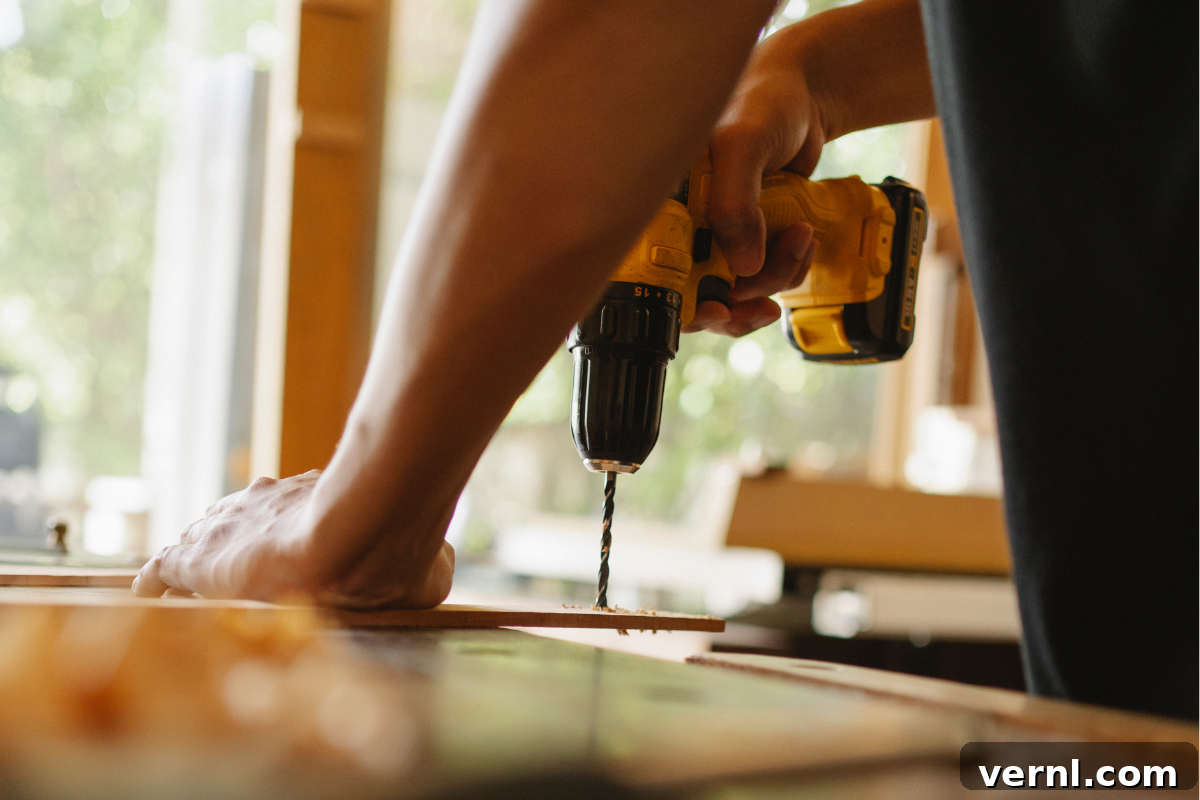
Renovations breathe new life into a home, but they also produce a surprising amount of leftover materials. Rather than sending every scrap to the landfill, many renovation offcuts can be transformed into attractive, useful features that enhance your décor and reduce waste. Below are five stylish, practical ways to repurpose common renovation leftovers while keeping your living space tidy and intentional.
1. Floating Shelves from Wooden Offcuts
Small lengths of timber and leftover planks make excellent floating shelves with minimal effort. Trim and sand the edges until smooth, then seal with a clear varnish or oil to protect the wood and highlight the grain. Mount concealed brackets for a clean, modern look or exposed bracket hardware for an industrial vibe. These shelves work well in kitchens, bathrooms, entryways, and living rooms to display curated décor, plants, or books.
When to Let Go: If the wood is extensively warped, moldy, or heavily splintered, it’s safer to dispose of it responsibly rather than attempt a risky repair. Consider hiring a licensed rubbish removal company or contacting local recycling services to handle hazardous or unsalvageable timber.
2. Old Doors as Statement Headboards
An old door can be reinvented as a standout headboard that adds height and personality to a bedroom. Clean and sand the surface, then choose a finish that suits your aesthetic—bright paint for a contemporary accent, a whitewash for coastal charm, or preserved patina for rustic authenticity. You can also inset lighting, add shelves, or combine multiple doors to create a larger focal wall.
When to Let Go: Doors affected by pests, rot, or significant structural damage should not be reused indoors. In these cases, arrange for safe disposal to avoid introducing health hazards or structural issues into your home.
3. Mosaic Creations with Tile Scraps
Tile remnants are perfect for mosaics. Use broken or small tiles to craft decorative tabletops, unique backsplashes, framed wall art, or garden stepping stones. Experiment with patterns, contrasting grout, and mixed materials—ceramic, glass, and stone—to create a custom piece that reflects your style. Mosaics are forgiving and allow for creative expression even with irregular shapes.
When to Let Go: If tile fragments have dangerously sharp edges or are contaminated with hazardous substances, prioritize safe disposal. Wrap shards securely and follow local guidelines for construction waste to prevent injuries during handling and transport.
4. Garden Pathways from Leftover Bricks
Spare bricks and pavers can lend structure and charm to outdoor spaces. Lay bricks in simple running bonds, herringbone patterns, or circular designs to create durable garden paths, patio borders, or raised bed edges. Their natural textures and warm tones complement plantings and hardscape elements, giving your landscape a cohesive, handcrafted feel.
When to Let Go: If you have a surplus beyond what you can realistically use, or if bricks are too crumbly or damaged, seek out recycling centers or professional waste removal services that accept construction debris.
5. Glass Panels as Artistic Wall Decor
Leftover glass panels and panes can be repurposed into refined wall art. Etch simple patterns, back panels with fabric or painted boards for colour, or suspend small panes with discreet mounts for a layered, minimalist installation. Tempered or thick glass works best for decorative projects where durability is important.
When to Let Go: Cracked, severely chipped, or safety-compromised glass should not be reused. Handle such pieces with care and arrange for their safe disposal to avoid injury.
Knowing When to Repurpose and When to Let Go
Repurposing renovation waste is a creative, sustainable way to enrich your home, but safety and practicality must come first. Assess each item for structural integrity, contamination, and potential health risks. Small repair projects are rewarding, but materials that pose hazards—mold, pests, toxins, or broken elements—are better removed and disposed of properly.
Choosing the Right Rubbish Removal Company
If disposal is the best option, choose a rubbish removal company that follows environmental best practices. Ask about their recycling rates, how they handle construction and hazardous waste, and whether they carry the necessary licenses and insurance. A reputable service will simplify the process, ensure compliant disposal, and reduce the environmental impact of your renovation.
Final Thoughts
Turning renovation leftovers into functional design elements is both economical and eco-friendly. With a little imagination and careful judgement, many offcuts become bespoke accents that elevate your home. Balance creativity with safety: reuse what’s sound and attractive, and responsibly discard what isn’t. Whether you plan a weekend DIY or need help clearing out unusable materials, thoughtful choices ensure your space remains stylish, healthy, and clutter-free.