
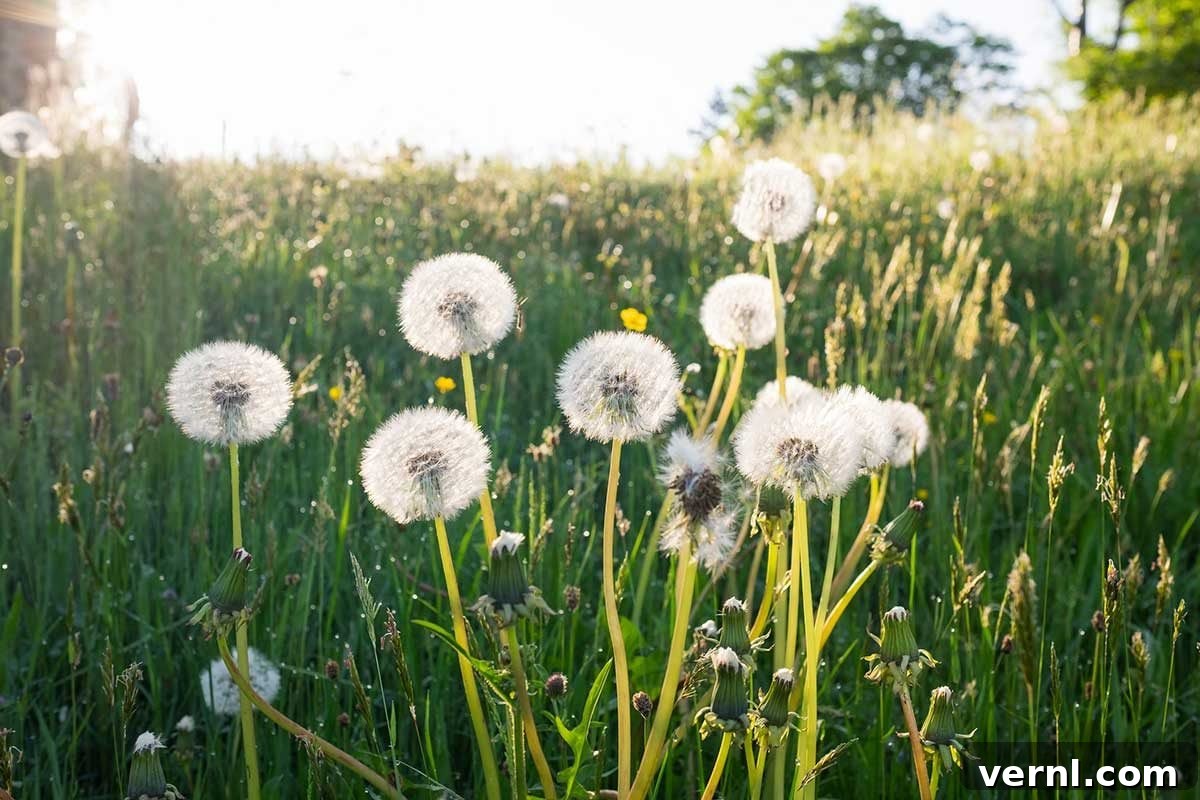
For many generations, the vibrant yellow bloom of the dandelion, with its cheerful disposition, was a source of simple childhood joy. We’d rub their petals on our cheeks, string their stems into crowns, and blow their fluffy seed heads, making wishes that drifted on the breeze. Yet, somewhere along the line, this innocent delight transformed into a relentless battle against what became perceived as the ultimate lawn villain. Dandelions, often dismissed as persistent weeds, are undeniably hardy and determined, pushing through even the most manicured green lawns. However, this perception dramatically undervalues their immense benefits. It’s time to re-evaluate our relationship with this ubiquitous plant and unlearn some deeply ingrained misconceptions.
Far from being a mere nuisance, dandelions offer a wealth of ecological advantages, nutritional value, and even profound lessons about resilience. Embracing their presence can lead to healthier ecosystems, more vibrant gardens, and a shift in our approach to nature. Here are seven compelling reasons why these seemingly humble, yet hopelessly optimistic and stubborn, yellow flowers deserve a cherished place in our landscapes and our hearts.
Dandelions: A Vital Nectar Source for Thriving Pollinators
When considering the best plants for pollinators, dandelions might not immediately spring to mind as the top choice. Indeed, according to master gardener and author Rhonda Fleming Hayes, native wildflowers known as “ephemerals”—due to their short-lived blooming periods—are often superior for early spring nectar. However, she points out a crucial reality: most homeowners don’t have these specific native ephemerals in their yards. This is precisely where the dandelion steps in as an indispensable unsung hero in the ecological tapestry.
Dandelions are incredibly prevalent, making them a readily available and significant source of nectar, primarily for a diverse range of bees, as Fleming Hayes explains. Their timely appearance is one of their greatest assets. As Katie Dubow of Gardening Media Group highlights, dandelions emerge not only in early spring when many other garden blooms are yet to awaken, but they also stage a welcome return in early fall, providing essential sustenance when other flowers are fading. This dual blooming cycle is critical for pollinators, particularly bees and butterflies, who require consistent food sources throughout the growing season to build up reserves for winter.
In the spring, when pollinator populations are just beginning to become active after winter dormancy, dandelions offer a crucial first meal. Without them, early emerging insects could face starvation. Later in the spring, as a wider variety of flowers blossom, dandelions may receive less attention, making June or July a more opportune time to manage dandelion populations if desired. However, as autumn approaches and pollinators intensify their foraging efforts in preparation for colder months, dandelions once again become a vital lifeline, supplying the essential nutrients needed for survival. Therefore, allowing dandelions to flourish, especially during these critical periods, transforms your lawn into a miniature but powerful haven for these invaluable creatures, contributing directly to local biodiversity and the health of our food systems.
Dandelions: Nature’s Groundbreakers and Soil Improvers
One of the most remarkable, and often overlooked, benefits of dandelions lies beneath the surface. Katie Dubow aptly describes dandelions as masters of resilience, thriving where other plants fail to establish. They are among the first plants to colonize disturbed ground, areas where the soil has been compacted, eroded, or otherwise deemed inhospitable. Their tenacity is legendary; their strong roots can penetrate incredibly tough soils, often seen pushing through cracks in concrete or asphalt, a sight that understandably frustrates those dedicated to pristine lawns. Yet, this very characteristic is a gardener’s secret weapon.
The secret lies in their incredible taproot system. Unlike fibrous root systems that spread horizontally near the surface, dandelion taproots can grow surprisingly deep, sometimes reaching depths of 10 to 15 feet over many years. When dandelions are allowed to fully develop and complete their life cycle, these powerful taproots perform a natural aeration service. They can break through hardpan, a dense, compacted layer of soil that prevents water penetration and root growth for other plants. As the taproots tunnel deep, they create channels that improve soil structure, allowing water, air, and nutrients to penetrate more effectively into the subsoil.
Furthermore, dandelions act as natural nutrient miners. Their deep roots draw up essential minerals, particularly calcium, from the subsoil layers that are otherwise inaccessible to plants with shallower root systems. When the dandelion eventually dies and decomposes, these accumulated nutrients become available in the topsoil, enriching the surrounding environment for other plants. This process not only improves soil quality and aerates hard-packed soil, but it also helps reduce soil erosion by binding soil particles together and enhancing water infiltration. Far from being a problem, dandelions are actively working to restore and enhance the very ground they inhabit, making them invaluable allies in sustainable gardening and ecological restoration efforts.
Dandelions: Unlocking Nature’s Calendar with Phenology Clues
For centuries, observant individuals have noted the intricate connections between the cycles of nature – the blooming of a flower, the migration of a bird, the emergence of an insect – and how these events signal other occurrences in the natural world. This study is known as phenology, and it can be an incredibly powerful tool for gardeners, foragers, and anyone wishing to deepen their connection with their local ecosystem. Dandelions, surprisingly, serve as excellent phenological indicators, offering valuable clues about the timing of other natural phenomena.
Rhonda Fleming Hayes illustrates this with a compelling example for foragers: the elusive morel mushroom. Finding morels is often a closely guarded secret, but their appearance is often linked to the blooming of dandelions. “Start your search [for morels] when dandelions begin to bloom in the spring,” she advises. “That’s the sign other things are happening.” This isn’t just an old wives’ tale; it’s a testament to the interconnectedness of natural systems. The conditions that trigger dandelion blooms – specific soil temperatures, moisture levels, and sunlight – often coincide with the conditions required for morels to fruit.
Beyond morels, observing dandelions can offer a wealth of information. Their first appearance in spring might signal the ideal time to plant certain frost-sensitive crops, or it could indicate the emergence of particular garden pests, allowing you to prepare preventative measures. The transition from yellow flower to fluffy seed head can even provide a visual cue for when to prune specific shrubs or trees. By paying attention to these reliable, repeating natural signals, we can become more attuned to our environment, making more informed decisions about gardening, foraging, and appreciating the rhythm of the seasons. Dandelions, in this context, are not just plants; they are living calendars, patiently sharing nature’s secrets with those who choose to observe.
Dandelions: A Culinary Delight and Underrated Herbal Treasure
Beyond their ecological contributions, dandelions boast an impressive culinary versatility and a rich history as an herbal remedy. However, a crucial first step for any aspiring forager is safety: never consume dandelions that have been sprayed with pesticides or collected from areas with potential contamination (like roadsides). Knowing the history of your gathering ground is paramount to ensure a wholesome and healthy harvest.
Every part of the dandelion plant, from root to flower, is edible and offers distinct flavors and uses. Rhonda Fleming Hayes suggests foraging for the younger, tender green leaves, which are less bitter than their older counterparts. These can be sautéed with garlic, olive oil, and various herbs and seasonings for a nutritious side dish, or added raw to salads, providing a peppery, slightly spicy bite reminiscent of arugula. Their bold flavor can elevate a simple salad into something much more exciting. The older leaves, while edible, tend to develop a more pronounced bitterness, which some acquire a taste for, but others might find overwhelming.
The vibrant yellow flowers are equally versatile. They can be added to salads for a splash of color and a mild, sweet flavor, or battered and fried into delicious fritters – a surprisingly delightful treat. Historically, dandelion flowers were famously used to make dandelion wine, a practice Fleming Hayes fondly recalls from her husband’s childhood, where he earned a penny a bloom for collecting them for a neighbor. The roots, when roasted and ground, can serve as a caffeine-free coffee substitute or brewed into a beneficial herbal tea. Even the unopened flower buds can be pickled or steamed like tiny artichokes. This extensive culinary utility underscores the dandelion’s value, transforming a common “weed” into a gourmet ingredient and a sustainable food source readily available in many backyards.
Dandelions: A Powerhouse of Nutrition and Wellness Benefits
The dandelion is not just an edible plant; it’s a nutritional titan, far surpassing many commonly consumed leafy greens in its nutrient density. Katie Dubow emphasizes this point, noting that dandelion greens contain more vitamin A than spinach and more vitamin C than tomatoes, making them an exceptional addition to any diet. But the nutritional benefits don’t stop there; dandelions are also an impressive source of essential minerals, including a significant amount of iron, calcium, and potassium, alongside good levels of vitamin K, B vitamins, and magnesium.
This remarkable nutritional profile explains why dandelions were historically revered as a medicinal plant across various cultures. In times when modern vitamin supplements were unheard of, dandelions served as a natural powerhouse. Traditionally, they were used to treat a wide array of ailments, from baldness and skin sores to fevers, scurvy (rotting gums), lethargy, and depression – many of which are now understood to be symptoms of vitamin and mineral deficiencies. “In a time when vitamin pills were a far-off unknown, dandelion was a powerhouse nutrition supplement,” Dubow aptly explains.
Even today, herbalists and natural health practitioners value dandelions for their therapeutic properties. They are widely recognized as a gentle, yet effective, diuretic, aiding the body in flushing out excess fluids without depleting essential minerals, unlike some pharmaceutical diuretics. (Indeed, the French name for dandelion, “pissenlit,” literally translates to “pee the bed,” a rather direct nod to this particular property!). Beyond their diuretic action, dandelions are also known to support liver health, promote healthy digestion, and possess anti-inflammatory and antioxidant properties. Incorporating dandelions into your diet, whether through fresh greens, teas, or tinctures, offers a natural and potent way to boost overall wellness and embrace a tradition of herbal wisdom that spans centuries.
Dandelions: A Symbol of Cheer and Enduring Beauty
In our modern quest for meticulously manicured lawns, we often overlook an undeniable truth: dandelions are, quite simply, pretty. It’s perfectly acceptable to admit that their bright, round faces exude a certain cheerfulness, a burst of radiant yellow against the backdrop of newly greening grass. For many, these golden blooms are a deeply welcomed sight at the close of a long, cold, and often snow-covered winter. They serve as a vibrant herald of spring, a universally recognized sign of life returning and the promise of warmer, sunnier days ahead.
This appreciation for their aesthetic appeal is far from a recent phenomenon. Historically, dandelions were celebrated globally for their beauty. Katie Dubow notes that they were a common and beloved garden flower throughout Europe, frequently depicted in art and serving as the subject of numerous poems. They were not merely tolerated but cultivated and admired, cherished for their simple elegance and the joy they brought. In fact, it’s believed that dandelions made their journey to America aboard the Mayflower, not as stowaway weeds, but intentionally brought as a garden plant. They served as a cheerful, sweet reminder of home for the early European settlers, a touch of familiar beauty in a new and sometimes harsh land. Their resilience and ability to thrive in various conditions only added to their charm.
By rediscovering this historical perspective, we can begin to challenge the contemporary notion that dandelions are solely an unwelcome intrusion. Instead, we can choose to see them as a natural ornament, a resilient beacon of hope, and a link to a past where beauty was found in the simplicity and tenacity of nature. Allowing a scattering of dandelions in our yards is not just an act of environmental kindness; it’s an embrace of natural beauty and a re-connection with a long-lost appreciation for this remarkable flower.
Dandelions: Catalysts for a Greener Mindset and Sustainable Living
Perhaps the most profound impact dandelions can have is on our mindset. Shifting our perception of these tenacious plants from “scourge” to “friend” can be a powerful catalyst, sparking a broader movement towards more sustainable and pollinator-friendly environments. It encourages us to re-evaluate our approach to lawn care and landscaping, moving away from a constant battle against nature and towards a more harmonious coexistence.
The simple act of not immediately reaching for a bottle of chemical weed killer when dandelions appear can have far-reaching positive effects. By allowing these plants often considered weeds to grow, even for a short period, you are providing vital food and shelter for a multitude of pollinators and beneficial insects. This small change in perspective can easily extend to other native plants often dismissed as weeds. For instance, while milkweed is widely recognized for its crucial role in supporting monarch butterflies, Fleming Hayes notes that many other butterfly species are highly specific, relying on only one or two particular host plants, such as wild violets or nettle. Understanding this intricate web of life encourages us to reconsider what we deem “undesirable” in our yards.
“I’m not encouraging dandelions as much as saying we don’t need to use herbicides or pesticides whenever we see a weed,” Fleming Hayes clarifies. There are alternative, environmentally sound methods for managing unwanted plants, even if they require a bit more effort. Embracing dandelions teaches us tolerance and mindfulness, prompting us to ask: Is this plant truly harmful, or does it contribute to the health of my local ecosystem?
Moreover, dandelions offer a profound lesson in survival and resilience. As Katie Dubow beautifully puts it, “It is easy to feel frustrated by these tenacious little plants, but they can teach us an important lesson about survival.” Their ability to push through concrete, to bloom vibrantly in barren environments, and their roots that can anchor themselves fifteen feet deep are testaments to an unwavering will to thrive. This inherent strength and adaptability can inspire us to look at challenges in our own lives differently. By embracing the dandelion, we choose to see not just a weed, but a symbol of enduring life, a vital component of our ecosystem, and a gentle reminder to tread more lightly and thoughtfully on our planet. It’s a call to foster biodiversity, protect pollinators, and cultivate a more empathetic and sustainable relationship with the natural world.