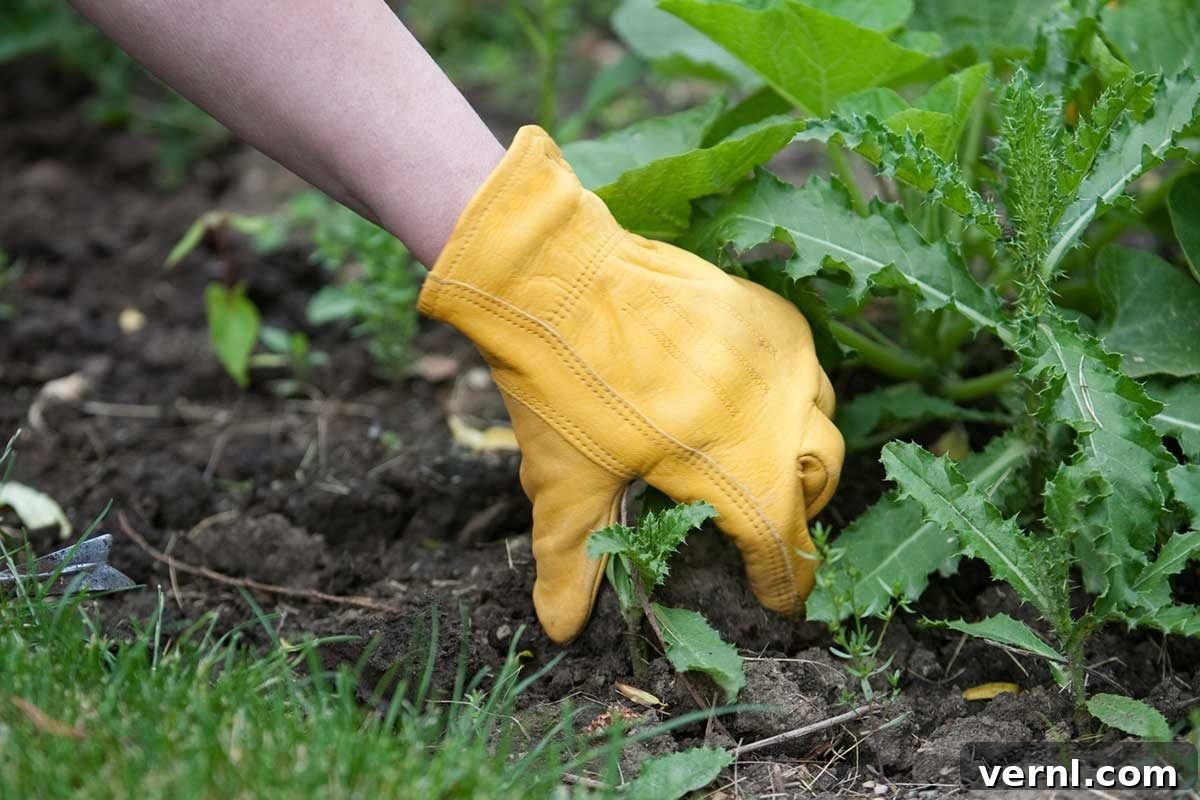
The persistent battle against unwanted plants in our gardens and lawns is a challenge as old as gardening itself. It’s a familiar scene in countless sitcoms and comic strips: the exasperated homeowner endlessly wrestling with stubborn weeds that seem to sprout overnight in meticulously kept flowerbeds and pristine lawns. This enduring image is a cliché for a very simple reason: weeds are a universal reality, thriving in nearly every climate and growing condition imaginable.
Yet, despite this common struggle, not every gardener or homeowner is equipped with the knowledge or strategy to effectively manage them. The good news? You don’t necessarily have to eradicate every single weed with the ferocity of extinguishing a fire. Effective weed control is often less about total annihilation and more about smart, sustainable management.
Dr. John Kauffman, regional technical manager for TruGreen lawn care, insightfully points out that weed control “is really a matter of personal preference.” The very definition of a weed is subjective: it’s simply a plant growing where it’s not wanted. This means a charming wild violet, a patch of clover, or even certain ornamental grasses can be deemed a nuisance by some, while others might appreciate their presence or naturalizing effect.
Bob Mann, director of the National Association of Landscape Professionals, echoes this sentiment: “One homeowner may have the expectation of no weeds at all, while another is quite pleased with them.” Regardless of your personal tolerance level, whether you’re tackling a small, isolated patch or a sprawling, weed-infested landscape, there are common missteps that can sabotage your efforts. Understanding and avoiding these pitfalls is key to achieving a healthier, more manageable outdoor space. Here’s a deeper look into these crucial mistakes.
Confusing Weeds With Plants You Want To Keep
It might sound humorous, but mistaking a desirable plant for a weed is a surprisingly common and frustrating error. While some weeds are undeniably distinct and easily identifiable, many others, especially in their early growth stages, can mimic legitimate garden plants, flowers, or even young vegetable seedlings. Imagine diligently pulling what you believe to be a pesky invader, only to realize later it was a budding perennial you painstakingly planted, or a young sapling you hoped to nurture. The consequences range from wasted effort to the irreversible loss of a cherished plant.
Before embarking on any weeding spree, thorough plant identification is paramount. Invest in a reliable plant identification resource. A good, traditional plant book, such as Botany in a Day, can be an invaluable companion, offering detailed illustrations and descriptions that don’t rely on an internet connection. For those who prefer digital tools, a plethora of online resources and plant-identification apps like PictureThis can help you quickly determine “what’s what” by simply uploading a photo. When using apps, try to capture clear images of leaves, stems, flowers (if present), and the overall growth habit for the most accurate results.
Beyond apps and books, observing the plant’s characteristics – its leaf shape, vein patterns, stem structure, and how it grows (e.g., in a rosette, creeping along the ground, or upright) – can provide critical clues. If you’re unsure about a new or unusual plant, err on the side of caution. It’s better to leave it for a few more days, allowing it to develop further distinguishing features, or consult with an experienced gardener or local nursery professional. Marking young, desirable plants with stakes or labels can also prevent accidental removal, especially when they are small and easily mistaken for weeds.
Not Pulling the Entire Root
When it comes to manual weeding, superficial effort often leads to endless frustration. Dr. Kauffman emphasizes a crucial point: “If you don’t get the entire plant, there’s a good chance it’ll grow back.” Many perennial weeds, in particular, possess an incredible ability to regenerate from even tiny fragments of their root systems. Missing a portion of the root is akin to giving the weed a second chance, allowing it to quickly regrow and re-establish itself, negating all your hard work.
This tenacious regrowth is particularly evident with common culprits like dandelions. Chris Lemcke, national technical director at Weed Man lawn care, specifically highlights the dandelion’s resilience: “Even removing a couple inches of root won’t kill it, as the dandelions can easily reproduce from the remaining root.” Other offenders such as bindweed, thistles, and dock are notorious for their deep taproots or creeping rhizomes, making complete removal essential yet challenging. If left, these root systems will simply resprout, often with renewed vigor.
To maximize your chances of success, timing is key. The best time to pull weeds is when the soil is moist – ideally after a rain shower or a thorough watering. Moist soil allows roots to slide out more easily, reducing the likelihood of breakage. Utilize appropriate tools like a weeding fork, dandelion digger, or a hori-hori knife, which are designed to help leverage and extract deep roots without excessive disturbance to surrounding plants. When pulling, grasp the weed firmly at its base and apply steady, consistent pressure, wiggling gently if necessary, to encourage the entire root structure to release. Always inspect the soil where the weed was extracted to ensure no significant root fragments have been left behind. While it’s true that sometimes you “just can’t” get every single piece, striving for complete root removal significantly reduces the frequency and intensity of your weeding efforts.
Trying To Manually Pull Every Weed
Manual weed pulling, when executed correctly, is an excellent, chemical-free method of control. For annual weeds or those that do not regenerate from roots, as Bob Mann notes, “manual pulling is a great idea.” He adds that “some plants are nearly immune to the effects of herbicides, making manual removal necessary if you want decent control.” This targeted approach is especially valuable in sensitive areas, such as vegetable gardens or near delicate ornamental plants, where chemical sprays could cause unintended damage.
However, it’s crucial not to underestimate the sheer time, energy, and physical demands involved in manually weeding an entire yard, especially if it’s large or heavily infested. The romantic notion of a leisurely weeding session can quickly dissolve into a grueling, back-breaking chore. Weeding is hard, repetitive work, often performed bent over or on your knees, under conditions that can be uncomfortably hot, humid, or sunny.
The physical toll can include back strain, knee pain, sun exposure, and general exhaustion. If the task feels overwhelming from the outset, you’re far more likely to quit midway through, leaving your yard in a state of partial disarray and the weeds to re-establish themselves. Mann perfectly captures this sentiment: “It is funny how even the smallest lawn turns into something the size of a golf course when you begin plucking weeds by hand.”
Instead of trying to manually tackle every single weed, adopt a strategic approach. Prioritize weeding in high-visibility areas, such as front flowerbeds or pathways, where a pristine appearance is most desired. For larger areas or heavy infestations, consider combining manual weeding with other methods like mulching, applying pre-emergent herbicides, or using specialized tools that reduce physical strain. Breaking the task into smaller, manageable chunks – perhaps 30 minutes a day or one section per week – can make it feel less daunting and more achievable, turning a colossal chore into a sustainable part of your gardening routine.
Using Weed Killer Without Reading the Label
Deciding to use a chemical weed killer can be an effective solution, but it comes with a non-negotiable prerequisite: reading the label. Simply opening the container and starting to spray without understanding the product is one of the most common and potentially harmful mistakes a gardener can make. Bob Mann stresses this point unequivocally: “If you’ve ever asked a professional for advice, the one thing you’ll always hear is, ‘Read the label instructions. Follow them exactly.’ It’s all too easy to mess this up, so take the time to read.”
Dr. Kauffman wholeheartedly agrees, stating, “It’s not always exciting reading, but it is so very important.” The product label is not merely a suggestion; it’s a legal document and your comprehensive guide to safe and effective use. It contains critical information that, if ignored, can lead to ineffective weed control, damage to desirable plants, harm to the environment, or even personal injury.
Key information found on herbicide labels includes:
- **Active Ingredients:** What chemicals are present and how they work.
- **Target Weeds:** Which specific weeds the product is designed to control. Using the wrong product for your weed type will be useless.
- **Application Rates:** The precise amount of product to use, often requiring dilution with water. Using too much can harm desirable plants, while too little will be ineffective.
- **Application Method:** Instructions on how to apply (e.g., spot treatment, broadcast spray, specific sprayer types).
- **Timing:** The best time of day or year to apply for maximum efficacy, often when weeds are actively growing.
- **Environmental Precautions:** Warnings about drift, runoff, and potential harm to pollinators or aquatic life.
- **Personal Protective Equipment (PPE):** What to wear for safe handling.
- **Re-entry Interval (REI):** How long people and pets must stay off the treated area.
- **Storage and Disposal:** Guidelines for safe storage and proper disposal of unused product and empty containers.
Ignoring these instructions can lead to unintended consequences, such as scorched landscape plants, contaminated waterways, or simply a waste of time and money due to improper application. Take the time to understand your chemical tools before you use them.
Spraying When It’s Windy
Applying herbicides on a windy day is a fundamental error that can have far-reaching and undesirable consequences. Bob Mann refers to this phenomenon as “drift,” an umbrella term that also encompasses herbicides. “The problem with drift is that it can carry a pesticide to a place where we do not want it to be,” he explains, “such as sensitive plants around the foundation of your house.”
Pesticide drift occurs when airborne particles of the spray are carried by wind currents away from the intended target area. The finer the spray droplets and the stronger the wind, the greater the potential for drift. The ramifications are serious:
- **Damage to Desirable Plants:** Herbicides meant to kill weeds can easily land on your prized flowers, shrubs, vegetable gardens, or even trees, causing irreversible damage, defoliation, or death.
- **Environmental Contamination:** Drift can carry chemicals into ponds, streams, or other waterways, harming aquatic life and potentially polluting drinking water sources. It can also affect beneficial insects, including pollinators, in unintended areas.
- **Neighbor Disputes:** Drift onto a neighbor’s property can damage their plants, leading to strained relationships or even legal issues.
- **Reduced Efficacy:** If a significant portion of the spray drifts away, less active ingredient reaches the target weeds, making the application less effective and requiring reapplication.
To minimize the risk of drift, always check the weather forecast before applying any spray. Mann strongly urges gardeners to read the label, which will often specify the maximum permissible wind speed for safe application (e.g., “do not apply if wind speed exceeds 10 mph”). Ideally, choose a calm day with little to no wind. If some air movement is unavoidable, consider applying during the cooler parts of the day when winds are typically lighter. Additionally, using coarser spray nozzles that produce larger droplets can reduce drift potential, as these droplets are heavier and less prone to being carried by the wind. Keep your spray nozzle as close to the target weeds as possible to limit their exposure to air currents.
Not Wearing Protective Gear
The casual comfort of shorts, T-shirts, and flip-flops or sandals is perfectly suited for relaxing in the yard with a good book. However, this attire is entirely inappropriate and potentially dangerous when applying weed killing products. Even “natural” or organic herbicides can be irritants, and chemical herbicides can pose significant health risks if they come into direct contact with your skin or eyes, or if their fumes are inhaled.
Your skin is your largest organ, and it’s capable of absorbing chemicals. Accidental splashes or prolonged exposure can lead to skin irritation, rashes, chemical burns, or even systemic absorption into the bloodstream, depending on the product. Mann correctly points out that product labels almost always advise users to wear specific protective gear for a reason. Essential Personal Protective Equipment (PPE) typically includes:
- **Long Pants and Long-Sleeved Shirt:** These create a crucial physical barrier between your skin and any potential spray or splash. Choose durable, washable fabrics.
- **Chemical-Resistant Gloves:** Standard gardening gloves are usually not sufficient. You need gloves specifically designed to resist chemical penetration, often made of nitrile, rubber, or neoprene.
- **Eye Protection:** Safety glasses or goggles are indispensable to shield your eyes from splashes, mists, or dust particles.
- **Closed-Toe Shoes or Boots:** Protect your feet from spills, splashes, or walking through treated areas. Avoid sandals or open-toed shoes.
- **Mask or Respirator:** While not always required for every product, a mask or respirator is advisable for powdered products, when spraying in poorly ventilated areas, or if the label warns about inhalation hazards.
Beyond your personal safety, the label will also specify a “re-entry interval” (REI), indicating how long you should keep children, pets, and other non-applicators off the treated lawn or garden area. This waiting period allows the product to dry, settle, or degrade to a safe level, minimizing exposure risks to vulnerable family members. Always adhere to these guidelines, ensuring a safe environment for everyone once your weeding task is complete. After application, it’s wise to wash your clothes separately from other laundry and take a shower to remove any lingering chemical residues from your skin.
Not Preventing Chemical Runoff
Chemical runoff is a significant environmental concern that often goes overlooked. It refers to the movement of chemical residues from the treated area to unintended locations, particularly neighboring waterways. This issue is not just an environmental one; it also reduces the effectiveness of your herbicide application, essentially washing away your effort and product. As Lemcke emphasizes, “Again, reading the label and following the directions to prevent it from running off or making a product work effectively is important.”
When herbicides run off, they can travel into storm drains, streams, rivers, lakes, and even groundwater, leading to serious consequences:
- **Water Pollution:** Contamination of aquatic ecosystems can harm fish, amphibians, and other wildlife. It can also render water unsafe for recreation or as a source of drinking water.
- **Damage to Non-Target Plants:** Runoff can carry active ingredients to areas of your garden or property where you desire plant growth, causing inadvertent damage or death to flowers, shrubs, or lawns.
- **Reduced Efficacy:** If the chemical is washed away before it has a chance to be absorbed by the weeds or soil, its weed-killing power is severely diminished, leading to poor results and the need for reapplication.
Preventing runoff requires careful planning and awareness of your surroundings and weather conditions. Mann advises gardeners to closely monitor the weather forecast and avoid treating weeds when rain is expected within 24-48 hours after application. This allows sufficient time for the herbicide to dry and absorb into the target plants or soil particles. Over-watering immediately after applying a product can also induce runoff, so adjust your irrigation schedule accordingly.
Consider the topography of your garden; sloped areas are more prone to runoff. If applying near water features, wells, or property lines, create buffer zones to minimize risk. Applying products in a targeted spot-treatment manner, rather than broadcasting over large areas, can also significantly reduce the overall chemical load and the potential for runoff. Responsible chemical stewardship means not only using products correctly but also ensuring they stay exactly where they are intended to be.
Overkill: The Dangers of Excessive Chemical Use
Since we’re on the topic of pesticides (and in this context, specifically herbicides), one of the most detrimental mistakes is the “more is better” mentality. Many gardeners mistakenly believe that exceeding the recommended dosage or combining multiple different herbicides will somehow yield faster or more complete results. This approach, however, almost invariably leads to “too many chemicals,” which, despite their efficacy in controlling weeds, are not completely benign.
The underlying principle of many selective herbicides used in ornamental beds or lawns is that desirable plants can tolerate their presence, while undesirable weeds cannot. This allows for the control of a dandelion without harming a daisy or your turfgrass. When you apply more than is recommended on the label, or use too many different herbicides altogether, you disrupt this delicate balance. The consequences can be severe:
- **Phytotoxicity to Desirable Plants:** Over-application can overwhelm the tolerance of your trees, shrubs, and flowers, leading to chemical burn, stunted growth, discolored foliage, or even death.
- **Environmental Damage:** Excess chemicals increase the risk of runoff, drift, and soil contamination, posing greater threats to water quality, beneficial insects, and local wildlife.
- **Reduced Efficacy and Resistance:** Ironically, using too much or the wrong combination of herbicides can sometimes be less effective. It can also contribute to the development of herbicide-resistant weed populations, making future control even more challenging.
- **Wasted Money:** You’re simply buying and applying more product than necessary, without any additional benefit, often with detrimental side effects.
Effective weed control is rooted in strategy and precision, not brute force. Always have a clear plan: correctly identify your weeds, choose the appropriate herbicide (selective or non-selective, pre-emergent or post-emergent), and apply it at the correct rate and time as specified by the manufacturer. And it cannot be overstated: always read, understand, and meticulously follow the label directions. The label is your ultimate guide for achieving successful weed control while safeguarding your plants, your property, and the environment.