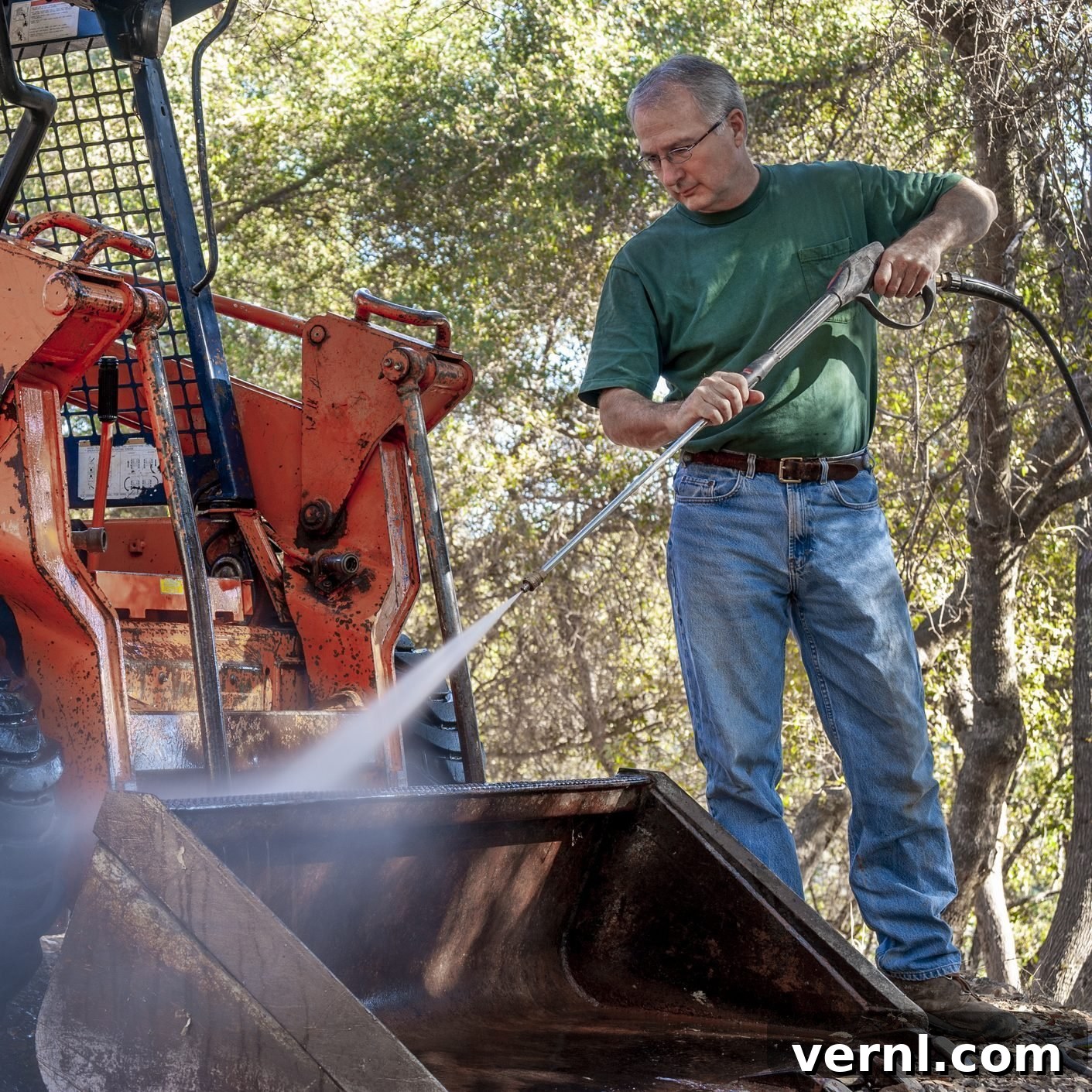
Unlock Superior Clean: The Ultimate Guide to Hot Water Pressure Washers
When it comes to tackling the most stubborn dirt, grease, and grime, a standard cold water pressure washer might not always cut it. While traditional pressure washers effectively blast away debris with high-pressure water, there are scenarios where elevated temperatures become an indispensable asset. This is precisely where hot water pressure washers shine, offering a significant boost in cleaning efficacy that cold water simply cannot match.
Most consumer-grade pressure washers dispense cold water, typically sourced from a standard garden hose. However, for those demanding situations where deeply embedded dirt, solidified grease, or sticky oils cling tenaciously to surfaces, hot water pressure washers provide a transformative solution. By integrating a heating element, these robust machines elevate water temperature, dramatically enhancing their ability to dissolve and dislodge even the toughest contaminants.
Given their complex design, heavier build, and higher price point compared to their cold-water counterparts, hot water pressure washers are predominantly aimed at commercial and industrial operators. Businesses in sectors like automotive repair, manufacturing, and food processing frequently rely on their superior cleaning power. Nevertheless, a growing number of serious DIYers and property owners are recognizing the value of investing in a hot water unit, especially if they regularly face daunting cleaning tasks on job sites, or frequently clean tools and equipment caked in oil and grease. For occasional, one-off projects requiring this specialized cleaning, renting a hot water pressure washer often proves to be the most practical and cost-effective solution.
It’s worth noting that regional terminology can sometimes lead to confusion. In certain parts of the country, hot water pressure washers are colloquially referred to as “power washers.” In other regions, professionals and homeowners alike tend to use “power washer” and “pressure washer” interchangeably, regardless of water temperature. For the sake of absolute clarity and consistency throughout this comprehensive guide, we will exclusively use the term “hot water pressure washer” to denote these high-performance, heated cleaning machines.
The Unmatched Benefits of Hot Water Pressure Washers
The core advantage of a hot water pressure washer lies in its ability to significantly amplify cleaning power by raising the water’s temperature. This isn’t just a minor improvement; it fundamentally changes the dynamics of how dirt and contaminants are removed from surfaces. Hot water is demonstrably more effective than cold water for several key reasons, making it superior for a range of challenging cleaning tasks.
- Superior Grease and Oil Removal: Hot water excels at breaking down and emulsifying fats, oils, and grease. Just as hot water makes dishwashing easier, it causes oil molecules to become less viscous and easier to lift from surfaces. This significantly reduces the need for harsh detergents and extensive scrubbing, leading to faster and more thorough cleaning of oily residues and stubborn stains.
- Effective Stain Eradication: Beyond grease, hot water is remarkably potent at tackling a wide variety of stubborn stains that cold water might only partially budge. From caked-on mud and grime to some types of organic stains, the thermal energy helps to loosen the bond between the stain and the surface, allowing the high-pressure spray to wash it away more efficiently.
- Enhanced Sanitation and Disinfection: One of the most critical benefits, especially in commercial settings, is the sanitizing effect of hot water. High temperatures are highly effective at killing germs, bacteria, viruses, and other microorganisms. This makes hot water pressure washers invaluable in environments requiring stringent hygiene standards, such as food processing plants, healthcare facilities, and agricultural operations. While not a substitute for chemical sterilization, it provides a powerful first line of defense against pathogens.
- Reduced Detergent Usage: Because hot water alone possesses significant cleaning properties, less detergent is often required to achieve a superior clean. This not only translates to cost savings on cleaning agents but also contributes to a more environmentally friendly cleaning process by reducing the discharge of chemicals into wastewater.
- Faster Cleaning and Drying Times: The enhanced cleaning power of hot water means that tasks can often be completed more quickly, boosting productivity. Furthermore, surfaces cleaned with hot water tend to dry faster than those washed with cold water, which can be a significant advantage in operations where downtime needs to be minimized or where rapid drying prevents mildew and mold growth.
- Improved Overall Finish: The combined effect of dissolving power, sanitation, and efficient rinsing often leaves surfaces not just clean, but sparkling and residue-free, providing a visibly superior finish.
Hot Water Pressure Washer Applications: Where They Truly Excel
The specialized capabilities of hot water pressure washers make them indispensable across a broad spectrum of industrial, commercial, and even specific heavy-duty residential applications. If you’re confronting surfaces marred by pervasive oil stains or an exceptionally heavy build-up of dirt and grime, a hot water pressure washer is often the most effective tool for the job.
They are ubiquitous in numerous industrial and transportation sectors where the imperative is to clean expansive, often heavily soiled surfaces or fleets of trucks, buses, and trailers. Consider these common applications:
- Automotive and Heavy Equipment Cleaning: Garages, mechanic shops, trucking companies, and construction sites heavily rely on hot water pressure washers to strip away caked-on mud, grease, oil, and road grime from vehicles, engines, and heavy machinery. This facilitates maintenance, enhances vehicle appearance, and prevents premature wear.
- Food and Beverage Industry: Due to their sanitation benefits, hot water pressure washers are critical in facilities handling food or pharmaceuticals. They effectively clean and sanitize processing equipment, floors, walls, and work surfaces, meeting strict health and safety regulations by eliminating bacteria and other contaminants.
- Agricultural Settings: Farms use these powerful cleaners to sanitize barns, remove animal waste from stalls, clean farm equipment, and maintain hygiene in milking parlors or feedlot areas, helping to prevent the spread of diseases.
- Manufacturing and Industrial Plants: For cleaning production lines, factory floors, machinery, and components where lubricants, coolants, and other industrial residues accumulate, hot water units are highly effective.
- Commercial Building Maintenance: While perhaps not for daily use on every surface, they are excellent for deep cleaning restaurant kitchens, commercial concrete pads, loading docks, and waste disposal areas where grease and heavy soil are prevalent.
- Oil and Gas Sector: Used for cleaning drilling equipment, pipelines, and spills, where oil and petroleum products are abundant and require thorough removal.
- Marine Applications: Essential for cleaning boat hulls, decks, and marine equipment to remove barnacles, algae, and saltwater corrosion, often combined with specialized detergents.
Now, while you wouldn’t typically use a hot water pressure washer for delicate outdoor kitchen surfaces, you will undoubtedly find them incredibly useful for other demanding domestic tasks. For instance, they come in exceptionally handy for thoroughly cleaning garage floors, driveways, or workshop surfaces that have accumulated stubborn oil and grease stains over time, revitalizing these areas and making them safer.
How a Hot Water Pressure Washer Works: The Science Behind the Heat
At its core, a hot water pressure washer operates on principles similar to a standard home water heater, but with the added complexity of a powerful pump and specialized heating system. The process begins with an external force applying pressure to the water. In a residential setting, this might be the local municipal water supply pressure; however, in a dedicated pressure washer, it’s the robust pump that generates the high-pressure flow.
Once the water enters the system, it passes through a heating coil or burner system. This is where the magic happens. Unlike a simple storage tank in a home water heater, a hot water pressure washer rapidly heats water as it flows through a coiled tube, usually wrapped around a powerful burner. The burner, fueled by various sources (diesel, kerosene, natural gas, or electricity), superheats the water to temperatures that can exceed 200°F (93°C), sometimes even reaching steam temperatures for specific applications. After being heated, this high-temperature, high-pressure water is then channeled through the hose and out of a specialized, hot-water-rated wand and nozzle, ready to tackle the toughest cleaning challenges.
Carr Lanphier, a seasoned home maintenance professional and CEO of Improovy, attests to the superior performance of hot water pressure washers for specific tasks. “I’ve used hot water pressure washers for stripping paint, and they consistently work better than regular cold water pressure washers, especially on older, caked-on layers,” he shares. He also highlights their exceptional ability for tasks like removing oil stains from driveways or garage floors. Lanphier emphasizes the importance of using appropriate cleaning agents: “You can certainly use detergent with pressure washers, with the critical caveat that it really should be a commercial-grade product specifically designed and marketed for use in your particular washer. Anything else can risk damaging the seals, pump, or heating coil, leading to costly repairs.”
Essential Maintenance for Longevity
Maintaining a hot water pressure washer is crucial for ensuring its longevity and optimal performance. Lanphier further advises, “When it comes to maintenance, if you’re using your hot water pressure washer pretty frequently, say several times a week, then you should be draining the water from the system on a weekly basis to prevent scale buildup and corrosion.” Beyond this regular task, a more comprehensive maintenance schedule should be adhered to every three months or so. This typically includes vital checks and services such as changing the oil in the pump, inspecting and cleaning or replacing the air filter (for gas-powered units), checking spark plugs, and conducting a general cleaning and upkeep of the burner and entire washer unit. Proper maintenance prevents costly breakdowns and ensures consistent, powerful cleaning.
Types of Hot Water Pressure Washers: Finding Your Perfect Match
While the fundamental principle remains the same, hot water pressure washers come in various configurations designed to meet diverse needs and preferences. For most DIYers considering this significant investment, and certainly for commercial operators, the primary features to meticulously evaluate are the body type, the motor fuel type, and the burner fuel type.
Body Type: Combo vs. Conversion Units
The architecture of a hot water pressure washer typically falls into two main categories:
- Combo Units: As the name suggests, a combo unit is a single, integrated machine that combines a standard cold water pressure washer pump with a hot water heating tank or coil, all mounted onto a single frame. These are self-contained systems, offering maximum convenience and portability for a complete hot water cleaning solution. Their integrated design means less setup time and a more compact footprint for transport and storage, though they are still substantial in size and weight. Combo units are ideal for users who consistently require hot water for their cleaning tasks.
- Conversion Units: A conversion unit, also known as a hot box or hot water module, is a standalone burner system. It’s designed to be used in conjunction with an existing cold water pressure washer, effectively “converting” it into a hot water system. The cold water output from your standard pressure washer is fed into the conversion unit, where it is heated before being dispensed through a hot-water-rated wand and nozzle. Conversion units typically occupy more space when set up but offer greater flexibility. They are an excellent choice if you don’t always need the extra cleaning power of hot water, allowing you to use your cold water washer independently, or if you wish to upgrade an existing high-quality cold water unit. It’s crucial that the wand, hose, and nozzle used with a conversion unit are explicitly rated for hot water to prevent damage or injury. Conversion units can be stationary for fixed locations or mounted onto carts for mobility.
Motor Fuel Type: Gasoline vs. Electric Power
The motor powering the pump of a hot water pressure washer typically runs on one of two fuel sources:
- Gas-Powered Motors: These are generally the preferred choice for applications requiring very high pressure (PSI) and high flow rates (GPM), and particularly when working in areas where electricity is unavailable or unreliable. Gas engines offer unparalleled portability and power, making them ideal for large-scale commercial, industrial, or remote job site cleaning. However, they are louder, require more maintenance (oil changes, spark plugs, fuel filters), and produce exhaust emissions.
- Electric Motors: Electric-powered units are often lighter, quieter, and boast lower maintenance requirements because they lack internal combustion components. They produce zero emissions during operation, making them suitable for indoor use or environments where air quality is a concern. The main limitation is their reliance on an electrical outlet, which may restrict their reach and power output compared to gas models, especially for very heavy-duty tasks. Commercial electric units often require 220V or 480V three-phase power.
Burner Fuel Type: Heating the Water
The burner, responsible for heating the water, can operate on several different fuel types. The choice often comes down to cost, availability, and existing infrastructure:
- Diesel: Diesel is one of the most common burner fuels for commercial hot water pressure washers due to its efficiency and relatively widespread availability. It’s a powerful heating agent and is often the most cost-effective for continuous, heavy use.
- Heating Oil/Kerosene: Similar to diesel, heating oil and kerosene are also efficient and widely used, especially in areas where these fuels are readily accessible for other equipment.
- Gasoline: Some smaller, portable units might use gasoline for the burner, often matching the motor fuel type for convenience, though gasoline burners are less common for larger industrial heaters.
- Electricity: Electric burners provide a clean, fume-free heating option, which is crucial for indoor applications or sensitive environments. However, they typically require significant electrical power and might be less efficient or slower to heat water to very high temperatures compared to fossil fuel burners.
- Liquid Propane (LP): Propane burners offer a clean-burning alternative to diesel or heating oil, producing fewer emissions. They are often used in situations where diesel fumes are undesirable or where propane is already used for other equipment. They require propane tanks, which need to be refilled or exchanged.
When selecting a burner fuel, a practical approach is to choose a type that aligns with fuels you already have on hand or that are easily accessible. For example, avoid purchasing a diesel-fueled burner if you don’t already own diesel-fueled vehicles or tools, as it adds an extra layer of fuel management.
Hot Water Pressure Washer Buying Considerations: Making an Informed Investment
Investing in a hot water pressure washer is a significant decision that requires careful thought. These powerful machines come with a higher price tag and specific operational requirements. To ensure you select the best unit for your needs, consider the following critical factors:
- Size and Weight: Hot water pressure washers are inherently heavy. Even a relatively modest commercial model can weigh anywhere from 300 to over 1000 pounds when empty. This substantial weight is due to the robust chassis, the powerful pump, and especially the heavy-duty heating coil and burner system. Keep this firmly in mind when planning for storage space, assessing transportation logistics (e.g., will it fit in your truck or trailer?), and considering maneuverability around your work site. Larger units may require specialized equipment for loading and unloading.
- Fuel Type (Motor and Burner): This consideration is multifaceted. For the motor, decide between gasoline for maximum power and portability (especially in remote areas) or electric for quieter operation, lower maintenance, and zero emissions (ideal for indoor use if sufficient power is available). For the burner, match the fuel type (diesel, kerosene, propane, electricity) with what is most readily available and cost-effective for your operation. Consider the environmental impact, fuel storage requirements, and the specific regulations of your work environment.
- Conversion Unit or Combo Unit: Your choice here hinges on flexibility and space. A combo unit is a single, integrated machine, taking up less storage space as one consolidated tool and being generally easier to move around a job site. It’s the go-to for consistent hot water cleaning. Conversely, a conversion burner takes up more space when paired with a cold water washer but offers significant convenience if you don’t always require the additional cleaning power of hot water. It allows you to utilize your cold water pressure washer independently for lighter tasks.
- Water Pressure in Pounds per Square Inch (PSI): PSI quantifies the force with which water is expelled from the nozzle. A higher PSI indicates a more aggressive cleaning action, making it highly effective against dense dirt, tough stains, and hardened grime. However, be cautious: excessive PSI can damage softer materials like wood, painted surfaces, or certain types of masonry. For general home use, 2000-3000 PSI is often sufficient. Commercial-grade hot water units typically range from 3000 to over 5000 PSI. Always select a PSI level appropriate for the surfaces you intend to clean. Remember, the nozzle’s spray angle also significantly impacts the effective pressure and coverage area.
- Flow Rate in Gallons Per Minute (GPM): GPM measures the volume of water flowing out of the nozzle per minute. While PSI provides the “push,” GPM dictates the “rinse” and overall cleaning speed. A higher water flow means more water is applied to the cleaning surface, which is crucial for rinsing away dislodged dirt, soap, and contaminants quickly and effectively. High GPM is particularly advantageous when using detergents, as it helps distribute and rinse them more efficiently. For heavy-duty industrial applications, a good balance of high PSI and high GPM is essential for both breaking down and washing away substantial debris.
- Additional Features and Build Quality: Look for features like durable, commercial-grade pumps (e.g., triplex plunger pumps), robust frame construction (often powder-coated steel), integrated hose reels, pneumatic tires for easier transport, onboard detergent tanks, and various safety features (e.g., thermal relief valves, low-water shutoffs). A longer hose provides greater reach without moving the machine. Consider the brand’s reputation for reliability and the availability of parts and service. A solid warranty is also a strong indicator of manufacturer confidence.
How Much Do Hot Water Pressure Washers Cost?
Hot water pressure washers represent a significant investment and are certainly not an impulse purchase. Due to their complex design, robust components, and the integrated heating system, a hot water pressure washer will, in general, cost substantially more – often around 5 to 10 times more – than a comparable cold water pressure washer with similar PSI and GPM ratings. The added material costs, engineering complexity, and the sheer weight of the burner, heating coil, and related safety systems drive the price up considerably.
For a good quality, entry-level commercial hot water pressure washer, you can expect a working budget to range from $3,000 to $6,000, with more powerful or feature-rich industrial models easily exceeding $10,000 or even $20,000. This wide price range reflects varying power levels, fuel types, build qualities, and added functionalities.
For individuals or businesses with a short-term project or infrequent need, renting a hot water pressure washer is often a far more economical and practical option. Rental prices can vary significantly based on location, the specific model’s power, and the duration of the rental. Typical rental rates for a capable hot water pressure washer generally fall in the range of $150 to $400 per day, with weekly and monthly rates often offering better value.
A Critical Caveat: Beware of Misleading Claims!
While researching prices, you might encounter some pressure washers claiming to be “hot water pressure washers” in the much lower $200 to $500 range. It is crucial to understand that these units fundamentally differ from true hot water pressure washers. These lower-cost models do not possess an internal heating element or burner. Instead, they are designed to utilize an existing warm water supply from a threaded faucet, hose bib, or residential water heater spigot. According to their product specifications, the maximum temperature output from such units is often limited to around 104°F (40°C), which is frequently cooler than standard hot tap water in many households. These units are effectively “warm water compatible” but lack the powerful, integrated heating capabilities of a genuine hot water pressure washer designed for industrial-strength cleaning. Always verify that a unit has a dedicated burner and heating coil if true hot water cleaning is your objective.
Best Hot Water Pressure Washers
Selecting the “best” hot water pressure washer depends heavily on your specific needs, budget, and intended applications. The following examples represent highly-regarded models in their respective categories, offering a blend of performance, durability, and value. Remember to always compare specifications and read reviews to ensure the unit meets your unique requirements.
Best Value
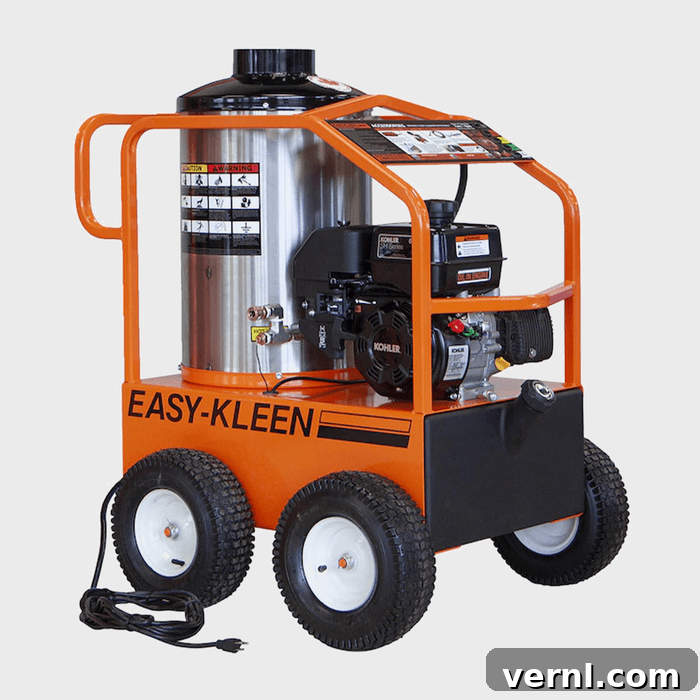
Easy Kleen pressure washers are well-regarded for their robust build and performance, often carried by major retailers like Lowe’s and The Home Depot. Easy Kleen’s entry-level commercial model offers an excellent balance of power and cost-effectiveness for serious users. This particular unit Easy Kleen Commercial Series is rated at a solid 2,700 PSI and a flow rate of three GPM. Powered by a reliable gas engine and featuring an oil-heated burner, it is designed for demanding tasks. It comes equipped with a 50-foot hose for ample reach and weighs 364 pounds when empty, indicating its sturdy construction.
Best Splurge
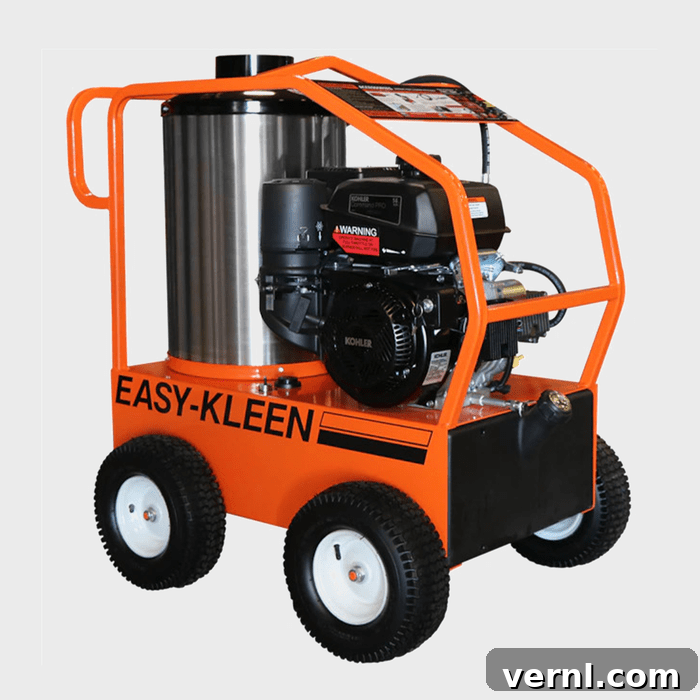
For those requiring a significant step up in raw power and uncompromising performance, this advanced Easy Kleen model is an exceptional choice. This Easy Kleen Commercial Series unit boasts an impressive rating of 4,000 PSI and a flow rate of 3.5 GPM, making it suitable for the most challenging industrial and commercial cleaning applications. It features a high-efficiency oil-heated burner for superior heat generation and is powered by a robust Kohler gas engine, complete with a user-friendly electric starter for convenient operation. Weighing 430 pounds empty, its substantial build underscores its heavy-duty capabilities and durability designed to withstand rigorous daily use.
About the Expert
- Carr Lanphier is a highly experienced painter and maintenance professional. He is the CEO of Improovy, a reputable company offering comprehensive painting and restoration services across the greater Chicago area. His practical insights and deep understanding of maintenance challenges make him a trusted authority in the field.