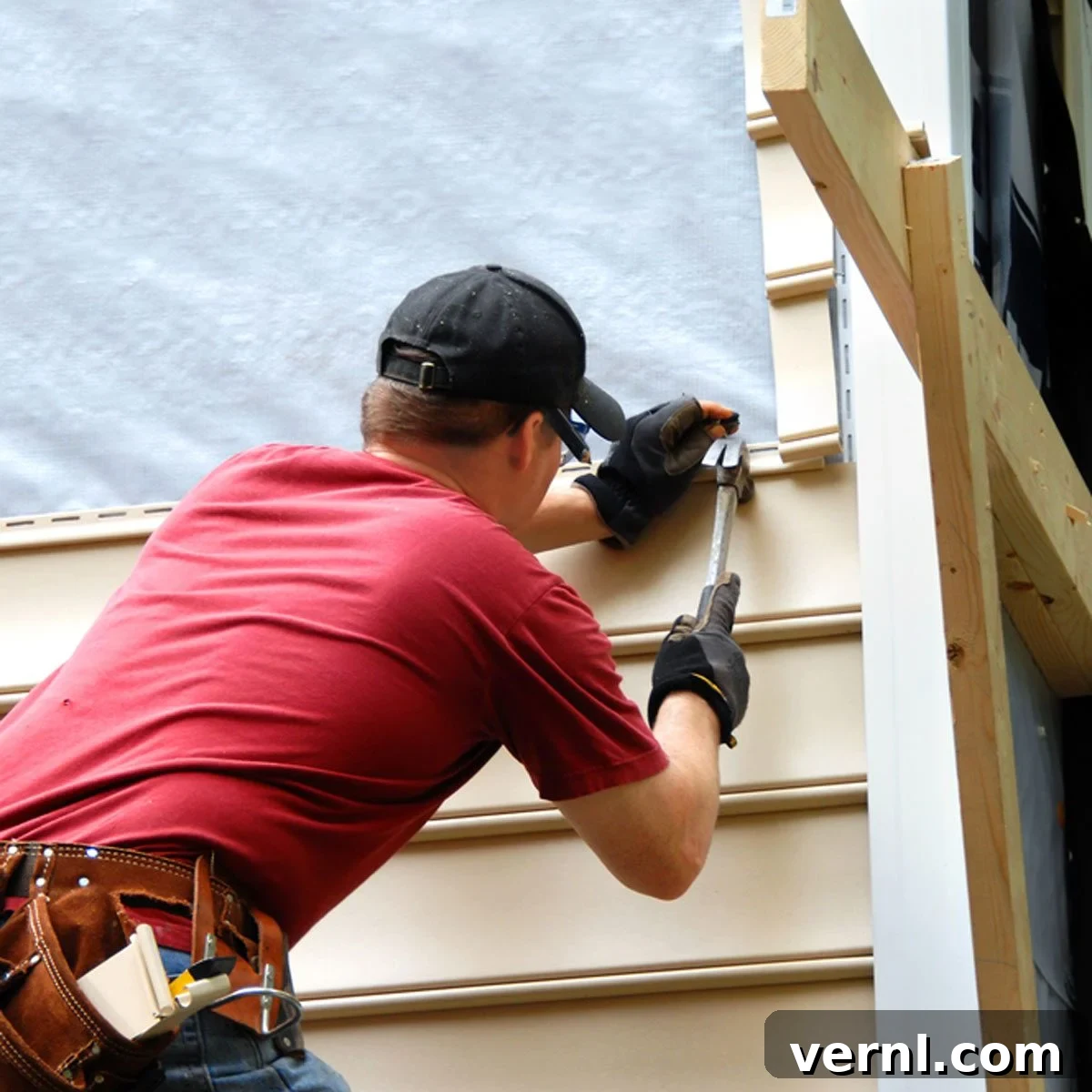
Choosing the right siding for your home goes far beyond mere aesthetics. It serves as your property’s primary protective layer, shielding it from the relentless assault of weather elements, contributing significantly to its structural integrity, and playing a pivotal role in long-term house maintenance expenses. A thoughtful selection of exterior cladding can dramatically enhance your home’s curb appeal, boost its energy efficiency, and ultimately add substantial value. The key lies in finding a siding material that harmoniously blends visual appeal with exceptional durability and manageable maintenance requirements, ensuring a smart investment for your most valuable asset.
Navigating the Siding Selection Process: How to Choose the Perfect Exterior for Your Home
The journey to selecting the ideal exterior cladding can feel overwhelming, given the vast array of materials, profiles, and finishes available on the market today. “With so many materials and profiles to choose from, deciding on exterior cladding for your home can be a challenge,” observes Derby Building Products CEO Ralph Bruno. He highlights the evolving demands of contemporary homeowners: “Today’s savvy consumers demand low maintenance, while the architectural trends call for mixed-material styles with varied textures and colors. Finding the right balance between fit and function is crucial.”
Beyond personal preference and current trends, a critical factor to consider is your home’s geographical location and the specific climate it endures. Gregg Hicks, Vice President at Modernize, emphasizes this point: “Make sure to keep climate and weather in mind.” He elaborates on regional differences, stating, “The Pacific Northwest experiences large amounts of rain, while the Southeast experiences strong storms, hurricanes and harsh sunlight. It’s important that homeowners select siding that can withstand their region’s elements and partner with a local professional who has local knowledge to determine the best siding for your home.”
When making your decision, consider the following key aspects:
- Climate and Weather Resistance: Does your region experience heavy rainfall, intense UV exposure, high winds, extreme temperature fluctuations, or humidity? Your siding must be engineered to stand up to these specific challenges.
- Maintenance Requirements: Are you seeking a low-maintenance solution, or are you prepared for regular upkeep? This significantly impacts long-term costs and homeowner effort.
- Aesthetics and Architectural Style: The siding should complement your home’s architectural design and your personal taste, contributing to its overall curb appeal.
- Budget: Consider both the initial installation cost and potential long-term maintenance and repair expenses.
- Energy Efficiency: Some siding options offer better insulation properties, which can lead to reduced heating and cooling costs.
- Durability and Lifespan: How long do you expect the siding to last, and how well will it resist common issues like pests, rot, fire, or impact damage?
- Environmental Impact: For eco-conscious homeowners, the sustainability of the material, its production process, and recyclability might be important considerations.
Exploring the Most Common Types of Home Siding
To assist you in navigating the diverse landscape of exterior cladding options, here is a detailed overview of the most prevalent home siding materials available for both new construction and renovation projects.
Natural Wood Siding
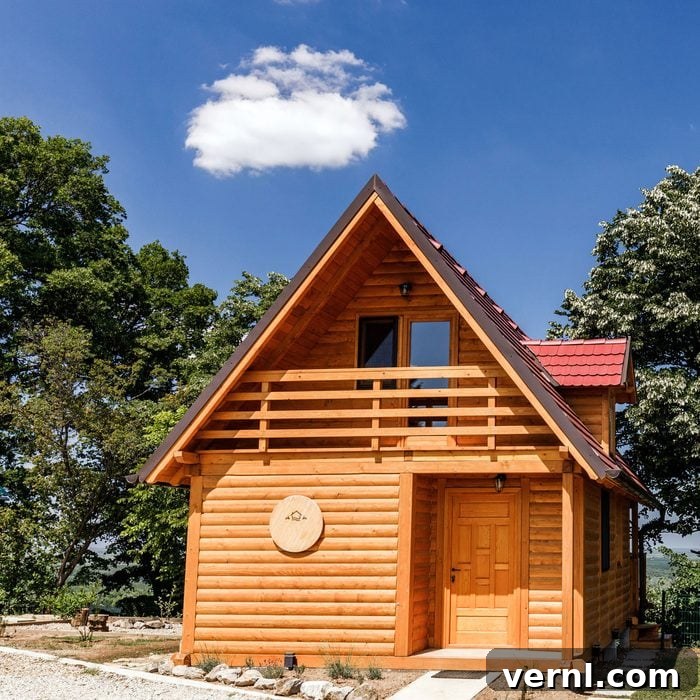
Natural wood siding remains a timeless and highly sought-after option, imparting an elegant and classic appeal to any home, whether historic or contemporary. Its inherent texture, warmth, and unparalleled curb appeal are difficult to replicate. Common choices include cedar, redwood, pine, and cypress, each offering unique grain patterns and characteristics. While undeniably beautiful, natural wood also stands as one of the more significant investments, both in terms of initial installation costs and the continuous, diligent upkeep required for its long-term preservation. Explore more types of wood siding to find the perfect fit for your home.
Pros:
- Unmatched Aesthetics: Evokes a high-end, classic, and warm appeal that significantly boosts curb appeal.
- Design Versatility: Easy to customize and refresh by restaining or painting, allowing homeowners to easily change their home’s exterior color scheme as trends evolve or preferences shift.
- Diverse Styles: Available in a wide variety of profiles such as bevel, tongue-and-groove, clapboard, shingles, and shakes, offering extensive design flexibility to match different architectural styles.
- Eco-Friendly Option: As a renewable resource, wood is considered an environmentally responsible choice, especially when sourced from sustainably managed forests.
- Good Insulation: Offers natural insulating properties, helping to regulate indoor temperatures.
Cons:
- High Cost: Generally among the most expensive siding options for both material purchase and professional installation.
- Intensive Maintenance: Requires significant and regular maintenance, including cleaning, sealing, painting or staining every few years to prevent weathering, warping, rotting, or fading over time.
- Susceptible to Damage: Prone to issues like pests (termites, carpenter ants), mold, mildew, and rot, particularly in damp climates, necessitating vigilant inspection and treatment.
- Fire Risk: Untreated wood has a higher flammability risk compared to many other siding materials.
Engineered Wood Siding
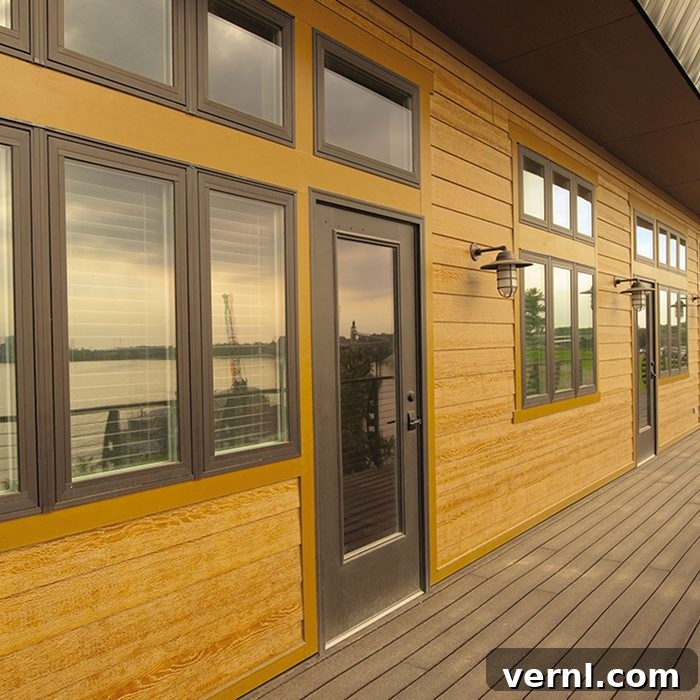
For homeowners who desire the classic elegance and texture of natural wood without the extensive long-term maintenance challenges, engineered wood siding presents an ideal alternative. This innovative composite material is typically manufactured from a blend of treated wood fibers or strands, combined with polymer resins or waxes, and then pressed under high heat and pressure to create panels or boards that mimic the appearance and texture of real wood. This manufacturing process makes it significantly more durable and stable than traditional wood.
Engineered wood siding offers a vast palette of styles and colors. You can select products with factory-applied, baked-in colors for immediate installation and lasting vibrancy, or opt for primed panels that allow you to apply your own custom paint color, offering complete design control. Learning about the cost to replace siding with engineered wood can help you budget effectively for this durable option.
Pros:
- Aesthetic Appeal with Reduced Upkeep: Delivers a curb appeal very similar to natural wood but comes with substantially lower installation and long-term maintenance costs and effort.
- Easy Installation: Often available in larger panels or longer boards, which can significantly expedite the installation process compared to individual wood planks.
- Variety of Styles: Available in diverse styles such as bevel, tongue-and-groove, clapboard, shingles, and shakes, providing versatile design options.
- Enhanced Durability: Engineered to resist common wood problems like warping, cracking, splitting, and protection against pests and fungal decay, thanks to its specialized manufacturing process.
- Eco-Friendly Aspects: Utilizes wood by-products and often comes from sustainable forestry practices, making it a more environmentally conscious choice than some other materials.
Cons:
- Moisture Susceptibility: While treated, it can still be susceptible to mold and mildew if moisture penetrates or gets trapped behind the siding, particularly if not installed correctly or if protective coatings are compromised.
- Color Permanence: For some brands and factory-finished products, the color or stain shade is permanent, meaning you cannot easily change the look of your home’s exterior in the future without significant effort or re-siding.
- Initial Cost: More expensive than vinyl, though generally less costly than premium natural woods or fiber cement.
- Repair Challenges: Repairing damaged sections might be more challenging than with natural wood, potentially requiring panel replacement rather than simple sanding and patching.
Vinyl Siding
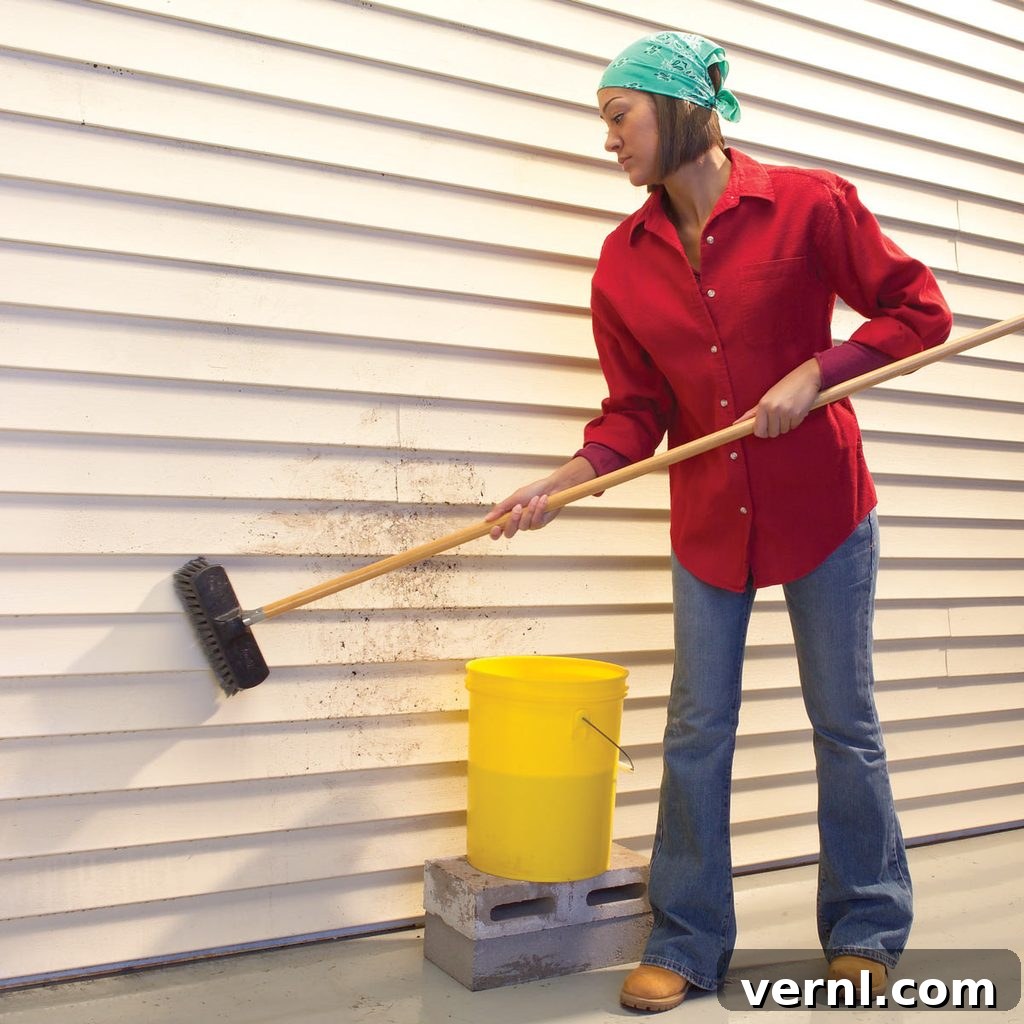
Vinyl siding is a ubiquitous sight across residential landscapes in the U.S., a testament to its widespread popularity. This material has become a crowd-pleaser primarily due to its highly competitive budget price point, coupled with an almost endless selection of colors, profiles, and styles. From classic horizontal “boards” that mimic traditional clapboard to trendy square “shakes” and even elegant scalloped panels, vinyl offers remarkable design flexibility. Known for being one of the easiest sidings to install and maintain, vinyl siding is an excellent choice for homeowners working with a limited budget or seeking a low-fuss exterior solution.
Pros:
- Most Affordable Option: Typically the most budget-friendly siding choice, offering significant cost savings on both material purchase and installation, as well as minimal maintenance expenses.
- Extensive Design Choices: Available in an incredibly wide variety of styles, textures, and colors, allowing for diverse aesthetic expressions to suit almost any home design.
- Low Maintenance: Requires little more than occasional washing with soap and water to keep it clean and looking new, eliminating the need for painting or sealing.
- Easy Installation: Its lightweight nature and interlocking panels make it relatively quick and straightforward to install, further contributing to its cost-effectiveness.
Cons:
- Durability Concerns: “Durability really depends on the maintenance applied and the local weather,” as Hicks notes. It can become brittle in cold weather, prone to cracking, warping, or melting under intense heat or direct sunlight.
- Poor Insulator (Low R-value): Basic vinyl siding offers very little insulating effect (low R-value), meaning it does not significantly contribute to your home’s energy efficiency. It can also expand and contract with temperature changes, creating gaps.
- Permanent Color: The color is baked into the material and cannot be repainted. This means you are permanently committed to the chosen color, and if it fades or becomes stained, options are limited.
- Moisture Trapping Risk: Known to potentially trap moisture inside walls if not installed with proper drainage and ventilation, which can lead to hidden mold, mildew, and decay of the underlying wood structure.
- Potential for Decreased Home Value: In some markets or for certain architectural styles, particularly historic homes, vinyl siding can be perceived as a lower-quality material and may even lower the overall value of your home, especially if it covers original, more valuable siding materials.
- Environmental Impact: Made from PVC (polyvinyl chloride), it is not considered eco-friendly during its production due to chemical processes, nor at the end of its lifespan, as it is difficult to recycle effectively.
Insulated Vinyl Siding
Representing a significant upgrade from its basic counterpart, insulated vinyl siding integrates a layer of solid rigid foam insulation, typically expanded polystyrene (EPS), directly behind the vinyl panel. This innovative design marries the aesthetic advantages and low maintenance of traditional vinyl with enhanced thermal performance and durability. This additional insulation helps to create a continuous thermal barrier around your home, leading to noticeable savings on utility bills and a more comfortable interior environment.
While this upgraded vinyl option naturally comes with a higher price tag than standard vinyl, it still remains one of the most affordable choices when considering materials that offer both aesthetic appeal and energy-saving benefits. Homeowners can select from a broad spectrum of colors and styles, many of which are designed to convincingly mimic the look of real wood. Furthermore, many leading brands have significantly improved the quality of insulated vinyl by incorporating UV-resistant finishes and enhancing rigidity, making it more resilient against strong winds and impact damage.
Pros:
- Cost-Effective with Added Benefits: Remains relatively affordable compared to many other high-performance sidings, offering a great balance of cost-effective installation, low maintenance, and energy efficiency.
- Improved Energy Efficiency: The integrated insulation significantly boosts the R-value, helping to lower energy bills by reducing heat loss in winter and heat gain in summer. It also provides an additional barrier against ambient noise.
- Enhanced Durability: The insulating foam behind the panels provides greater rigidity, making them less prone to dents, cracks, and warping compared to basic vinyl siding, and better able to withstand impacts.
- Aesthetic Variety: Offers a wide variety of colors and styles, many expertly crafted to realistically mimic the texture and appearance of natural wood or other premium materials.
- Seamless Appearance: The thicker panels often create straighter wall lines and fewer seams, contributing to a more premium and uniform exterior finish.
Cons:
- Limited Durability Compared to Premium Options: While improved, it is still among the least durable siding types when compared to materials like fiber cement, brick, or stone, and can still be susceptible to extreme weather conditions over time.
- No Repainting Option: Similar to basic vinyl, it cannot be repainted if the color fades or if you wish to update your home’s exterior aesthetic, locking you into your initial color choice.
- Potential for Moisture Trapping: Despite improvements, improper installation can still allow moisture to become trapped inside the walls, potentially leading to the decay of your house’s underlying wood frame and other structural issues.
- Impact on Home Value: While better than basic vinyl, it may still be perceived as less prestigious than natural materials, potentially lowering your home’s value, particularly on historic or high-end properties.
- Environmental Concerns: The PVC material, along with the foam insulation, presents environmental challenges during production and remains a difficult material to recycle responsibly at the end of its lifespan.
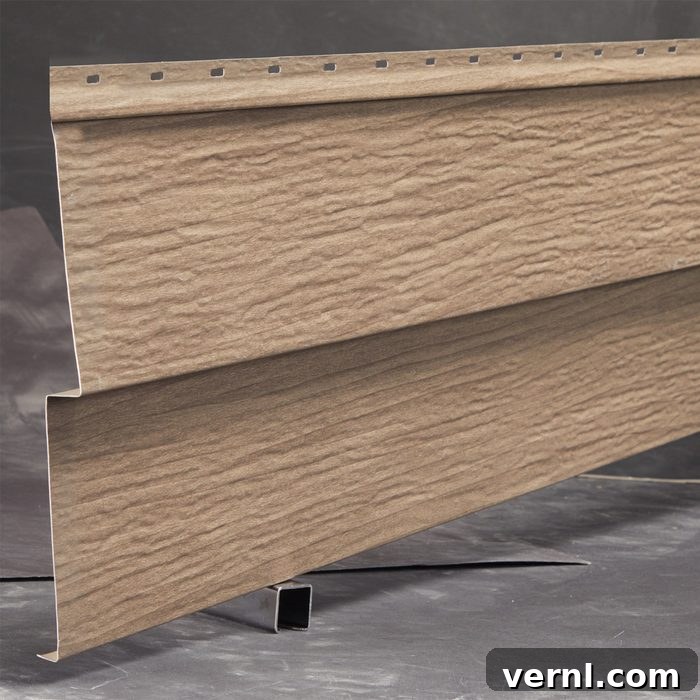
Steel or Aluminum Siding
Despite its potentially high upfront cost, metal siding, encompassing both steel and aluminum, has seen a surge in popularity due to its exceptional durability, longevity, and remarkably low long-term maintenance requirements. These attributes make it an attractive option for homeowners seeking a robust and worry-free exterior.
Significant advancements in manufacturing have vastly improved the aesthetic appeal of metal siding. Many contemporary brands now offer an impressive range of patterns, textures, and finishes that faithfully mimic the natural beauty of wood, complete with realistic grain patterns. With its inherent resistance to the elements, including harsh weather, mold, insects, and fire, pre-painted metal siding can provide up to 20 years of virtually maintenance-free service, offering peace of mind and substantial savings on upkeep.
Pros:
- Cost-Effective Aluminum: Aluminum siding is relatively inexpensive to purchase and install compared to many other durable materials, offering a good balance of cost and performance.
- Exceptional Durability and Low Maintenance: Both aluminum and steel are incredibly durable materials, resistant to rot, pests, fire, and extreme weather. They require very little maintenance beyond occasional cleaning.
- Eco-Friendly (Recyclable): Metal siding is highly recyclable at the end of its long lifespan, making it a more environmentally sustainable choice compared to many plastic-based sidings.
- Variety of Styles: Modern metal siding comes in various profiles, including horizontal panels, vertical panels, and even styles that mimic shakes or shingles, offering significant design flexibility.
- Resistant to Fading (Steel): High-quality steel siding with advanced coatings is highly resistant to fading and chalking.
Cons:
- High Cost for Steel: Steel siding can be expensive to purchase, and its installation, which often requires specialized tools and expertise, can be time-consuming, significantly driving up the overall project cost.
- Aluminum Denting and Fading: Aluminum siding can dent relatively easily from impacts, and its color can fade or develop a chalky residue over time due to UV exposure.
- Rust Potential for Steel: While treated, steel siding is prone to rust if its protective coating is scratched or compromised, especially in humid or coastal environments.
- Limited Insulation: Neither aluminum nor steel siding offers significant insulation for temperature or noise on its own. Additional insulation must be installed underneath to improve energy efficiency and sound dampening.
- Noise from Expansion/Contraction: Metal siding can sometimes produce expansion and contraction noises (“popping”) during significant temperature fluctuations.
Fiber Cement Siding
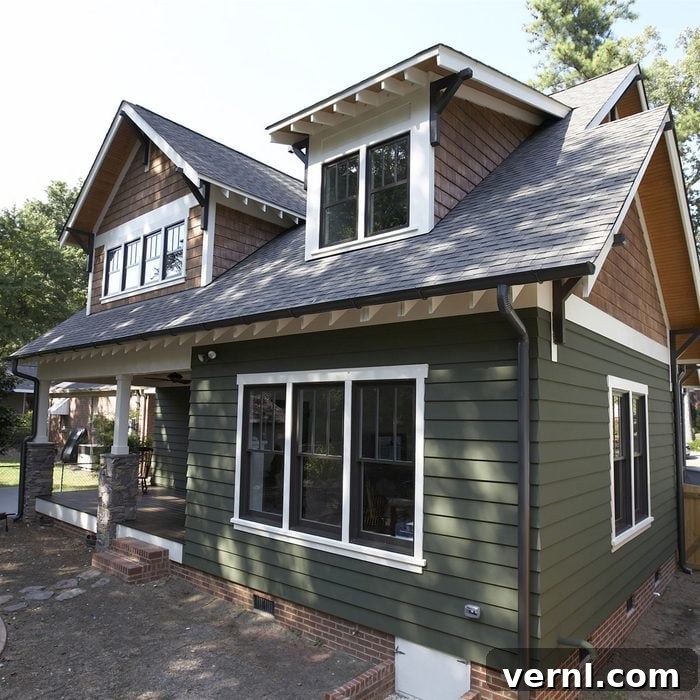
Fiber cement siding is a high-quality composite material that has revolutionized exterior cladding since its invention in the 1980s by the Australian company James Hardie Inc. Its exceptional durability is a hallmark, with some brands offering impressive warranties of up to 50 years, attesting to its long-lasting performance.
This robust material is crafted from a unique blend of wood pulp, Portland cement as a binder, sand, and water. The resulting composite effectively combines the inherent strength and resilience of masonry with the versatile aesthetic appeal of painted wood. Fiber cement siding is remarkably resistant to fire, moisture, and pests, making it a virtually worry-free exterior. Its low maintenance requirements, coupled with the ability to be painted any color, offer immense design flexibility. It comes in a wide range of styles, including traditional clapboards, contemporary panels, and various exterior trim options, allowing it to complement diverse architectural styles.
Pros:
- Exceptional Durability: Recognized as one of the most durable types of siding available, fiber cement is highly resistant to virtually everything from harsh UV exposure and extreme winds to hail, rot, insects, and even fire.
- Excellent Paint Retention: This material holds paint exceptionally well. When factory-painted by the manufacturer, finishes can often last up to 15 years before needing a repaint, significantly extending maintenance cycles.
- Environmentally Neutral: Fiber cement is considered environmentally neutral. At the end of its long lifespan, it breaks down into inert substances, posing minimal environmental impact.
- Design Versatility: Available in a wide array of textures and profiles, including smooth, wood grain, stucco, and various board and panel styles, allowing for extensive customization.
- Fire Resistance: Its cementitious composition makes it highly fire-resistant, providing an important safety benefit.
Cons:
- Low R-value: Fiber cement itself has a relatively low R-value, meaning it is not a good insulator on its own. Additional insulation may be required behind it to improve energy efficiency.
- Higher Cost than Vinyl: While offering superior performance, it is more expensive than vinyl siding in terms of both material and installation costs.
- Professional Installation Required: Due to its weight and specific installation requirements (e.g., specialized tools for cutting, proper clearance from ground), fiber cement often necessitates installation by a professional crew, which can drive up the overall project cost.
- Weight: Its heavy nature makes DIY installation impractical and requires strong structural support.
Stucco
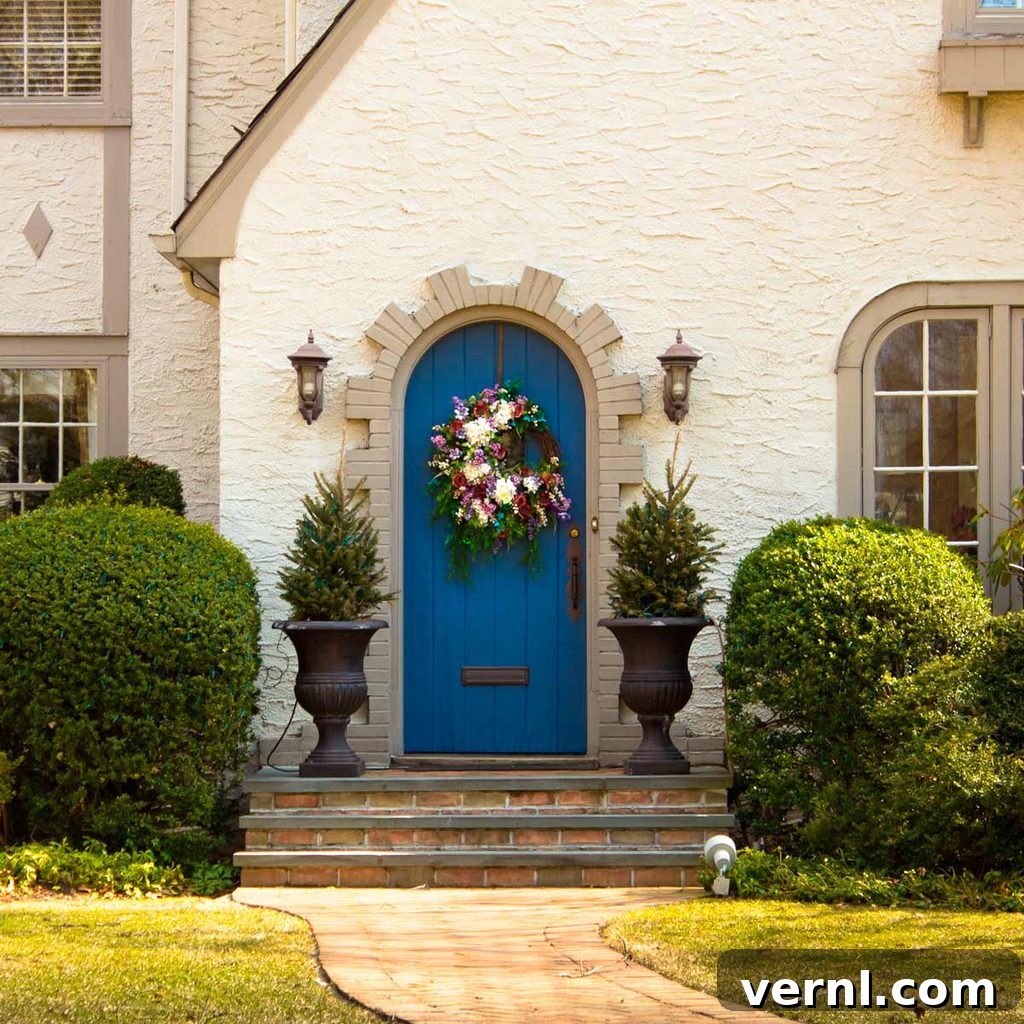
Stucco, an exterior cladding material with roots dating back to ancient times, continues to be a favorite due to its classic elegance, remarkable durability, and highly customizable range of colors and textures. Its enduring appeal makes it a popular choice for homes seeking a distinctive and long-lasting finish.
Modern stucco is typically composed of a precise mix of Portland cement, limestone, sand, water, and specialized additives that enhance its strength, flexibility, and resistance to environmental factors. It is generally applied in multiple coats—a scratch coat, a brown coat, and a finish coat—each contributing to its overall integrity and appearance. When properly installed and maintained, stucco can provide decades of reliable performance, with a lifespan often exceeding 50 years.
Pros:
- Exceptional Durability: Stucco stands up exceptionally well to the elements, including harsh sunlight, high winds, and moisture, and generally requires very little maintenance once properly applied.
- Design Flexibility: Can be custom-tinted to almost any color, and the top layer can be finished with a smooth, sand, or textured appearance, offering extensive design freedom.
- Resistant Properties: Naturally resistant to fire and insects, providing an additional layer of protection for your home.
- Insulation Benefits: Offers some level of insulation against both temperature fluctuations and exterior noise, contributing to a more comfortable and energy-efficient indoor environment.
- Long Lifespan: With proper installation and care, stucco can last for several decades, making it a highly durable investment.
Cons:
- Cracking Potential: Prone to cracking, which can be caused by seismic activity (earthquakes), the natural settling of a home’s foundation, or expansion and contraction due to significant temperature changes.
- Professional Installation is Key: Must be installed by experienced professionals who understand the intricate layering process and proper curing to maximize its lifespan and prevent issues like moisture intrusion.
- Moisture Trapping Risk with Paint: Subsequent paint jobs can inadvertently trap moisture inside the stucco, which can lead to unsightly mold growth or paint blistering and peeling.
- Repair Complexity: Repairing stucco can be challenging, as matching textures and colors of existing stucco can be difficult, often requiring a skilled professional.
- High Initial Cost: The specialized labor and multi-layer application process contribute to a higher initial installation cost compared to many other siding types.
Brick Veneer Siding
Many homeowners are often surprised to learn that a significant number of “brick houses” are, in fact, clad with brick veneer, a highly effective type of siding that delivers the classic appeal of solid brick at a fraction of the cost and installation complexity. Brick veneer offers all the aesthetic and practical benefits of traditional brick construction without the need for a full load-bearing brick wall. This type of home exterior has surged in popularity over the past few decades because it significantly enhances a home’s curb appeal and boosts its perceived value at a considerably lower cost than true solid brick construction.
Unlike structural brick, brick veneer consists of individual brick “skins” applied to the exterior sheathing of a home, typically with a air gap and flashing for moisture management. It provides a highly durable and attractive finish that can last for generations.
Pros:
- Exceptional Durability and Fireproof: Brick veneer is incredibly durable, resistant to rot, pests, and impact, and naturally fireproof, offering superior protection for your home.
- Excellent Insulation Properties: Provides the same insulating power and thermal mass benefits of natural brick, helping to regulate interior temperatures and significantly reduce noise transmission from outside.
- Increases Home Value: Its classic, high-end appearance is highly desirable and consistently increases a home’s market value and curb appeal.
- Low Maintenance: Once installed, brick veneer requires very little maintenance, typically limited to occasional cleaning and inspection of mortar joints.
- Long Lifespan: Can last for well over 100 years with proper installation and minimal upkeep, making it a generational investment.
Cons:
- Among the Most Expensive Options: Despite being cheaper than solid brick, brick veneer is still one of the most expensive siding options in terms of material and specialized installation labor.
- Time-Consuming Installation: Installation is a meticulous and labor-intensive process that takes longer than many other types of siding, contributing to higher labor costs.
- Potential for Mortar Joint Repair: Over many decades, mortar joints may eventually need mortar joint repair (repointing) due to weathering and erosion, though this is a relatively infrequent maintenance task.
- Foundation Assessment: May require a thorough foundation assessment to ensure the existing structure can adequately support the weight of the brick veneer.
- Limited Color Change: While the color is permanent, changes can only be achieved by painting the brick, which requires specialized paint and ongoing maintenance.
Stone Veneer Siding
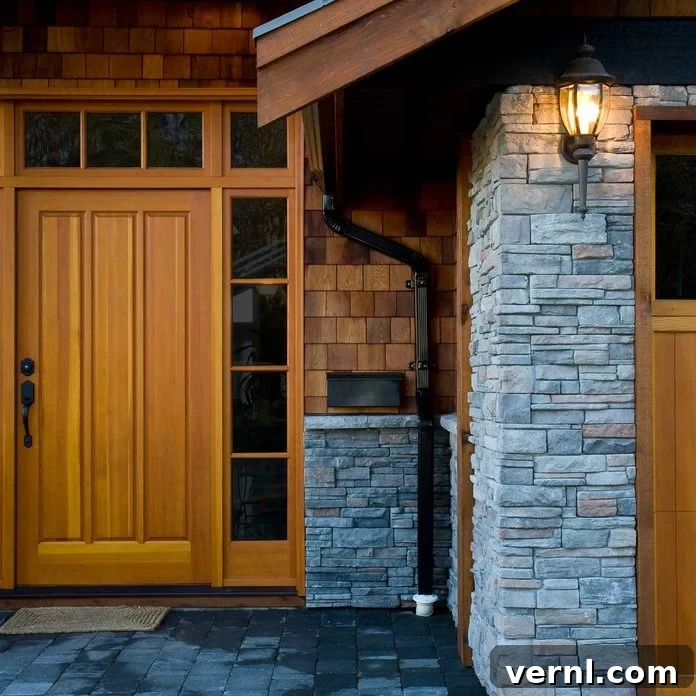
Much like brick veneer, stone veneer siding provides the same value-boosting elegance, rugged beauty, and remarkable durability of its natural stone counterpart, but at a more accessible and affordable price point. This highly aesthetic cladding material allows homeowners to achieve the sophisticated look of stone without the prohibitive cost and structural demands of full-thickness natural stone.
The majority of stone veneer siding is expertly manufactured from lightweight concrete or clay, which is then blended with polymers for enhanced strength and durability. Pigments are meticulously added during the manufacturing process to give the finished product an incredibly realistic appearance, faithfully replicating the varied colors, textures, and profiles found in natural stone. Its lightweight nature also simplifies installation considerably.
Pros:
- Affordable and Easier Installation: Significantly lighter, more affordable, and much faster to install than real, full-thickness natural stone, reducing both material and labor costs.
- Low Maintenance: Requires minimal maintenance, typically limited to occasional cleaning and the infrequent need for mortar-joint repair over many years.
- Simplified Installation: Easier to install than real stone because specialized masonry skills, while beneficial, are not always strictly required for cutting and shaping, making it more accessible to a wider range of installers.
- Design Versatility: Comes in a vast array of styles, shapes, and colors, allowing it to perfectly complement various architectural designs and add a rich, appealing texture to exteriors.
- Durable and Long-Lasting: Highly resistant to fire, pests, and rot, offering excellent durability and a long lifespan comparable to other high-quality siding materials.
- Enhances Home Value: Like natural stone, veneer significantly enhances a home’s curb appeal and market value.
Cons:
- Mortar Cracking Potential: The mortar used to install stone veneer can crack due to various factors, including seismic activity, the natural settling of a home, expansion and contraction with temperature changes, heavy ground traffic vibrations, or moisture infiltration that freezes and expands.
- Moisture Intrusion Risk: Improper installation, particularly a lack of proper flashing and weep holes, can allow moisture to get behind the panels, leading to significant issues like rot, mold, and structural damage to the underlying wall.
- Fading with Lower Quality: Lower-quality stone veneer products are sometimes painted rather than pigmented throughout the material, meaning their colors can fade or chip over time, compromising their realistic appearance.
- Initial Cost: While more affordable than natural stone, it still represents a higher initial investment compared to materials like vinyl or engineered wood siding.
- Repair Challenges: Repairing damaged sections to perfectly match existing textures and colors can be difficult, often requiring professional expertise.
In conclusion, selecting the right siding for your home is a multifaceted decision that impacts not only its aesthetic appeal but also its protection, energy efficiency, and long-term value. By carefully considering your local climate, maintenance preferences, budget, and desired architectural style, and by understanding the unique pros and cons of each common siding type, you can make an informed choice that will serve your home beautifully for decades to come. Always consider consulting with local siding professionals who possess specific knowledge of regional conditions and installation best practices to ensure the best possible outcome for your home.