
Rediscovering Convenience: Are Laundry Chutes a Smart Addition to Your Modern Home?
Once a hallmark of luxury and efficiency in grand homes of the early to mid-20th century, the humble laundry chute offered unparalleled convenience for managing household chores. While these ingenious systems are still commonplace in commercial settings like hospitals and hotels, where vast quantities of linen require swift multi-floor transport, they have largely faded from residential new builds. However, for many homeowners, the thought of effortlessly dispatching dirty clothes to a central laundry area without the back-breaking chore of carrying overflowing baskets downstairs remains incredibly appealing.
Imagine a life free from the endless cycle of collecting forgotten socks from bedroom floors or navigating treacherous staircases laden with heavy laundry. A well-placed laundry chute promises to streamline this age-old task, making laundry day less of a burden. But in today’s homes, are these vertical conduits truly beneficial, and do the installation costs and complexities justify their revival? To answer these questions, we delved into insights from industry experts, including a seasoned construction manager and a leading laundry chute supplier.
What Exactly Is a Laundry Chute?
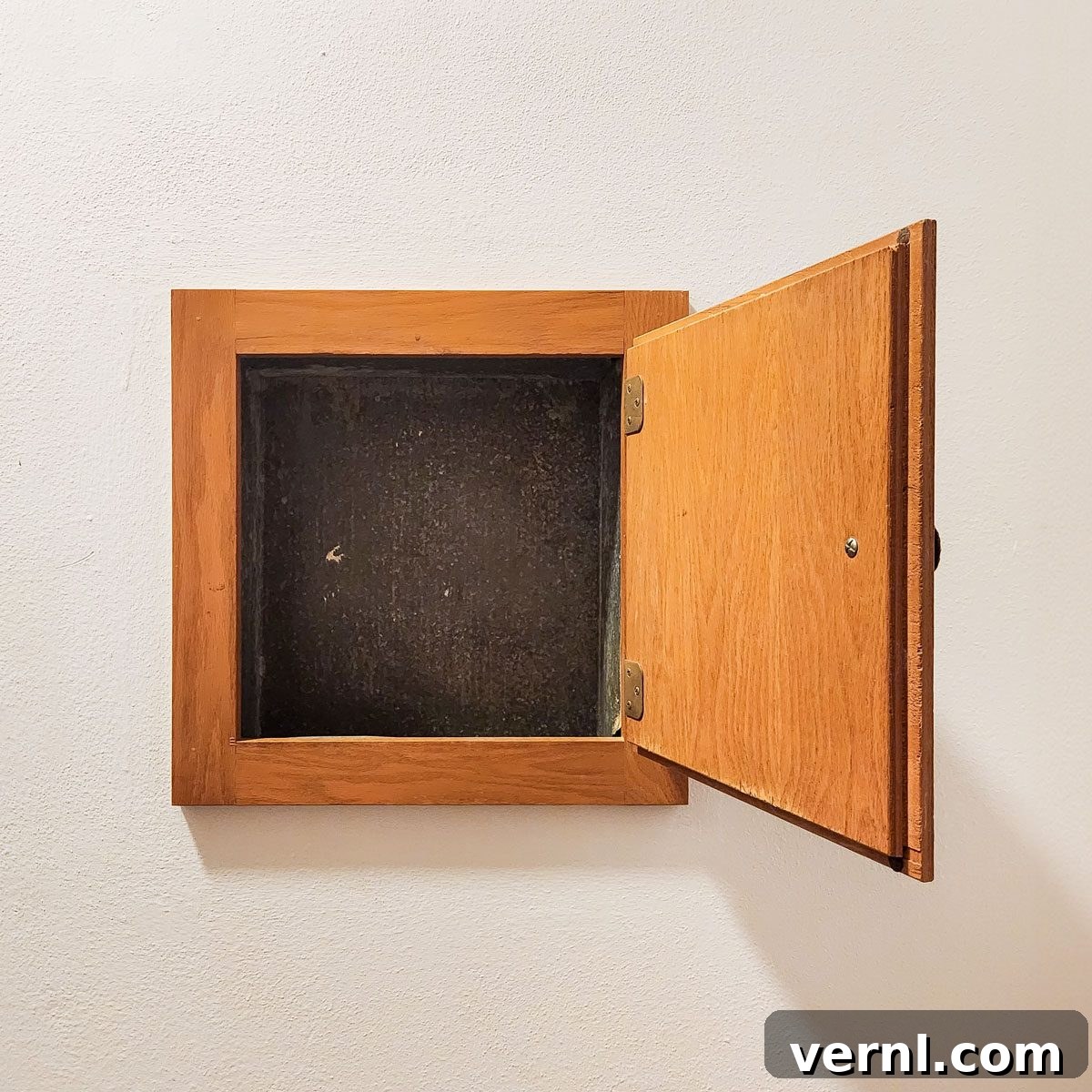
At its core, a laundry chute is a simple yet effective system designed to transport dirty laundry from upper floors of a building directly to a designated lower-level collection point, typically near the washing machine. Operating solely on the principle of gravity, these chimney-like constructions provide a discreet and efficient solution for managing soiled textiles. Modern residential chutes are often seamlessly integrated into a home’s design, concealed within cupboards, walls, or built-in boxing, making them almost invisible until needed.
The popularity of laundry chutes surged between the late 19th and mid-20th centuries, especially in large, multi-story residences. Beyond being a symbol of affluence and cutting-edge home design, they significantly streamlined the arduous task of laundry for homeowners and their staff. Historically, an added perceived benefit was the idea that enclosed chutes could help contain and reduce the spread of diseases carried by soiled linens, a crucial concern in an era before advanced hygiene practices were widespread.
The Decline of Residential Laundry Chutes: Why Did They Disappear?
Despite their initial appeal and functional advantages, laundry chutes gradually lost their prominence in residential architecture. Several factors contributed to their decline, making these once-common features a rarity in contemporary homes today:
- Evolving Home Designs: The landscape of residential architecture has changed dramatically. The shift towards smaller, more compact homes, as well as an increase in single-level living arrangements, naturally diminished the practical need for a multi-story laundry transport system. In a smaller footprint, the distance between bedrooms and the laundry room is often minimal, negating the chute’s primary benefit.
- Lifespan and Material Challenges of Older Models: John Graham, Managing Director of Easyline Chutes, notes that many older wooden chutes simply weren’t built for longevity. “Older wooden chutes don’t last as long as modern stainless steel varieties,” he explains. Beyond their limited durability, these antiquated systems often fail to meet current fire safety and building code standards. When these older chutes deteriorated or became unsafe, homeowners typically opted not to replace them, choosing instead to close off the opening.
- Fire Safety Concerns: Perhaps the most significant factor contributing to their decline is the inherent fire hazard. Construction Manager Brandon Walker highlights this critical risk: “If a fire started on the lower floors where laundry often piled up, a chute can act as a direct conduit, allowing flames and smoke to transfer much more readily and rapidly to upper floors.” This potential to accelerate fire spread posed a substantial safety concern for residents.
- Improved Hygiene Standards: The original belief that chutes could prevent disease transmission through soiled linens has largely become obsolete. With modern detergents, washing machines, and a greater understanding of germ spread, the risk of serious diseases being passed on via dirty laundry is minimal, reducing one of the chute’s historical justifications.
- Perceived Installation Complexity and Cost: For many, the thought of cutting holes through floors and walls, alongside the associated structural modifications, seemed daunting and expensive, especially compared to the convenience it offered in smaller, more modern homes.
When Can Laundry Chutes Still Be a Smart Investment for Your Home?
While no longer a universal feature, residential laundry chutes still hold significant value and utility for specific homeowners and situations. In the right context, installing a modern laundry chute can offer remarkable benefits:
- Reducing the Risk of Falls: Carrying heavy, bulky laundry baskets down a flight of stairs is a common cause of accidents. John Graham emphasizes this, stating, “Stairway falls are a leading cause of injury in the US.” Eliminating the need to transport a cumbersome load of linen down stairs significantly reduces this risk, enhancing safety for all household members.
- Assisting Individuals with Limited Mobility: For elderly residents, those recovering from injury, or individuals with physical disabilities, navigating stairs can be a considerable challenge. Adding the burden of a heavy laundry basket can make it nearly impossible. A laundry chute provides an invaluable aid, allowing clothes to be sent downstairs effortlessly, thereby promoting independence and reducing physical strain.
- Streamlining Household Chores in Large Homes: In expansive homes, particularly those with multiple floors or a large family, laundry can become an overwhelming daily chore. Multiple chutes strategically placed throughout the house can dramatically simplify the collection process, saving significant time and effort. Children, in particular, might find the concept engaging. “Kids are more likely to use a laundry chute than carry clothes downstairs,” Graham notes, turning a dreaded chore into a game.
- Enhancing Home Organization: A laundry chute encourages immediate disposal of dirty clothes, preventing piles from accumulating in bedrooms and bathrooms. This leads to a tidier home environment and reinforces good habits for all family members.
- Adding a Touch of Modern Convenience and Value: A high-quality, professionally installed laundry chute can be viewed as a desirable amenity, especially in larger family homes. It can differentiate a property and appeal to buyers seeking modern conveniences and thoughtful design solutions, potentially adding value.
Understanding the Cost of Laundry Chute Installation
The financial investment required for a laundry chute can vary based on several factors, including the type of chute, the number of floors it traverses, materials used, and labor costs. John Graham provides an estimate: “A typical gravity-fed laundry chute for a two-story home with 8-foot ceilings costs around $1000 for the unit itself.” However, he stresses that this figure is for the chute hardware only and “doesn’t include tax, delivery, or, crucially, installation costs,” which can add substantially to the total expenditure.
Residential laundry chute suppliers are less common in the US compared to commercial providers. This scarcity might mean limited options or the need to source imported stainless steel varieties, which can incur additional shipping and material costs. Total project costs could easily range from $2,000 to $5,000 or more, depending on the complexity of integrating the chute into existing structures, the need for custom finishes, and local labor rates. It’s essential to obtain detailed quotes that encompass all aspects of the project.
DIY Laundry Chute Installation: Is It Advisable?
For the avid do-it-yourselfer, the idea of building a laundry chute might seem like an achievable weekend project. However, experts strongly advise against DIY installation due to critical safety and compliance issues. John Graham adamantly recommends contacting a professional laundry chute company to ensure you receive a fire-safety-certified, non-corroding stainless steel variety.
“Homemade chutes aren’t fire-rated, so insurance companies won’t cover them in the event of a fire,” Graham warns. This means a DIY chute could void parts of your homeowner’s insurance policy, leaving you exposed to significant financial risk. Furthermore, he points out that DIY chutes are often constructed from wood, which not only holds odors over time but can also lead to splinters that snag and damage clothing. The smooth, seamless interior of a professional stainless steel chute ensures laundry slides down effortlessly without risk of damage.
Professional installation typically involves more than just assembling a tube; it requires boxing in the duct, making precise alterations to ceilings and walls, and ensuring structural integrity. Unless you possess advanced carpentry, framing, and knowledge of building codes, hiring a qualified contractor to handle the fit-out will pay dividends in safety, aesthetics, and peace of mind.
The Professional Laundry Chute Installation Process
While the overall process of installing a laundry chute might seem complex, a professional team can complete the core work efficiently. “A laundry chute should take around two to four hours to install, not counting the time required for cutting the holes in the floor and boxing in the structure,” John Graham estimates. For those receiving a kit from a reputable supplier for professional installation, detailed instructions are usually provided to guide the process.
Typically, the installation involves several key stages:
- Site Preparation and Structural Assessment: A structural engineer or experienced contractor will assess the chosen location to ensure it’s structurally sound and can accommodate the chute without compromising joists or beams. Precise holes are cut through the floor(s) and ceiling.
- Chute Assembly: The modular sections of the stainless steel chute are assembled and lowered into position, ensuring proper alignment and a smooth interior surface.
- Framing and Door Installation: Access doors, typically self-closing and often fire-rated, are framed into the wall or ceiling at each desired collection point. These doors must be securely fastened and sealed to prevent air and smoke transfer.
- Enclosure and Finishing: The chute duct is then enclosed, often with fire-rated drywall (pink plasterboard), to meet safety codes and integrate seamlessly with the home’s interior. This finishing work ensures the chute is discreet and aesthetically pleasing.
- Final Inspection: A thorough check confirms the chute is secure, operational, and complies with all local building and fire safety regulations.
Crucial Safety and Building Code Compliance for Laundry Chutes
The most critical aspect of any laundry chute installation, whether new or in an existing home, is strict adherence to local building and fire safety codes. Brandon Walker emphasizes the variability of these regulations: “It’s essential to double-check these codes, as they can vary significantly across different states and municipalities.” He further advises, “Installing a chute might require a structural engineer to come and survey the site before anything can even get started,” highlighting the importance of professional assessment.
John Graham outlines a couple of standard fire safety requirements that often apply:
- Fire-Rated Enclosure: “The chute structure above the floor should be enclosed in a minimum of 30-minute fire-rated material, which is commonly pink plasterboard,” he explains. This enclosure acts as a barrier, slowing the spread of fire.
- Fire-Rated Gap Filling: “The gap between the chute and the floor penetration should also be filled with a minimum of one-hour fire-rated material, normally fire foam,” Graham adds. This prevents fire and smoke from bypassing the enclosure through voids.
- Child Safety Door Height: To prevent accidents, especially with young children, the access doors must be installed at a safe height. “Most laundry chute specialists advise the door to be a minimum of 3 feet (approximately 90cm) from the finished floor level,” Graham advises, preventing toddlers from accidentally falling in or accessing the chute’s interior.
Failing to meet these rigorous standards can result in rejected inspections, potential fines, and, most importantly, create significant safety hazards for your household. Always consult with local building authorities and certified professionals.
Maintaining Your Laundry Chute: Tips for Longevity and Hygiene
Modern stainless steel laundry chutes are designed for minimal maintenance, but a few practices can ensure their longevity and hygiene:
- Regular Cleaning: Periodically, you might want to clean the interior. This can often be done by dropping a damp, soapy cloth followed by a clean, dry cloth down the chute. For more thorough cleaning, specialized chute cleaning services are available.
- Avoid Overloading: While designed for clothes, stuffing too many items or very heavy items at once can lead to blockages or undue stress on the system.
- Check Doors and Seals: Ensure the access doors close properly and the seals remain intact. This is crucial for fire safety and to prevent odors from escaping.
- Professional Inspections: For commercial-grade or older systems, periodic professional inspections can help identify potential issues before they become serious problems.
FAQs About Laundry Chutes
Where is the ideal location for a laundry chute?
The optimal location for a laundry chute largely depends on your home’s layout and the placement of your laundry room. John Graham notes that most modern homes feature a dedicated utility or laundry room. “Due to plumbing logistics, there’s usually a bathroom directly above the laundry room, making it the obvious and most practical place to install a chute,” he explains. This alignment allows for efficient integration into existing wall cavities or plumbing chases, minimizing structural alterations.
What should I do if clothes get stuck in a laundry chute?
If you have a modern, smooth stainless steel laundry chute and avoid overfilling it, blockages should be rare. However, should an item get stuck, a simple solution is often to use a long, sturdy object like a broom handle or a painter’s extension pole to gently dislodge the blockage from above or below. Avoid using sharp objects that could damage the chute’s interior or the clothing. If the blockage persists, or if you suspect structural damage, it’s best to call a professional.
Does installing a laundry chute add value to your home?
A well-installed, high-quality laundry chute can indeed add value to your home, particularly if it’s a modern stainless steel variety. “Most modern chutes are made of stainless steel and, with proper installation, will last for the life of the house,” states John Graham. This long-term durability, coupled with the undeniable convenience it offers, can be a significant selling point, especially for larger family homes or those catering to buyers seeking unique and practical amenities. It transforms a mundane chore into a seamless process, which is a desirable attribute in the current real estate market.
What are vacuum jet laundry chutes, and why are they gaining popularity?
Both John Graham and Brandon Walker acknowledge the emergence and growing popularity of an innovative evolution in laundry chute technology: the vacuum jet laundry chute. Unlike traditional gravity-fed systems, the Laundry Jet, for example, operates on a powerful vacuum principle. “This vacuum laundry chute actively sucks dirty linen from entry points, whether they are on an upper floor, a lower floor, or even located horizontally across a room,” Graham explains. While “considerably more expensive than a gravity chute,” its key advantage lies in its flexibility. Its endpoint can be up to 200 feet away from the furthest entry point, allowing for far greater design freedom and placement options, making it ideal for sprawling homes or those with unconventional layouts where gravity chutes aren’t feasible.
About the Experts
- John Graham is the Managing Director of Easyline Laundry Chutes. Under his direction, the company maintains, installs, and cleans laundry chutes across the UK and beyond, offering deep expertise in both traditional and modern systems.
- Brandon Walker is a Construction Manager for ASAP Restoration. With over 20 years of experience in the painting and construction industry, he brings invaluable insights into building safety codes and structural considerations for home modifications.