Say Goodbye to Low Water Pressure: Your Ultimate Guide to Water Pressure Booster Pumps
Are you tired of sluggish showers that barely rinse the shampoo from your hair? Do your washing machine and dishwasher take an eternity to fill? If you’ve ever experienced the frustration of weak water flow in your home, you know how disruptive low water pressure can be to daily life. It’s more than just an inconvenience; it can affect your comfort, the efficiency of your appliances, and even the value of your property. Fortunately, there’s a powerful solution available: a water pressure booster pump.
This comprehensive guide will walk you through everything you need to know about increasing your home’s water pressure, focusing on how booster pumps work, when they are the ideal solution, and what factors to consider when choosing one. Prepare to transform your home’s water experience from frustratingly feeble to wonderfully robust!
Understanding Low Water Pressure: What It Is and Why It Matters
Water pressure is essentially the force that pushes water through your pipes. It’s measured in Pounds per Square Inch (PSI). For most homes, a healthy water pressure range is typically between 40 and 60 PSI. Anything consistently below 40 PSI is generally considered low, leading to noticeably weak flow from faucets, showerheads, and appliances.
The impact of low water pressure extends beyond minor annoyances. It can:
- Make showering a long, unsatisfying ordeal.
- Increase the time it takes to fill bathtubs or sinks.
- Reduce the efficiency of water-dependent appliances like washing machines, dishwashers, and water heaters, potentially increasing utility bills.
- Prevent multiple fixtures from being used simultaneously without a significant drop in pressure.
- Hinder outdoor activities like watering your garden or washing your car.
Common Culprits: Why Is Your Water Pressure So Low?
Before jumping to a booster pump, it’s helpful to understand the potential underlying causes of low water pressure. Sometimes, the issue can be resolved with simpler fixes. Common reasons include:
- Municipal Supply Issues: In some cases, the problem isn’t within your home but originates from the municipal water supply. This can be due to high demand in your area, an aging infrastructure, or your home being located on a higher elevation or far from the main water line.
- Clogged or Corroded Pipes: Over time, mineral deposits (limescale) and rust can build up inside older pipes, reducing their internal diameter and restricting water flow. This is particularly common in homes with galvanized steel pipes.
- Faulty Pressure Regulator: Many homes have a pressure reducing valve (PRV) or pressure regulator installed where the main water line enters the house. This device is designed to protect your plumbing from excessively high pressure. If it malfunctions or is set too low, it can significantly reduce your water pressure.
- Leaks in Your Plumbing System: Even small, unnoticed leaks can lead to a drop in overall water pressure. These can occur in walls, under floors, or in your main service line.
- Partially Closed Main Shut-Off Valve: Sometimes, the simplest explanation is overlooked. Check if your main water shut-off valve is fully open. If it was partially closed for a repair, it might not have been fully reopened.
- Water Heater Issues: Sediment buildup in your water heater can restrict flow, especially from hot water faucets.
When a Water Pressure Booster Pump Becomes Your Best Friend
While some of the above issues might have simpler solutions, there are distinct scenarios where a water pressure booster pump is the most effective and often the only viable solution:
- Insufficient Municipal Pressure: If your incoming municipal water supply consistently delivers low pressure, a booster pump is designed to rectify this by increasing the pressure before it distributes throughout your home.
- High Demand Households: Large families or homes with multiple bathrooms and appliances often experience pressure drops when several fixtures are used simultaneously. A booster pump ensures consistent pressure regardless of demand.
- Homes on Higher Elevations: Gravity naturally reduces water pressure in homes located uphill from the water source. A pump can counteract this gravitational effect.
- Well Water Systems: Many well water systems benefit immensely from booster pumps to maintain adequate pressure, especially in conjunction with a pressure tank.
- Irrigation Systems: If your garden or lawn irrigation system lacks sufficient pressure to cover all areas effectively, a dedicated booster pump can be a game-changer.
How Do Water Pressure Booster Pumps Work Their Magic?
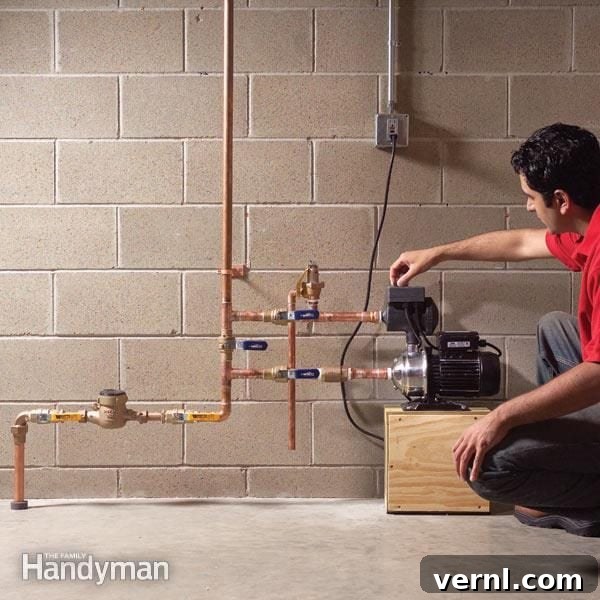
A water pressure booster pump is essentially a motorized device that increases the flow and pressure of water moving through your plumbing system. It works by taking water from your existing supply and accelerating it to a higher pressure before it reaches your faucets and appliances. Most modern booster pumps are “on-demand” systems, meaning they only activate when they detect a drop in pressure, saving energy and minimizing wear and tear.
The core components typically include:
- Motor: Provides the power to drive the impeller.
- Impeller/Pump: The part that physically moves the water and generates pressure.
- Pressure Switch or Sensor: Monitors the system’s water pressure and signals the motor to turn on or off as needed to maintain a consistent pressure level.
- Pressure Tank (Optional but Recommended): A small tank that stores pressurized water, reducing how frequently the pump needs to cycle on and off, which extends the pump’s lifespan and provides a more consistent pressure flow.
When you open a faucet, the pressure in the system drops. The pump’s sensor detects this drop and activates the pump, which then draws water from your main supply and pushes it through your pipes at a higher pressure, delivering that much-desired strong flow.
Unlocking the Benefits: The Advantages of a Booster Pump
Investing in a water pressure booster pump offers a multitude of benefits that dramatically improve your daily living:
- Powerful Showers and Baths: Experience invigorating showers and quickly fill your bathtub, making your bathroom a truly relaxing space.
- Efficient Appliance Operation: Your washing machine, dishwasher, and other water-reliant appliances will fill faster and operate more efficiently, potentially extending their lifespan and reducing cycle times.
- Simultaneous Fixture Use: No more waiting for someone to finish showering before you can wash dishes without losing all your pressure. A booster pump ensures consistent pressure even when multiple taps or appliances are running.
- Improved Lawn and Garden Care: Get better coverage and effectiveness from your sprinklers and hoses, ensuring your garden thrives.
- Enhanced Comfort and Convenience: From brewing a cup of coffee to washing your hands, every interaction with water becomes more pleasant and efficient.
- Increased Property Value: A home with reliable, strong water pressure is a significant selling point and contributes to overall homeowner satisfaction.
- Protection for Plumbing Systems: Consistent pressure can reduce strain on certain parts of your plumbing system compared to fluctuating, low pressure scenarios.
Choosing the Perfect Pump: Key Factors to Consider
Selecting the right water pressure booster pump is crucial for optimal performance. Here are the key factors to consider:
- Flow Rate (GPM): This indicates how much water the pump can deliver per minute. You need a pump with a GPM rating sufficient for your household’s peak demand (e.g., how many fixtures might run at once). A larger home or family will require a higher GPM.
- Pressure Increase (PSI): Determine how much of a pressure boost you need. If your current pressure is 30 PSI and you desire 50 PSI, you’ll need a pump that can add at least 20 PSI.
- Horsepower (HP): Related to flow rate and pressure, horsepower indicates the pump’s power. Higher HP typically means greater capacity.
- Noise Level: Some pumps can be noisy. If the pump will be installed near living areas, look for models designed for quiet operation.
- Energy Efficiency: Look for pumps with energy-saving features, such as variable speed drives (VSD) which adjust motor speed based on demand, consuming less power.
- Tank vs. Tankless Systems: Tank-based systems have a small pressure tank that reduces pump cycling. Tankless (constant pressure) systems often use VSD technology for incredibly consistent pressure without a tank. Each has its pros and cons regarding cost, space, and performance.
- Automatic Shut-Off/Safety Features: Ensure the pump has features like dry-run protection, which prevents the pump from operating without water and causing damage.
- Durability and Brand Reputation: Choose a reputable brand known for producing high-quality, durable pumps with good warranties and customer support.
- Installation Location: Consider where the pump will be installed. Some are designed for indoor use, others for outdoor, and factors like weather protection and drainage are important.
Installation and Maintenance: What You Need to Know
While the concept of a booster pump is straightforward, installation often involves working with electrical wiring and plumbing, making it a job best left to certified professionals. A professional plumber will ensure the pump is correctly sized, safely installed according to local codes, and properly integrated into your existing plumbing system for optimal performance and longevity.
Once installed, booster pumps typically require minimal maintenance. Key tips include:
- Regular Inspections: Periodically check for leaks or unusual noises.
- Keep Area Clear: Ensure the pump area is free of debris and has adequate ventilation.
- Winterization: If your pump is in an unheated area and susceptible to freezing, follow manufacturer guidelines for winterization to prevent damage.
For those interested in a more hands-on approach or understanding the installation process, helpful resources are available:
Learn how to increase water pressure with a water pressure booster pump: How to Increase Water Pressure in Your House
Conclusion: Reclaim Your Water Pressure and Enhance Your Home
Low water pressure can be a constant source of irritation, but it doesn’t have to be a permanent problem. A well-chosen and professionally installed water pressure booster pump can be a transformative investment for your home, delivering the strong, consistent water flow you deserve. From invigorating showers to efficiently running appliances, the benefits are clear and profound. Don’t let weak water pressure hold you back any longer – explore the possibility of a booster pump and reclaim the comfort and convenience of robust water flow in your home.