
Understanding and Eliminating Cluster Flies: A Comprehensive Guide
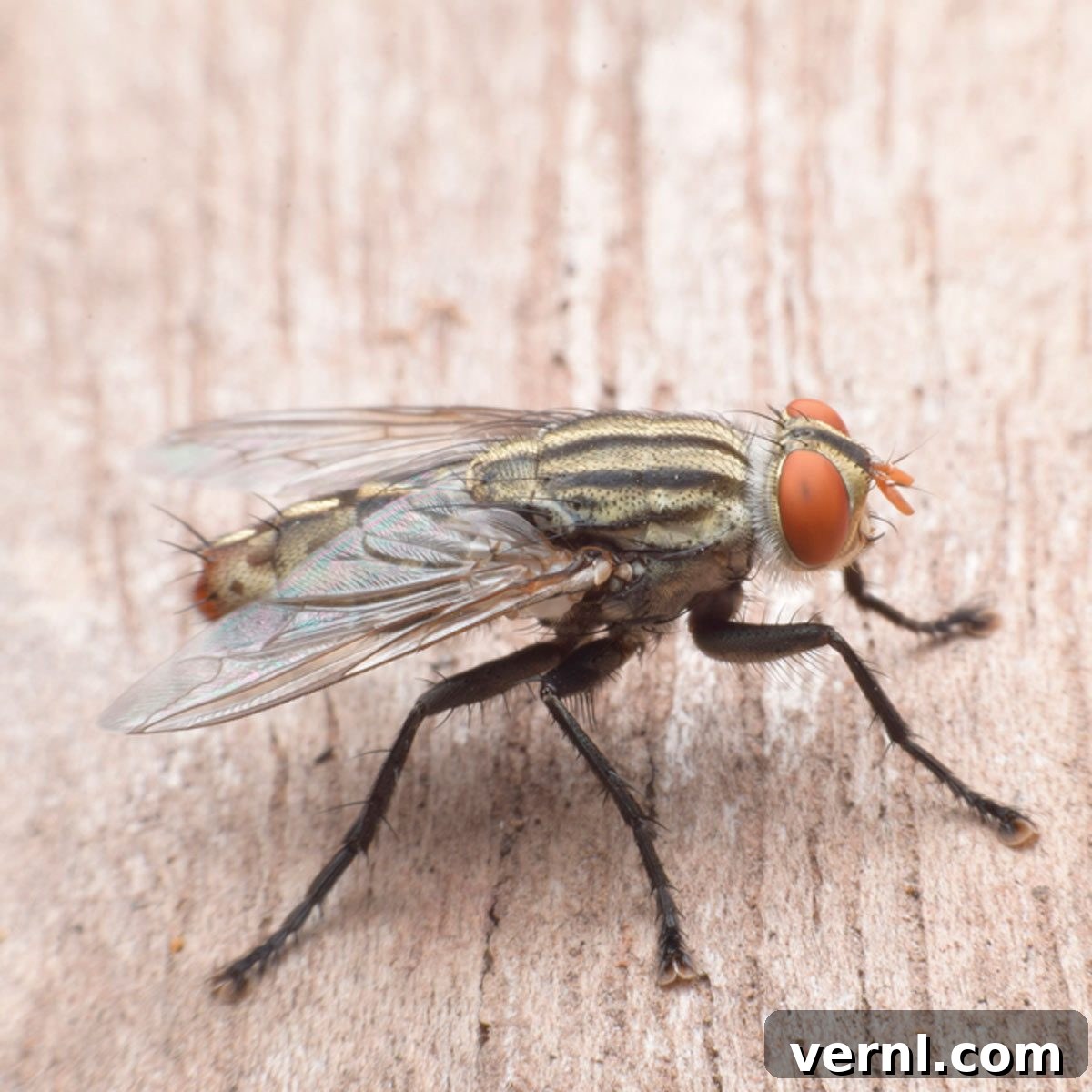
As autumn leaves begin to fall and the air turns crisp, many homeowners brace themselves for an unwelcome annual visitor: the cluster fly. Slightly larger than the common house fly, these dull gray insects, adorned with distinctive black markings and golden-yellow hairs on their thorax, are not just a seasonal nuisance. They represent a curious biological phenomenon, seeking the warmth and shelter of human dwellings to escape the harsh realities of winter.
Unlike many other common household pests, cluster flies (scientific name: Pollenia rudis) do not pose a direct threat to human health or structural integrity. They won’t reproduce within your home, nor are they known carriers of diseases. The most significant “damage” you’re likely to encounter are small, dark-colored spots of excrement on windowsills and walls, a minor aesthetic inconvenience. However, their sheer numbers and buzzing presence can be unsettling. This comprehensive guide, featuring insights from pest control expert Danielle Restuccia, Division Technical Services Manager for Orkin’s Northeast Division, will delve into the world of cluster flies, offering effective strategies for prevention and elimination to ensure your home remains a fly-free sanctuary.
Identifying Cluster Flies: More Than Just a Nuisance
Before tackling any pest problem, accurate identification is key. Cluster flies are often mistaken for common house flies or blowflies, but a closer look reveals their unique characteristics:
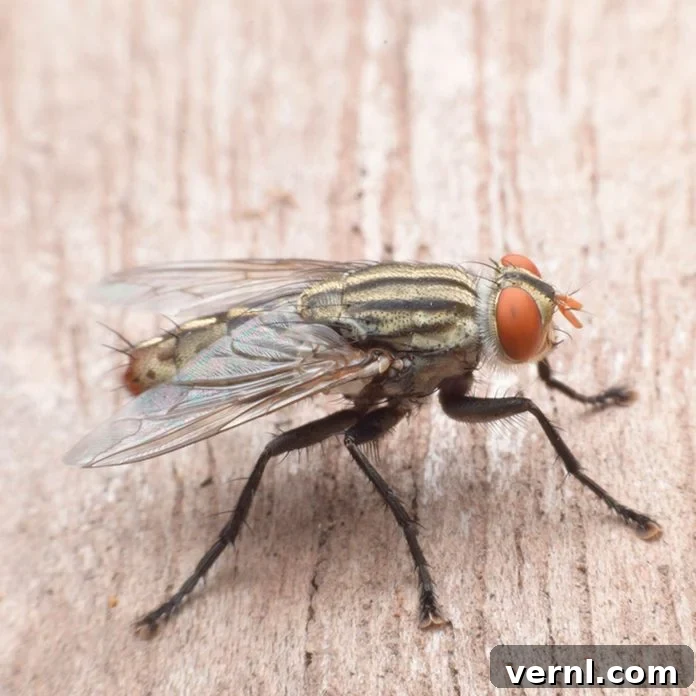
- Size and Color: They are typically about 3/8 inch long, a bit larger and more robust than a house fly. Their bodies are a dull, non-metallic gray.
- Hairs: One of their most distinguishing features is the presence of short, crinkly, golden-yellow hairs on their thorax (the middle section of their body). These hairs give them a somewhat fuzzy appearance.
- Movement: Cluster flies are notably slower and more sluggish in their movements compared to the frantic darting of house flies, especially when indoors and in cooler temperatures. This makes them easier to swat or vacuum.
- Resting Posture: When at rest, their wings typically overlap over their abdomen, a posture less common among other fly species.
- Behavior: True to their name, they have a strong tendency to gather or ‘cluster’ in significant numbers, particularly in specific areas of a home as they seek shelter.
Understanding their unique traits helps in differentiating them from other flies, ensuring that the control methods you employ are specifically tailored and effective for cluster flies.
The Curious Lifecycle of a Cluster Fly: Why They Don’t Breed Indoors
The key to understanding cluster fly behavior and why they don’t reproduce in your home lies in their fascinating and somewhat unusual lifecycle. Unlike common house flies, which breed in decaying organic matter, cluster flies are parasites of earthworms. This makes their presence indoors a seasonal migratory event rather than an indication of an unsanitary environment.
- Egg Laying: Adult female cluster flies lay their eggs in the soil, typically during late summer and early autumn.
- Larval Stage: Once hatched, the larvae (maggots) are not scavengers. Instead, they actively seek out and burrow into earthworms, living as internal parasites. They feed on the host earthworm for several days to weeks, eventually killing it.
- Pupation: After completing their development within the earthworm, the larvae emerge from the soil and pupate in the ground.
- Adult Emergence: New adult cluster flies emerge from the pupal cases, usually in late summer or early fall. It is these newly emerged adults that begin their search for suitable overwintering sites, often leading them directly to your home.
This parasitic lifecycle explains why you won’t find cluster fly larvae or pupae developing inside your walls or attic. Their presence indoors is purely for shelter from the cold, making them a nuisance pest rather than a health or sanitation concern.
Preventing Cluster Flies from Entering Your Home
The most effective strategy against cluster flies is prevention. By sealing off potential entry points before they even attempt to come inside, you can significantly reduce or even eliminate an infestation. Cluster flies, like many insects, are drawn to the warmth and light of your home, often buzzing against windows in their quest for a safe haven. Here’s how to fortify your home:
1. Seal and Secure Entry Points
This is the cornerstone of cluster fly prevention. Even the smallest crack or gap can serve as an invitation for these persistent insects. Danielle Restuccia emphasizes the importance of a thorough sealing effort:
- Windows and Doors: Ensure all windows have intact, tightly fitted screens. Replace any damaged or torn screens immediately. Check that doors, especially those leading to the exterior, have proper weatherstripping and door sweeps that create a tight seal when closed. Look for gaps around door and window frames that can be filled with quality caulk.
- Exterior Cracks and Gaps: Inspect your home’s exterior thoroughly. Pay close attention to cracks in the foundation, gaps around utility lines (pipes, wires, vents) entering the home, and openings in the siding. Use a good quality sealant or caulk to close these gaps. Expanding foam can be effective for larger voids.
- Attic and Eaves: Cluster flies frequently congregate in attics and wall voids. Ensure that soffit vents, gable vents, and attic fans are screened properly. Check for any openings where the roof meets the walls.
- Chimneys: If you have a chimney, ensure it has a cap with a screen to prevent not only flies but also other pests from entering.
2. Exterior Treatments
For persistent problems, or as a proactive measure, exterior insecticide applications can be highly effective, but they require careful timing and often professional application. Restuccia advises:
- Timing is Crucial: The best time to apply residual insecticides is in late August or early September, just before adult cluster flies begin their search for overwintering sites. This timing ensures that the flies encounter the treated surfaces as they attempt to land on your home.
- Professional Application: It is strongly recommended to hire a licensed pest control professional for exterior treatments. They have access to more potent and long-lasting insecticides, such as synthetic pyrethroids (e.g., Suspend SC or Demon WP) or neonicotinoids, and the expertise to apply them safely and effectively to high-risk areas like eaves, soffits, and around window and door frames.
- Limitations: It’s important to note that while effective, exterior applications can degrade due to sun exposure and weather, potentially decreasing effectiveness after a week or two. Regular inspections and re-applications might be necessary in heavily infested areas.
3. Landscaping Considerations
While cluster flies don’t directly feed on your plants, their lifecycle involves earthworms. Keeping your lawn and garden tidy, especially near the house foundation, can indirectly reduce the population of their hosts. Consider reducing excessive organic matter or overly moist soil immediately adjacent to your home.
How To Get Rid of Cluster Flies Already Inside Your Home
Despite your best preventative efforts, some cluster flies might still find their way indoors. Once they’re inside, the approach shifts from prevention to removal. While they are a nuisance, remember they are not harmful, and simple methods are often sufficient for isolated issues.
1. Simple Removal Techniques
“If there are just a few cluster flies buzzing around, you can shoo them out or vacuum them up with a vacuum hose attachment,” Restuccia suggests. This is often the quickest and cleanest solution:
- Vacuuming: Use a vacuum cleaner with a hose attachment to easily suck up sluggish flies, especially those clustered on windows or walls. Immediately after vacuuming, empty the contents of the vacuum bag or canister outdoors into a sealed trash bag to prevent them from escaping back into your home.
- Manual Removal: Their sluggish nature makes them easy to swat with a fly swatter. For those hesitant to use force, gently guiding them towards an open window or door can also work.
2. Trapping Methods
For more passive removal, especially if you have several flies, traps can be effective:
- Sticky Fly Strips: These traditional traps are highly effective. Hang them in areas where flies congregate, such as near windows or in attics.
- DIY Sweetened Water Trap: A simple homemade trap involves a glass jar with sweetened water (sugar water or fruit juice) and a perforated lid. Make sure the holes are large enough for the flies to enter but small enough to make escape difficult. Change the water daily to maintain effectiveness and hygiene.
- Light Traps: While primarily used for flying insects that are attracted to UV light, some cluster flies may be drawn to them. However, be cautious as these can sometimes attract more insects indoors if not strategically placed.
3. Addressing Food Sources (Indirectly)
Although cluster flies primarily overwinter, they are opportunistic feeders if active indoors. “Keeping food covered is also important. Cluster flies especially love decomposing food and sweets!” says Restuccia. While their main motivation for being indoors isn’t food, removing any accessible food sources can reduce their activity and make your home less appealing overall.
4. Indoor Insecticide Sprays
For quick knockdown of active flies, a contact spray can be used:
- Pyrethrum Sprays: A contact pyrethrum spray like CB-80, which is approved for indoor use, can help. Spray it lightly, as needed, directly onto active flies for contact kill. Always follow the product label instructions carefully, ensuring adequate ventilation. These sprays offer immediate relief but no residual effect.
5. Preparing for the Next Season
Prevention is a continuous effort. To minimize future infestations, continue your sealing efforts and consider preventative treatments:
- Early Summer Sealing: In early summer, before the next generation of cluster flies matures, re-inspect and seal any suspect cracks and openings around your home.
- Exterior Residual Spray: As mentioned, applying a residual pyrethroid-based insecticide to the exterior of the building in late August or early September can intercept adult cluster flies before they enter.
When to Call a Professional
“But if cluster flies become a serious problem, homeowners should call a pest control professional,” Restuccia advises. A “serious problem” typically means a recurring, large-scale infestation that overwhelms DIY efforts. Professionals can:
- Conduct a Thorough Inspection: Identify all potential entry points and harborage areas that might be missed by an untrained eye.
- Apply Targeted Treatments: Use specialized equipment and more powerful, long-lasting insecticides to treat specific areas, including inaccessible wall voids and attics, safely and effectively.
- Offer Expert Advice: Provide tailored recommendations for long-term prevention strategies based on your home’s unique vulnerabilities.
- Ensure Safety: Handle pesticides safely, minimizing exposure to residents and pets.
Frequently Asked Questions About Cluster Flies
Why are they called “cluster” flies?
Their name is due to their characteristic behavior of gathering in groups or ‘clustering’ together. This behavior is particularly noticeable when they seek shelter during cold weather months, often forming large groups in attics, wall voids, or around windows within a structure.
Do cluster flies lay eggs in the house?
No, cluster flies do not lay their eggs inside human dwellings. Their lifecycle requires them to lay eggs outdoors in the soil. The larvae then parasitize earthworms, meaning they primarily live and reproduce outside. They only venture indoors for a warm, sheltered environment during cold weather seasons to overwinter.
Are cluster flies dangerous?
No, cluster flies are considered a nuisance pest and are not dangerous to humans or pets. They do not bite, sting, or transmit diseases. They also do not feed on human food indoors, nor do they cause structural damage to your home. Their main offense is their numbers and the small droppings they leave behind.
When do cluster flies typically appear?
Cluster flies are most commonly noticed in the fall when they seek shelter for the winter. You might also see them in late winter or early spring as temperatures begin to rise, causing them to emerge from their overwintering sites, often confused by the warmth inside and drawn to windows.
Why are cluster flies so sluggish?
Their sluggish behavior is primarily due to temperature. When cluster flies are overwintering or become active in cooler indoor environments (like an unheated attic), their metabolism slows down, making them less agile and easier to capture or observe.
About the Expert
- Danielle Restuccia is Division Technical Services Manager for Orkin’s Northeast Division, bringing extensive knowledge and expertise in pest management.
Ready to deal with more bugs? Here’s the ultimate guide to getting rid of the creepiest bugs for good.
Check out the most insane pest control ideas we could find.