
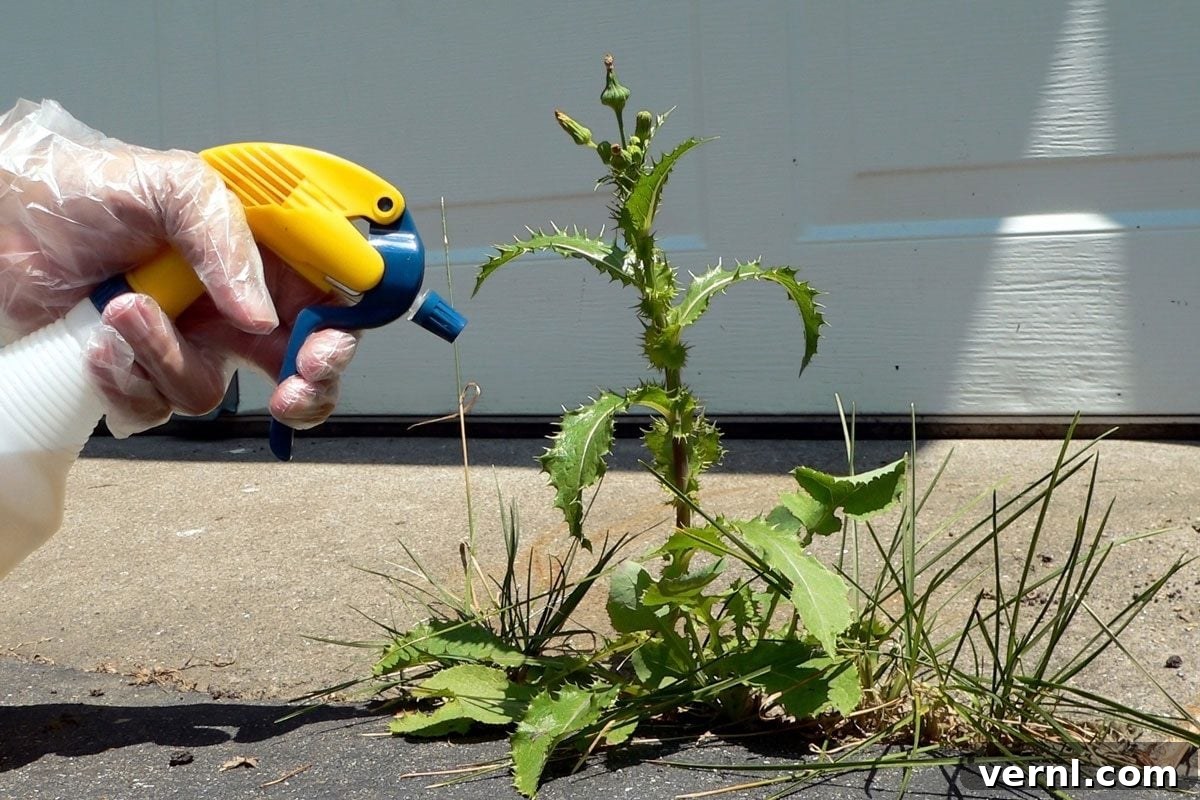
Every gardener faces the perennial challenge of managing weeds effectively. The quest for a quick and effortless solution often leads to exploring unconventional methods, with household bleach frequently surfacing as a potential candidate. At first glance, the idea of using bleach to kill weeds might seem appealing. As a powerful disinfectant capable of eradicating mold and sanitizing pool water, it stands to reason that it could easily poison weed roots, offering a swift resolution to unwanted plant growth. However, this seemingly straightforward approach harbors significant risks that far outweigh any perceived benefits.
The critical question isn’t just whether bleach can kill weeds, but rather its safety and profound impact on the rest of your precious garden ecosystem. Leading experts in turfgrass management and horticulture strongly caution against this practice. Ryan Walts, a turfgrass management expert, emphatically states: “Using bleach is strongly discouraged. It will likely damage the surrounding soil, harming neighboring plants and making it unsuitable for most plants to grow back in that area for a long time.” Lawn specialist Chrissie Handley and seasoned gardening enthusiast Harry Lloyd echo this sentiment, underscoring the universal consensus among professionals.
This comprehensive guide delves into the intricate reasons why bleach should never be your go-to solution for weed control on your lawn or in your garden. We will dissect the chemical mechanisms at play, expose the lasting damage bleach inflicts on soil and desirable plants, and crucially, present a range of safe, sustainable, and highly effective alternative weed control methods that protect your garden’s health and vitality.
Does Bleach Kill Weeds? Understanding the Chemical Impact
“Bleach’s harsh chemical nature makes it quite effective at killing weeds quickly,” explains Chrissie Handley, highlighting its immediate destructive power. She elaborates, “It damages their cells and shuts off moisture absorption, which kills the plant.” Common household bleach is primarily a solution of sodium hypochlorite (NaClO). When this potent chemical is introduced into the soil, it undergoes a breakdown process, releasing several compounds: salt (sodium chloride or NaCl), water (H2O), and chlorinated organic compounds. While chlorine is excellent for sanitizing pools by neutralizing organic matter, its interaction with the delicate balance of soil health is profoundly detrimental.
The presence of salt in the soil is particularly problematic for plant life. Plants absorb water through their roots via a process called osmosis, moving water from an area of higher concentration (the soil) to an area of lower concentration (inside the plant roots). When the soil becomes laden with salt, the water concentration outside the roots decreases significantly. This osmotic imbalance means that instead of absorbing moisture, plant roots actually begin to lose water to the saltier soil. Imagine drinking a glass of seawater; far from quenching your thirst, it would dehydrate you further. Similarly, plants exposed to salt-contaminated soil struggle to draw in essential moisture, causing their roots to shrivel, and the entire plant to wither and ultimately die from dehydration.
Beyond the immediate cellular damage and osmotic stress, the chlorinated organic compounds released by bleach can persist in the soil, altering its chemical composition and disrupting the complex microbial ecosystems vital for plant growth. These compounds can be toxic to beneficial bacteria, fungi, and other microorganisms that play crucial roles in nutrient cycling and overall soil fertility. Therefore, while bleach undeniably kills weeds on contact, it does so by creating a barren and inhospitable environment, compromising the long-term health of your entire garden.
Does Bleach Offer Permanent Weed Elimination? Factors Influencing Its Efficacy
The permanence of bleach’s weed-killing action is not a straightforward ‘yes’ or ‘no’ answer; rather, it hinges on a combination of factors, often leading to unpredictable and ultimately unsatisfactory results for gardeners seeking long-term solutions.
- Concentration of the Bleach Solution: In a misguided effort to mitigate damage to desirable plants, some gardeners opt to dilute bleach in a spray bottle. However, if the concentration of sodium hypochlorite is too low, the weeds may only suffer superficial damage. This often results in temporary wilting or discoloration, but the plant’s root system remains largely intact, allowing it to recover and regrow with surprising resilience. Achieving a lethal concentration without causing widespread collateral damage is a precarious balance that is rarely successful in a garden setting.
- Depth of the Roots: Many persistent weeds, such as dandelions, thistles, bindweed, and broadleaf plantain, are characterized by their deep taproots or extensive root systems. These robust underground structures allow them to store energy and access moisture from deeper soil layers, making them incredibly difficult to eradicate. A mere surface application of bleach, even at a strong concentration, will typically not penetrate deep enough into the soil to reach and destroy the entirety of such resilient root systems. For these species, a superficial application will only cause temporary setback, with the weed inevitably regenerating from its undamaged root crown or deeper root fragments. Truly soaking the soil to the necessary depth would require an impractical and environmentally devastating volume of bleach.
- Annuals vs. Perennials: The life cycle of a weed significantly impacts its susceptibility to bleach. Annual weeds, which complete their entire life cycle within a single growing season (e.g., crabgrass, lamb’s quarter, chickweed), generally possess shallow, fibrous root systems. These are more vulnerable to surface applications, making them potentially susceptible to permanent elimination by bleach, albeit with all the associated soil damage. Perennial weeds, on the other hand, live for more than two years and often have hardier, deeper, and more extensive root systems (e.g., Canada thistle, quackgrass, nettles). While they may show signs of wilting and decay after bleach application, their robust root structures allow them to store significant energy reserves. These energy stores enable them to recover and resprout later in the same year or emerge anew in subsequent growing seasons, rendering bleach largely ineffective for long-term control of these persistent species.
Chrissie Handley offers advice for the effective (though still cautioned against) use of bleach for weed control: “You should apply it directly to the weed and re-apply often for the best results, as it makes sure the plant is fully dead and has no possibility of growing back.” This highlights the intensive and repetitive effort required, which further underscores the impracticality and heightened environmental risk of using bleach as a primary weed management strategy.
Should I Use Bleach to Kill Weeds on My Lawn or in My Garden? A Resounding No!
While the immediate efficacy of bleach in killing weeds is undeniable, the more critical question for any responsible gardener is whether it should be used. The unanimous consensus among gardening experts is a definitive “no.” The risks associated with using bleach in cultivated areas far outweigh any perceived benefits, leading to long-term damage that can be difficult and costly to rectify.
“I understand the temptation, but using bleach on weeds is a very bad idea,” cautions Harry Lloyd. He explains, “Bleach does kill weeds, but it also harms everything else it touches, and although you think you’re directing it just at the root of the weed — it’ll spread to your soil.” This spread is a major concern. Bleach does not discriminate; its corrosive properties destroy plant cells, whether they belong to a weed or a prize-winning rose. It can easily leach into the root zones of nearby desirable plants, causing disease, stunted growth, or outright death. Even overspray or runoff from heavy rain can carry the harmful chemicals to unintended targets.
Devastating Impact on Soil Health and Ecosystem
The most profound and lasting damage inflicted by bleach is on the soil itself. Healthy soil is a living ecosystem, teeming with beneficial organisms crucial for plant vitality. Bleach, being a powerful sterilant, indiscriminately eradicates these vital components:
- Earthworms: These garden heroes aerate the soil, improve drainage, and decompose organic matter. Bleach is highly toxic to earthworms, killing them and disrupting their invaluable contributions to soil structure.
- Beneficial Microorganisms: Soil is home to countless bacteria, fungi, and protozoa that facilitate nutrient cycling, nitrogen fixation, and disease suppression. Bleach destroys these delicate microbial communities, leaving the soil barren and unable to support healthy plant growth.
- pH Imbalance: As Chrissie Handley notes, “Bleach can leave residue behind in the soil and make the soil pH more alkaline, which can affect the growth of plants in the surrounding area.” Most garden plants thrive within a specific pH range, and a significant shift towards alkalinity can lock up essential nutrients, making them unavailable to plants, even if they are present in the soil.
- Long-Term Sterility: Amplifying this concern, Ryan Walts warns that bleach can “make the soil unsuitable for most plants to grow back in that area for a long time.” The salt and chlorinated compounds left behind create a toxic environment, essentially sterilizing the soil. This can mean years of struggle to restore fertility and make the area viable for gardening again.
Environmental and Safety Risks
Beyond your immediate garden, using bleach poses broader environmental and safety hazards:
- Water Contamination: Bleach can run off into storm drains, natural waterways, and groundwater, harming aquatic life and polluting ecosystems. Its chlorinated compounds can persist and create toxic byproducts.
- Safety for Humans and Pets: Bleach is a corrosive chemical. Direct contact can cause skin and eye irritation, chemical burns, and respiratory issues if inhaled. Pets and children can be exposed if they come into contact with treated areas, leading to potential illness or injury.
Considering these severe and far-reaching consequences, the consensus is clear: bleach is an unsuitable and dangerous method for weed control in any area where you wish to maintain healthy soil and plant life. Its use is not only irresponsible but counterproductive to the goals of sustainable gardening.
Can I Use Bleach To Kill Weeds in My Driveway or Pavement Cracks?
The situation changes somewhat when considering weeds that sprout through cracks in driveways, patios, or pathways. In these scenarios, the primary concerns about harming desirable plants or compromising garden soil health are largely mitigated. If weeds are emerging from an isolated crack in an impermeable surface, there’s less immediate risk of runoff reaching your garden beds or damaging the underlying soil in a way that impacts future planting.
For such non-garden applications, bleach can be an effective method to kill existing weeds and, importantly, render the localized soil inhospitable for new weed seeds to germinate. Because there are no beneficial plants to protect, and the goal is often to prevent any plant growth, the sterilizing effect of bleach can be seen as an advantage. If you choose this method, it’s recommended to use a strong bleach solution – the stronger, the better for complete eradication. Be sure to soak the weeds thoroughly, ensuring the bleach penetrates deep into the cracks to reach the roots and affect any dormant seeds.
However, even in these seemingly “safe” applications, important caveats remain:
- Environmental Runoff: Bleach can still be washed into storm drains by rain, ultimately reaching rivers and oceans and contributing to water pollution.
- Surface Discoloration: Bleach can stain or discolor concrete, asphalt, pavers, or other driveway materials, leaving unsightly marks. Test a small, inconspicuous area first if you are concerned about aesthetics.
- Safety Precautions: Always wear protective gloves and eyewear when handling bleach. Ensure pets and children are kept away from the treated area until it has dried completely. Inhaling bleach fumes can be irritating.
While the direct garden-damaging effects are reduced, the environmental impact and safety precautions for applying bleach in hardscape areas should not be overlooked. Many gardeners still prefer alternative methods for driveways for these reasons.
Sustainable and Effective Alternatives for Weed Control
Given the significant drawbacks of using bleach, it’s crucial to explore and adopt safer, more sustainable, and ultimately more effective weed control strategies. A holistic approach that combines various methods will yield the best long-term results for a healthy, weed-free garden.
1. Manual Weed Removal and Cultural Practices
- Hand-Pulling: The most direct and often most satisfying method, especially for younger weeds or those with shallow roots. Best done when the soil is moist, making it easier to extract the entire root system. Weeding tools like a dandelion fork or hori-hori knife can make this task easier and more efficient.
- Hoeing and Cultivation: Regularly disturbing the top layer of soil with a hoe can effectively sever young weeds from their roots, especially during dry periods when they will quickly dehydrate. Be cautious not to dig too deeply, as this can bring dormant weed seeds to the surface.
- Mulching: Applying a thick layer (2-4 inches) of organic mulch (wood chips, straw, shredded leaves, compost) or inorganic mulch (landscape fabric, gravel) is a highly effective weed preventative. Mulch blocks sunlight, inhibiting weed seed germination and suffocating existing young weeds. It also conserves soil moisture and improves soil health over time.
- Proper Plant Spacing and Groundcovers: Planting desirable plants close enough to shade the soil can naturally suppress weed growth. Dense groundcover plants can also outcompete weeds for light, water, and nutrients.
- Healthy Lawn Care: A thick, healthy lawn is the best defense against weeds. Mow at a higher setting (2.5-3 inches for most turfgrasses) to shade out weed seeds and encourage deeper root growth. Fertilize appropriately and water deeply but infrequently to promote robust turf that can outcompete weeds.
2. DIY Non-Toxic Sprays and Targeted Applications
- Horticultural Vinegar (Acetic Acid): Unlike household vinegar (which is only 5% acetic acid), horticultural vinegar (10-20% acetic acid) is potent enough to desiccate and kill many young, broadleaf weeds. It works by breaking down plant cell walls.
- Application: Apply directly to weeds on a sunny, dry day for best results. Avoid spraying desirable plants as it can harm them.
- Caution: It is an acid, so wear protective eyewear and gloves. Can lower soil pH temporarily, but its effects are generally less persistent than bleach.
- Boiling Water: A simple, effective, and completely non-toxic method for weeds growing in cracks in pavement, driveways, or gravel paths where soil health is not a concern. The heat instantly destroys plant cells.
- Application: Carefully pour boiling water directly onto the weeds.
- Caution: Extremely hot water can cause severe burns; exercise extreme caution.
- Baking Soda (Sodium Bicarbonate): As Ryan Walts suggests, “Baking soda is a much better DIY alternative.” It works by increasing the sodium level in the soil, which dehydrates the plant. It’s particularly effective for broadleaf weeds growing in cracks or isolated areas.
- Application: Sprinkle a generous amount directly onto the weed, ensuring it covers the leaves and base. For persistent weeds, mix with a little water to form a paste and apply.
- Caution: Can increase soil pH and sodium levels, so use sparingly around desirable plants. Best for targeted application.
- Salt (Sodium Chloride) – Use with Extreme Caution and Only in Specific Areas: While salt is a component of bleach’s toxicity, pure salt can also kill weeds by dehydrating them and making the soil inhospitable. However, its use in garden beds is strongly discouraged due to permanent soil sterilization.
- Application: Mix a strong solution of table salt and water, or sprinkle dry salt directly onto weeds in non-garden areas like driveways or gravel paths where you want absolutely no plant growth.
- Caution: Salt will sterilize the soil permanently. Never use in garden beds, near trees, or anywhere runoff could reach desirable plants. Use gloves and eye protection.
3. Professional Weed Control Services
For extensive weed infestations, particularly with stubborn perennial weeds or in large lawn areas, consulting professional lawn care services can be a wise investment. Experts can identify specific weed types, apply targeted and environmentally responsible treatments, and implement integrated pest management strategies that promote overall garden health without resorting to harmful chemicals like bleach.
Harry Lloyd also adds, “you should also consider things like vinegar-based weed sprays, boiling water, or even just pulling them out by hand,” reinforcing the variety of effective and safer choices available to gardeners. These methods, while requiring consistent effort, ensure the long-term health and beauty of your garden without introducing hazardous substances.
If, despite all warnings, you are still considering bleach for non-garden areas, Handley advises: “Try to use it in a targeted and controlled manner, only applying small amounts to the weed directly. Some people use a spray bottle and dilute the solution to try and combat the strength and just re-apply more often.” This approach attempts to minimize collateral damage, but it doesn’t eliminate the inherent risks of bleach. The effort involved in repeated applications and the constant vigilance required still make it a less appealing option compared to safer, more sustainable alternatives.
Conclusion: Prioritizing Garden Health Over Quick Fixes
The temptation to reach for a quick solution like bleach to eradicate stubborn weeds is understandable, but as we’ve explored, the hidden costs to your garden’s health, the surrounding environment, and even your own safety are simply too high. Bleach is not a magic bullet for weed control; it is a corrosive chemical that indiscriminately damages soil, kills beneficial organisms, poisons desirable plants, and leaves behind a legacy of sterility that can take years to reverse.
True garden care embraces sustainable practices. By understanding the science behind plant growth and soil health, and by choosing methods that work with nature rather than against it, gardeners can achieve lasting weed control. Whether through diligent hand-pulling, strategic mulching, the wise application of non-toxic DIY sprays, or the expertise of professionals, there are numerous effective and responsible ways to maintain a thriving, weed-free landscape. Embrace these alternatives, and your garden will thank you with vibrant growth and enduring beauty, free from the damaging footprint of harsh chemicals.
About the Experts
- Ryan Walts is a training manager and business coach at Lawn Squad, a franchise lawn care business based in Columbia, MD.
- Harry Lloyd is a passionate gardener and waste management expert at HIPPO, a rubbish removal service based in the UK.
- Chrissie Handley is a lawn care specialist and gardening expert providing tailored advice on laying turf, garden maintenance and general gardening tips for Online Turf — a turf, soil and compost company based in Lancashire, UK.