
The mere mention of bed bugs is often enough to trigger an involuntary itch. These insidious tiny critters are notorious for their preference for human blood, and they have mastered the art of stealth, making their homes in the most intimate corners of our living spaces—primarily in and around the cracks and crevices of our beds. While they are not known to transmit diseases, their bites are far from harmless, manifesting as unsightly red, itchy welts that can disrupt sleep and cause considerable discomfort. Understanding these nocturnal pests is the first step towards effectively managing and eradicating them, ensuring your home remains a sanctuary, not a feeding ground.
What Exactly Are Bed Bugs? Understanding Your Foe
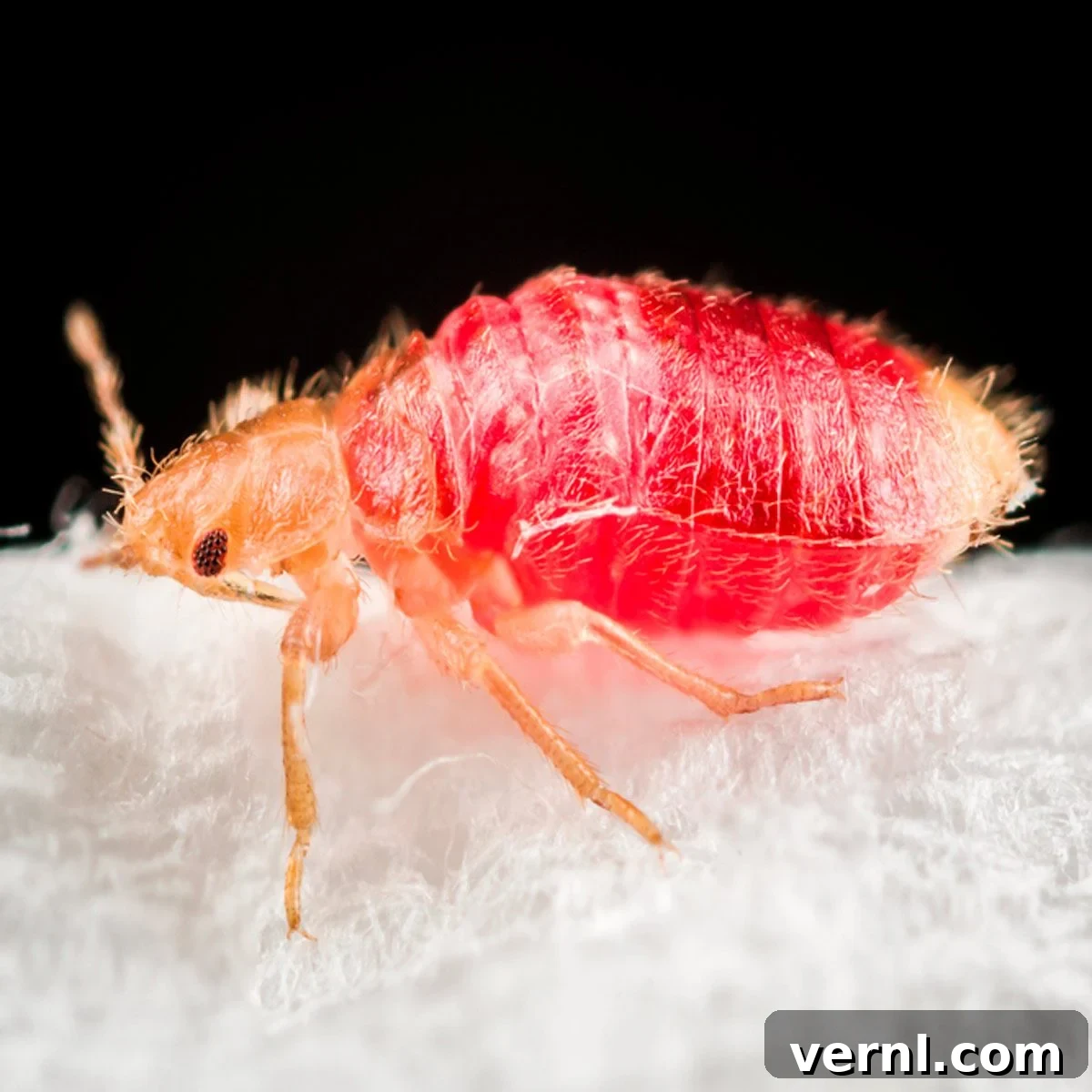
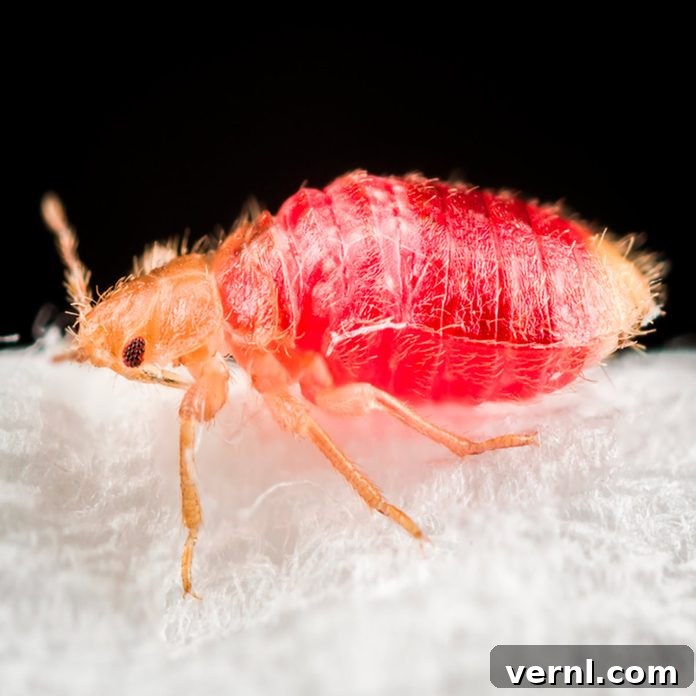
Before delving into their history and eradication, it’s crucial to understand what bed bugs are. Scientifically known as Cimex lectularius, these are small, nocturnal insects that belong to the family Cimicidae. Adult bed bugs are typically about the size of an apple seed (4-5 mm or 0.16-0.20 inches), flat, oval-shaped, and reddish-brown. After feeding, their bodies become more swollen and elongated, taking on a purplish-red hue. Nymphs (young bed bugs) are smaller, translucent, and yellowish-white. Bed bugs cannot fly, but they can move quickly over floors, walls, and ceilings. They are incredibly resilient, able to survive for several months without a blood meal, making them a particularly challenging pest to eliminate.
Their preferred habitat is close to their human hosts, meaning mattresses, box springs, bed frames, headboards, and even bedside tables are prime locations. However, they are also found in more unusual spots like behind peeling paint, under loose wallpaper, in electrical outlets, and within furniture crevices. Their nocturnal feeding habits mean they emerge from their hiding spots when people are asleep, typically feeding for about 3 to 10 minutes before returning to their harborage. A key characteristic of their bites is that they often appear in clusters or a linear pattern, sometimes referred to as “breakfast, lunch, and dinner” bites, distinguishing them from other insect bites.
The Enduring Legacy: When Were the First Bed Bugs Recorded?
Bed bugs are far from a new phenomenon. These ancient parasites have coexisted with humans for millennia. Scientists have discovered fossilized bed bugs dating back more than 3,500 years, providing concrete evidence of their long history. It is widely believed that their origins trace back to the Middle East, specifically in caves that were simultaneously inhabited by both early humans and bats. This shared dwelling provided an ideal environment for bed bugs to adapt to feeding on both species, eventually specializing in human blood as our ancestors migrated and developed more permanent settlements.
In the ancient world, the perception of bed bugs was quite different from today’s revulsion. Intriguingly, they were sometimes considered a form of home remedy or folk medicine. Historical accounts, such as those detailing practices in ancient Egypt, suggest that Egyptians would even consume bed bugs, believing them to possess medicinal properties for ailments such as snake bites. This peculiar historical use underscores how deeply entrenched bed bugs have been in human societies throughout various cultures and epochs, evolving from a primitive remedy to a modern-day pest.
Global Scourge: Do Bed Bugs Exist Everywhere?
Unfortunately, the answer is a resounding yes. Bed bugs can be found in virtually every corner of the globe, adapting to diverse climates and environments. However, a surprising trend emerges when observing infestation patterns: the most severe problems tend to occur in developed countries. This counterintuitive fact is largely attributed to specific lifestyle factors prevalent in these regions, such as the widespread use of bed frames and soft bedding, which provide ample hiding spots for these elusive pests.
There’s also a significant historical context to their resurgence. Between the 1930s and 1980s, bed bug populations were dramatically reduced, almost to the point of elimination, thanks to the widespread application of potent synthetic pesticides like DDT. This chemical was remarkably effective at eradicating infestations. However, the environmental and health concerns associated with DDT led to its global ban, paving the way for a dramatic comeback of bed bugs. Since the ban, there has been a massive increase in infestations worldwide. Many current strains of bed bugs have developed significant immunity to the modern, less toxic pest control chemicals available today, making eradication much more challenging.
Compounding this problem is the unprecedented level of international travel in contemporary society. Bed bugs are expert hitchhikers. They easily travel on clothing, in suitcases, backpacks, and other personal belongings, facilitating their rapid spread across continents. A traveler can unknowingly pick up bed bugs from a hotel room, airport lounge, or even public transportation and transport them directly into their home, sparking a new infestation. This global mobility has transformed localized issues into a widespread public health nuisance.
Bed Bug Hotspots: Where Are the Worst Outbreaks of Bed Bugs?
While bed bugs are a global issue, certain regions and cities experience more frequent and severe outbreaks than others. In the United States, specific urban centers consistently report high levels of infestations. The U.S. cities with the most frequent recorded outbreaks include bustling metropolises like New York City, the historic city of Baltimore, the major Midwestern hub of Chicago, and the industrial center of Cleveland. These cities, with their high population densities, constant flow of travelers, and diverse housing types, provide ideal conditions for bed bugs to thrive and spread.
Looking at the state level, several states consistently rank high for bed bug infestations. These include New York, California, Florida, Ohio, New Jersey, and Maryland. These states represent a mix of dense urban areas, popular tourist destinations, and significant transportation hubs, all factors that contribute to the proliferation of bed bugs. Understanding these hotspots is crucial for residents and travelers alike, encouraging greater vigilance and preventative measures when visiting or residing in such areas. It’s also important to be aware of similar-looking insects; for instance, learning the difference between bat bugs versus bed bugs can be critical, as they look very similar but require different treatment approaches due to their preferred hosts.
Identifying a Bed Bug Infestation: Signs to Look For
Early detection is key to effective bed bug management. Knowing the signs of an infestation can save you significant time, money, and discomfort. Beyond the itchy bites, there are several tell-tale indicators:
- Visible Bed Bugs: Look for live bed bugs themselves, typically adult insects, nymphs, or even tiny, pearly-white eggs. They are often found in mattress seams, cracks in bed frames, and behind headboards.
- Fecal Spots: These are small, dark, rust-colored spots, usually found on mattresses, sheets, and bed frames. They are essentially bed bug droppings, consisting of digested blood.
- Shed Skins (Exuviae): As bed bugs grow, they shed their exoskeletons. These translucent, empty casings can often be found near their hiding spots.
- Blood Stains: Small, reddish-brown stains on your sheets or pajamas might indicate crushed bed bugs after feeding, or blood spots from their bites.
- Musty Odor: In cases of severe infestations, a distinct, sweet, musty odor may be present, produced by the bugs’ scent glands.
- Bite Patterns: As mentioned, bites often appear in lines or clusters, typically on exposed skin like arms, legs, and neck.
Strategic Defense: What’s the Best Way To Get Rid of Them?
Eradicating bed bugs is notoriously difficult, primarily because of their elusive nature and rapid reproductive capabilities. The eggs, in particular, are extremely resilient and hard to destroy. Therefore, the most effective strategy is often to prevent a bed bug infestation from taking hold in the first place. Vigilance, especially after travel or when bringing new furniture into the home, is paramount.
Once bed bugs are established, they breed rapidly. An adult female bed bug can lay around 250 eggs throughout her life cycle, and these eggs hatch in a mere 6 to 10 days, quickly increasing the population. This rapid reproduction necessitates swift and comprehensive action.
DIY Methods: Taking the First Steps
It is possible to treat your home yourself, especially for minor infestations, and it’s certainly worth a try. Here are some effective DIY strategies:
- Thorough Cleaning: Regularly vacuum mattresses, carpets, and surrounding areas. Dispose of the vacuum bag immediately outside in a sealed trash can.
- Heat Treatment: Wash and dry all bedding, curtains, and affected clothing at high temperatures. Steam cleaning mattresses and furniture can also kill bed bugs and eggs on contact.
- Cold Treatment: For smaller items, sealing them in plastic bags and placing them in a freezer at 0°F (-18°C) for at least four days can be effective.
- Mattress and Box Spring Encasements: Use specialized, zippered encasements that completely trap bed bugs and prevent new ones from entering, eventually starving trapped bugs.
- Diatomaceous Earth (DE): A natural powder that dehydrates and kills bed bugs. Sprinkle it in cracks and crevices where bed bugs hide, but use food-grade DE and follow safety instructions.
- Bed Bug Sprays: There are various over-the-counter best bed bug sprays available. Some act as contact killers, while others provide residual protection. Always read and follow product instructions carefully.
- Seal Cracks: Caulk and seal cracks in walls, floors, and around baseboards to eliminate hiding spots.
When to Call the Professionals
While DIY methods can be effective for small, localized infestations, bed bugs are incredibly resilient. If you’ve diligently tried to get rid of bed bugs yourself and still have a persistent problem, professional help will almost certainly be needed to eliminate them completely. Professional pest control services offer more advanced and potent solutions, including:
- Heat Treatments: Whole-room heat treatments, where temperatures are raised to lethal levels (typically 120-140°F or 49-60°C) for several hours, are highly effective at killing all life stages, including eggs.
- Chemical Treatments: Professionals use targeted insecticides, often combining different types (e.g., residual sprays, dusts, and aerosols) to reach bed bugs in all their hiding spots.
- Cryonite Treatment: This method uses freezing carbon dioxide snow to rapidly kill bed bugs on contact.
- Follow-up Visits: Most professional treatments include multiple visits to ensure all newly hatched nymphs are eliminated before they can reproduce.
A professional will conduct a thorough inspection, identify all harborage areas, and create a comprehensive treatment plan tailored to your specific situation. This investment can save you from prolonged discomfort and the stress of a recurring infestation. Ultimately, success against bed bugs hinges on persistence, a multi-faceted approach, and knowing when to call in the experts.